Chiang Rai Cooking Class: How to Choose and Book
Choosing a Chiang Rai cooking class? Compare market-tour formats, what's included, booking tips, and who should skip.
On this page
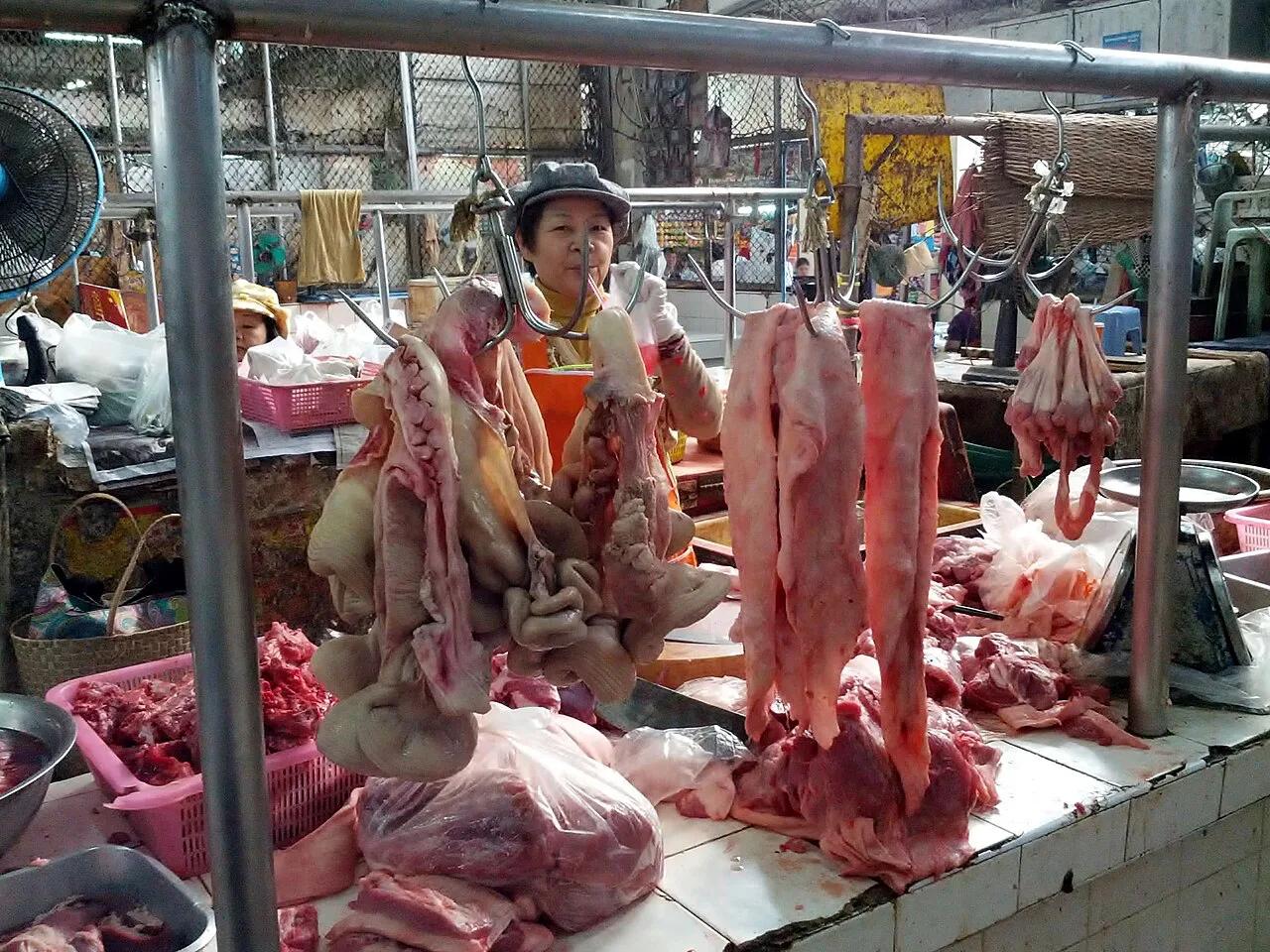
Last updated November 2026. A Chiang Rai cooking class usually pairs a morning wet-market visit with hands-on cooking and a meal of your own dishes. Most run about half a day, so the real decisions are group size, setting, dietary handling and transport. Use this guide to pick a format before you contact a school.
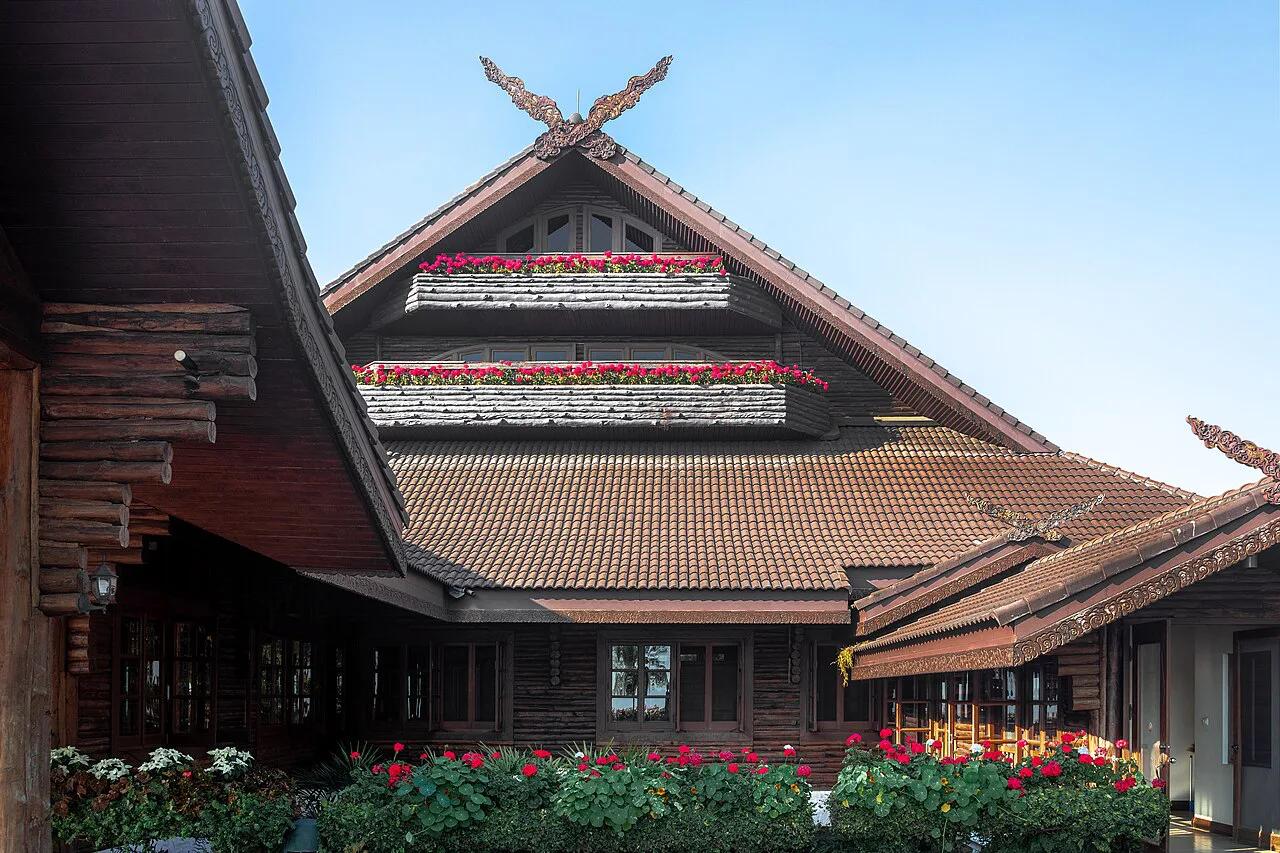
Featured image: Justraveling.com, CC BY-SA 4.0, via Wikimedia Commons.
Quick answer: what a Chiang Rai cooking class involves
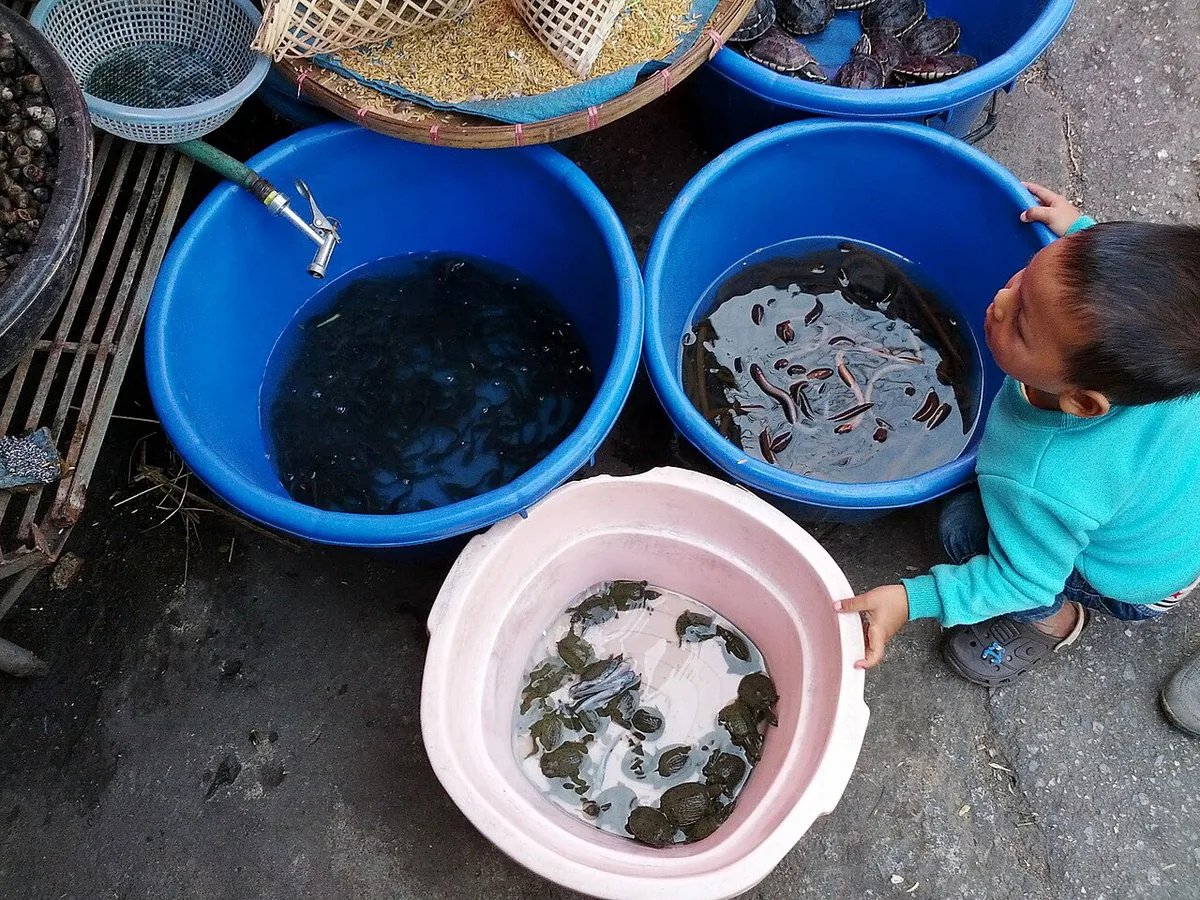
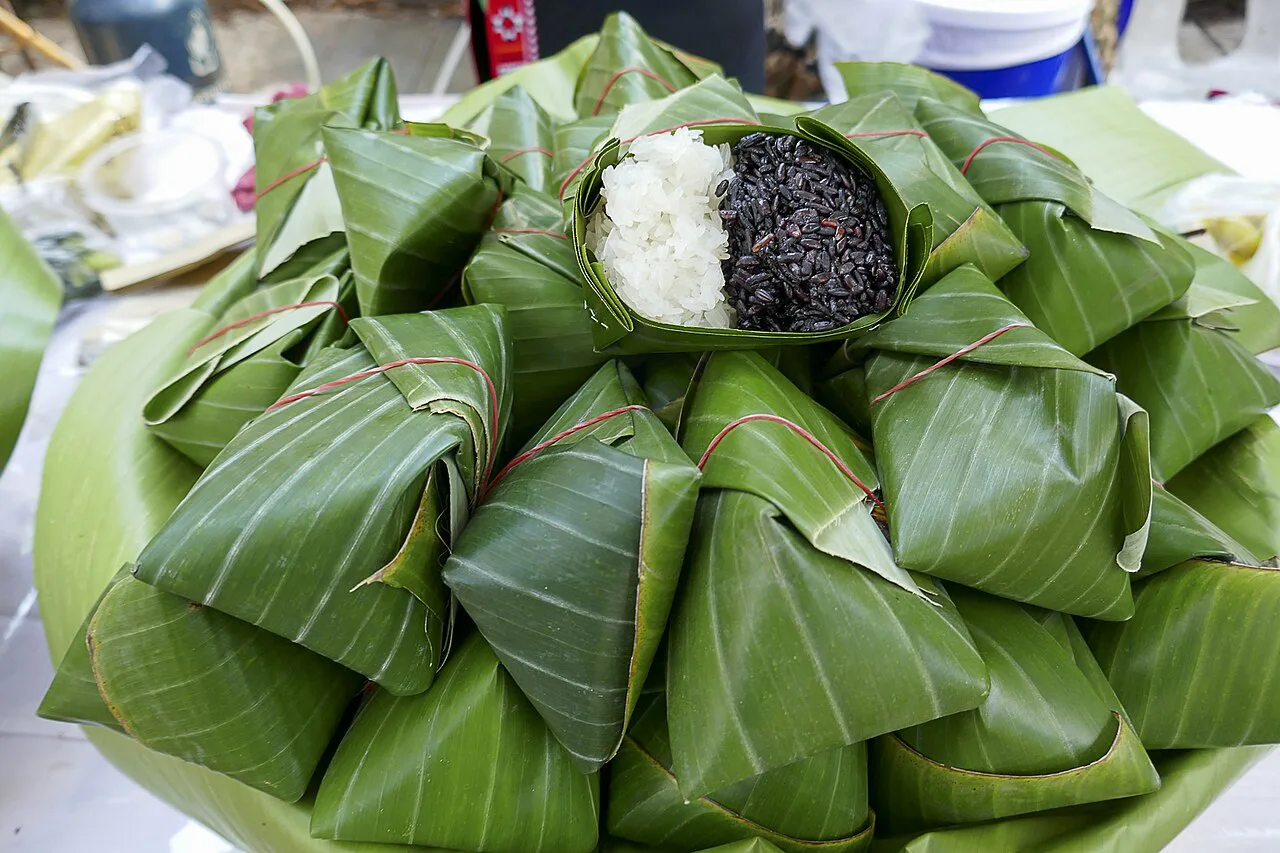
Expect three parts: a market walk, a cooking session at a school kitchen, and a sit-down meal of what you cooked. Northern Thai classes often cover dishes such as khao soi, nam prik ong and sticky rice. Menus change by school, so ask for the dish list before you pay. One well-documented example runs 4.5 hours from a 9:30am start.
- Typical length: about 4.5 hours for a market-plus-cooking class
- Usual inclusions: ingredients, a drink, market visit and your own meal
- Booking lead time: ask the school directly, especially for solo travelers
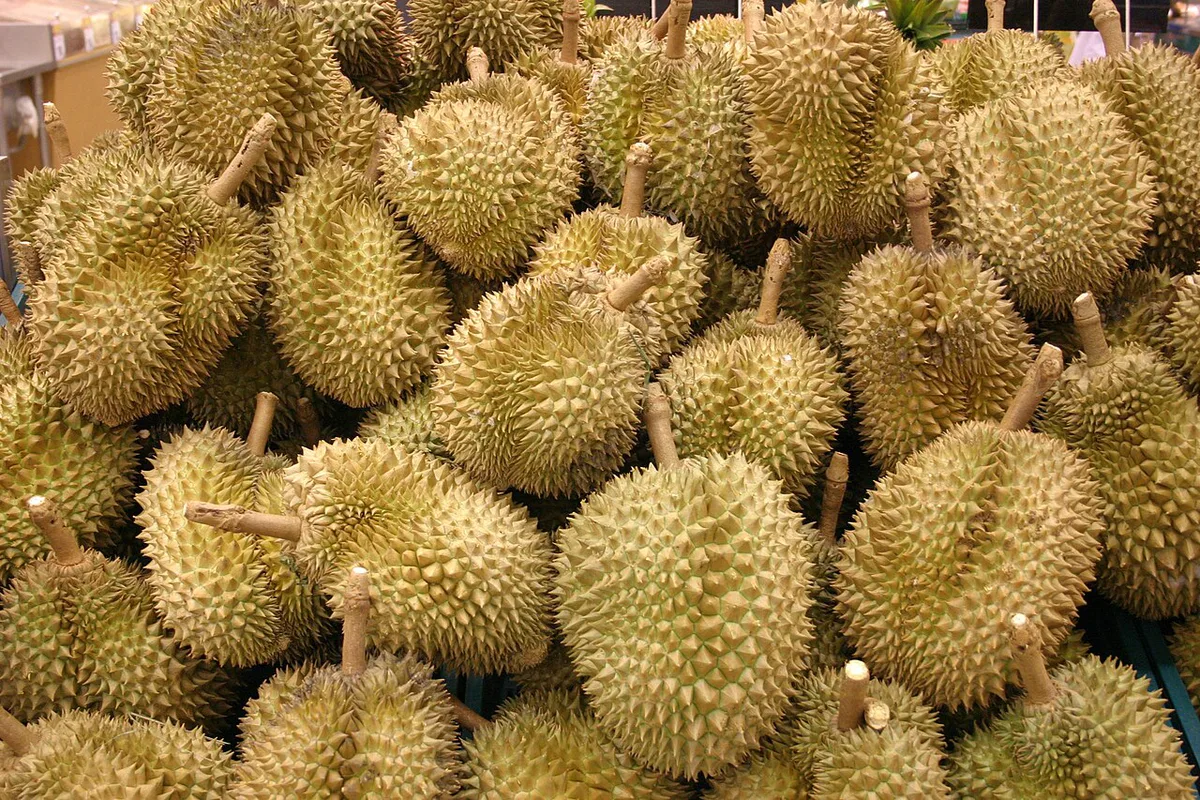
How to choose a Chiang Rai cooking class
Pick on six criteria rather than on a ranked list. Class quality depends on the teacher and the setting, and a small school can change its menu or hours without notice. Our guide centers on the decision criteria for that reason. Use the table below to match a format to your trip.
Some groups run 2-3 people, so ask the group size before paying, especially as a solo traveler.
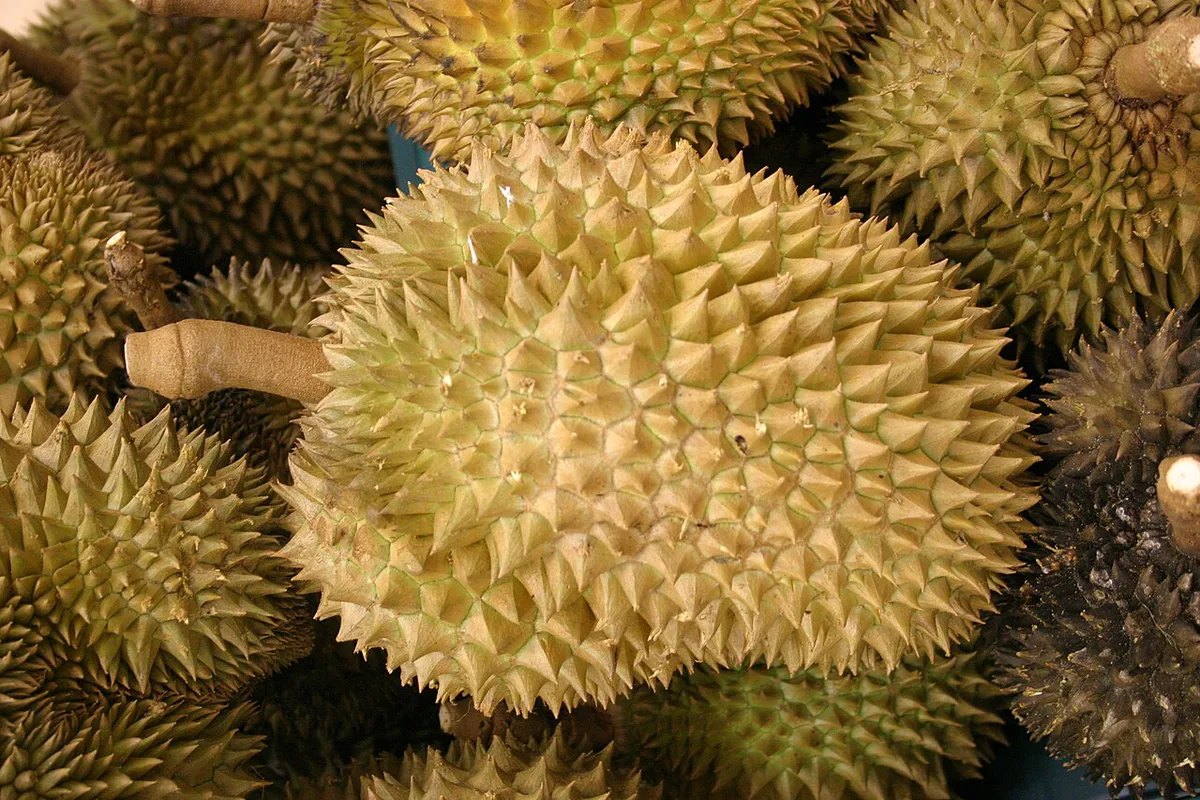
| Criterion | Market tour + countryside kitchen | In-town class, no market |
|---|---|---|
| Market visit | Included; you shop for ingredients with the teacher | Usually skipped; ingredients are prepped |
| Group size | Often small; some guests report 2-3 people | Ask; larger groups are possible |
| Setting | Home or garden kitchen outside the center | Shorter commute from your hotel |
| Dietary handling | Message the school before booking | Message the school before booking |
| Schedule | Morning start, around 9:30am in one example | Afternoon slots may suit late risers |
| Transport | Pickup from a morning market in one example | Walk or short ride |
What a half-day class looks like
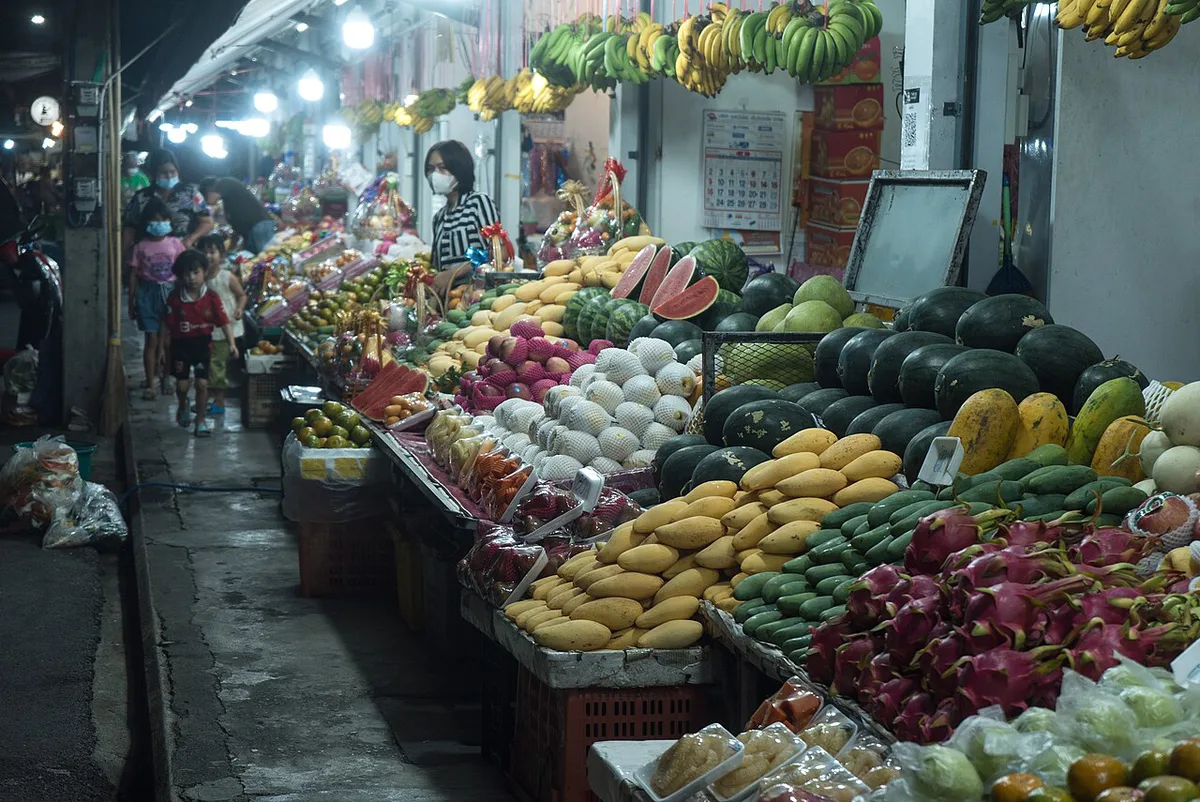
A market-plus-cooking class follows a predictable arc. Suwannee Thai Cooking Class is one documented example. It starts at 9:30am, lasts 4.5 hours and includes a market tour, all ingredients and a complimentary drink. Guests cook in a countryside home with a garden kitchen and a separate station for each person. The school's listed location is in the Huafai area on the Denha-Dongmada road in Muang district.
- Morning: meet at the pickup point and walk the wet market with the teacher
- Mid-morning: learn to identify vegetables, rice and herbs by sight and smell
- Late morning: cook your dishes at your own station, with the teacher supervising
- Midday: sit down and eat what you made while it is still hot
Costs and what's included
A market-plus-cooking class sits above a street meal and below a tasting-menu dinner. Booking sites often show prices in US dollars, while schools quote in baht. Prices and hours checked November 2026 were not stable enough to quote, so ask the school for the current baht price. Then compare what it covers: ingredients, a drink, the market visit, recipe notes and transport. If you want a cheaper way to eat northern Thai food, see our low-cost Chiang Rai meals.
- Ask if the price includes market shopping and pickup
- Ask whether recipes are emailed or printed
- Ask whether a drink or tasting stops are included
- Compare direct booking with platform booking for cancellation terms
Getting there and timing
Countryside kitchens sit outside the center, so transport matters. Some schools collect guests at a morning market. Others expect you to arrive by taxi or ride-hailing. A 9:30am start means leaving your hotel well before that. Rainy and hot-season conditions affect market comfort and garden seating, so ask about a wet-weather plan. Solo travelers should message the school first, since one listing asks them to make contact before booking.

Who should skip it, and mistakes to avoid
Skip a class if you have under five free hours, dislike crowded wet markets or have limited mobility. Strict allergies without written confirmation are another reason to pass. Booking before confirming dietary needs is the most common mistake. Vegetarian and vegan menus work only when the school agrees in advance. Do not expect a full printed recipe book unless the school says so. Do not stack a heavy afternoon plan after a 4.5-hour class, since you will have eaten a large meal.
- Mistake: booking without confirming allergies or vegetarian needs
- Mistake: assuming recipes and transport are included
- Mistake: scheduling an afternoon tour right after the meal
Pair it with Chiang Rai's food scene

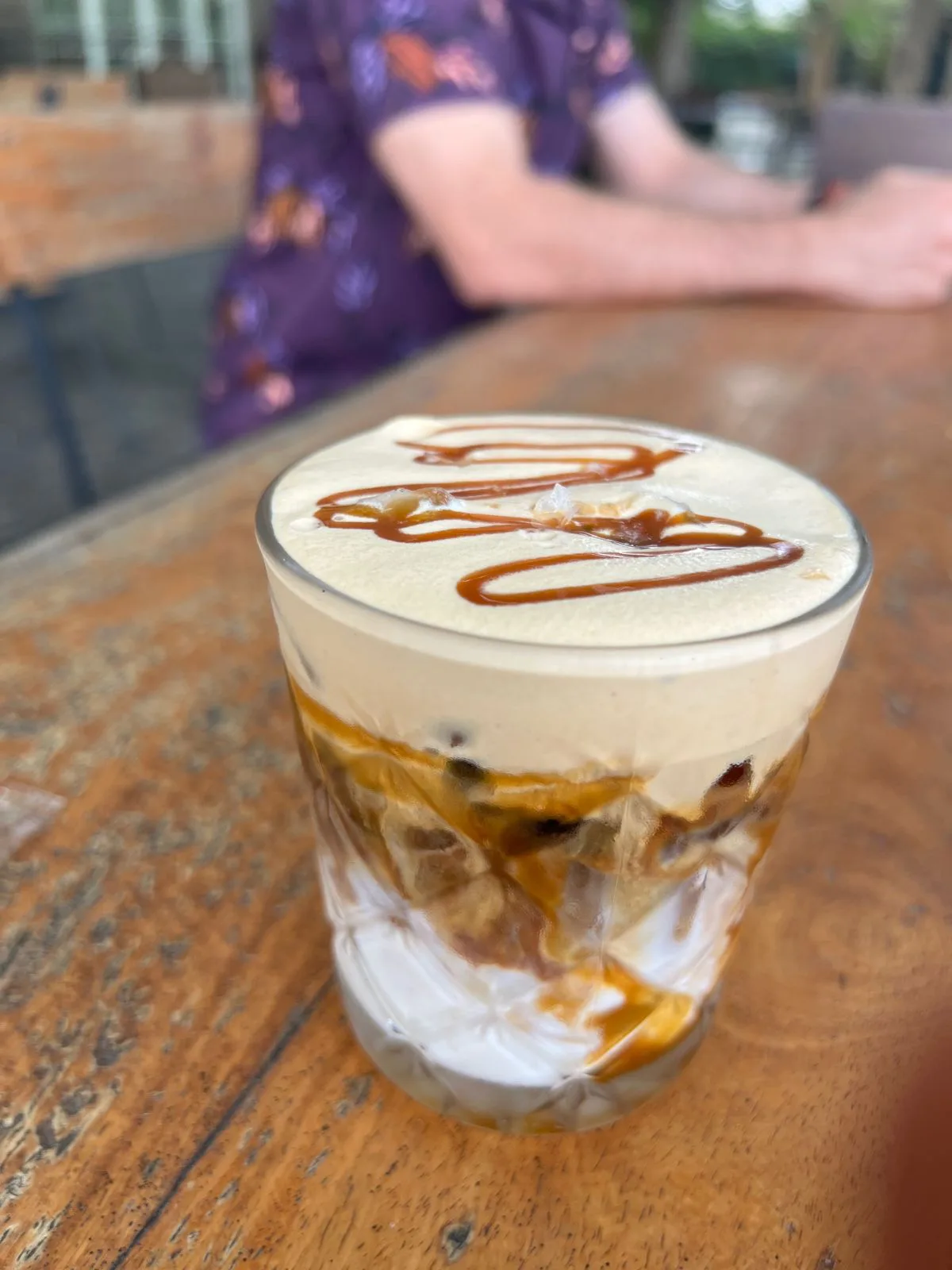
A class makes more sense once you have eaten the dishes it teaches. Try the local noodle dish at one of our khao soi stops in Chiang Rai before or after your class. For a sit-down dinner afterward, start with where to eat in Chiang Rai. The Michelin Guide Thailand restaurant listings offer another way to browse. A slow afternoon suits relaxed Chiang Rai cafes. If you prefer a single cup, see Chiang Rai Coffee: Town Roasters, Hill Farms & Garden Cafés.
Over 4.5 hours of cooking and market time, a slow afternoon cafe stop suits you better than a second tour.
Questions to confirm before you book
Send a short message before paying, especially when the class is outside central Chiang Rai. Confirm the exact meeting point and whether pickup is from a morning market or your hotel. One documented format starts at 9:30am and lasts 4.5 hours, so this is not an activity to squeeze between breakfast and an afternoon tour.
Ask for the current menu rather than assuming every class teaches the same dishes. If khao soi, nam prik ong, or sticky rice matters to you, request confirmation in writing. Also confirm whether every guest has a separate cooking station; this can affect the hands-on experience in a small group.
Dietary needs need the same direct check. State vegetarian, vegan, allergy, or halal requirements clearly, and ask how the school prevents cross-contact. Finally, verify the baht price, cancellation terms, transport, market visit, drink, and recipe notes before you compare a direct booking with a platform.
Thai food notes for your next trip
Optional updates to our food guides.
You might also like


Continue reading
More guides you'll find useful