Rawai Seafood Market Phuket: How It Works, Prices & Tips
How Rawai Seafood Market works: pick seafood by weight, get it cooked across the road. Hours, price ranges, getting there and tips.
On this page
Last updated November 2026: Rawai Seafood Market is a row of open-air stalls on Wiset Road in southern Phuket, where you pick seafood by weight. You then carry it across the road to a restaurant that cooks it for a separate fee. Hours, price ranges, a worked budget for two and a half-day plan follow below.
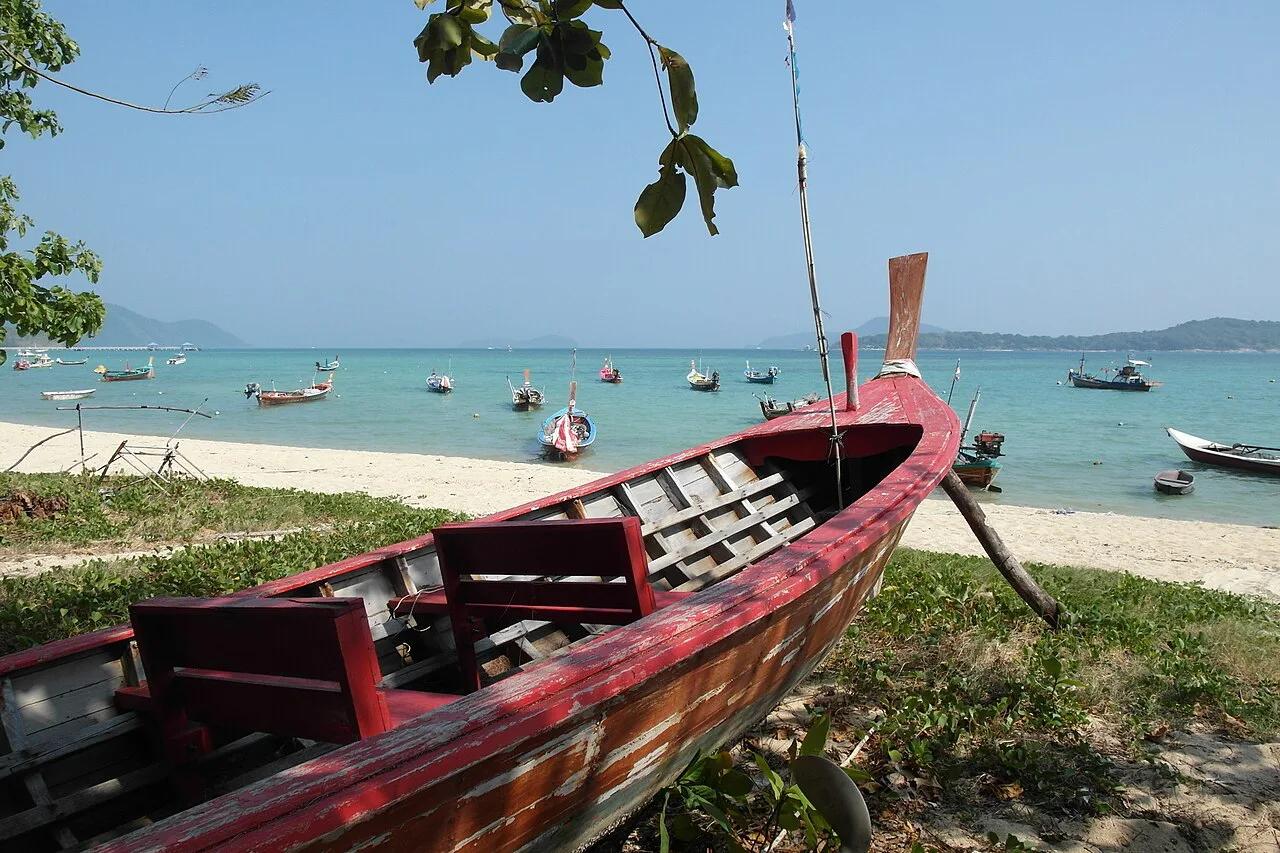
Featured image: Wolfgang Holzem, CC BY-SA 4.0, via Wikimedia Commons.

What Rawai Seafood Market Is (and How Buy-Then-Cook Works)
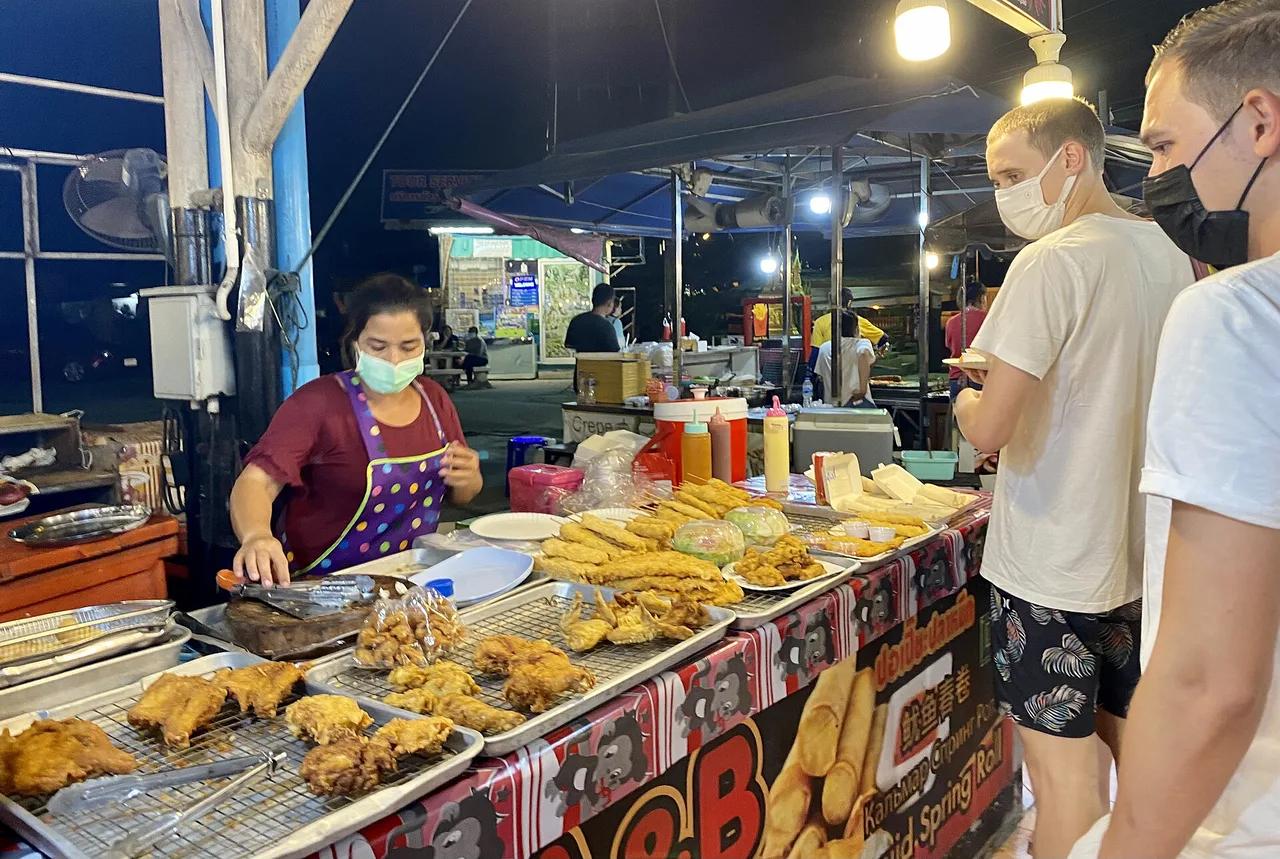
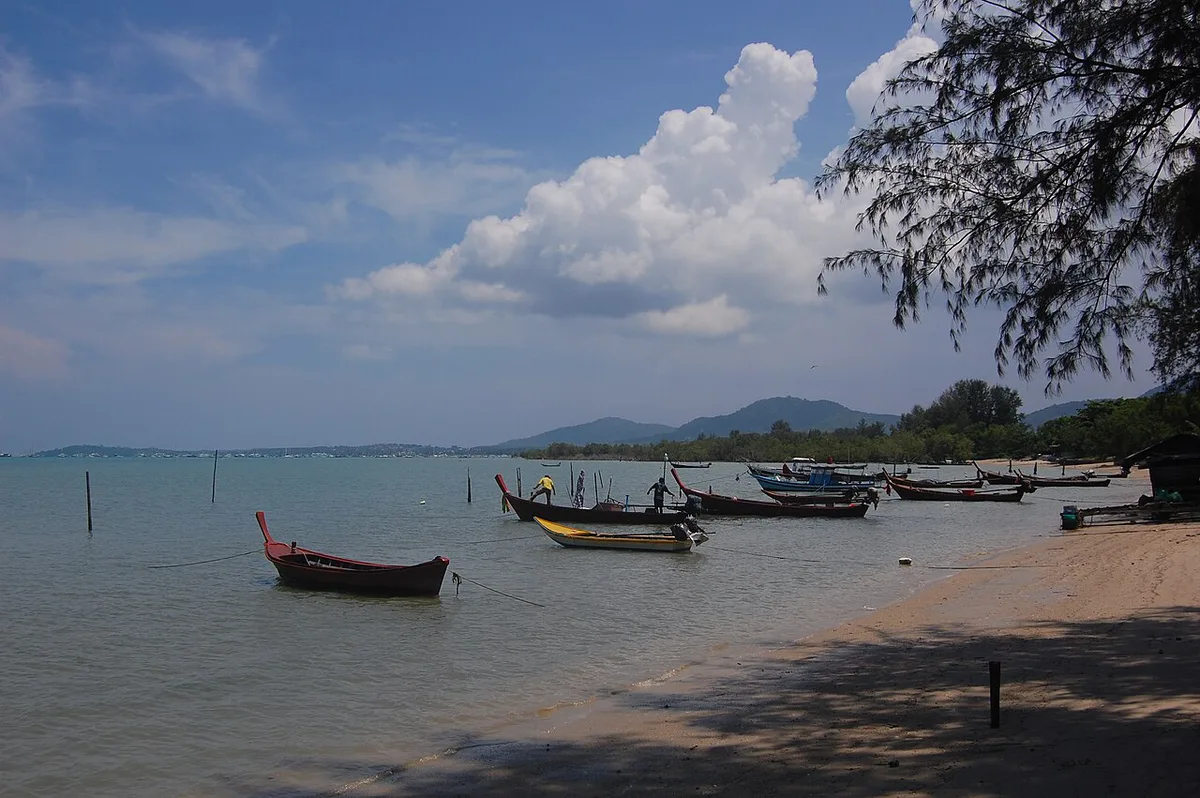
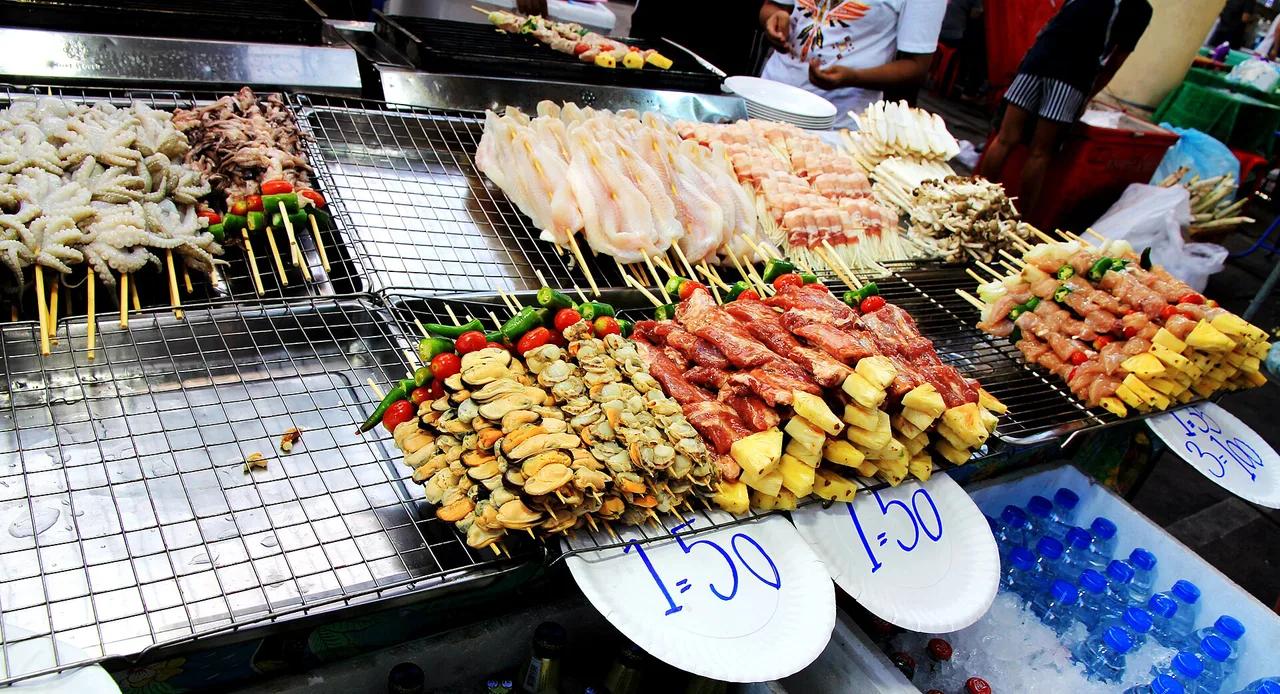
Stalls line the seafront road beside Rawai Pier, next to the Chao Leh sea-gypsy village. Sellers lay out tiger prawns, blue crab, squid, snapper, grouper and mussels on ice, with prices chalked on boards. Lobster appears in season. Restaurants face the stalls from the opposite side of the road. They cook whatever you bring, so the seafood and the cooking are billed separately. That split makes the final bill easy to follow, because you see the seafood cost before any kitchen is involved.
- Walk the row and compare two or three stalls before buying.
- Ask the price per kilo and watch the seafood go on the scale.
- Pay the stall for the seafood only.
- Cross the road to a restaurant with your bag.
- Pick a style: grilled, steamed with lime and chilli, fried with garlic and pepper, or in a curry.
- Agree the cooking fee before the seafood goes into the kitchen.
- Order rice, vegetables and drinks, which are charged on top.
Is It Worth It? Who It Suits and Who Should Skip It
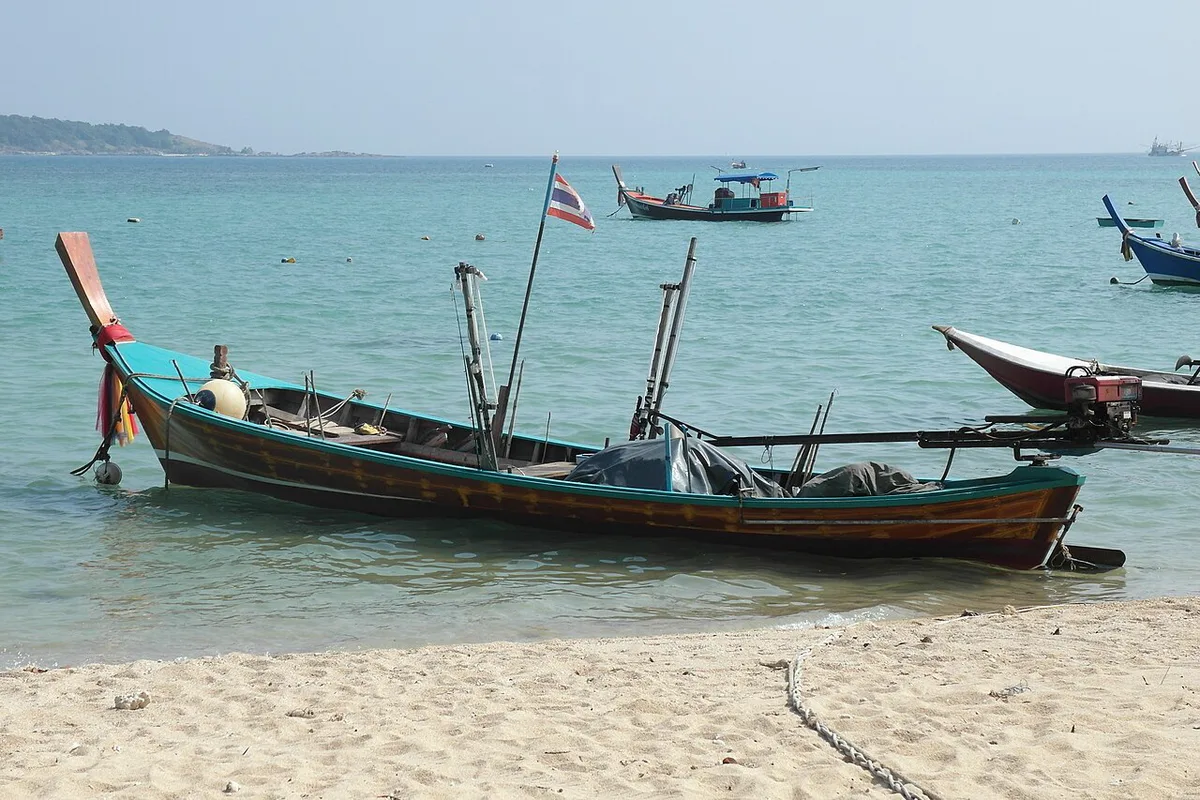
Rawai suits first-timers who like seeing exactly what they are paying for. Couples and small groups do well here, because you can size the order to the table. Families with older children often enjoy choosing live crab and prawns. Compared with a regular seafood restaurant, you get clearer costs and more control over portions. In return you give up some comfort. Stalls have little seating, and there is no air-conditioning in the market itself. Heat and strong smells come with the territory. Skip it if you dislike live seafood or hate comparing prices at stalls. Travelers with shellfish allergies or strict dietary rules should also look elsewhere, since kitchens handle many species on shared equipment. If you want a menu with fixed prices and a table by the fan, a sit-down restaurant is the easier choice.
What It Costs: A Worked Budget Example
Prices and hours checked November 2026. Large prawns run about ฿800–1,500 per kilo, and a whole fish about ฿300–500. Cooking is commonly quoted at roughly ฿100 per kilo. One traveler reports ฿80 per dish instead, so restaurants clearly bill in different ways. Ask which method applies before you hand over the bag. The table below is an illustrative dinner for two, built only from those ranges.
| Item | Illustrative amount | Cost |
|---|---|---|
| Large prawns | 0.5 kg at ฿800–1,500 per kg | ฿400–750 |
| Whole fish | 1 fish at ฿300–500 | ฿300–500 |
| Cooking fee | About 1.5 kg at ฿100 per kg | About ฿150 |
| Total before rice and drinks | For two people | ฿850–1,400 |

Hours and Best Time to Go
Listings show Rawai Seafood Market open daily from 09:00 to 21:00. Restaurants serve from late morning until about 21:00–22:00. Stall and restaurant hours are set by individual sellers, so they can differ, especially on Thai public holidays. Morning is when the catch is freshest and local buyers shop. Evening brings more atmosphere and cooler air. Choose freshness or ambience; both are available on the same day. November to April is the most reliable season, and December to January is the busiest. May to October brings rough seas, and supply can change. For sunset, Promthep Cape is about ten minutes down the coast.

How to Get to Rawai Seafood Market
From Phuket Town it is roughly 17 km, or 30–40 minutes by car. Head south on Chao Fah Tawan Aok Road, then join Wiset Road toward Rawai Pier. Grab is widely available across Phuket. Tuk-tuks run on negotiated fares, so settle the price before you board. Motorbike rental is another option for confident riders. Parking is reported in front of the market and along the road, and space tightens at dinner time. Coming from the Chalong or Nai Harn side, you reach the same seafront road near the pier.

Tips and Mistakes to Avoid
A few habits protect your wallet and your dinner. Practice varies by stall, since some sellers mark prices clearly and others expect a little bargaining. A small discount is normal, a large one is not, and a friendly tone works best.
Large prawns run about ฿800–1,500 per kilo, so comparing two or three stalls matters most when you buy the big ones.

- Skipping the price check: compare two or three stalls before you commit.
- Not watching the scale: confirm the weight before you pay.
- Leaving the cooking fee open: agree it before the kitchen starts.
- Treating posted hours as guaranteed: stalls and restaurants keep their own schedules.
- Visiting in rough-sea months: May to October can mean thinner supply.
- Ignoring the heat: carry water, and arrive early or late rather than at midday.
Make It a Southern Phuket Half-Day
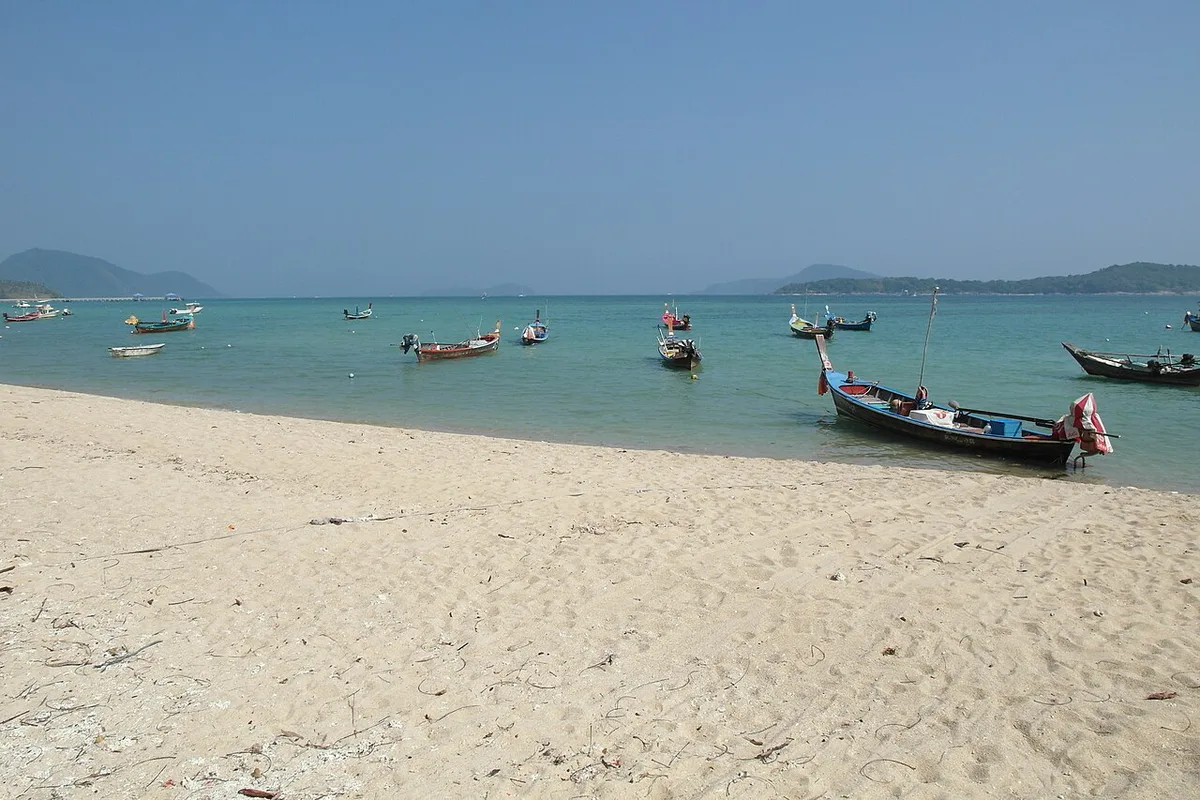
Start at Rawai Beach and walk out along Rawai Pier, where the sea-gypsy village sits beside the market. Fishing is part of daily life for the community, so keep photos respectful and ask before pointing a camera at people. A short walk of roughly 400–700 m reaches Rawai Park, among other quiet stops. Eat at the market around late afternoon. Then drive about ten minutes to Promthep Cape for sunset. That order lets you buy while stalls are active and still catch the light.
Coming from Phuket Town, the trip is roughly 17 km, or 30–40 minutes by car, so leave early to eat at the market and still reach Promthep Cape.

Other Phuket Markets and Food Stops to Compare
Rawai is a cook-your-own-catch dinner, not a general night market. For a wider look at evening food across the island, start with our guide to night markets around Phuket. To browse produce and seafood in a different setting, try browsing Banzaan. For an evening meal near Kata, see Kata's night market. Patong visitors can look at Malin Plaza in Patong instead. Prefer a weekend plan? Sunday walking street in Old Town fits that. For modern, trendy food stalls, Chillva for evening food is another route. If you want more picks beyond Rawai, our full list of Phuket night markets covers them.
Thai food notes for your next trip
Optional updates to our food guides.
You might also like
Continue reading
More guides you'll find useful