Gluten Free Chiang Mai: Safe, Budget-Friendly Guide
Eat gluten free in Chiang Mai: which Thai dishes are usually safe, hidden soy and oyster sauce traps, what to say, and how to plan a budget.
On this page
Last updated November 2026. Eating gluten free in Chiang Mai is workable but not automatic, so this guide covers safe dishes, hidden sauces and budget caps. Rice, rice noodles and coconut-milk curries are often naturally gluten free, while soy sauce and oyster sauce are common hidden sources. This is travel information, not medical advice, so coeliacs should apply their own tolerance thresholds.
Featured image: Takeaway, CC BY-SA 3.0, via Wikimedia Commons.
Is Gluten Free Chiang Mai Eating Realistic?
Yes, with preparation. Thai cooking leans on rice, fresh herbs and fruit, which suits most gluten-free diets. Stir-fries are the weak point because soy sauce and oyster sauce go into most of them. Both usually contain wheat.
Your strictness matters. A coeliac traveler should treat cross-contamination from shared woks and fryers as a real risk. Someone with mild sensitivity or a preference can usually manage with a carefully asked order at a local restaurant. Decide which group you belong to before you pick where to eat.
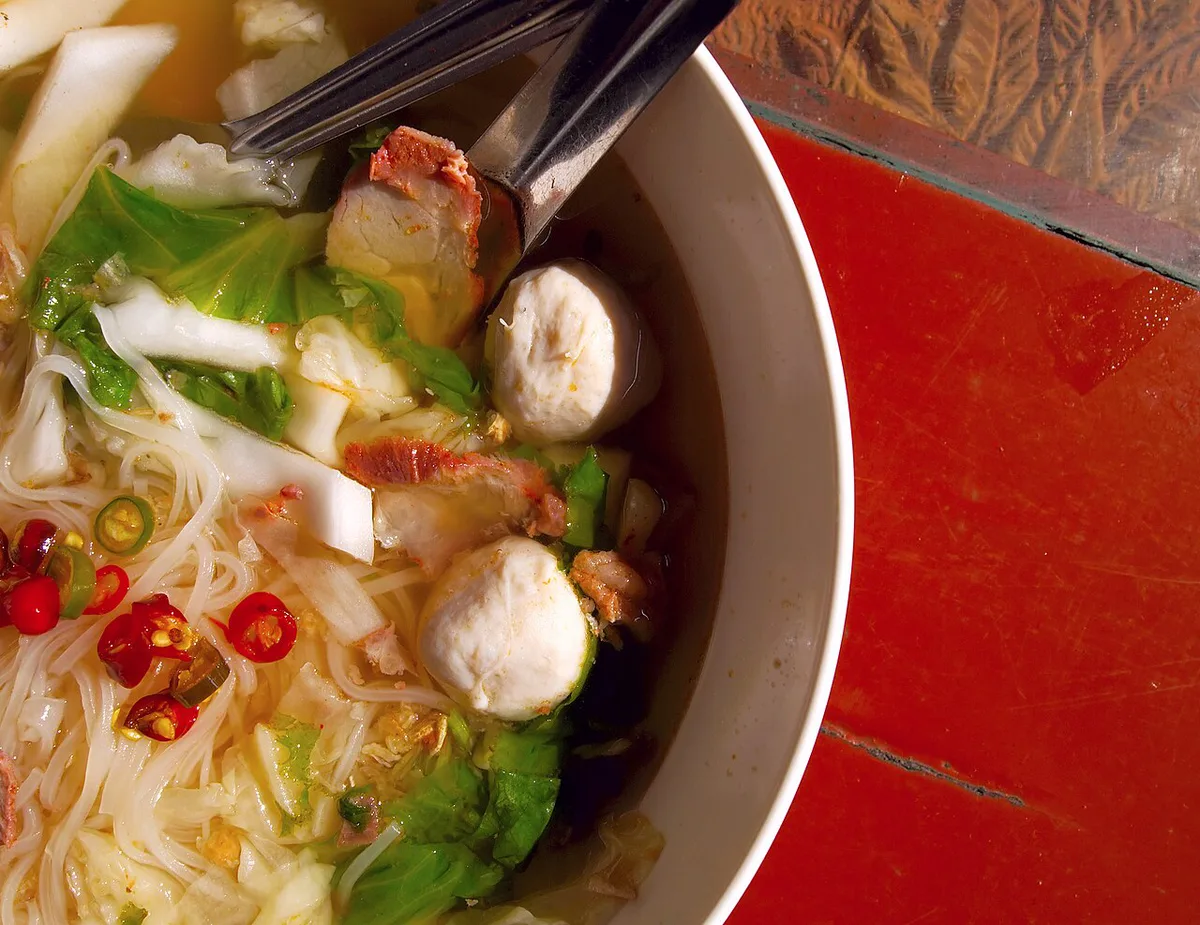
Hidden Gluten in Thai Food: What to Ask About
Sauces cause most problems, not the main ingredients. Pre-made sauces, seasoning liquids, batter on fried items and wheat noodles are the usual culprits. Curries are traditionally gluten free, but a kitchen may add soy sauce, so ask each time. Mock meats and tofu dishes often carry soy-based sauces too, which is covered in our guide to vegetarian restaurants in Chiang Mai.
| Risk level | Dishes | What to say |
|---|---|---|
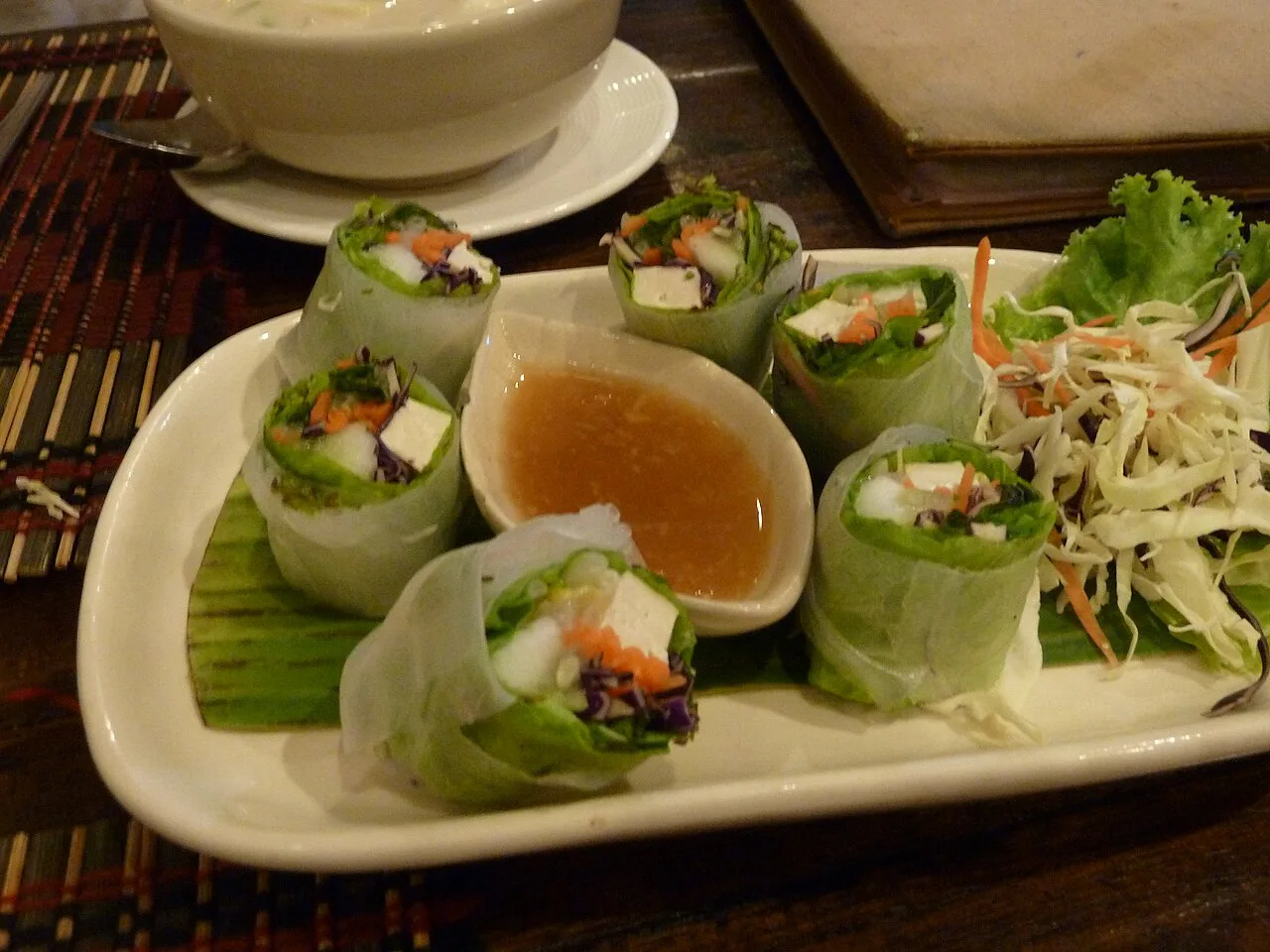
| Usually safe | Plain rice, fresh fruit, mango sticky rice, rice paper rolls | Ask about toppings and sauces |
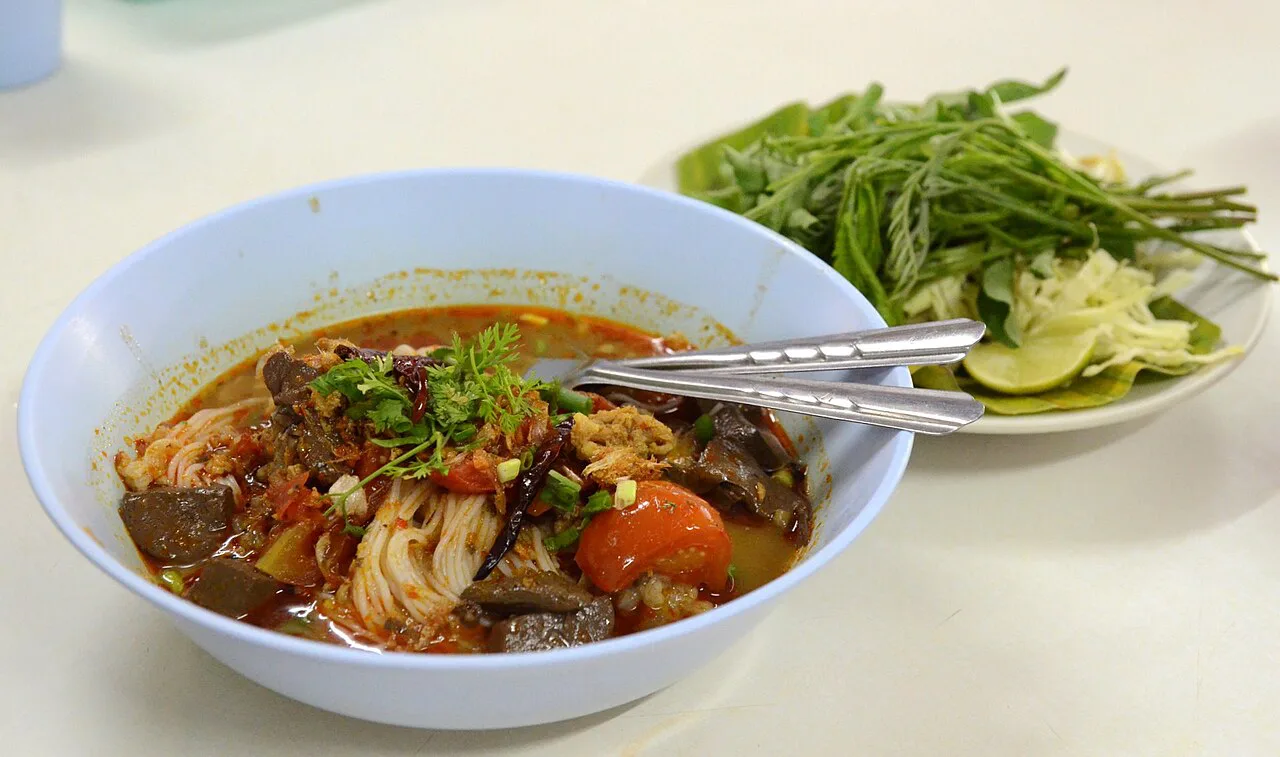
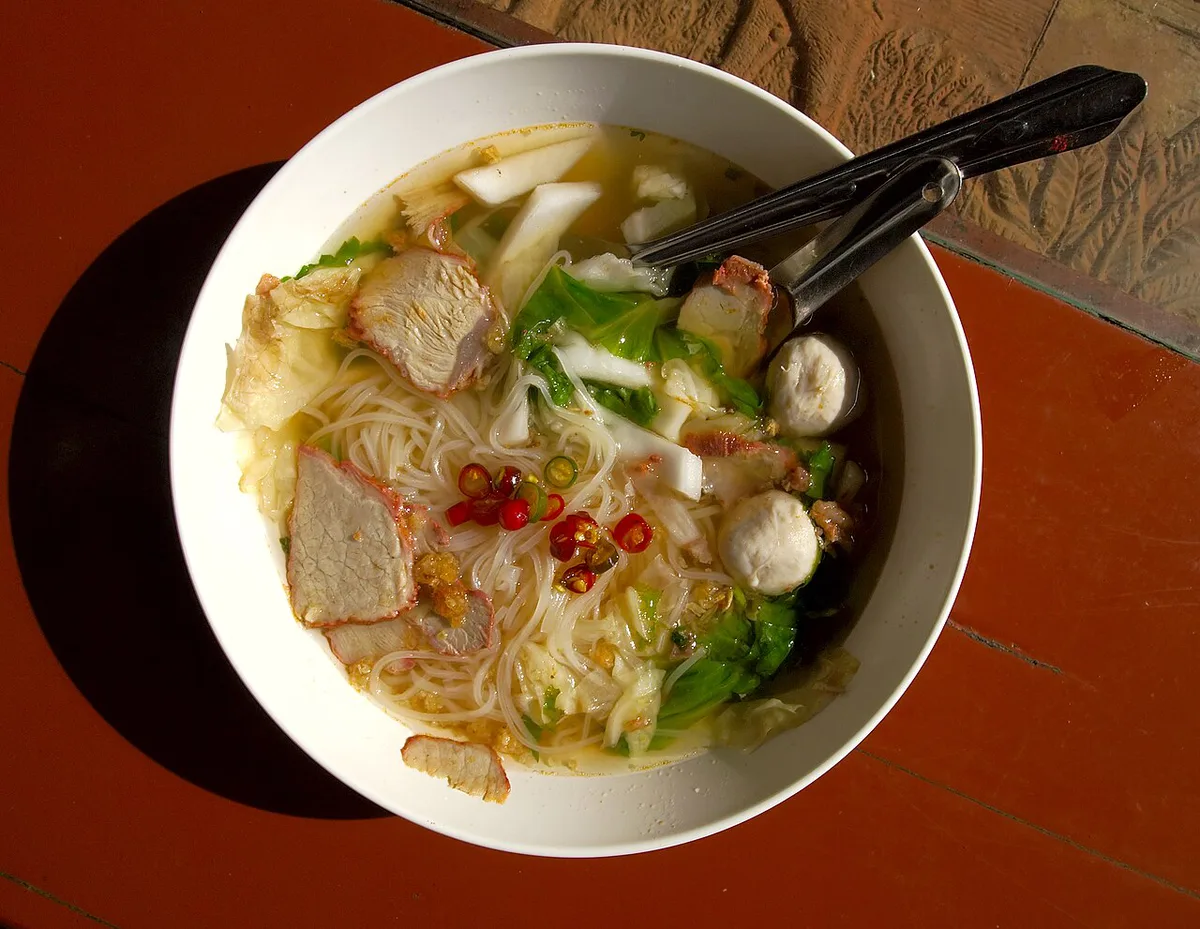
| Ask first | Red, green, yellow and massaman curry, clear soups, laap | No soy sauce, no oyster sauce, no seasoning powder |
| Ask first | Pad thai, fried rice, rice noodle stir-fries | Cook without soy or oyster sauce, with a clean wok |
| Avoid | Pad see ew, wheat noodles, battered fried items, spring rolls | Wheat is built into the dish |
How to Ask in Thai: The Allergy Card
A printed allergy card beats a spoken request in a loud market. It should name wheat flour, soy sauce and oyster sauce. Coeliacs should add a line about cross-contamination from shared woks and fryers. Download a Thai-language card from a coeliac organisation and save it on your phone. A nod from the cook is not confirmation, so ask the cook to repeat the key items back to you.
Typical Costs and Budget Caps
No sourced menu prices exist for gluten-free dishes in Chiang Mai, so use relative tiers and set your own ceilings. Street and market food is cheapest and carries the most cross-contamination uncertainty. Local restaurants cost more and give you a kitchen you can question. Dedicated gluten-free or health cafes cost most and give the most certainty. Use the planning caps below as ceilings you set yourself, not quoted menu prices.
Pay the ฿200 local curry tier only after your card names wheat flour, soy sauce and oyster sauce.
| Option | Planning cap per meal | Certainty |
|---|---|---|
| Market or street rice dish | ฿100 | Lowest |
| Local restaurant curry | ฿200 | Medium |
| Dedicated gluten-free or health cafe | ฿350 | Highest |
| Cooking class (per person) | ฿1,000 | High if allergies are declared early |
Where to Save Money and Where Not To
Simple rice dishes, fruit stalls and plain grilled items keep a day near ฿800 if you use the caps above. Spend more where the stakes are high. A strict coeliac should pay the ฿350 cafe tier for dinner and keep market stops to fruit and plain rice. Mild sensitivity or preference travelers can use street food with a carefully asked order. Spend the savings on one certain meal rather than several uncertain ones.
Where to Eat: Leads to Check
Venue details change, so treat these as leads. Pink House Garden Restaurant has been described as an entirely gluten-free vegetarian menu in a residential area, and it is known for cakes. Butter is Better serves gluten-free pancakes, cakes and sandwiches, but one reader report mentions a reaction, so coeliacs should state cross-contamination clearly. Look up current listings on Google Maps or HappyCow before you go. Plant-based kitchens often handle diets well, and our list of vegan restaurants in Chiang Mai is a good place to start. Vegan is not the same as gluten free, so still ask. For cafes, see these vegan cafes in Chiang Mai.
Cooking Classes, Breakfast and Snacks
Smile Organic Farm runs a cooking course where the guide has asked about allergies at the start and kept soy and oyster sauce out of the food. Message any school ahead and ask for the same. Breakfast is easiest as fruit salad with yoghurt. Fruit shakes are blended fruit and ice, but ask about syrups or sauces. Mango sticky rice is sweetened with coconut milk, so confirm the toppings. Mangomania, on the main road, serves mango smoothies and desserts that are likely naturally gluten free.
One-Day Budget Gluten-Free Plan
Use the caps above as decision points. Breakfast is fruit salad and yoghurt, kept under ฿100. Lunch is a rice-based curry at a local restaurant, ordered with your card and capped at ฿200. Mid-afternoon is a mango snack, with toppings checked. Dinner is the one place to spend more, at a ฿350 cafe or a kitchen you messaged earlier. Your daily total lands near ฿800 without a class.
Mistakes to Avoid
Assuming vegetarian or vegan means gluten free is the most common error, since mock meats and soy-based sauces often contain wheat. Trusting a nod to the card is the second. Shared woks and fryers also cause trouble. Avoid buying sauces you cannot read. Travelers with several restrictions may also want our guide to halal food in Chiang Mai.
Booking and Logistics Tips
Message restaurants through Google Maps, LINE or Facebook before arriving, and confirm the account is active. Eat earlier, when kitchens are calmer. Carry your own gluten-free soy sauce or tamari, so you can order dishes without sauce and add your own. Thai supermarkets are few and labels are hard to read, so pack safe snacks for travel days. Ask your hostel or hotel whether its kitchen can help.
Thai food notes for your next trip
Optional updates to our food guides.
You might also like
Continue reading
More guides you'll find useful