Gluten-Free Thailand: Safe Eating Guide for Travelers
Eat gluten-free in Thailand: hidden gluten in Thai sauces, dishes to order, how to ask in Thai, and baht budget tips for celiac travelers.
On this page
Last updated November 2026. Eating gluten free in Thailand is workable but not risk-free. Rice, rice noodles and fresh produce are everywhere, while soy sauce, oyster sauce and shared woks carry the hidden gluten. This guide covers what to order, how to ask in Thai and what safe eating costs in baht.
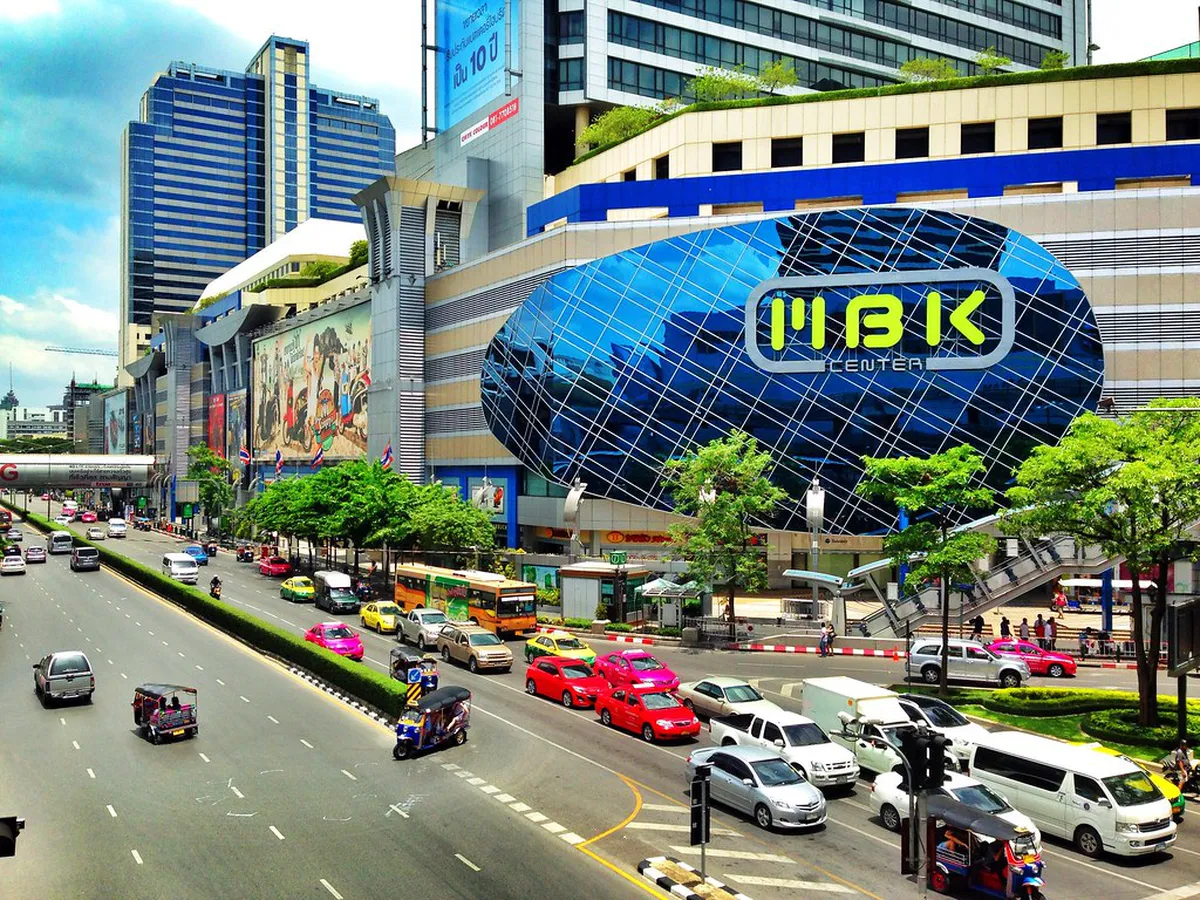
Featured image: Takeaway, CC BY-SA 3.0, via Wikimedia Commons.
Quick answer: is Thailand gluten free friendly?
Mostly yes for the base ingredients. Jasmine rice, sticky rice, rice noodles, grilled meat, fresh fruit and herb-heavy salads need no wheat. Problems start with seasoning. Cooks add soy sauce, oyster sauce and seasoning sauces by reflex, often from a bottle you never see. Planning a trip around a vegetarian diet? Our Thailand vegetarian food guide explains the wider dietary landscape. "No wheat ingredient" is not the same as "celiac-safe", because a shared wok can carry traces. Decide your own risk tolerance with your doctor before you fly. This page is travel guidance, not medical advice.
Hidden gluten in Thai food
Most gluten in Thai cooking arrives through sauces and prep methods rather than the main ingredient. Learn the usual routes and you can order around most of them. Soy sauce is the biggest one, since it is normally brewed with wheat. Oyster sauce and bottled seasoning sauces can also contain wheat. Fish sauce is often simpler, but brands vary, so ask for the bottle if you can. Vegetarian and mock-meat dishes often add wheat gluten, which is why "veg" never means gluten free. Jay food is a good example, and our jay food guide shows how strict meat-free eating still leans on wheat-based substitutes.

- Soy sauce and dark soy: brewed with wheat in most versions.
- Oyster sauce and seasoning sauces: frequent wheat carriers.
- Curry pastes: often homemade, but shop-bought pastes may include additives.
- Fried snacks: batters and shared oil can carry wheat.
- Egg noodles and wheat noodles: look for "bamee" on the menu and skip it.
- Sweets: some desserts use wheat flour or soy-based toppings.
Dishes to order, ask about or avoid
Use this triage as a starting point, and confirm each dish with the cook. Pad thai is the classic trap. Rice noodles are naturally wheat free, but the sauce and the shared wok decide whether it works for you. Rice noodle soups called "sen lek" or "sen yai" are easier to control than stir-fries. Skip anything built on egg noodles.
| Category | Dishes | Why |
|---|---|---|
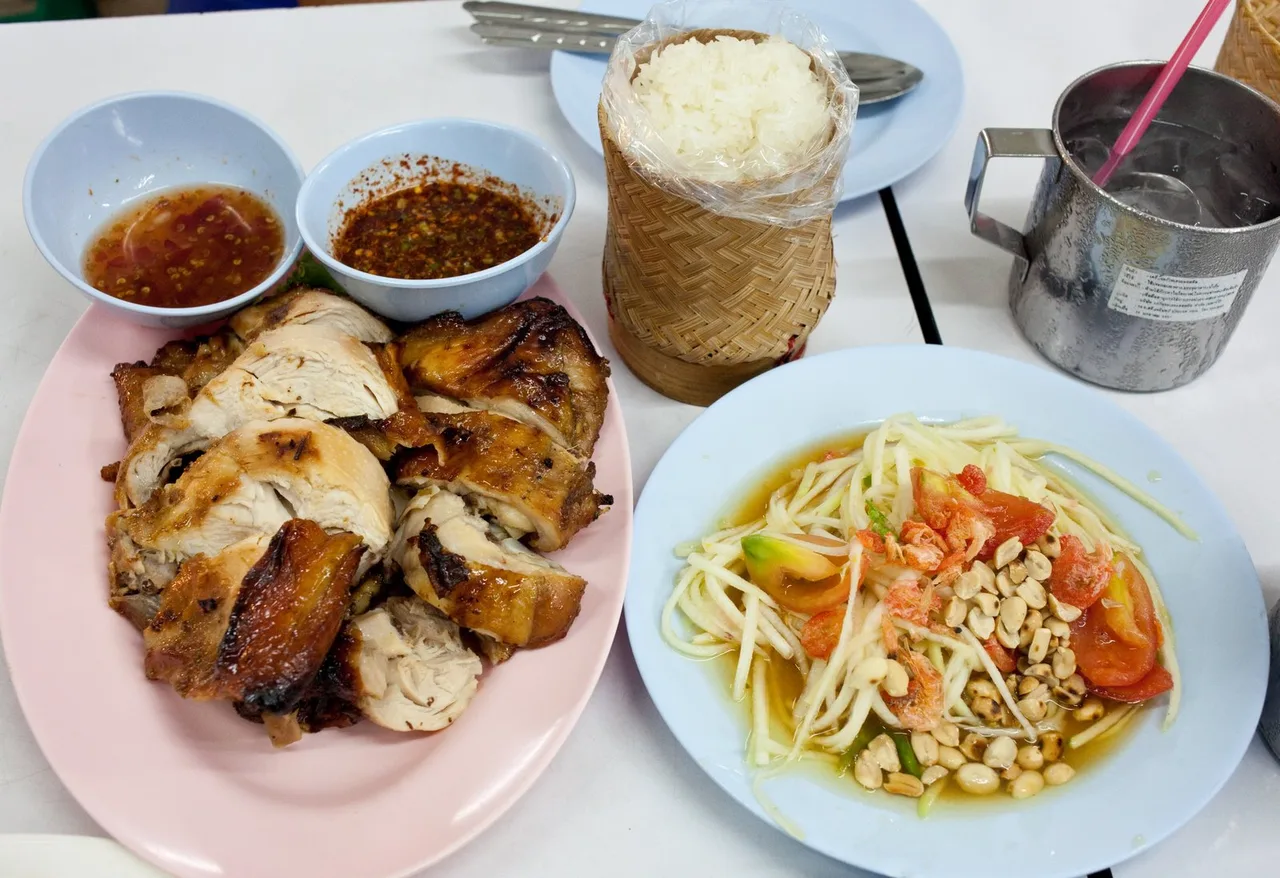
| Safer to start with | Plain steamed rice, grilled chicken, papaya salad without added sauces, fresh fruit, sticky rice with mango | Short ingredient lists you can check by sight |
| Ask first | Pad thai, green curry, red curry, fried rice, rice noodle soup, tom yum | Sauces, pastes and shared woks vary by cook |
| Avoid | Egg noodle soup (bamee), fried snacks in batter, mock-meat dishes, dumplings | Wheat is usually part of the dish |
How to ask for gluten-free food in Thai
Say what you cannot eat, then name the sauces. Cooks understand "no soy sauce" faster than "no gluten". Print a card and have a Thai speaker check the wording before you travel. Show the card at each stall rather than relying on spoken phrases alone. A plant-based eater can find overlapping tips in our Thailand vegan guide.
- No soy sauce: ไม่ใส่ซีอิ๊ว (mai sai si-io)
- No oyster sauce: ไม่ใส่น้ำมันหอย (mai sai nam man hoi)
- No wheat: ไม่กินข้าวสาลี (mai gin khao saa-lee)
- Rice noodles only: เส้นข้าว (sen khao)
Typical costs and where to save money
These are rough editorial planning ranges for November 2026, not quoted menu prices. A street stall plate of rice or rice noodles runs about ฿50 to ฿80. A casual restaurant meal is around ฿120 to ฿250. Hotel or international restaurants often start near ฿400 and can pass ฿900 per person. A day of market fruit, grilled meat and rice for self-catering is roughly ฿100 to ฿200. Check local menus, since prices shift by city and island. Higher prices do not guarantee gluten-free cooking. Halal restaurants can help here because they already keep ingredient lists strict, as our Thailand halal food guide explains.
| Option | Rough cost per meal | Safety trade-off |
|---|---|---|
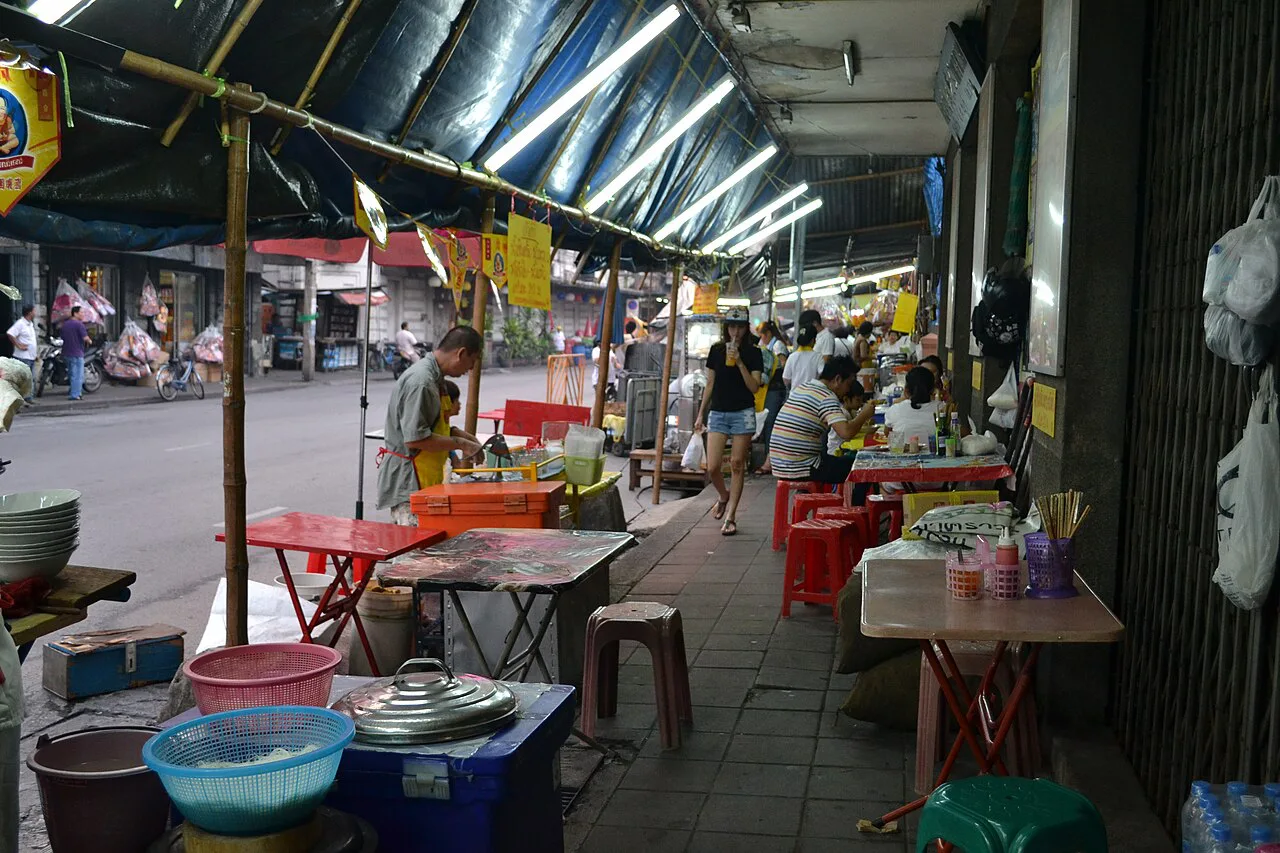
| Street stall | ฿50 to ฿80 | Cheap and varied, but shared woks and unseen sauces |
| Casual restaurant | ฿120 to ฿250 | Staff can often check ingredients if you show a card |
| Hotel or international kitchen | ฿400 to ฿900 | More likely to handle allergy requests, but verify |
| Self-catering with market food | ฿100 to ฿200 per day | Safest control, needs kitchen access and effort |
What is worth paying for
Spend extra where someone can discuss ingredients with you. A restaurant that answers questions about sauces is worth an extra ฿100 or so per plate. Hotel kitchens in Bangkok and on larger islands may accept allergy notes in advance. Message ahead when you book. Delivery apps let you read ingredient notes and message the shop, which helps when you feel unsure. Pack a few gluten-free snacks for flights and long road days, since remote areas have fewer options.
Casual restaurants at ฿120 to ฿250 a meal sit well above street stalls, so spend that margin on a kitchen that will answer your card.
Sample one-day eating plan
This plan keeps risk low and spend near ฿350 to ฿500 for the day, using the ranges above.
Dinner at about ฿200 is the costliest slot, so that is where a card and a sauce question earn their keep; the other meals run about ฿50 to ฿70.
- Breakfast: fresh fruit and boiled eggs from a market stall, about ฿50.
- Lunch: rice noodle soup with no soy sauce, ordered with your card, about ฿70.
- Snack: grilled corn or sticky rice with mango, about ฿60.
- Dinner: grilled fish or chicken with plain rice at a casual restaurant, about ฿200.
Mistakes to avoid and when to see a doctor
Do not assume vegetarian equals safe. Do not trust a dish because it looks like rice. Avoid eating only from busy fried-food stalls if you have celiac disease. If symptoms start, stop eating the suspect food and drink water. Seek care at an English-language hospital or clinic in Bangkok or your island hub if you feel seriously unwell. Carry travel insurance details and any medication you normally use.
For trip-planning details, see MICHELIN Guide Thailand.
Frequently Asked Questions
Is food in Thailand gluten free?
Not by default. Rice, rice noodles and fresh produce are naturally gluten free. Soy sauce, oyster sauce and shared woks can add gluten, so ask about each dish.
Why is curry not gluten free?
The curry itself often is, since coconut milk and herbs contain no wheat. Gluten can enter through shop-bought pastes, added sauces or thickeners. Ask the cook what goes into the pot.
Thai food notes for your next trip
Optional updates to our food guides.
You might also like
Continue reading
More guides you'll find useful