Vegetarian Cooking Class in Bangkok: How to Choose (2026)
Choosing a vegetarian or vegan Thai cooking class in Bangkok? Compare formats, what to ask about fish sauce and pastes, logistics, and booking tips.
On this page
Last updated November 2026: a vegetarian cooking class in Bangkok is realistic, but only if the school can swap out fish sauce, shrimp paste, and oyster sauce. Many schools can run a vegetarian or vegan menu. Results depend on your notice, on how the kitchen handles hidden animal ingredients, and on the class format you pick.
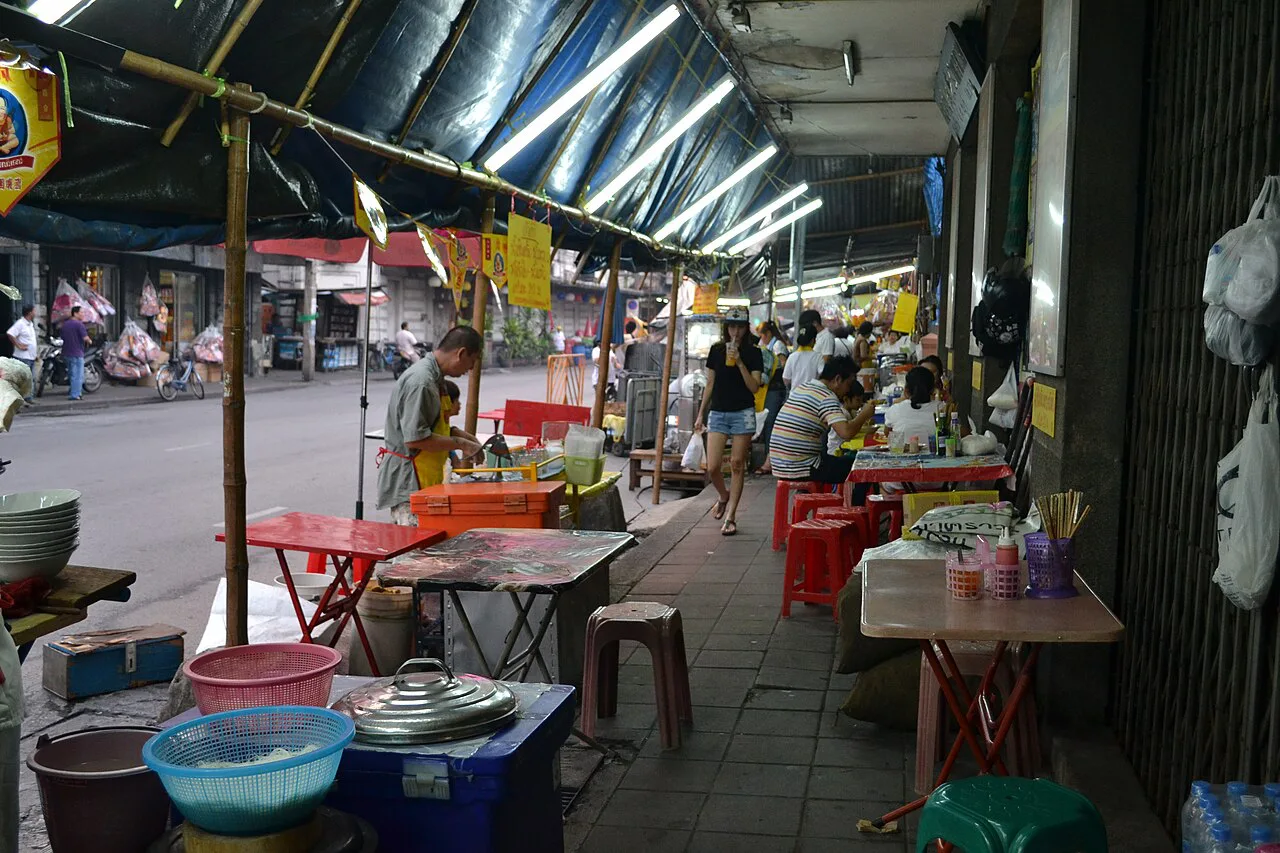
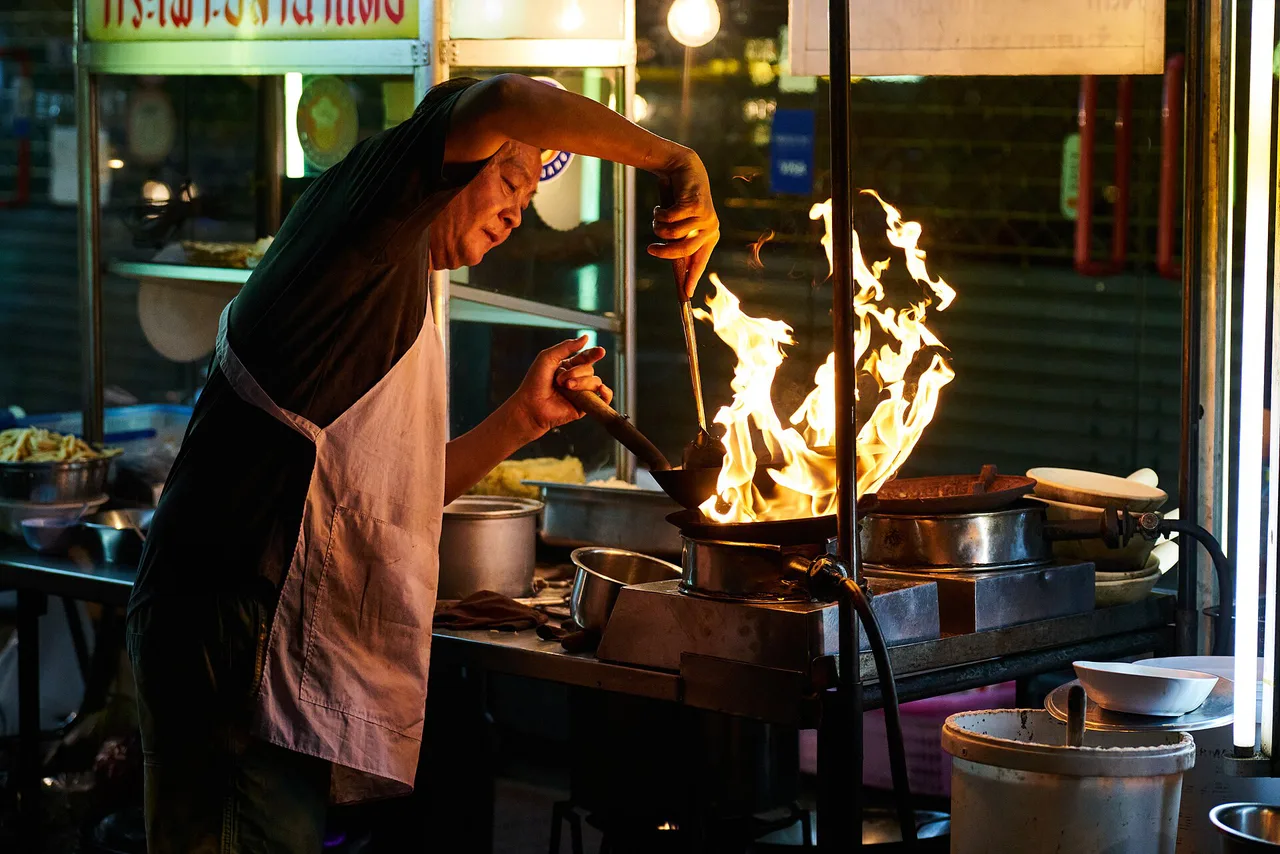
Featured image: Krista, CC BY 2.0, via Wikimedia Commons.
Vegetarian Cooking Class in Bangkok: The Quick Answer
Yes, many Bangkok schools can cook a vegetarian or vegan menu. Treat that as a starting point rather than a promise. Market-tour classes, home kitchens, and evening classes each handle dietary requests differently. Standard Thai recipes lean on animal-based seasonings, so a menu only works if the cook plans around them. Use the list below to confirm the details before you pay a deposit.
- Fish sauce: what replaces it in each dish?
- Shrimp paste: is the curry paste made fresh without it?
- Oyster sauce: which sauce goes into the stir-fries?
- Stock: is it vegetable, or chicken and pork?
- Egg and dairy: are they left out for vegan guests?
- Shared woks and utensils: is that acceptable to you?
What Vegetarian Means in a Thai Kitchen
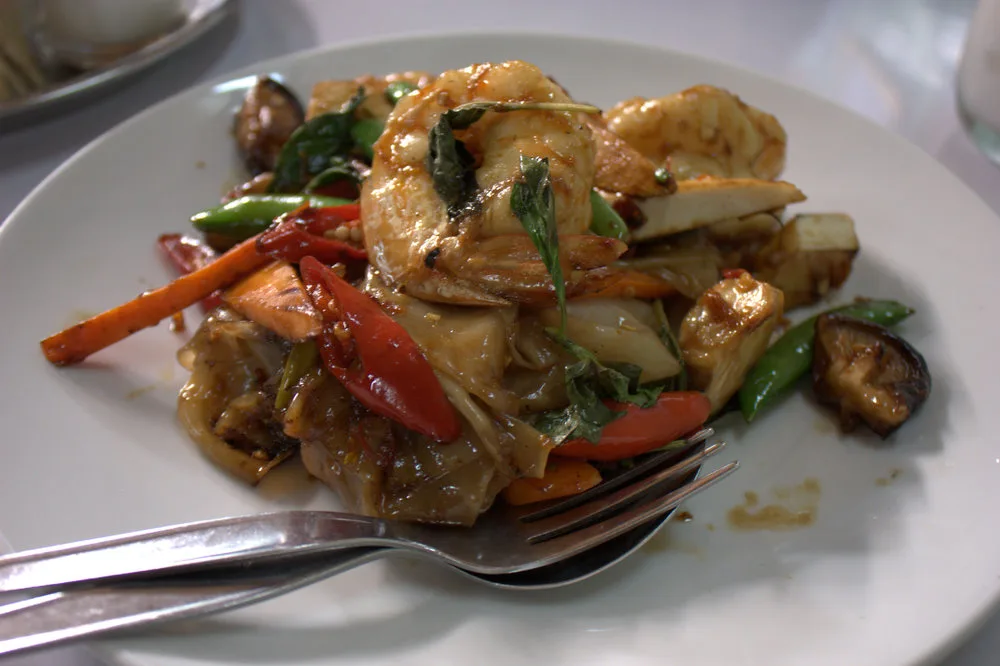
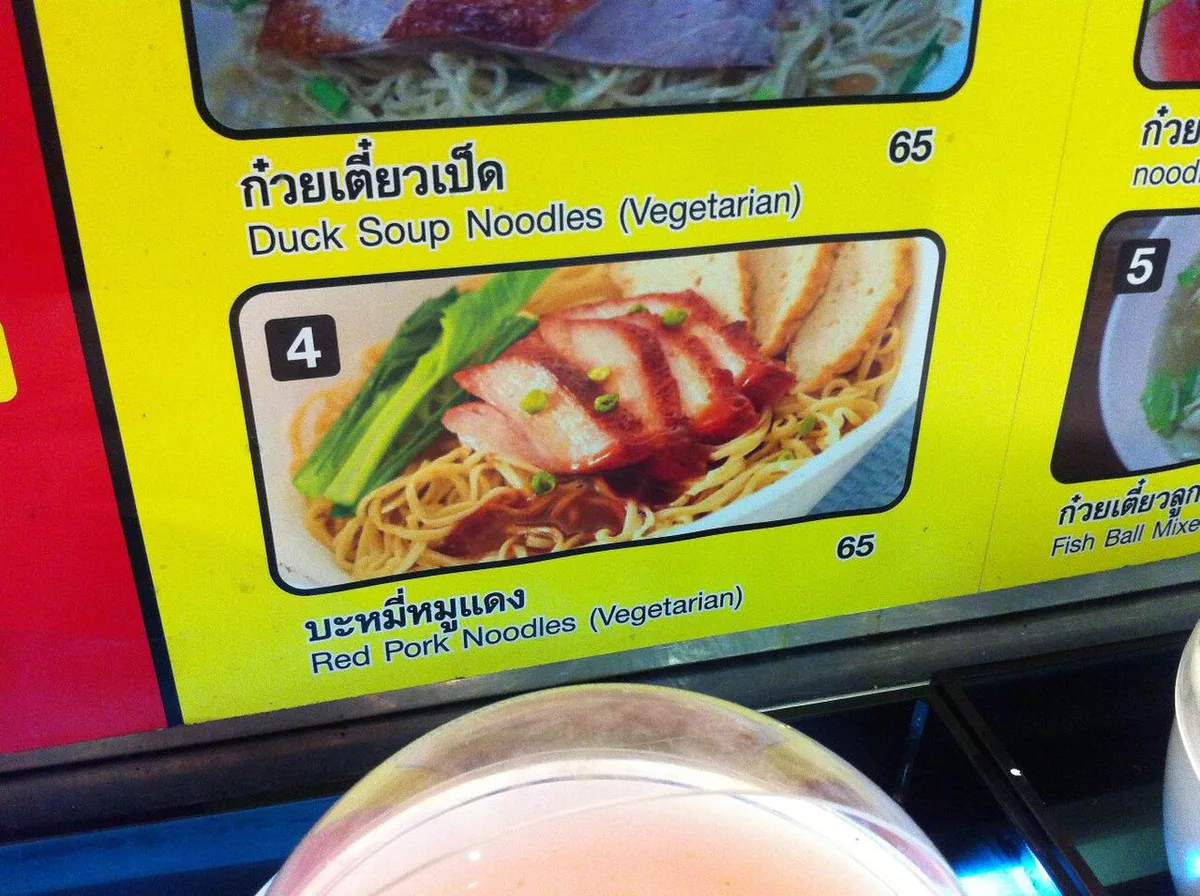
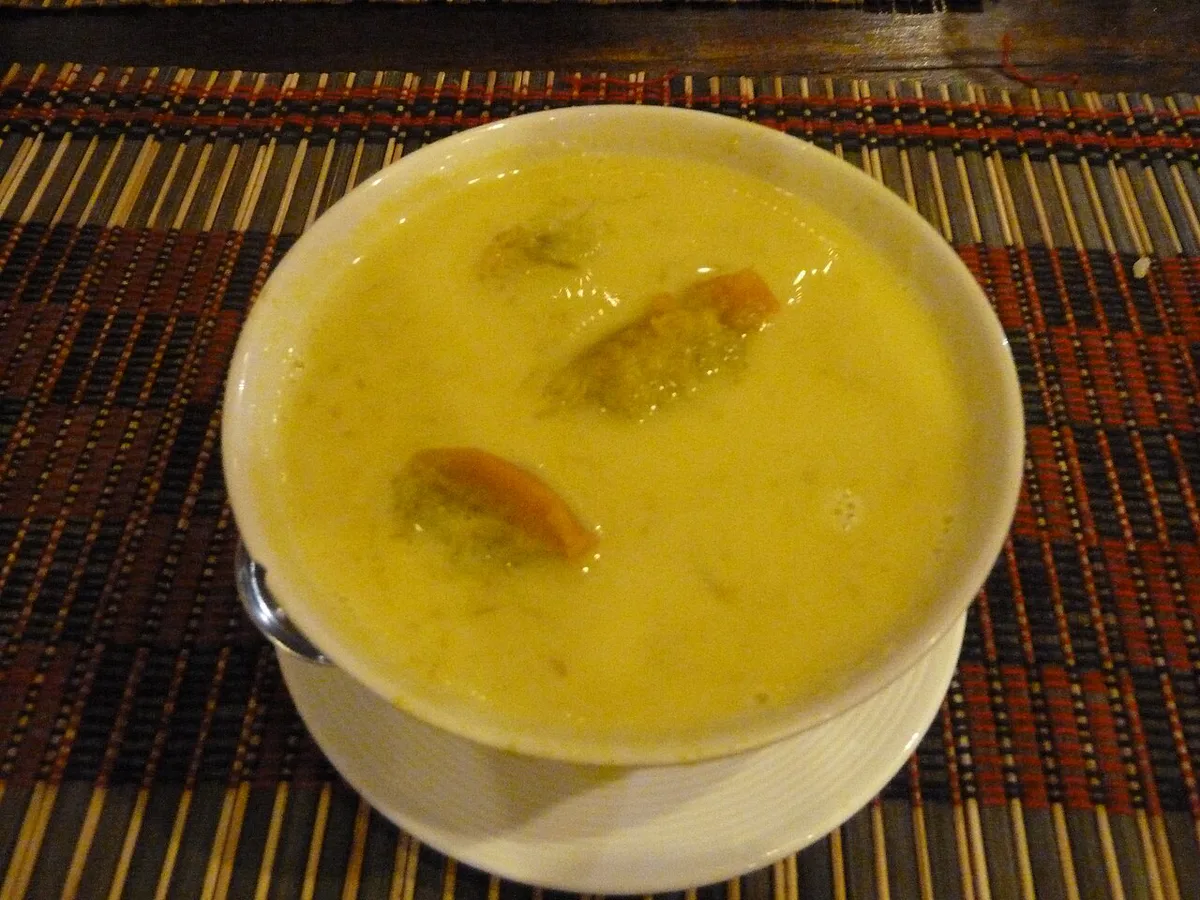
Thai home cooking relies on fish sauce for salt. Shrimp paste anchors many curry pastes. Oyster sauce shows up in stir-fries and noodle dishes. A dish called vegetarian can still contain all three. Vegan cooking goes further and removes egg and dairy as well. That gap explains most dietary mix-ups in cooking classes. Schools that handle it well tend to use soy sauce or a mushroom-based seasoning in place of fish sauce and oyster sauce. They pound curry paste fresh without shrimp paste. Tofu or mushrooms stand in for meat. Ask which swaps your class uses. Thailand also has jay (เจ) cooking, a vegetarian tradition that avoids meat and other animal products. Its exact rules differ by cook and by occasion. Ask any school offering jay food what its version excludes.
Types of Vegetarian Cooking Classes in Bangkok
Class formats differ more than menus do. Hands-on classes put a wok in your hands. Demonstration classes suit guests who prefer to watch and then eat. Group sessions cost less per person. Private sessions let the cook rebuild the whole menu around vegan rules. More dishes means a longer session and more chances for a stray ingredient. For a wider look at the options, read our guide to other Thai cooking class formats. The table compares the five most common setups for vegetarian guests.
| Format | Best for | Time commitment | Cost level | Vegetarian caveat |
|---|---|---|---|---|
| Market tour plus class | First-timers who want to learn ingredients | Half-day | Mid | Market route passes meat and fish stalls |
| School class, no market | Guests who dislike wet markets | Shorter | Budget to mid | Ingredients are pre-bought, so ask what is stocked |
| Home kitchen | Small groups and personal attention | Half-day | Mid | Quality depends on one cook's habits |
| Evening class | Travelers with busy mornings | Shorter | Mid | Check whether sauces are prepared in advance |
| Private class | Strict vegans and families | Flexible | Premium | Best control, highest price per person |
Market Tours as a Vegetarian
Many Bangkok classes open with a market walk. Khlong Toei Market appears in several market-tour listings. Wet markets sell meat and fish alongside produce. Expect raw seafood, chilled counters, and slick floors. Strict vegetarians can still join. Ask the guide to focus on herbs, vegetables, tofu, and fresh curry pastes. Wear closed shoes and light clothing. One listed class sits within walking distance of Wat Pho, so confirm the meeting point on the operator's page. If the stalls feel like too much, pick a school class where the staff shop for you.
How to Choose by Traveler Type
Match the class to who is traveling. First-timers usually learn more from a market-tour class, because shopping teaches the ingredients. A school class is easier if wet markets bother you. Guests who want to eat rather than cook might prefer a food tour built around eating.
- Strict vegan: book a private or small-group class and name egg, dairy, honey, and fish sauce in writing.
- Flexible vegetarian: a group class with substitutions for fish sauce and shrimp paste is enough.
- Pescatarian: some schools build menus around seafood, so say that fish is fine.
- Family: pick a short daytime session and ask about children's participation.
- Solo traveler: a group class or home kitchen is an easy way to meet people.
- Short stay: choose one half-day class and skip anything needing a long transfer.
Where a Class Fits in Your Bangkok Itinerary
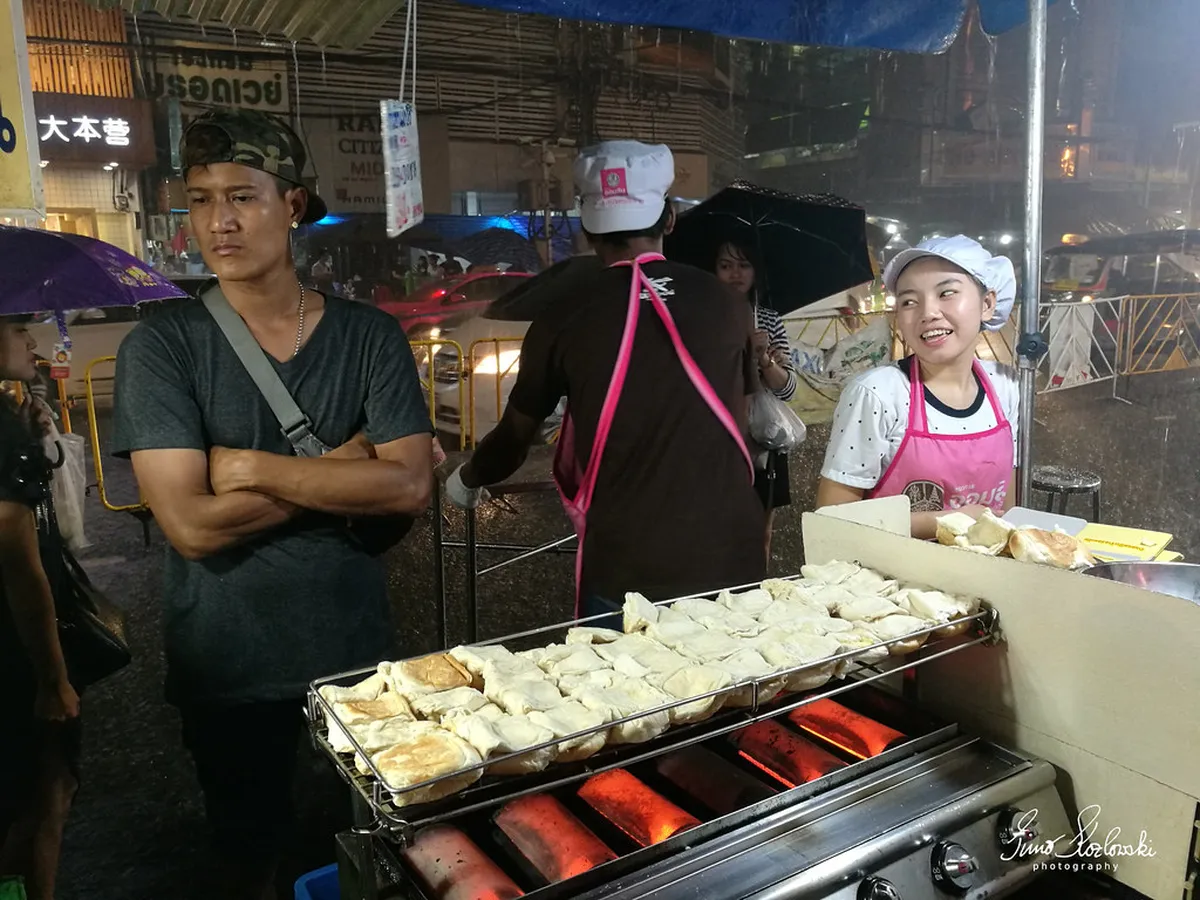
Plan a half-day for any class that includes a market. Morning sessions beat the midday heat and humidity. Bangkok traffic can still stretch the trip, so ask for the nearest BTS or MRT station or river pier when you book. Some operators offer hotel pickup, which saves transit time. Self-travel costs less. Avoid scheduling a morning class after a late night. Evening classes, including one listed in Silom, free your daytime for temples. Cooking and eating pair well. After a morning class, join an evening street food tour for dinner. Yaowarat suits a full food day, so pair a class with a Yaowarat food day. Confirm vegetarian options there in advance, especially during the annual vegetarian festival. For a sit-down dinner, browse the MICHELIN Guide Thailand listings.
Costs and What Is Included
Price follows inclusions. A market tour, hotel transfer, recipe booklet, and extra dishes each push a listing upward. Private sessions cost more per person than group classes. A shorter evening class without a market tends to sit at the lower end. Compare listings by what is bundled, not by headline price. Read the operator's own page for the current rate in baht, since marketplace listings can lag. Extras to watch for include drinks, transfers, and surcharges for private menu rebuilds. Spend where it protects your diet. A private class often costs more but lets the cook plan every sauce.
How to Book and Brief the Kitchen
Send your dietary note when you book, not on the morning of class. Notice periods differ by operator, so read the policy on the listing. Marketplace platforms add a risk, because your note may never reach the kitchen. Message the school directly to confirm it arrived. Read the cancellation terms, group size, and rules for children too. For a custom menu, a private food tour or a tuk-tuk food tour can follow strict dietary needs. A short message works best. Three lines is enough:
- I am vegan: no meat, fish, fish sauce, shrimp paste, oyster sauce, egg, or dairy.
- Please make curry paste without shrimp paste and use vegetable stock.
- Can you reply to confirm the menu and the meeting point?
Mistakes to Avoid
Most problems come from assumptions rather than bad kitchens. Read the dietary policy before paying, and keep the booking conversation in writing.
- Assuming vegetarian-friendly means vegan.
- Booking without a dietary note.
- Wearing sandals into a wet market.
- Scheduling a morning class after a late night.
- Forgetting to ask about shrimp paste in the curry paste.
Frequently Asked Questions
Is Thailand vegetarian?
Thailand is not vegetarian by default. Fish sauce, shrimp paste, and oyster sauce appear in many everyday dishes. Vegetarian food is easy to find, including jay-style cooking, but you still need to ask about hidden ingredients.
How much does it cost to attend a culinary school in Thailand?
A tourist cooking class and a professional culinary program are different products. Class rates depend on inclusions and group size, so read the operator's page for current baht prices. Professional programs publish their own fees.
Thai food notes for your next trip
Optional updates to our food guides.
You might also like
Continue reading
More guides you'll find useful