Royal Thai Cuisine: What It Is and How to Try It
Royal Thai cuisine explained: court origins, carving and presentation, how it differs from street food, and practical ways to try it in Thailand.
On this page
Last updated November 2026. Royal Thai cuisine is the refined cooking of the Thai court, known in Thai as ahan chao wang. This guide covers what sets it apart from everyday food, which dishes carry the label, and how to eat it in Thailand. It is about the cuisine, not a restaurant named Royal Thai, and it sits alongside our wider Thai food guide.
Featured image: Theerapon Bunnak, CC BY-SA 4.0, via Wikimedia Commons.

What Is Royal Thai Cuisine?
Royal Thai cuisine grew out of palace kitchens in Bangkok. Cooks there prepared food for royal households, where time, skilled labor, and presentation mattered more than speed. Dishes were meant to look composed and taste balanced rather than loud. Everyday Thai cooking pushes bold heat and strong contrasts. Court cooking aims for harmony, with sweet, salty, sour, and aromatic notes sitting closer together. Central Thai cooking is its main base. Much of what travelers call royal food is a restaurant interpretation of that tradition, and written records of palace recipes are patchy. Treat the term as a style, not a legally defined category.
What Makes It Different: Technique and Presentation
Three traits come up again and again in descriptions of court cooking. Presentation is the clearest one. Cooks carved fruit and vegetables into flowers and leaves, and they shaped small bites so a guest could eat them neatly. Texture is the second trait. Fillings are minced fine, and wrappers are thin and even. Flavor is the third. Many court-style dishes are gentler on chili, and aromatics such as jasmine-scented water or fragrant herbs often carry the dish instead. Carving and fine shaping are widely documented. Exact spice levels vary by cook and by restaurant. If you like milder food generally, our list of Mild Thai Dishes: What to Order If You Can't Handle Spice shows how the same restraint works in everyday cooking.

Dishes Associated With Royal Thai Cooking
Only a few dishes are tied to the court by name, and even those links are sometimes debated. Food historians disagree on which recipes began in palaces and which spread upward from ordinary kitchens. Use the list below as a starting point rather than a ruling.

- Chor muang: small steamed dumplings shaped like flowers, with a thin wrapper and a minced filling. They suit the court style because every piece is shaped by hand.
- Kanom jeeb: a dish of rice noodles served with a rich, seasoned sauce, often presented with fresh herbs and vegetables on the side.
- Carved fruit and vegetable plates: not one recipe but a display style. Look for them as a garnish or a centerpiece at formal meals.
Royal vs. Everyday Thai Food
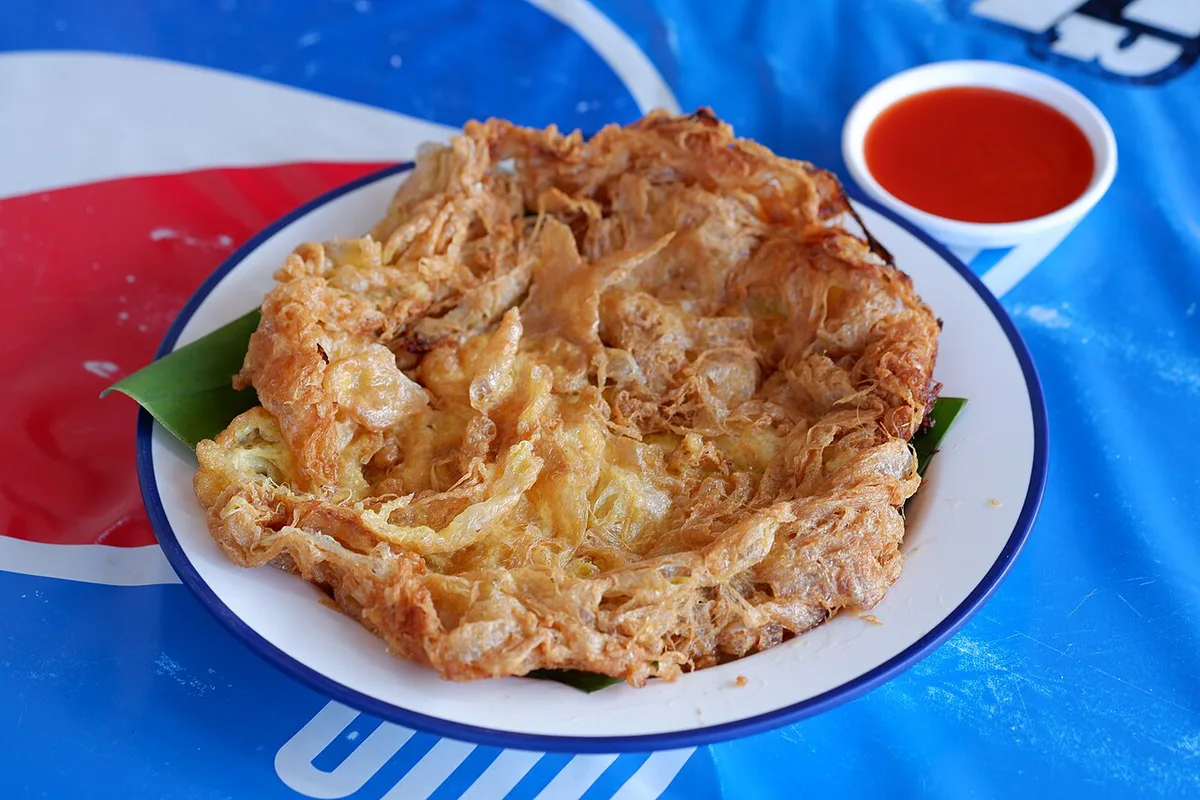
The contrast is easiest to see side by side. This table compares the court style with home cooking and street food, based on general patterns rather than strict rules.
| Trait | Royal / court style | Home cooking | Street food |
|---|---|---|---|
| Spice level | Gentler, balanced | Varies by household | Often bold and adjustable at the stall |
| Prep effort | High, much handwork | Moderate | Low per order, fast service |
| Presentation | Carved, shaped, arranged | Family-style sharing | Practical, served quickly |
| Typical setting | Heritage restaurant, hotel dining room, class | Family table | Market, roadside stall, food court |
| Where you find it | Mostly Bangkok | Anywhere you are invited | Every Thai town |
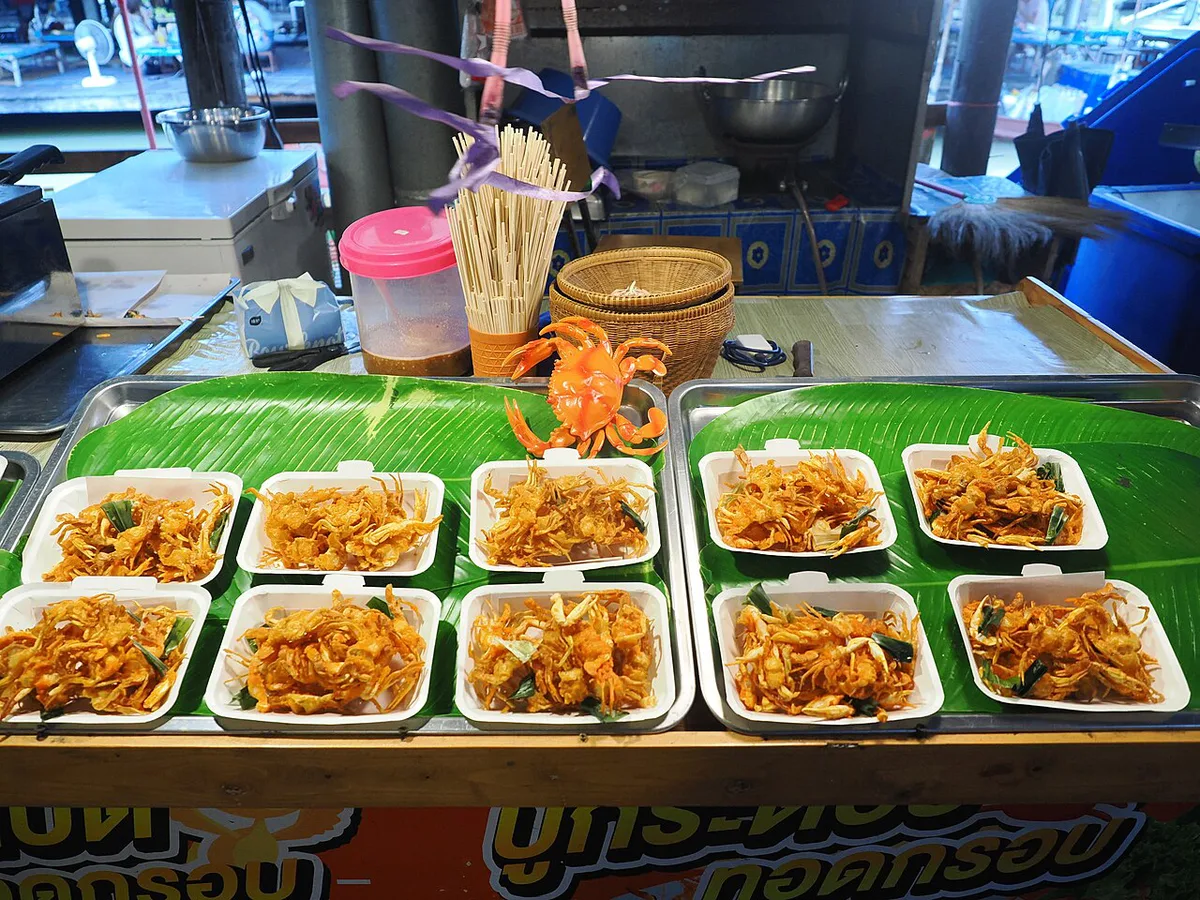
Where and How to Try It in Thailand
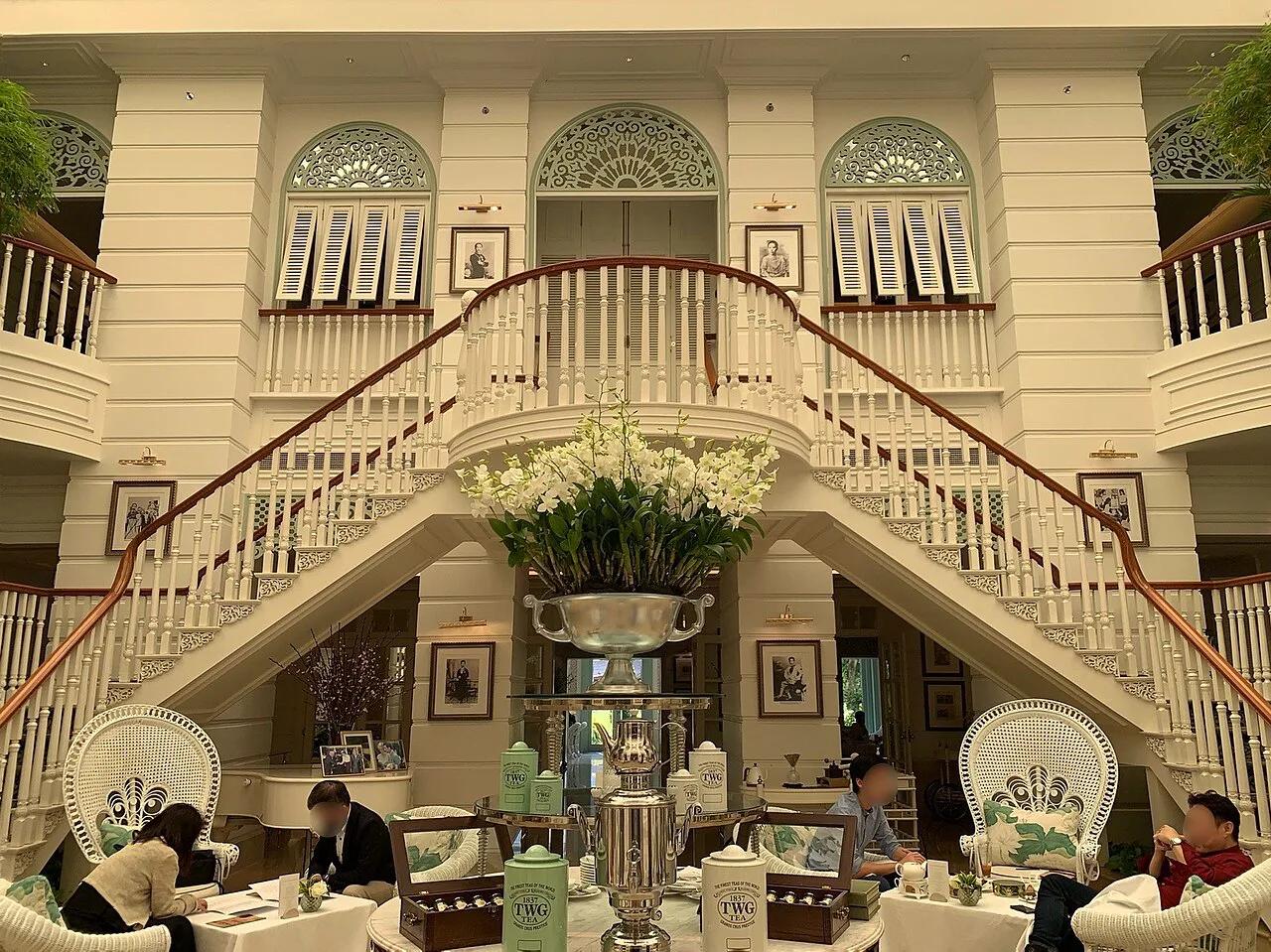
Bangkok is the natural base, since the palace kitchens were here. Start with the venue types, not a single name. Heritage restaurants serve court-inspired menus in traditional settings. Hotel dining rooms often run a refined Thai set menu. Cooking classes let you shape dumplings and try fruit carving yourself. For restaurant research, the Michelin Guide Thailand lists inspected restaurants you can filter by area. Ask whether the menu is a set tasting format, and ask which dishes use court recipes. Hours, dress code, and booking rules differ by venue, so check each one's own page before you go. Smart casual clothes cover most formal dining rooms.
- Suits you if: you enjoy detail, mild and aromatic food, and a seated meal.
- Suits you if: you want a hands-on class where you shape and carve food.
- Skip it if: you want strong chili heat at every bite.
- Skip it if: your itinerary leaves no room for a long sit-down meal.
Cost, Time and Access Trade-offs
Expect a clear ladder. Street stalls sit at the bottom for cost and time. Mid-range Thai restaurants come next, and some offer one or two court-style dishes. Fine dining and cooking classes cost the most and need advance planning. Book those ahead, because small dining rooms and class groups fill up. Current prices are on each venue's own site. Dietary needs deserve attention. Many dishes use shellfish, fish sauce, or shrimp paste, so ask before ordering. Our guide to Thai Vegetarian Dishes: What to Order and What to Check helps you name what to request.
Dishes to Pair With a Court-Style Meal
A formal meal often covers several categories at once. Small starters come first, and our page on Thai Appetizers: 10 Classic Starters and Ordering Tips shows which bites fit that role. Bite-size sweets and savory nibbles overlap with the street side, which you can compare in our Thai Snacks: Street Food to Try and Snacks to Bring Home guide. For a main course, curries are the clearest contrast between styles. Our breakdown of Types of Thai Curry: Green, Red, Massaman and More explains which are rich and mild and which are fiery. Soups, salads, and rice dishes complete the table, so browse Thai Soups Guide: What to Order and How Spicy They Are and Thai Rice Dishes: What to Order in Thailand to build a full order.
Mistakes to Avoid
Mild does not mean bland. Court cooking layers herbs and aromatics, so slow down and taste each component. Watch for the word royal on a sign. It is often a branding choice, so judge a restaurant by its menu, its technique, and what it tells you about its dishes. Do not expect street-stall labeling or fast service. Dress codes at palace-linked venues can be stricter than at ordinary restaurants. Finally, do not treat one dish as proof of the whole tradition. Sample a few small plates across the meal instead.
Thai food notes for your next trip
Optional updates to our food guides.
You might also like

Continue reading
More guides you'll find useful