8 Thai Food Categories to Try and How to Order
Learn eight essential Thai food categories, regional styles, how to order a shared meal and handle spice before you eat your way through Thailand.
On this page
Last updated November 2026: Thai food balances sweet, sour, salty and spicy flavors, centers on rice with shared dishes, and splits into five regional styles. This guide sorts the menu into eight dish categories. After that come regions, ordering, spice and where to eat. Each category links to a deeper guide.
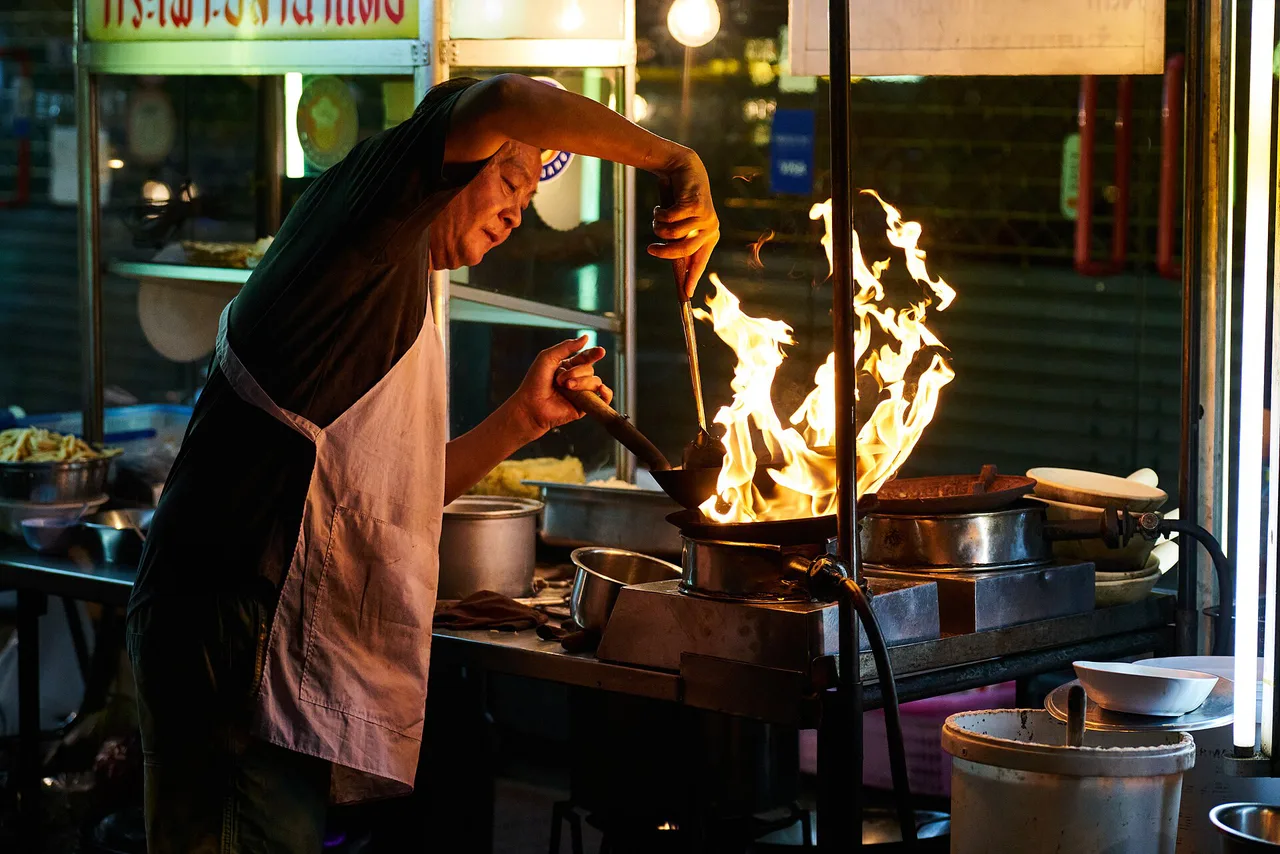
Featured image: Tonynirappathu, CC0, via Wikimedia Commons.
Thai Food at a Glance
Thai cuisine favors lightly prepared dishes built on fresh herbs, aromatics and chili heat. Traditional dishes fall loosely into four groups: tom (boiled dishes), yam (spicy salads), tam (pounded foods) and kaeng (curries). Stir-frying, deep-frying and steaming came into Thai cooking from Chinese cuisine. Rice sits at the center of every meal, and the Thai word khao means both rice and food. Regionally, Thailand is best read as five cuisines: Bangkok, Central, Isan, Northern and Southern. Chili peppers arrived from the Americas in the 16th or 17th century, so today's heat is a relatively recent chapter.
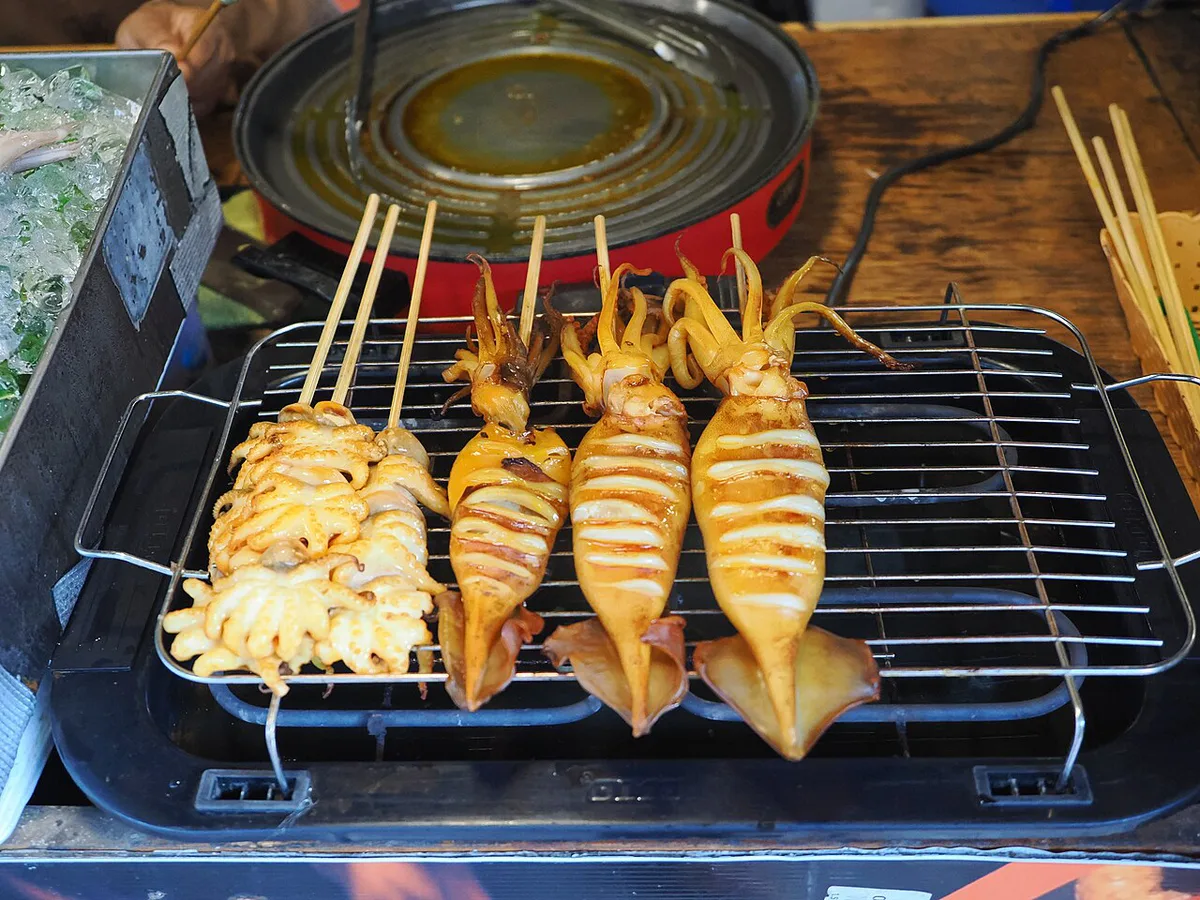
8 Must-Try Thai Food Categories
Eight categories cover most of what you will see on menus in Thailand. Pick one dish from several of them and you have a full table. Each entry below says what the category is, what to order and who might skip it.
1. Curries (kaeng)
Kaeng is the Thai word for curry, and it anchors one of the four traditional dish groups. Green curry and massaman curry both placed on CNN Travel's 2011 list of the world's 50 best foods, at 19th and 10th. Coconut milk shapes Central Thai versions, while Southern cooks lean on chilies and fresh turmeric.
Order curry with plain jasmine rice, which also tames the heat. Compare green, red and massaman in our Thai curry styles guide. Cautious eaters should ask about heat before ordering green or red curry.
2. Soups (tom)
Tom means boiled, and Thai soups arrive alongside the other dishes rather than as a first course. Tom yum kung, the shrimp soup with a spicy, sour edge, ranked 4th on that 2011 list. Tom chuet is the mellow alternative, a clear soup that rests the palate between spicy bites.
Browse more bowls in our Thai soup dishes guide. Anyone avoiding fish sauce or shrimp paste should ask how the broth is seasoned.
3. Rice dishes
Rice is the first and most important part of a Thai meal, and a common greeting is kin khao rue yang, meaning have you eaten rice yet. Thai fried rice placed 24th on the 2011 CNN Travel list. Jasmine rice (khao hom mali) is the everyday white rice, while sticky rice (khao niao) is rolled by hand and dipped into side dishes.
Single-plate meals suit solo diners, who can point at pre-made dishes and ask for them over rice. Our rice and fried rice dishes guide covers the options. Skip the single-plate format when you want to share a table of dishes.
4. Salads (yam and tam)
Yam are spicy salads, and tam are pounded foods built in a mortar. Som tam, the green papaya salad, ranked 6th on the 2011 list. Grilled chicken and sticky rice make a popular combination alongside it.
Fermented fish sauce (pla ra) is optional in som tam, so ask if you want it left out. See more options in our spicy salad guide. Skip these if chili is a problem, since many vendors make them properly hot.
5. Seafood
Fish, crustaceans and shellfish have long played an important role in the Thai diet. Seafood from the tropical seas of the southern half of the country features most on Southern menus. Inland cooks work with freshwater fish from rivers, lakes and paddy fields.
Look for whole fried or steamed fish and prawn dishes, usually served with a dipping sauce. Our seafood favorites guide goes deeper. Shellfish allergy sufferers should note that shrimp paste underpins many curry pastes.
6. Appetizers and dips
Nam phrik, a mashed chili relish, belongs to the dip-and-vegetables course that traditional meals treat as the most crucial element. It arrives with raw or blanched cucumber, cabbage and yard-long beans. Southern eateries often put a plate of raw vegetables and herbs on the table with nam phrik kapi.
Fried starters and curry puffs fill out the opening round at many restaurants. Find more in our starters and finger food guide. Skip nam phrik kapi if shrimp paste is a concern, since it is built on it.
7. Snacks
Snack culture lives at market stalls and food courts, where grilled and fried items come in small portions. Moo ping, grilled pork skewers, is typically paired with sticky rice. Grab one or two items per stall and keep moving instead of ordering a full plate.
Our street snacks guide lists more things to try. Skip heavy snacking before a sit-down meal, since restaurant dishes arrive together and in volume.
8. Breakfast
A common morning option is rice porridge in several forms. Khao tom is a thin rice soup, most often with minced pork or fish. Chok is a thick porridge flavored with broth and minced meat.
Khanom chin, fresh fermented rice noodles, is eaten with toppings such as green curry. See our morning meals guide for more. Skip this category if you want sweet pastries, which are not the norm.
Thai Food by Region
Thai food is more accurately five regional cuisines than one. Neighboring countries, climate and geography shape each. Use the table as a quick map of what to look for in each region.
| Region | What defines it | What to look for |
|---|---|---|
| Bangkok | Capital cooking with Teochew and Portuguese influences, sometimes shaped by palace cooking | Pad thai and a wide mix of national dishes |
| Central | Flat, wet rice plains where coconut milk is a major ingredient | Coconut-based curries and jasmine rice |
| Isan (Northeast) | Arid Khorat Plateau, influenced by Laos and Khmer cooking | Som tam with grilled chicken and sticky rice |
| Northern (Chiang Mai) | Cooler valleys and forested mountains, sharing many ingredients with Isan | Khao soi curry noodles and chili pastes such as nam phrik pla chi |
| Southern | Tropical seas on two sides, with liberal coconut milk and fresh turmeric | Complex curries, seafood and raw vegetables with nam phrik kapi |
How a Thai Meal Works
Thai meals typically center on rice with several dishes shared by everyone. All dishes arrive at once, soups included. Ordering more dishes than there are diners is customary. A traditional meal has at least five elements: a dip or relish, a clear soup, a curry, a deep-fried dish and a stir-fried dish. For two to four people, build one table from those pieces. Most Thais eat with a fork and spoon today. King Chulalongkorn introduced them after his European tour of 1897. Push food from the fork in your left hand onto the spoon in your right, and skip the knife. Sticky rice is shaped by hand, right hand only. Chopsticks mainly appear with Chinese-style noodle soups. Most restaurants also put a condiment set on the table. Expect fish sauce with chilies and lime, dried chili flakes, sweet chili sauce, sliced chilies in vinegar and sugar.

| Role | Sample dish | Why it works |
|---|---|---|
| Rice | Jasmine rice | Neutral base for every sauce |
| Dip | Nam phrik with raw vegetables | Cooling crunch beside rich dishes |
| Soup | Tom yum | Sharp flavor that resets the palate |
| Curry | Green curry | Coconut richness and herbs |
| Salad | Som tam | Sour, spicy contrast |
| Fried or stir-fried | Stir-fried pork or fried fish | Texture and salt |
Handling Spice and Dietary Needs
Plain rice, sticky rice and cucumber counter chili heat better than water. Tell the cook you want less chili when you order, and start with our milder dishes guide. Fish sauce and shrimp paste appear across Thai cooking, including curry pastes and many dips. Vegetarians should ask how a dish is seasoned, not just whether it contains meat. Our vegetarian options guide covers what to order. Goat, lamb and mutton are rarely eaten except by Muslim Thais in Southern Thailand, so halal diners may find more choice there. Anyone with a serious allergy should say so plainly at every stall.
Street Food, Food Courts and Restaurants
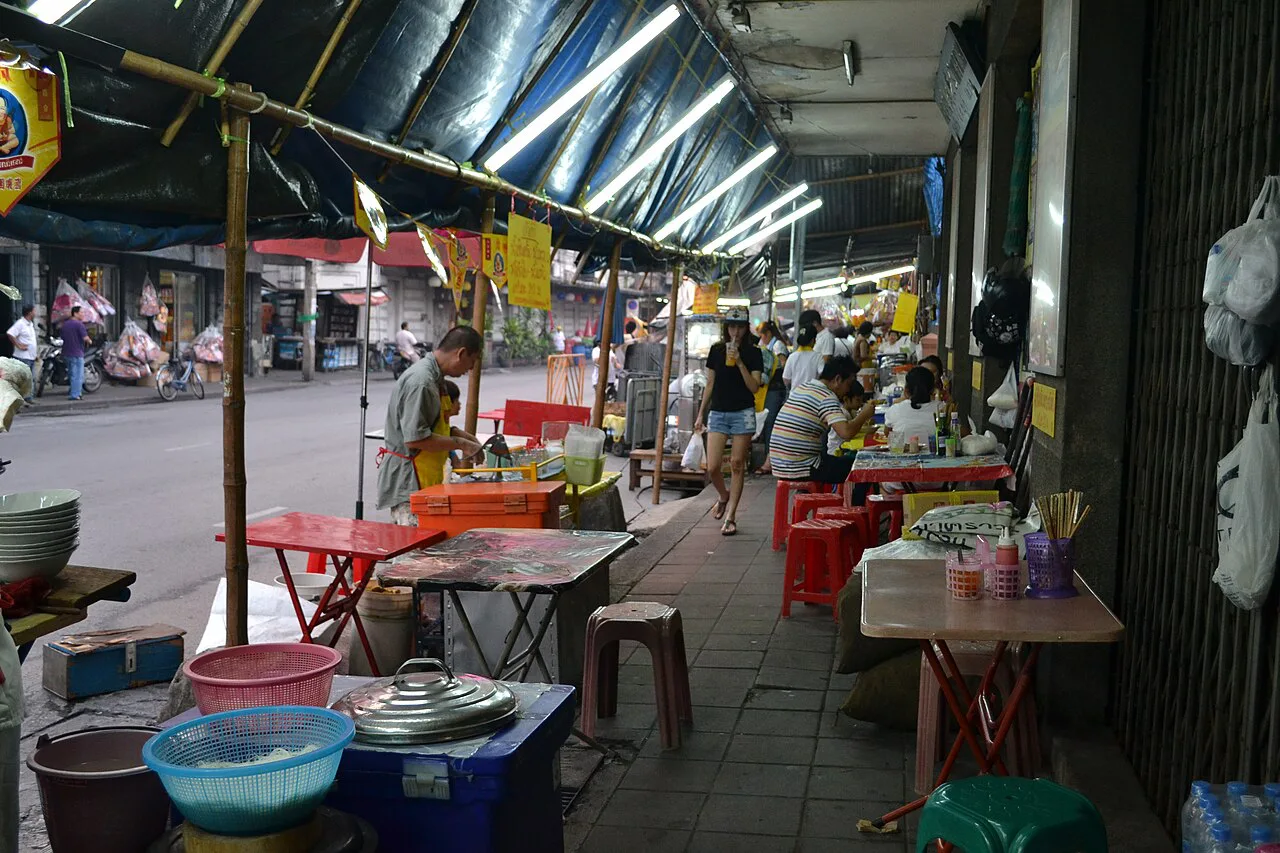
Shops that specialize in pre-made food display their dishes so you can point. Ask for rat khao to get them together on one plate with rice. Noodle dishes such as pad thai usually come as individual servings, not shared ones. For a sit-down meal, browse the Michelin Guide Thailand restaurant listings. At a stall, a busy queue and food cooked in front of you are good signs.
| Option | Speed | Cost level | Variety | Best for |
|---|---|---|---|---|
| Street stall | Fastest | Cheap | One or two specialties | Snacks and single dishes |
| Food court | Fast | Cheap to mid | Wide, many stalls | Groups who want different dishes |
| Sit-down restaurant | Slower | Mid to splurge | Full shared-table menu | Building a multi-dish meal |
Desserts and Drinks
Mango sticky rice is the best-known sweet, pairing ripe mango with coconut-flavored sticky rice. Black sticky rice, with its nutty flavor, is most often used in desserts. Rice flour and tapioca flour also thicken many sweets. Thai iced tea is a standard cold drink at stalls and cafes. Sangkhaya, a custard made with coconut milk instead of cow's milk, shows Portuguese influence from the 17th century.
Royal and Special-Occasion Cuisine
Royal Thai cooking traces back to the palace kitchens of Ayutthaya (1351 to 1767). Dishes associated with it include massaman curry and khao chae, rice in jasmine-flavored iced water. Chef McDang argues the difference from everyday food is mostly presentation and better ingredients. Read more in our palace-style cooking guide.
Massaman curry, ranked 10th on CNN Travel's 2011 list, is one of the dishes tied to palace cooking.
Common Mistakes to Avoid
Ordering only pad thai is the classic beginner move. Pick a salad, a soup and a curry as well. Assuming every curry is mild is another. Ask about heat first. Ordering one dish per person misses the point of a shared table. Order more dishes than diners, as locals do. Ignoring the condiment set leaves flavor on the table, since you adjust each plate yourself. Finally, do not assume a vegetarian-looking dish is free of fish sauce or shrimp paste.
Chilies reached Thai cooking in the 16th or 17th century, so the fire in many dishes is a relatively recent layer.
Frequently Asked Questions
What are typical Thai foods?
Typical Thai meals pair rice with shared curries, soups, salads, dips and fried or stir-fried dishes. Breakfast often means rice porridge, and snacks include grilled skewers with sticky rice.
What are the 7 most popular Thai meals?
CNN Travel's 2011 world's 50 best foods list included seven Thai dishes. They were tom yum kung, pad thai, som tam and massaman curry. The list also had green curry, Thai fried rice and nam tok mu.
Explore More Guides
Keep planning your trip with these guides.
Guides
- Types of Thai Curry: Green, Red, Massaman and More
- Thai Soups Guide
- Thai Rice Dishes: What to Order in Thailand
- Thai Salads: 10 Dishes to Know and How to Order
- Thai Breakfast: 8 Dishes and How to Order Them
- Thai Snacks: Street Food to Try and Snacks to Bring Home
- Mild Thai Dishes: What to Order If You Can't Handle Spice
- Thai Seafood Dishes: What to Order and How They Taste
- Thai Appetizers: 10 Classic Starters and Ordering Tips
- Thai Vegetarian Dishes: What to Order and What to Check
- Royal Thai Cuisine: What It Is and How to Try It
Thai food notes for your next trip
Optional updates to our food guides.
You might also like
Continue reading
More guides you'll find useful