Thai Beer Guide: Singha vs Chang vs Leo
Which Thai beer should you order? Compare Singha, Chang and Leo, learn where to buy and drink them, and avoid common traveler mistakes.
On this page
Last updated November 2026: Thai beer mostly means three pale lagers, Singha, Leo and Chang, each around 5% ABV. Body, bitterness and price tier set them apart, and the table below sorts them in seconds. Use our guide to Thai drinks for everything else you can order in Thailand.
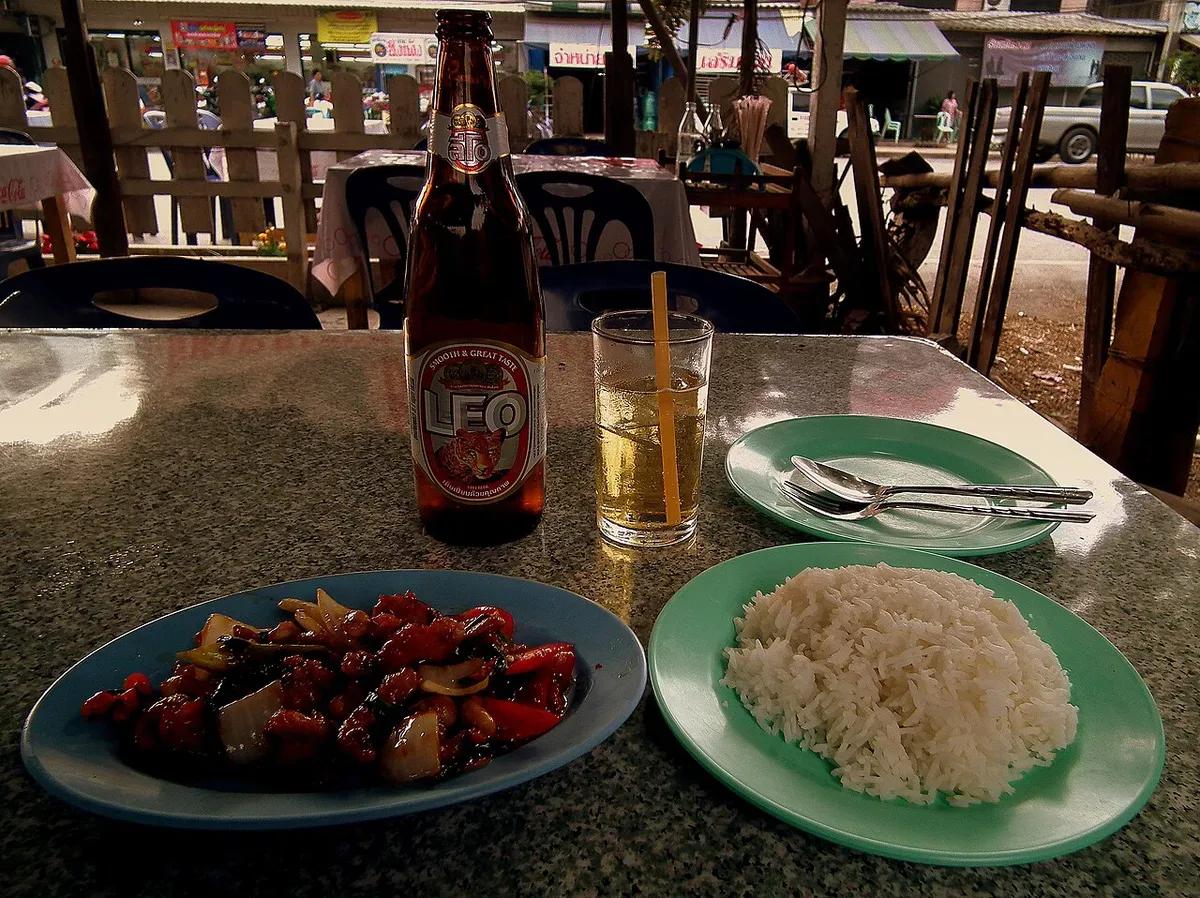
Featured image: calflier001, CC BY-SA 2.0, via Wikimedia Commons.
Thai Beer at a Glance
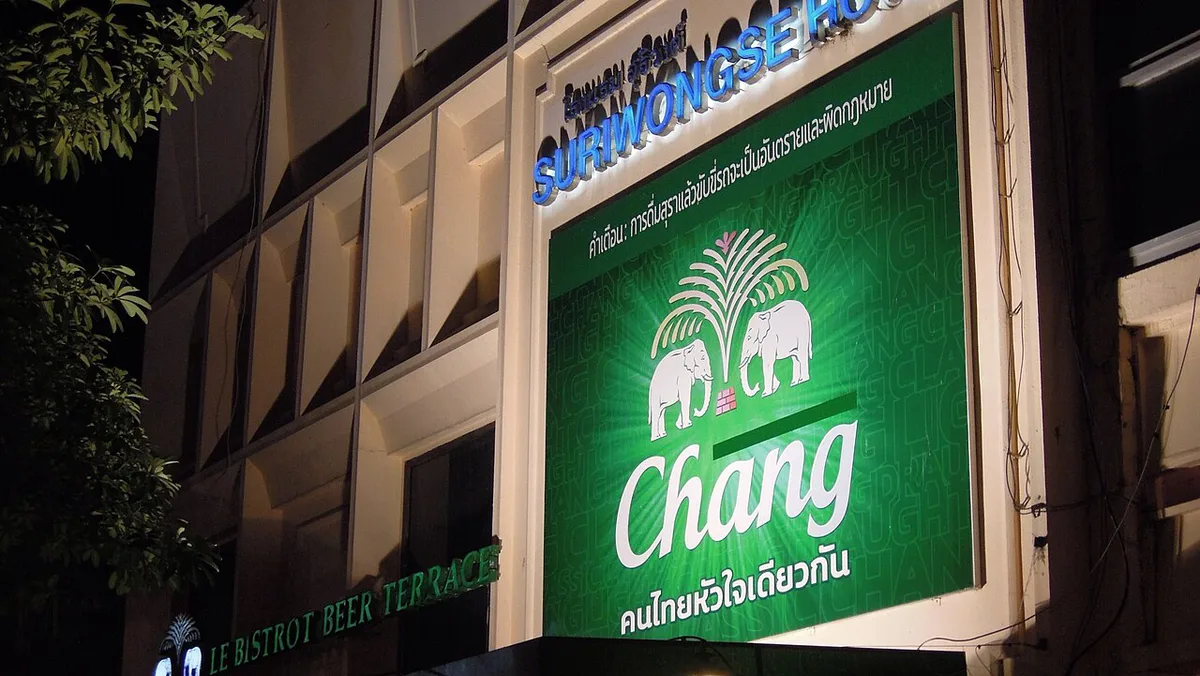
Singha, Leo and Chang are Thailand's mass-market lagers, often called the Big Three. Boon Rawd Brewery makes Singha and Leo. Singha is sold as a standard 5% ABV lager, a 4.5% light version and a draught version. ThaiBev is the company behind Chang. Descriptions below are how these beers are commonly described, and price tiers are relative to each other in November 2026.
Boon Rawd makes Singha and Leo, and no beer was brewed locally in Thailand before 1933.
| Beer | Commonly described as | Price tier | Best for |
|---|---|---|---|
| Singha | Rich, malty, creamy | Pricier of the Big Three | Spicy curries and soups |
| Chang | Brighter, more bitter, fuller than Leo | Cheaper | Drinkers who like some hop bite |
| Leo | Light, little bitterness | Between the two | Hot afternoons, easy sipping |
| Archa | Mass-market, non-premium lager | Budget | Cost-conscious rounds |
| Phuket Lager | German-style lager | Varies by region | Seafood, beach evenings |
- Want richness with spicy food? Order Singha.
- Want a brighter, bitter finish? Order Chang.
- Want the lightest, easiest option? Order Leo.
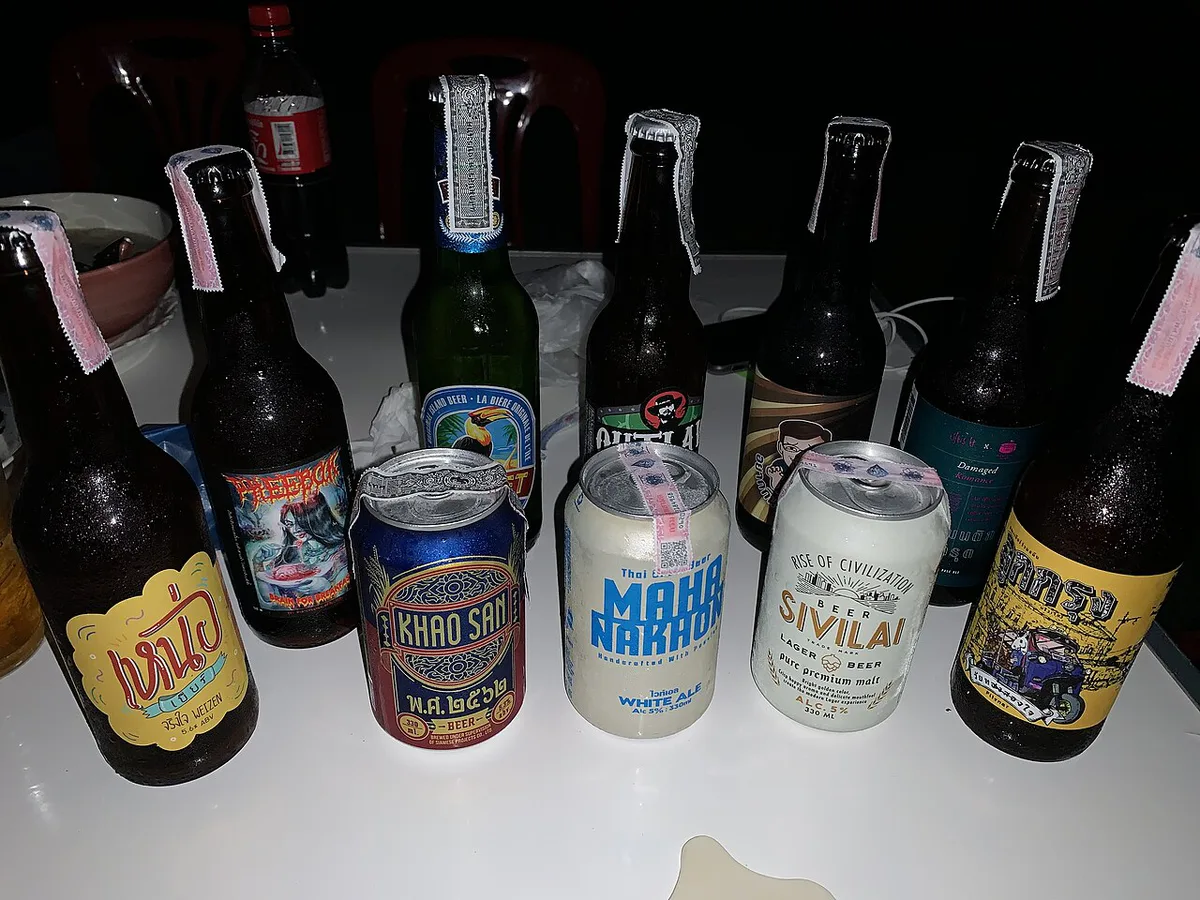
- Want something different from the Big Three? Look for Phuket Beer or Archa.
Singha, Chang and Leo: How They Differ
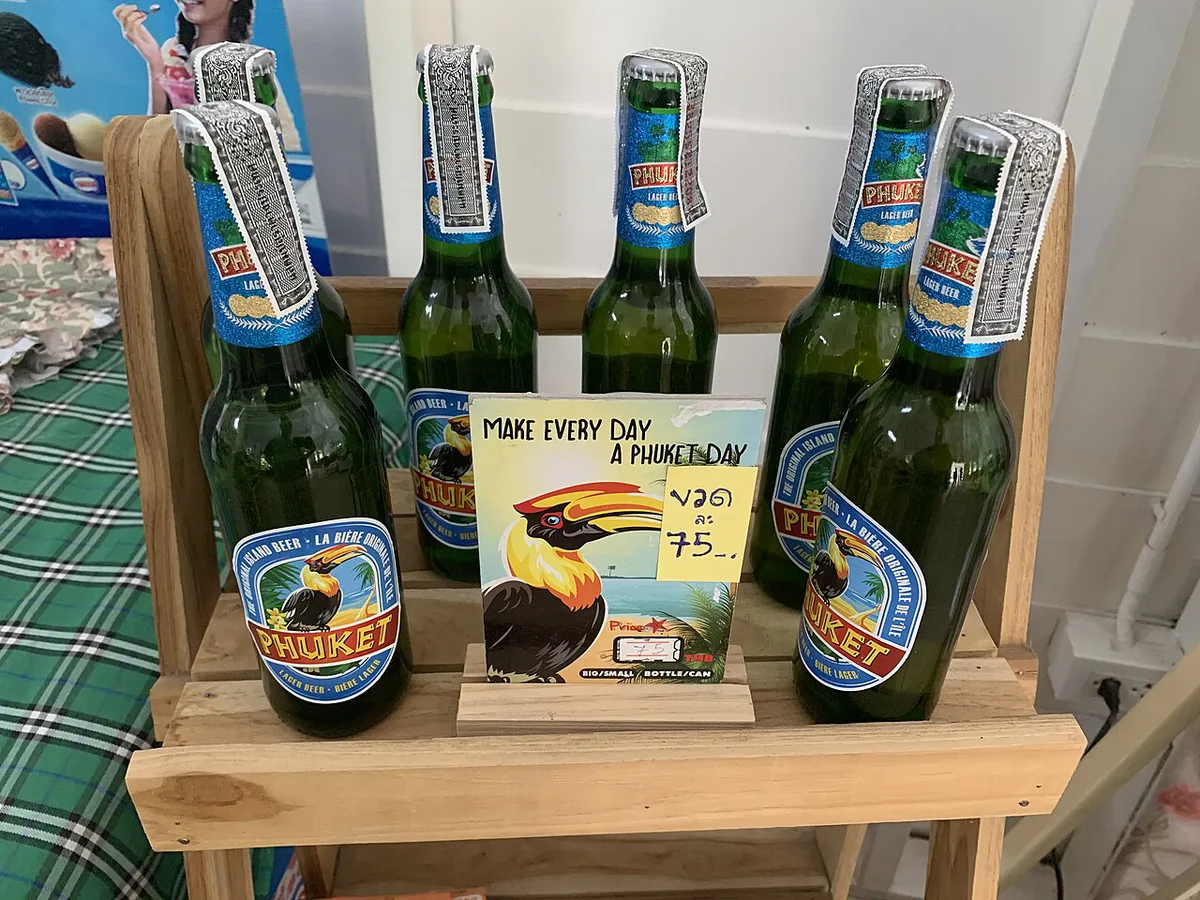
All three sit near 5% ABV, so strength rarely decides the choice. Richness does. Singha is commonly described as the creamiest and most malty. Chang launched in 1995 and is usually described as brighter, with more hop bitterness. Leo arrived in 1999 as a lighter, more affordable Boon Rawd brand. Rankings of which one sells most vary by source and year, so treat any single market-share claim with caution.
- Singha Beer in Thailand: Taste, ABV & How to Order: the original Boon Rawd lager, best with strong flavors.
- Chang Beer: Taste, ABV & How It Compares in Thailand: the value pick with more bitterness.
- Leo Beer in Thailand: Taste, Price and Leo vs Chang: the lightest of the three, with next to no bitterness.
Other Thai and Thai-Brewed Beers
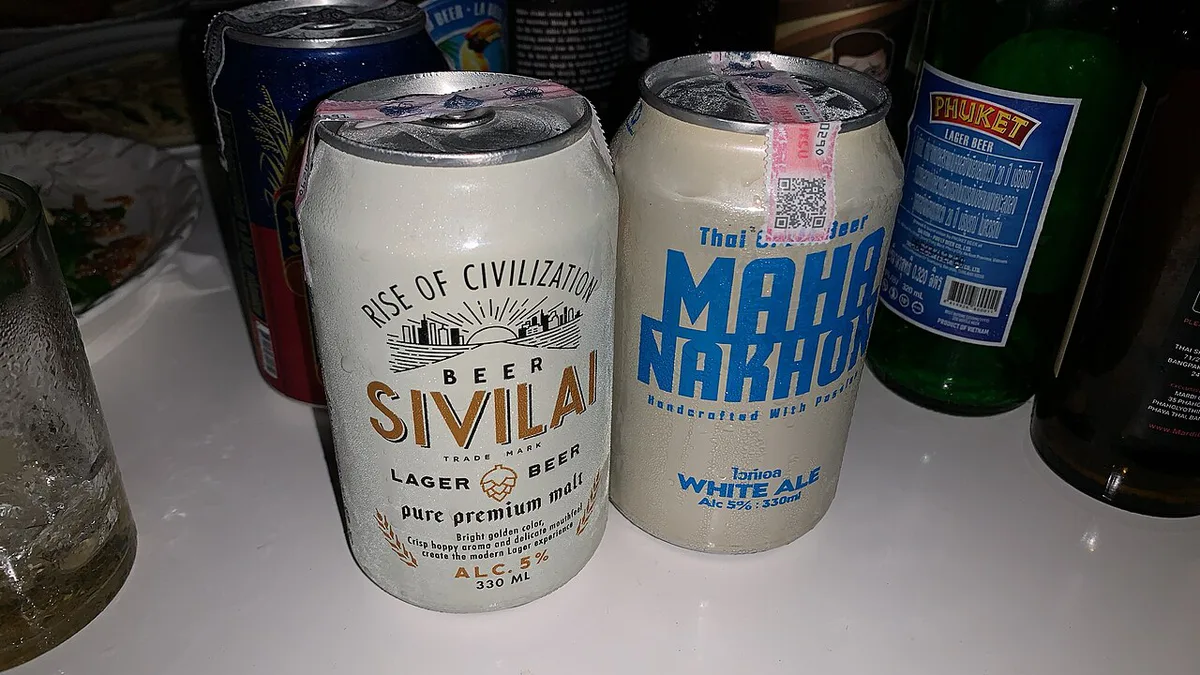
Beyond the Big Three, Archa is a mass-market lager from ThaiBev. Federbräu is also associated with ThaiBev. Kloster is a Thai-brewed lager in a German style, and Phuket Beer comes from the island of the same name. Availability varies by region, so a bar in Bangkok may not stock what a beach shack in Phuket pours. Thai Asia Pacific Brewery has brewed Heineken at Nonthaburi since 1995, plus Tiger and Cheers. Its Cheers X-Tra is reported at 6.5% ABV, so read labels on stronger cans. Import duties of up to 60% have been cited as one reason foreign beer is less common. Rules change, so treat that figure as dated. Draught beer in most places is therefore Thai or Thai-brewed.
A Short History of Beer in Thailand
No beer was brewed locally before 1933. That year Boon Rawd Brewery received a licence and began producing Singha. Chang followed in 1995 and Leo in 1999. Two large producers still dominate, and licensing has historically favored big operations over small ones. That history explains why the shelves look so similar from Chiang Mai to Krabi.
Where and How to Drink Beer in Thailand
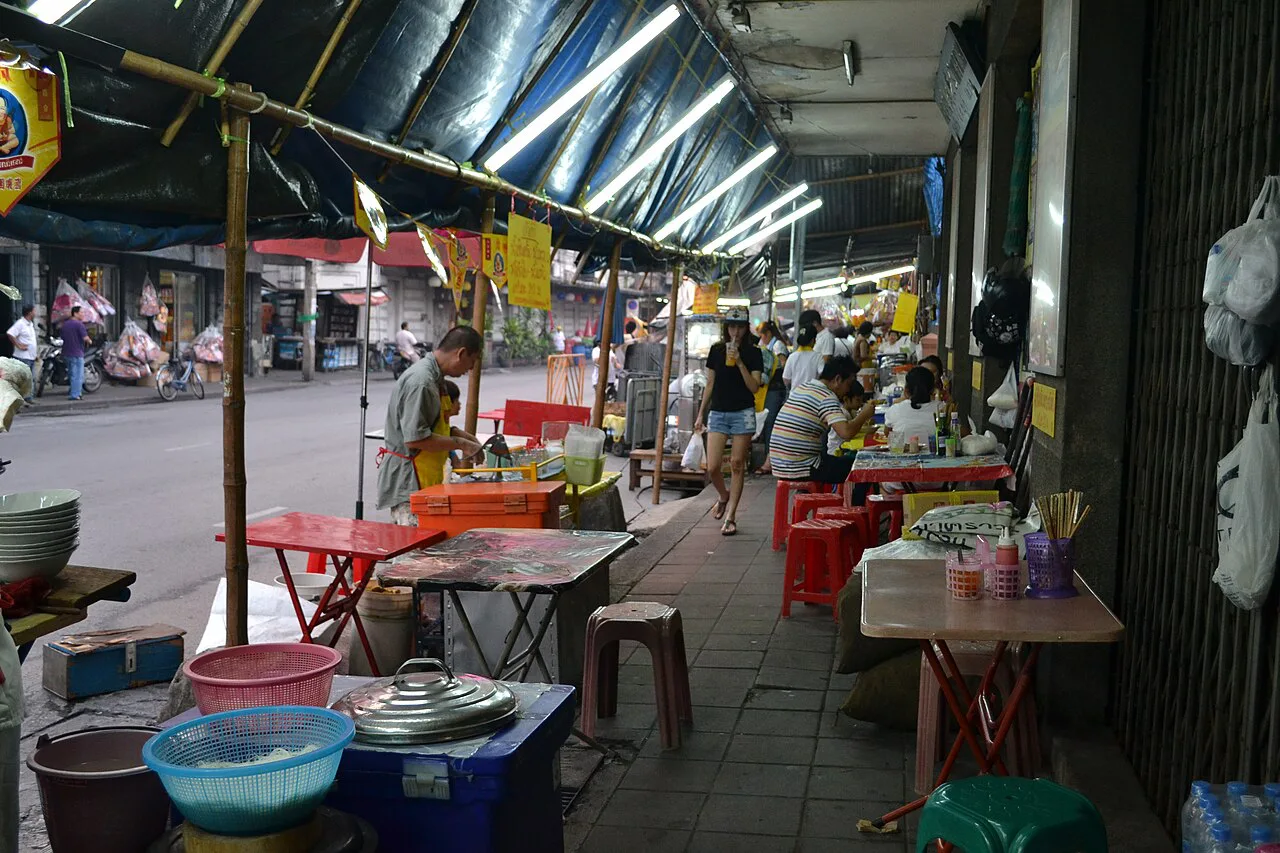
Price levels here are relative, and venue choice moves the bill more than brand choice. Large bottles are usually meant to be shared, poured over ice into small glasses. Ice melts quickly in the heat, so pour fresh rounds rather than topping up warm glasses. Buckets and towers appear in beach and nightlife areas.
| Venue | How it is served | Relative cost |
|---|---|---|
| 7-Eleven or convenience store | Cold cans and bottles to go | Lowest |
| Street stall or local restaurant | Large bottle, ice and shared glasses | Low to mid |
| Beach bar | Bottles, buckets or towers | Mid to high |
| Hotel bar or tourist bar | Bottles or draught | Highest |
- Shop beats stall: carry-out is cheapest where sale is allowed.
- Share a large bottle with the table to keep it cold.
Rules Travelers Should Know
Thailand restricts when alcohol can be sold, and some holidays bring temporary bans. Buddhist holidays and election days are the usual examples. Shops and venues may ask for ID, and legal drinking age applies. The 2008 Alcoholic Beverage Control Act is the main law behind advertising limits and sale rules. Rules and enforcement change, so check current guidance from the Tourism Authority of Thailand before you plan a holiday evening.
Thai Craft Beer: What to Expect
Craft beer exists but stays small. Licensing has historically favored large producers, so some craft labels are brewed under contract or abroad. Expect craft in specialist bars in Bangkok and tourist areas, not at every street stall. Read our Thai craft beer guide for names and what to look for.
What to Eat With Thai Beer
Match weight to food. Singha's creamy body suits chili-heavy dishes such as Tom Yum. Chang's bitterness cuts through fried and grilled food. Leo works with lighter salads and seafood, where a heavy lager would flatten the flavors. Phuket Lager, a German-style beer, is commonly paired with grilled seafood. Cold is the rule for all of them.
Common Mistakes to Avoid
A few habits cause most traveler regrets with beer in Thailand.
Cheers X-Tra at 6.5% ABV sits above Singha, Chang and Leo, which all stay near 5% ABV.
- Ordering by brand assumption: Chang and Leo are not the same strength or body as Singha.
- Drinking in strong heat without water between rounds.
- Mixing alcohol with island boat trips or scooter rentals.
- Buying a large bottle you will not share, so the last third goes warm.
- Ignoring labels on higher-ABV cans such as Cheers X-Tra.
Beyond Beer: Other Thai Drinks
Thailand also makes spirits. See Thai Whiskey: What It Really Is (Sang Som, Mekhong & More) and Thai Rum: SangSom, Craft Brands & What to Order for other local alcohol. For a break from alcohol in the heat, try Thai Iced Tea (Cha Yen): What It Is and How to Order or fresh coconut water. Drink water as well, and never ride a scooter after drinking.
Frequently Asked Questions
What is the most popular Thai beer?
Singha, Chang and Leo are the three best-known brands. Sources disagree on which sells most, and the ranking shifts by year. Check recent industry reports if you need a current figure.
Is Singha or Chang better?
It depends on taste. Singha is commonly described as richer and creamier, while Chang is brighter with more bitterness. Both sit near 5% ABV, so pick by the food you are eating.
Is Tiger beer Thai?
Tiger is not a Thai brand. Thai Asia Pacific Brewery has brewed it in Thailand alongside Heineken and Cheers. It is a Thai-brewed import brand rather than a local lager.
Thai food notes for your next trip
Optional updates to our food guides.
You might also like
Continue reading
More guides you'll find useful