Moo Kata (Mookata): What It Is and How to Eat It
Moo kata is Thai pork-pan BBQ with a hotpot moat. Learn how it works, how to eat it step by step, buffet vs set, sauces and what to order.
On this page
Last updated November 2026: moo kata (หมูกระทะ, literally "pork pan") is a Thai table meal where meat grills on a domed pan while broth in the surrounding moat cooks vegetables and noodles. It blends Korean-style grilling with a Chinese hotpot-style broth. This guide covers how the table works, the order to cook in, sauces, buffet versus set service, and the mistakes first-timers make.
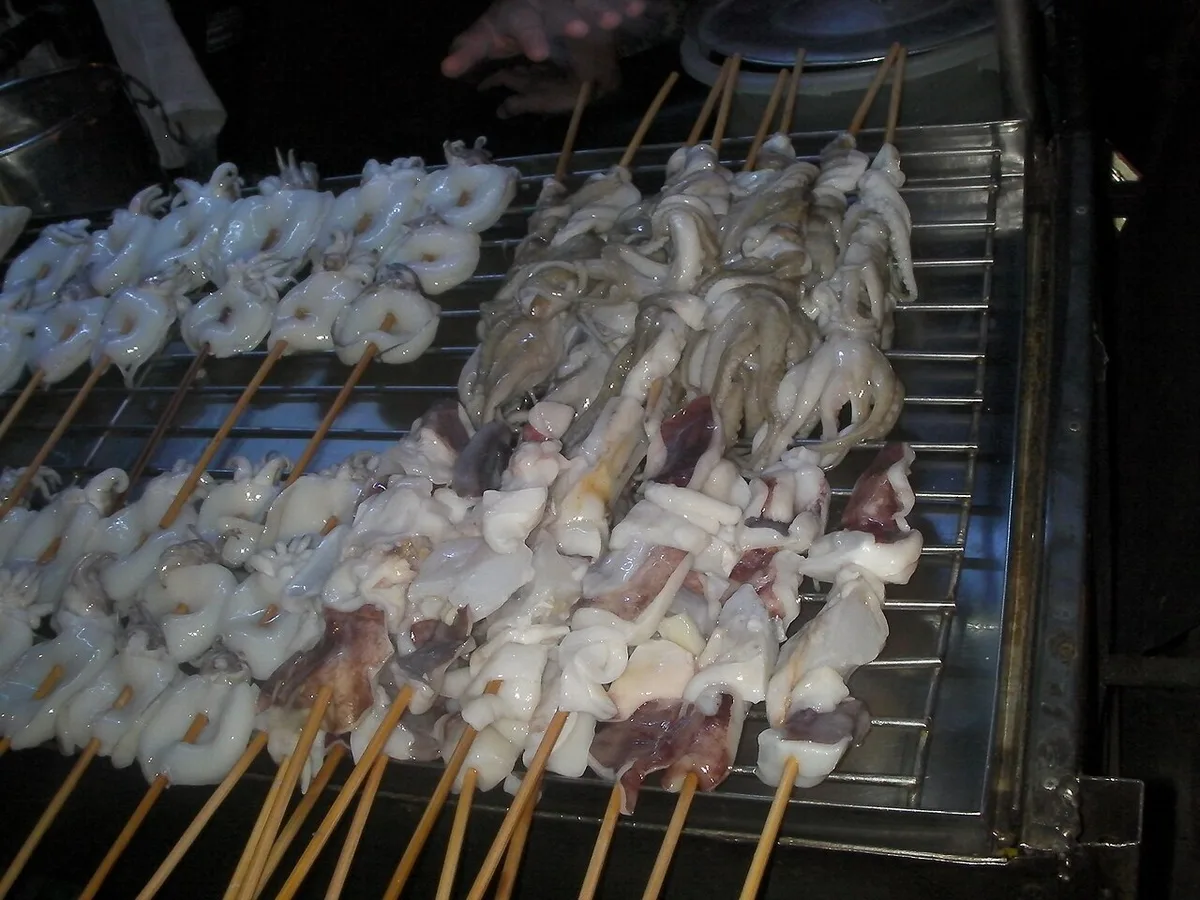
Featured image: P1898, CC BY 4.0, via Wikimedia Commons.
What Moo Kata Is (and Why It's Called "Pork Pan")
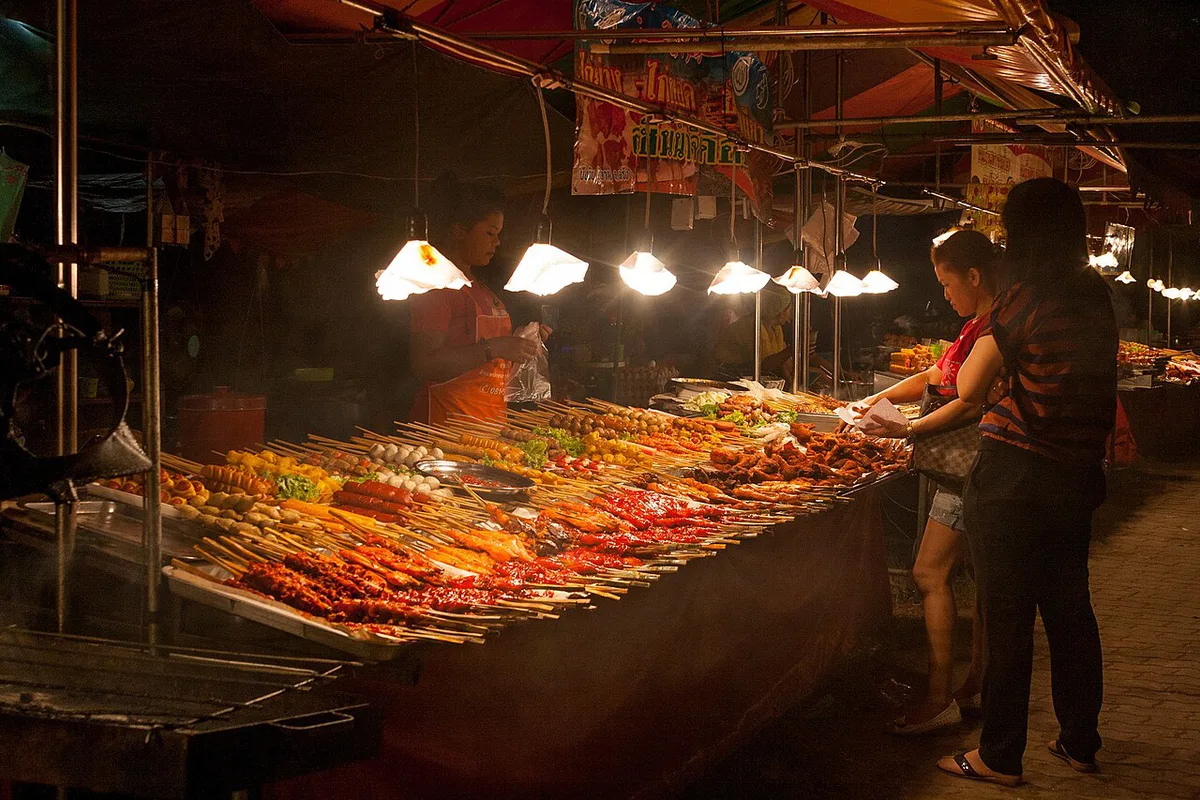
Moo kata is also spelled mookata, moo krata or mu kratha. In Thai, moo means pork and kata (krata) means pan, so the name reads as "pork pan". Pork is the default meat, but chicken, squid, shrimp and sometimes beef appear on most trays. Barbecue in Thailand covers a wide field, and our Thai BBQ pillar guide maps the rest of it. Moo kata stands apart because everything happens at one shared table. Origin stories vary. Korean table grilling is commonly credited for the grill, and Chinese hotpot for the broth, but sources disagree on when and where the two met.
How a Moo Kata Table Works
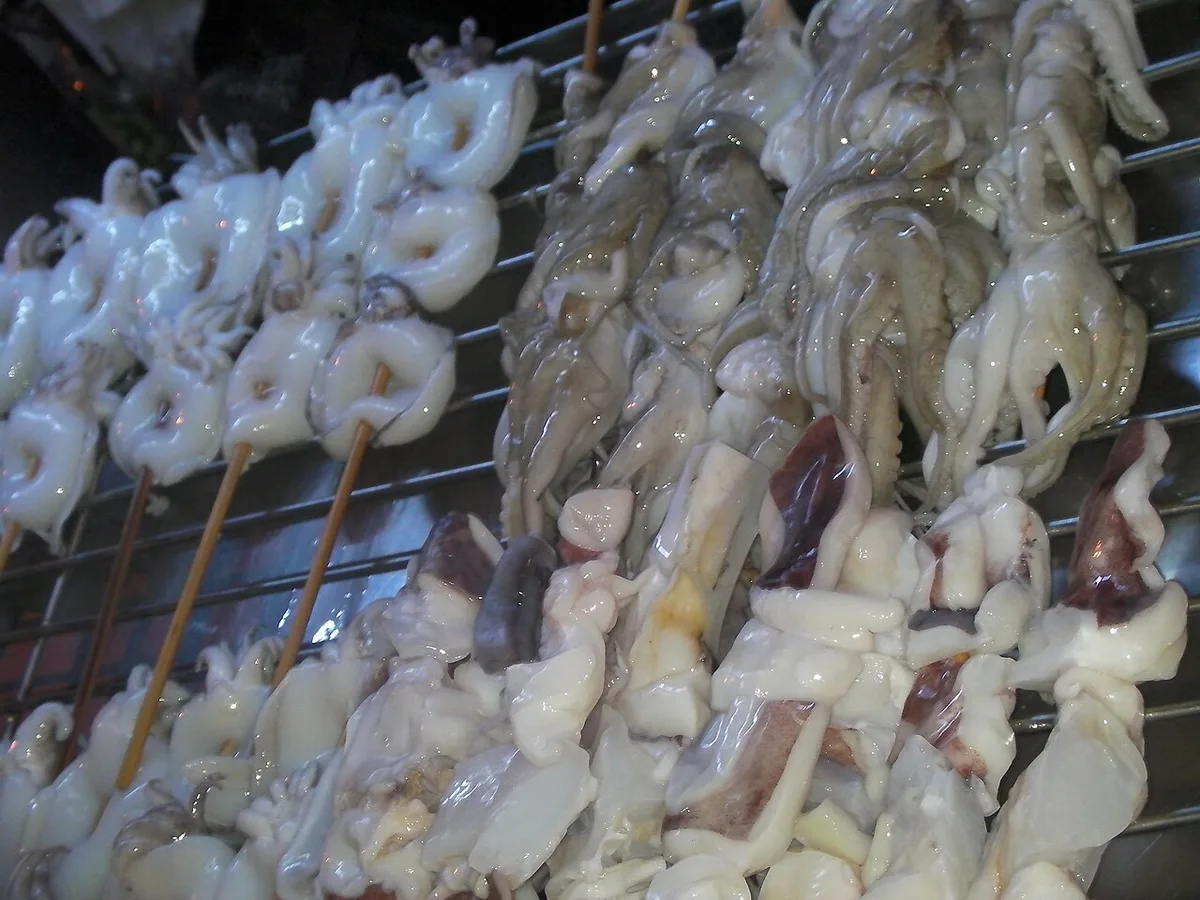
A domed metal pan sits in the middle of the table over a heat source. Aluminium and steel are common, and some pans are brass. Meat goes on the raised centre. As it cooks, the juices run down the slope into a ring-shaped moat that holds stock or hot water. Vegetables, noodles and fishballs cook in that moat. Traditional pans sit on a charcoal burner. Electric versions exist too. Charcoal gives a smokier flavor but throws more heat and smoke, so open-air restaurants are the usual setting. Staff normally bring the pan, the fuel and a tray of raw ingredients, and you do the cooking yourselves.
How to Eat Moo Kata Step by Step
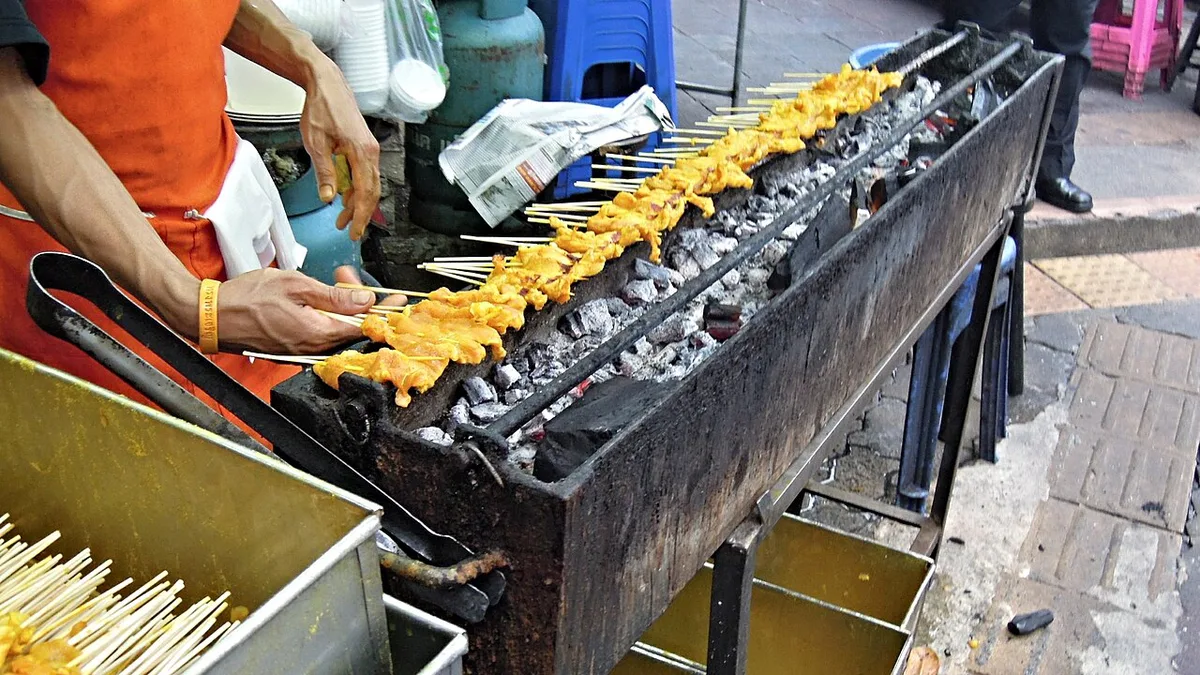
Order matters more than skill. Five steps get a first-timer through the meal, and each one has a practical reason behind it.
- Grease the pan. Rub the cube of pork fat over the dome until it melts into a thin film. That film stops the meat from sticking and burning.
- Fill the moat. Pour in the stock or water, then add vegetables. Steam and moisture from the moat help keep the dome from scorching.
- Start soft items in the broth. Fishballs and tougher greens go in early so they have time to cook.
- Grill the meat in thin batches. Lay slices on the dome and turn them sparingly. Cook pork, chicken and seafood all the way through.
- Dip and sip. Eat grilled pieces with sauce, then ladle the soup into a bowl. Add noodles toward the end.
What to Order: Meats, Seafood, Vegetables, Noodles
Pork leads the tray. Typical cuts are belly, neck and shoulder, and belly gives you the most fat for the pan. Squid, shrimp and chicken round out the grill. Grilled pork neck is a Thai favorite in its own right, and our page on kor moo yang pork neck shows what to expect from that cut. Marinated chicken follows a different logic, as described in Thai Grilled Chicken (Gai Yang): What It Is and How to Eat It. Seafood lovers can compare notes with Thai Grilled Squid (Pla Muk Yang): What to Order and Where to Eat. Sausage is another easy add-on, and Thai sausage varieties explains the styles. For the moat, pick cabbage, bok choy, mushrooms and carrots. Noodles are usually instant, udon or egg noodles. Most places also drop an egg into the broth.
Sauces and Dips
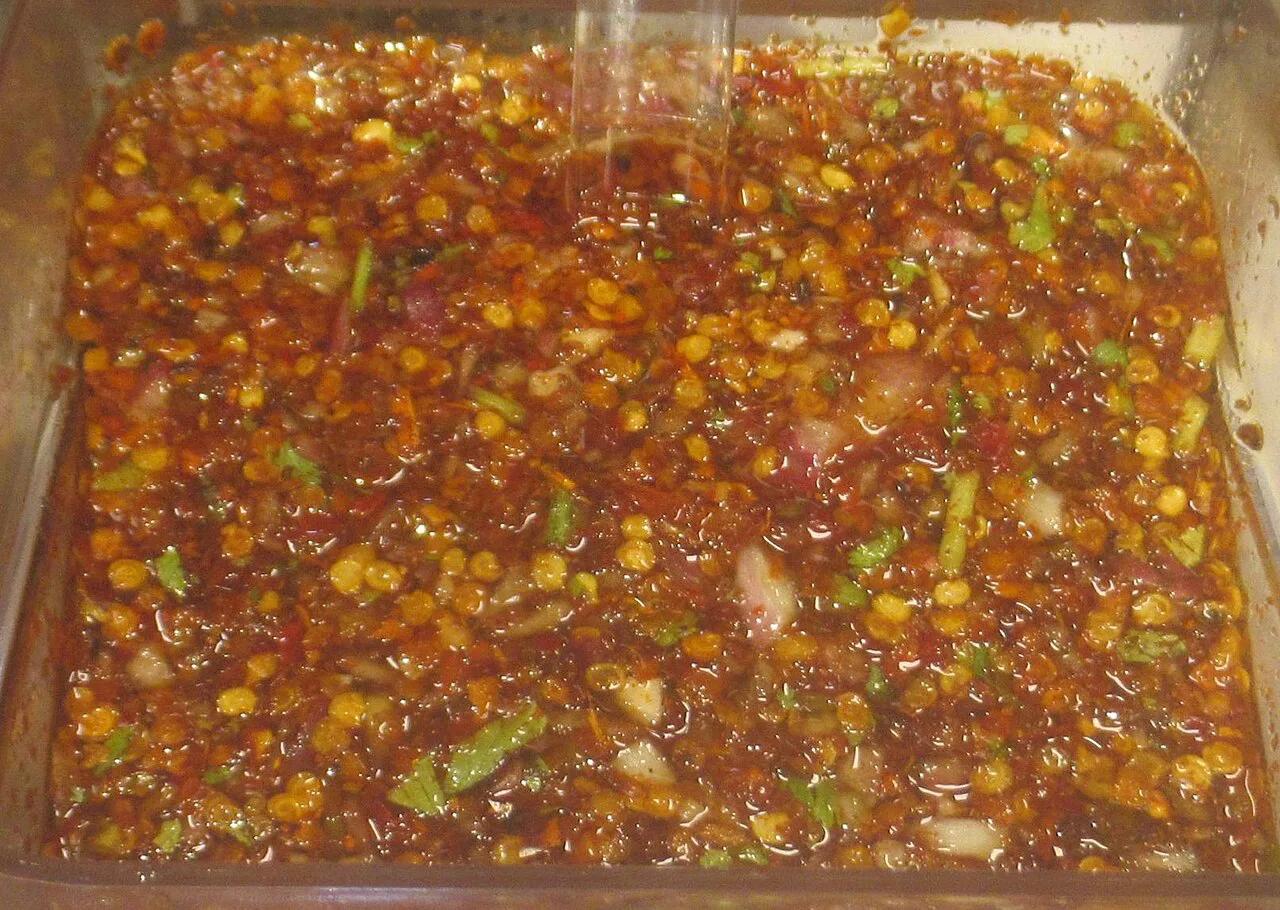
Meat on a moo kata tray is rarely marinated heavily, so the dipping sauce carries much of the flavor. Most places offer two standard sauces. One is a sweet, thick chilli sauce. The other is a spicy, sour seafood-style sauce. Restaurants build their own versions, and many locals pick a venue because of its sauce. Try both with the first round of meat, then mix them to taste. Some diners also stir a spoonful into the moat for a spicier broth. Rice and cucumber, where offered, calm the heat.
Buffet or Set: Which Format Fits You
Two service styles are common in Thailand. An all-you-can-eat buffet charges a flat price per person and lets you refill from a counter. A set comes as one tray sized for about two people, with refills ordered and paid for separately. Drinks are usually billed on top in both cases. Prices vary by venue and area, so read the current menu board before sitting down.
| Factor | Buffet | Set |
|---|---|---|
| How pricing works | Flat price per person | One price per tray; refills extra |
| Best for | Big appetites and groups who want to try everything | Pairs, small groups and light eaters |
| Pace | Self-service; you refill when ready | Waiter-paced; you order when the tray empties |
| Waste risk | Higher if eyes outrun stomachs | Lower, since you order only what you need |
| Extras | Drinks usually paid separately | Drinks usually paid separately |
Mistakes to Avoid and Who Might Skip It
Most problems at a moo kata table come from heat management and cooking times. Dietary limits are the other issue, because shared pans and pork-heavy trays do not suit everyone.
- Letting the pan dry out. Keep the moat topped up so the dome does not burn.
- Overcrowding the dome. Meat steams instead of browning, and raw pieces hide in the pile.
- Dumping in all the noodles early. They soak up the broth and turn soft before the meat is done.
- Eating undercooked pork or seafood. Cook everything through, and use separate tongs for raw items.
- Ignoring ventilation. Charcoal produces smoke and carbon monoxide, so choose an open-air or well-ventilated spot.
- Skipping a dietary check. Halal, vegetarian and shellfish-allergic diners should ask about separate pans, because shared pans cross-contaminate.
Where to Find Moo Kata in Thailand
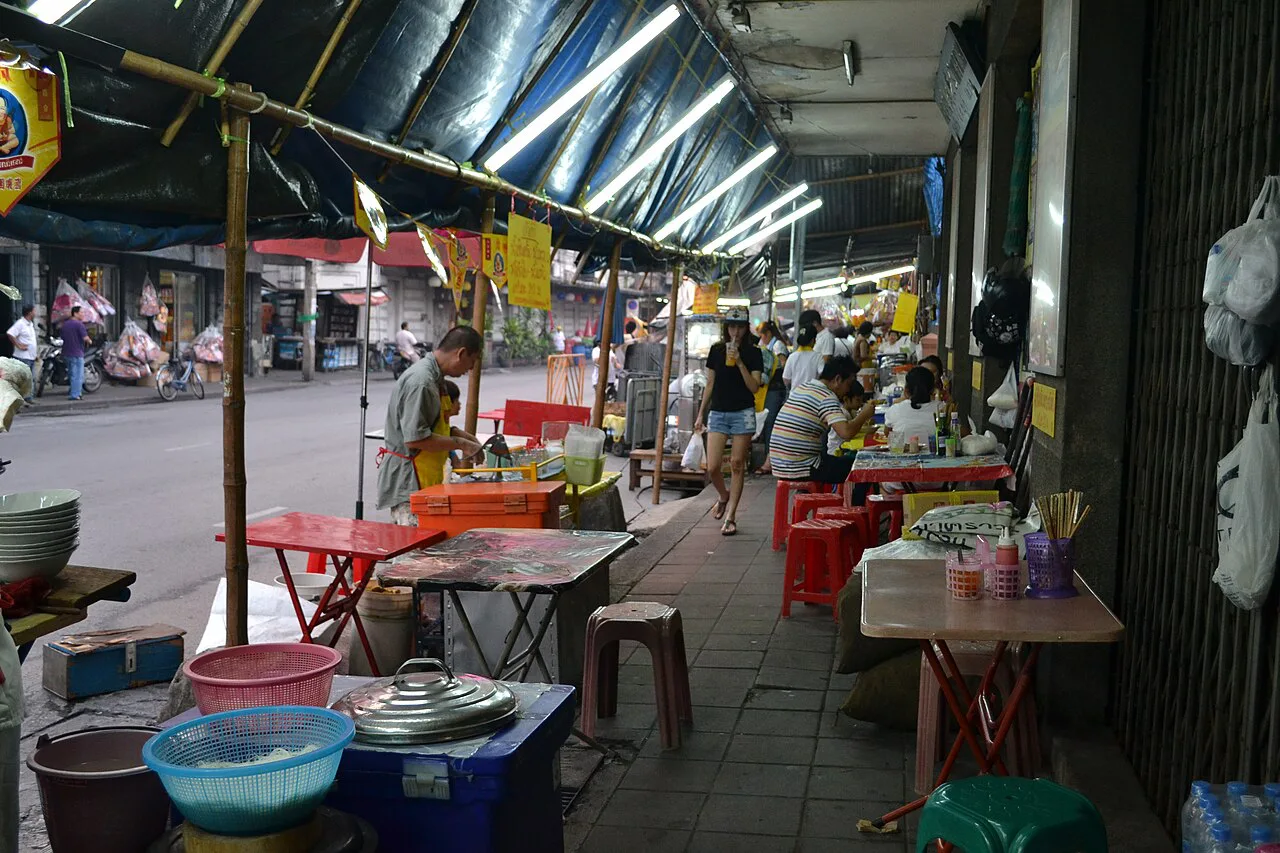
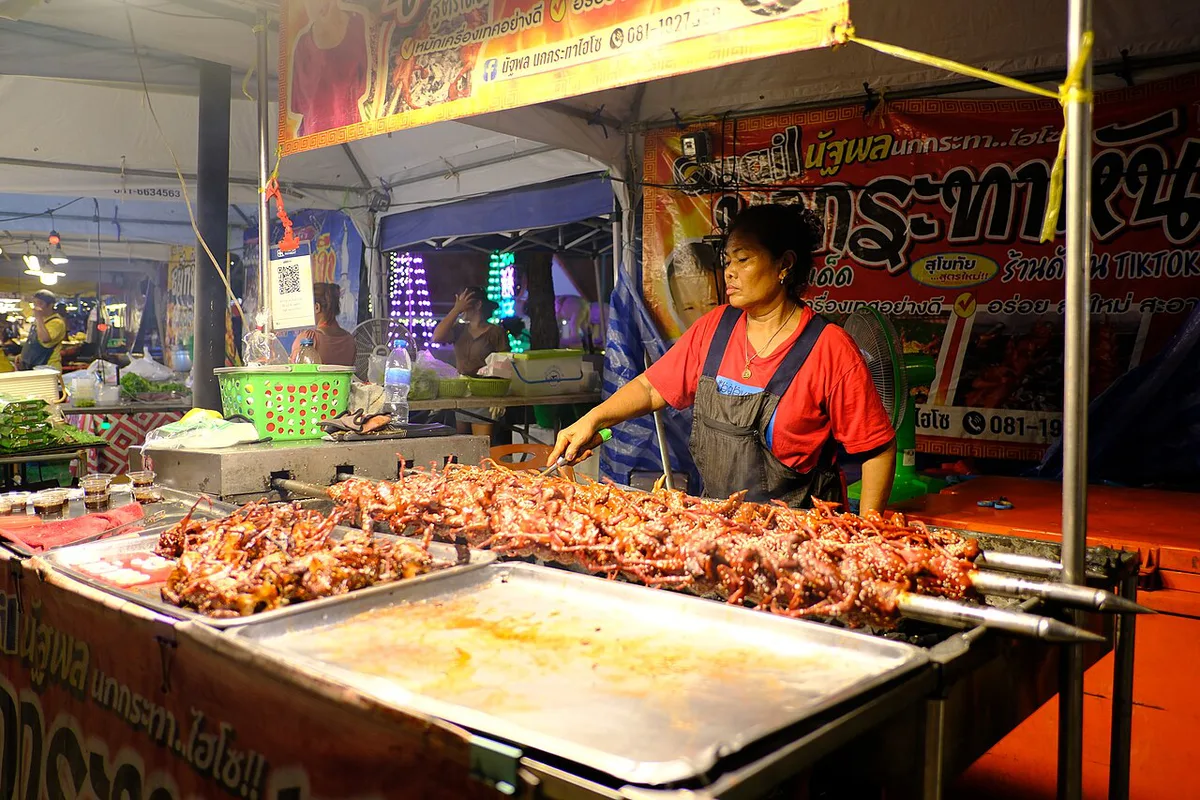
Moo kata restaurants exist across the country, usually as dedicated open-air or semi-open-air venues. In Bangkok, student districts are a reliable hunting ground. Ban Thad Thong street near Chulalongkorn University is a well-known cluster. Evenings are the usual social time, and groups of three or more get the most from a table. Wear clothes you do not mind smelling of smoke. If you want something lighter or faster, moo ping pork skewers are an easy street-food alternative. Look for a place with visible ventilation, a tidy raw-food tray and a sauce list you recognize.
Frequently Asked Questions
What does mookata mean?
Mookata, also written moo kata or mu kratha, comes from Thai หมูกระทะ. Moo means pork and kata means pan, so it translates as "pork pan". It names both the meal and the domed grill-and-moat pan used to cook it.
How much is mookata buffet?
Buffet prices vary by venue and area in Thailand. Look for a per-person price on the menu board before you sit down. Drinks are normally charged separately.
Thai food notes for your next trip
Optional updates to our food guides.
You might also like
Continue reading
More guides you'll find useful