Pla Ra (ปลาร้า): Thai Fermented Fish Explained
What pla ra is, how it tastes and smells, where you will meet it in Isan dishes, and how to order it or skip it.
On this page
Last updated November 2026. Pla ra (ปลาร้า) is Thai fermented fish, packed with salt and rice bran or roasted rice powder and sealed in a jar for months. Isan cooks use it as a funky, salty base for dips and som tum, so knowing what pla ra is helps you order with confidence. Below you will find how it tastes, where it hides on menus and what to say if you want it left out.
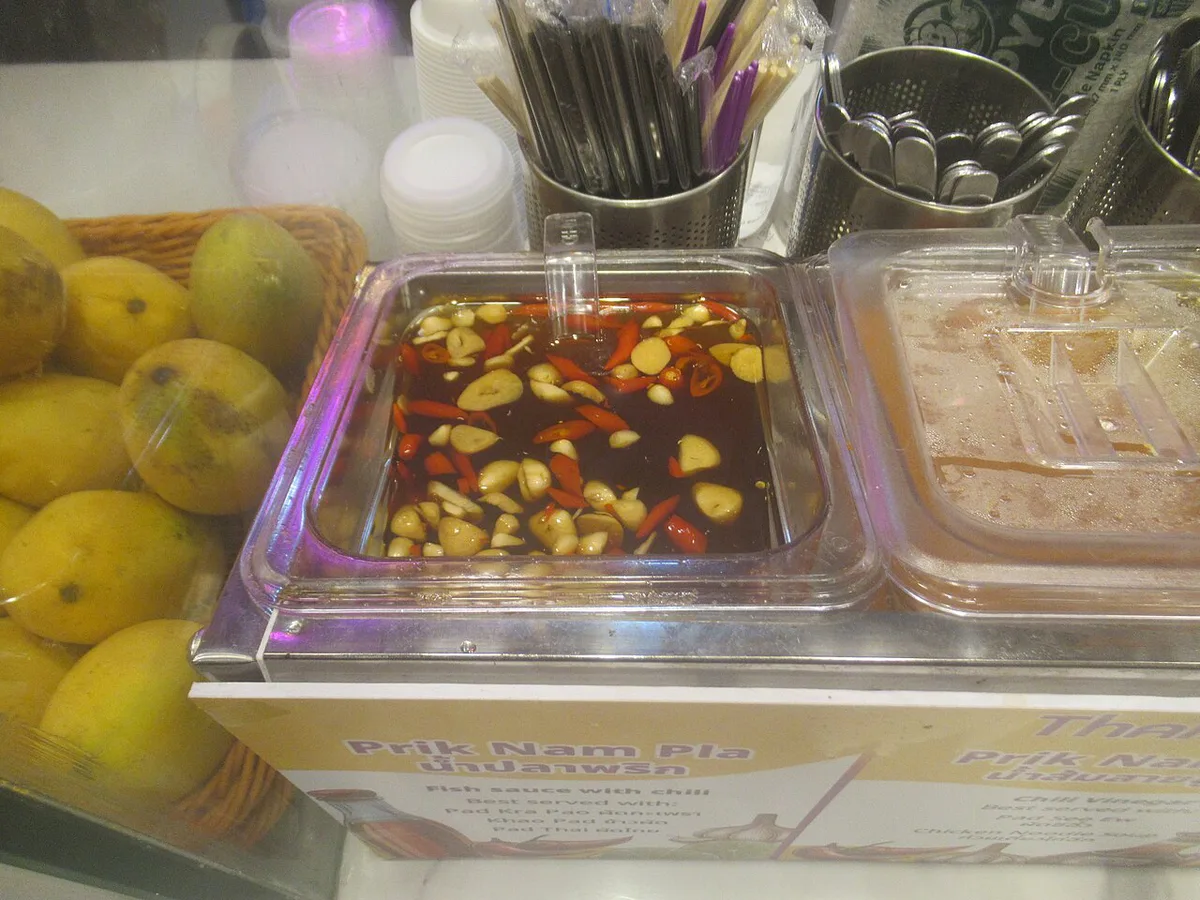
Featured image: P1898, CC BY 4.0, via Wikimedia Commons.
What Pla Ra Is
Pla ra is a traditional Thai seasoning made by fermenting fish with salt and rice bran or roasted rice powder in a closed container. Lao cooks make a close relative called padaek (ປາແດກ). Both belong to the Mekong basin's long tradition of preserved freshwater fish. In Isan, the northeast, it sits in the same pantry role as soy sauce elsewhere: a deep, salty base that goes into dips, soups and salads. Food writers often call it a cousin of ordinary fish sauce, but it is thicker, darker and far more pungent. You will meet it throughout the dishes covered in our Isan food guide.
What Pla Ra Tastes and Smells Like
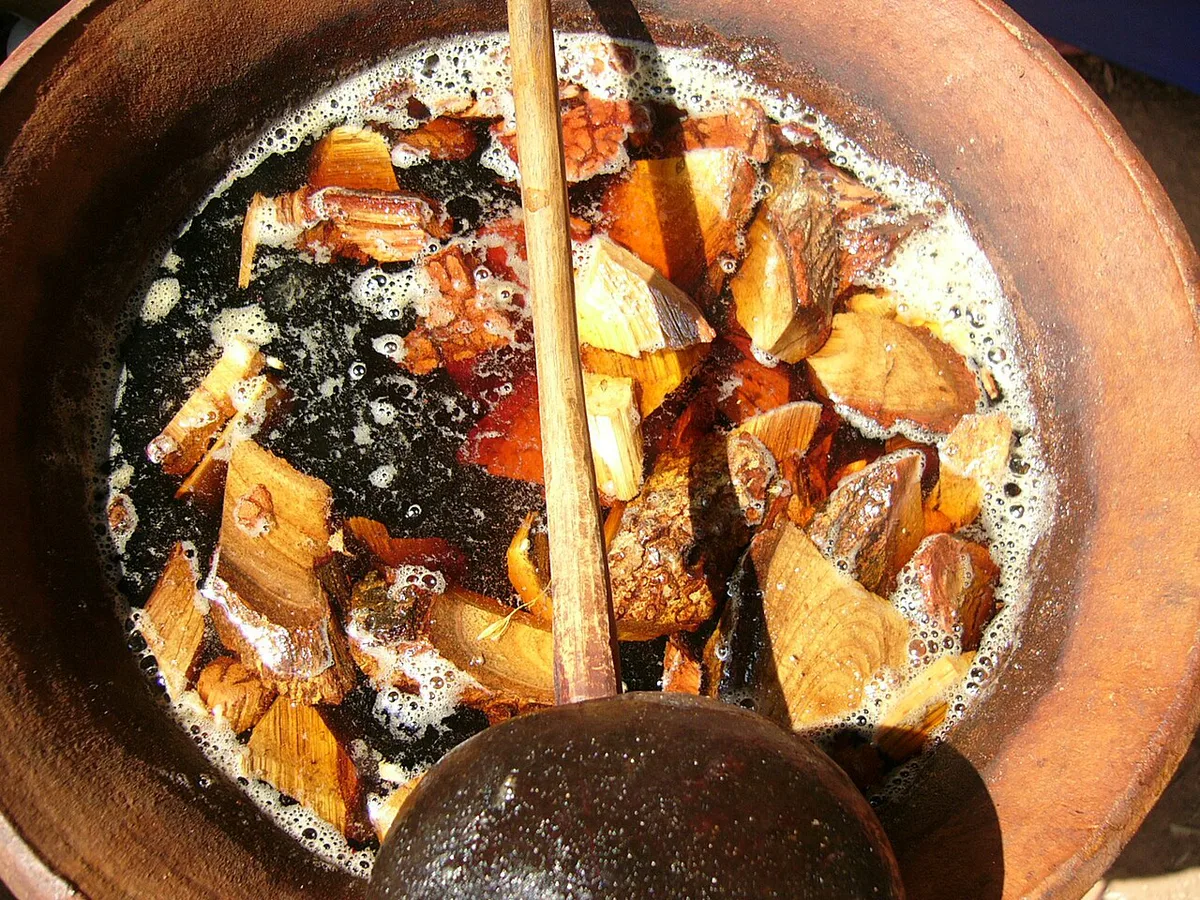
Expect a strong smell that many people find unpleasant at first. The taste is salty and sour, and the balance shifts with the amount of salt and the lactic acid produced during fermentation. Raw-style preparations hit hardest. Once pla ra is simmered into a sauce, the smell mellows a lot, and cooks commonly say it fades into the dish. Treat that as a cook's opinion rather than a guarantee. A quick guide to how you might react:
- Mild entry: a cooked pla ra sauce stirred into som tum.
- Stronger: raw-style dips served with vegetables and rice.
- Skip if you dislike strong smells, are pregnant or have a weakened immune system.
How Long Pla Ra Ferments
Traditional descriptions say the fish ferments for at least six months in a sealed container. A step-by-step production account breaks the process into two stages. First, cut fish is salted for 24 hours, then packed tightly into a jar and covered with brine. The jar stays sealed for about 3 months. Next, the softened fish is mixed with rice bran or roasted rice powder and sealed again for 2 months or more. Because producers differ, a label that says nothing about time tells you little about how long a jar aged.
Types of Pla Ra
Pla ra is sorted by its main ingredient and by how it was fermented. The roasted-rice-powder type is yellow and soft, and it is mostly made in central Thailand. The rice-bran type is much darker and smellier, with softer, smaller fish, and it is the one most associated with the northeast. Fresh-fish pla ra (pla ra sod) is salty with a little acidity from lactic acid. Pla ra lom uses dead fish that have autolysed into a strong odor, or fish soaked in water for 12 to 24 hours until tender.

| Type | Look and texture | Typical region | Where it shows up |
|---|---|---|---|
| Roasted rice powder | Yellow, soft, paste-like | Central Thailand | Pastes and sauces, often from snakehead or catfish |
| Rice bran | Very dark, softer smaller fish, stronger smell | Northeast Thailand | Cooking ingredient, sometimes eaten raw |
| Pla ra sod | Fresh-fish base, salty with mild acidity | Source does not specify | Dips and seasoning |
| Pla ra lom | Autolysed or soaked fish, strongly odorous | Source does not specify | Cooking and strong-flavored dips |
Where You'll Meet Pla Ra on a Thai Menu
The best-known meeting point is green papaya salad. Som tum pla ra is the funkier, darker version, while plain som tum Thai leaves it out. Our som tam guide shows how the salad changes with it. Not every papaya salad contains pla ra, so never assume. Beyond salad, pla ra turns up as a dip base eaten with vegetables and rice, and in chili dips such as nam phrik. A traditional pairing is sticky rice, covered in our sticky rice guide. Grilled chicken from a stall, such as Gai Yang (ไก่ย่าง): Thai Grilled Chicken, How to Order and Eat It, often comes with its own dipping sauce, so ask what is in it. Pla ra can also be dried with spices and powdered, which makes it easy to miss.
How to Order Pla Ra, or Avoid It
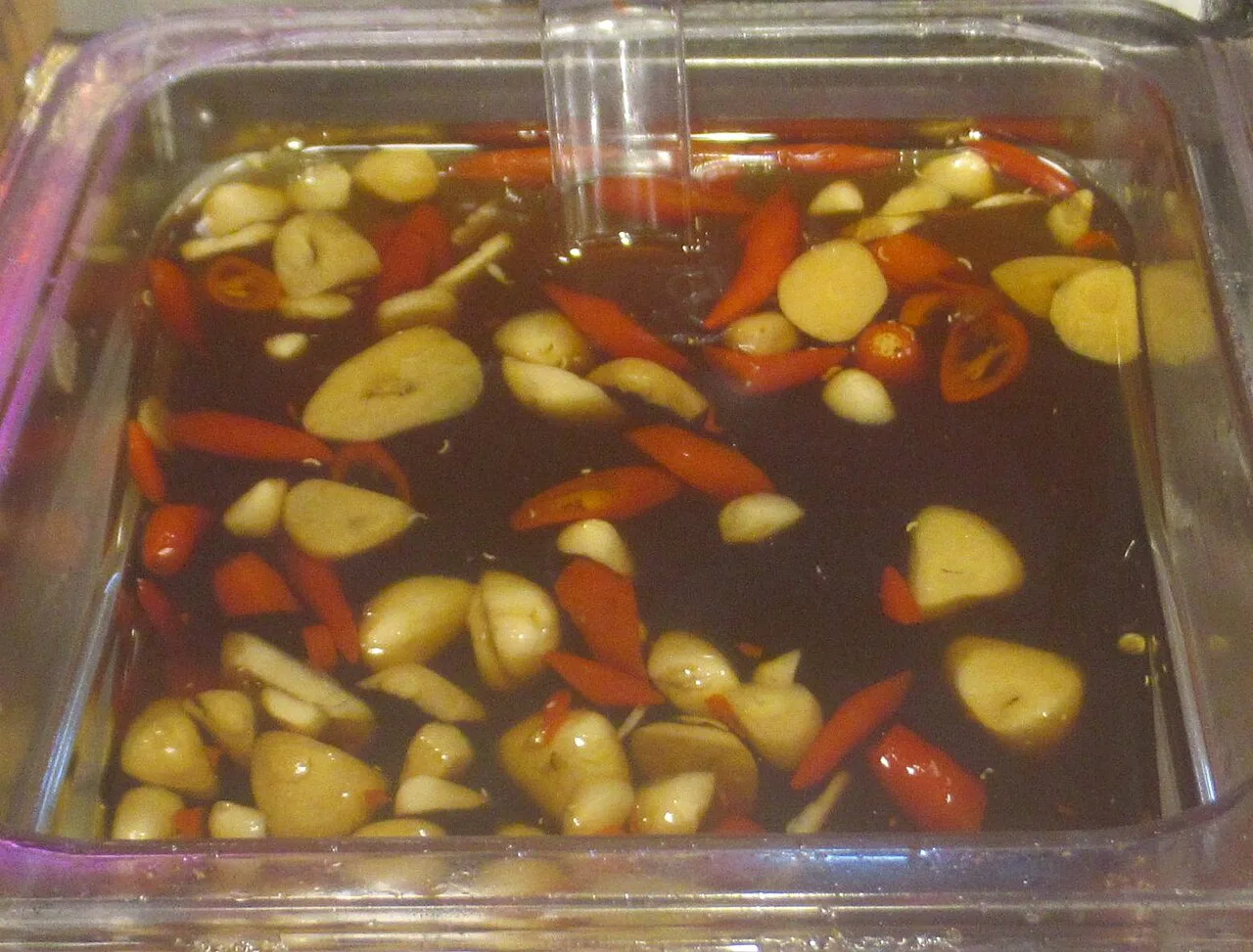
To ask for it, say "sai pla ra" (ใส่ปลาร้า), meaning with pla ra. To skip it, say "mai sai pla ra" (ไม่ใส่ปลาร้า). Point to the phrase on your phone if your pronunciation is shaky. At a som tum stall, watch the cook. A jar of dark liquid or chunky paste beside the mortar is usually pla ra, and you can say your choice before pounding starts. For dips and soups, ask "mii pla ra mai?" (does it have pla ra?). Lao-style and Isan-style salads are the likeliest to include it. A short list of mistakes keeps you out of trouble:
- Assuming all som tum contains pla ra.
- Confusing it with ordinary fish sauce (nam pla), which is thinner and milder.
- Judging fermentation time or type from a label alone.
- Packing a jar in checked luggage without sealing it.
Cooked vs Raw: Safety Notes for Travelers
Uncooked pla ra preparations can be contaminated more easily than cooked ones. A food study of nam phrik, a chili dip that is not cooked and is often reused for another meal or two, found that tamarind acidity pulled the pH below 4.6, which holds back most pathogens. Cooking destroyed the coliforms found in the pla ra before heating. Practical judgment follows. Pick stalls with fast turnover, favor cooked pla ra sauces, and skip leftovers sitting out. If you are pregnant or immunocompromised, cook it or avoid it, and ask your doctor before you travel.
Buying and Bringing Pla Ra Home
Rules for carrying fermented fish across borders differ by country and airline. Check your home country's customs page and your airline's baggage policy before you buy a jar. Leakage and odor are the obvious risks, so sealed, double-bagged containers are the sensible default.
Jars spend about 3 months sealed in the first stage, which makes a double bag worth packing for the trip home.
Thai food notes for your next trip
Optional updates to our food guides.
You might also like


Continue reading
More guides you'll find useful