Som Tam: Thai Green Papaya Salad Variants and How to Order
Som tam explained: what the Thai green papaya salad is, which variants to order, how to control the heat and what to eat it with.
On this page
Last updated November 2026: som tam is Thailand's pounded green papaya salad, and the name means "sour pound" (som is sour, tam is pound). Cooks build each plate to order in a mortar, so it lands spicy, sour, salty and sweet at once. Our pick for a first order is the central-Thai version, with a chili count you choose and sticky rice on the side.
Featured image: Index Librorum Permissorum, CC0, via Wikimedia Commons.
What Is Som Tam?
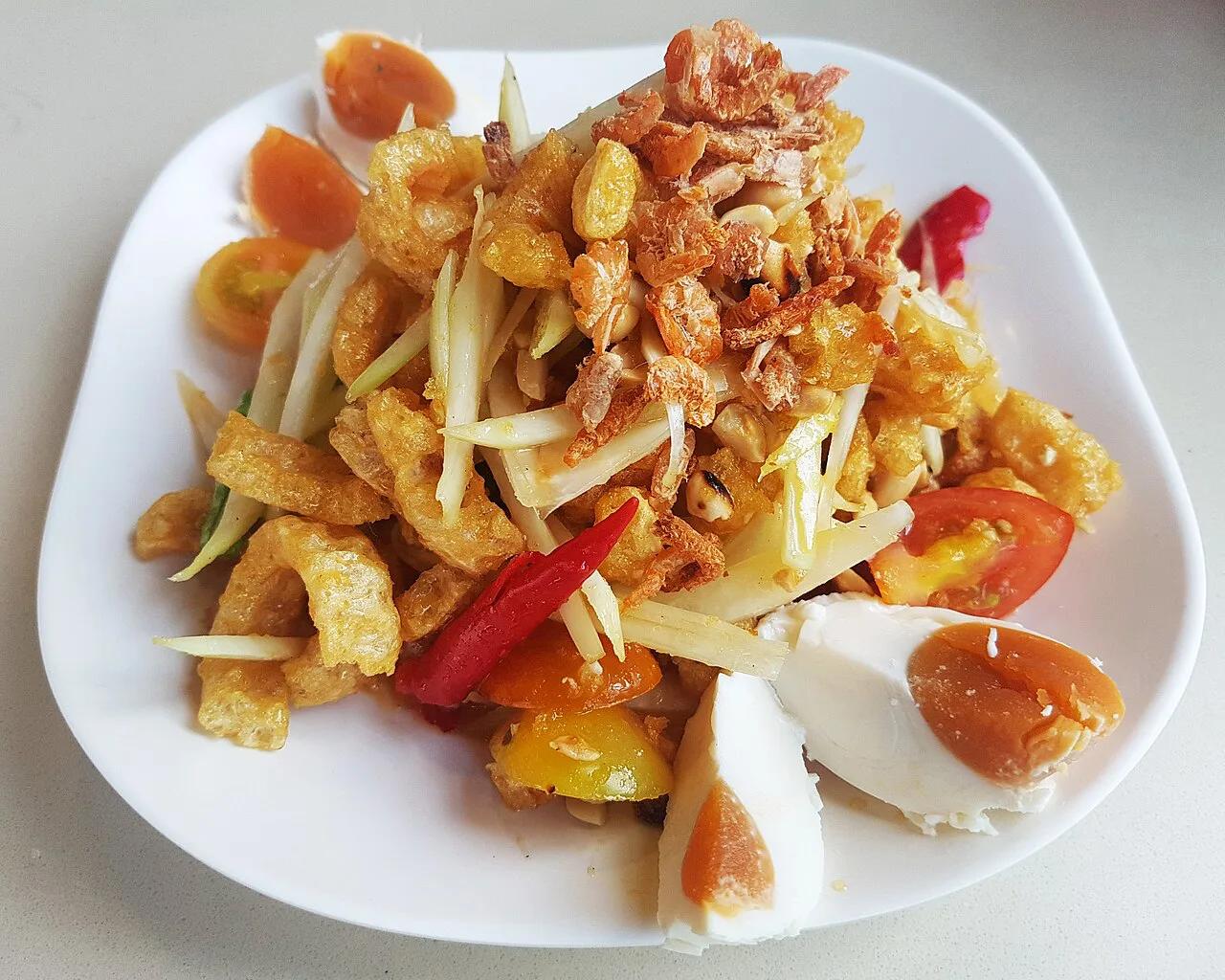
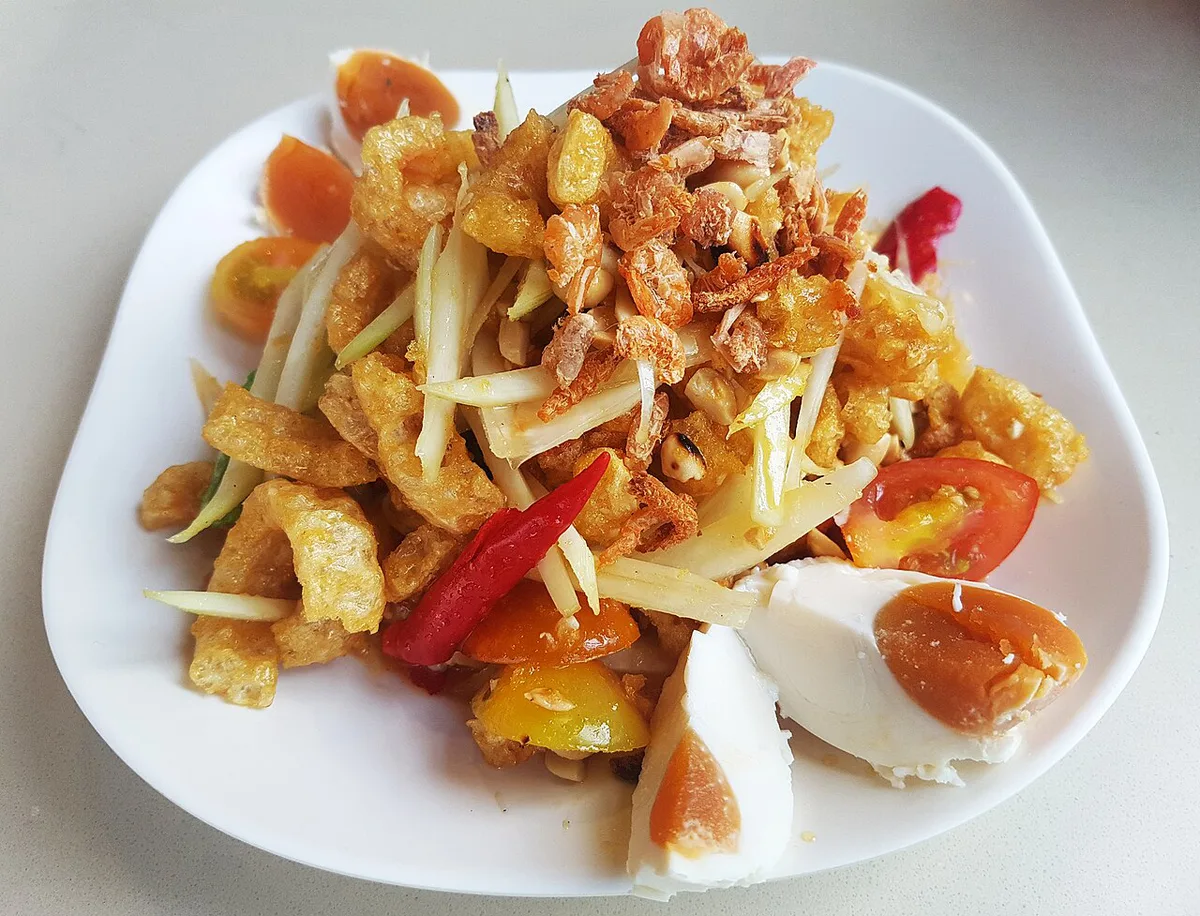
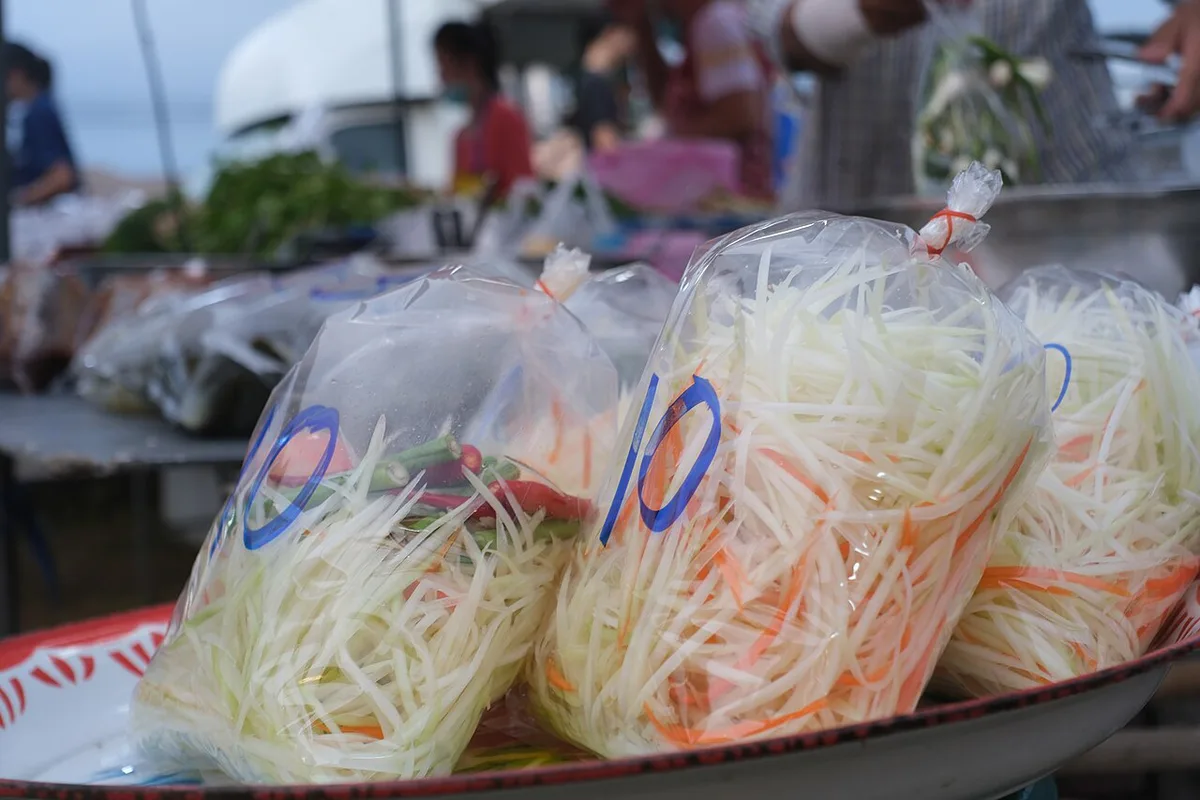
Som tam is a green papaya salad from Thailand, also spelled som tum. Cooks shred unripe papaya and pound it in a mortar with bird's eye chilies, garlic, lime juice, fish sauce and palm sugar. Tomatoes, green beans and roasted peanuts usually go in too. One bite should deliver heat, sour, salt and sweet together, with crunch from the papaya. Green papaya is the same fruit as the orange one sold ripe, just picked early. Its flesh is firm and pale with little flavor of its own, so it soaks up the dressing. In practice, som tam is the everyday papaya salad of Thailand, though the name covers many recipes. Our advice is simple: ask for the central-Thai version, name your chili count, and order sticky rice and grilled chicken alongside.
Where Som Tam Comes From
Pounded papaya salads come from Isan, the northeast of Thailand, a region with strong cultural ties to Laos. Accounts differ on whether the dish is best called Lao or Isan in origin, so we treat both as roots. Our guide to Isan food covers the wider cuisine around it. Migration carried the salad across the country. From the 1950s, workers from the northeast moved to Bangkok, and relatives set up food carts near construction sites. Another wave of migrants followed during the economic boom of the 1980s. City diners developed a taste for the heat, and stalls became a fixture of Bangkok street corners. A toned-down version, now called som tam Thai, became the one most visitors meet. Compared with Isan recipes, it swaps pungent fermented fish paste (padaek) for fish sauce and adds palm sugar to soften the sourness.
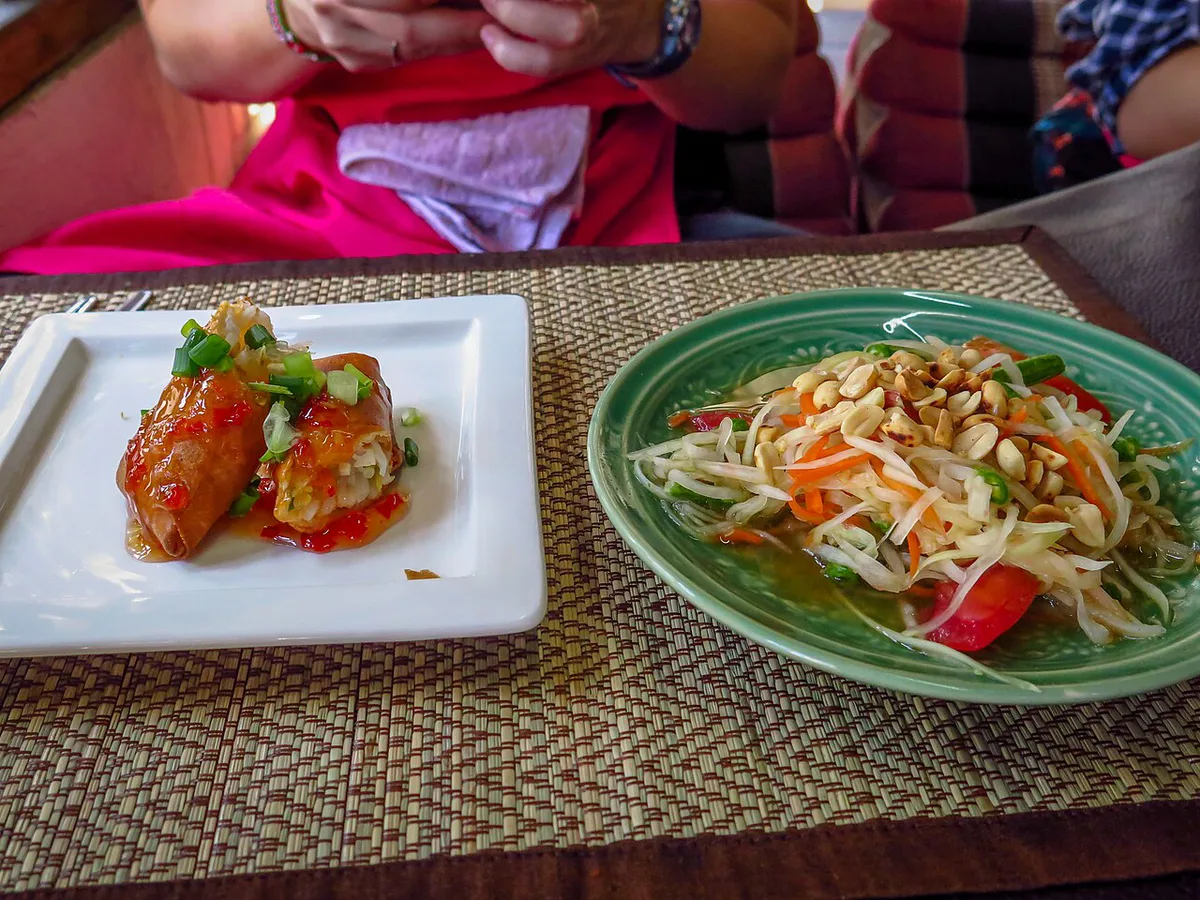
Som Tam Variants: Which One to Order
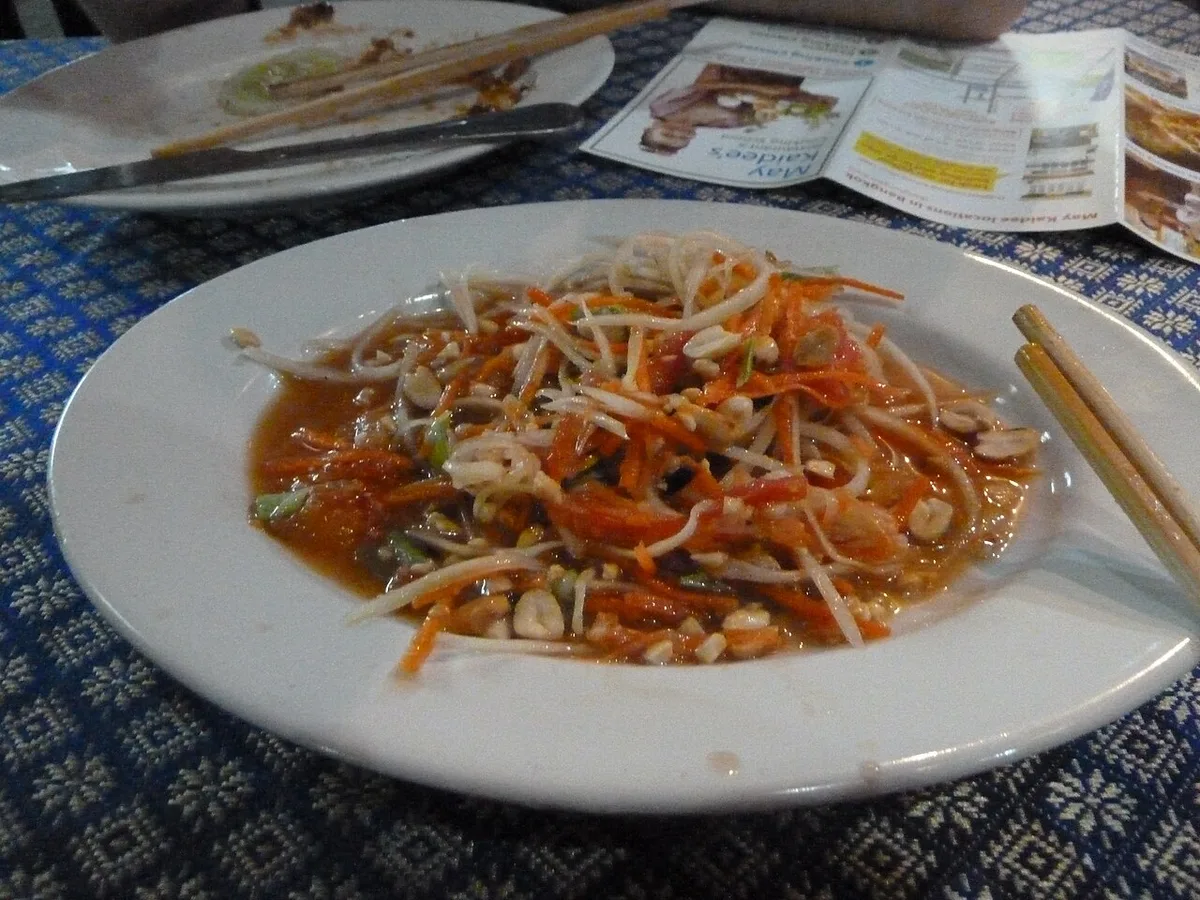
Names shift between vendors and romanizations, so treat this table as a field guide rather than a fixed menu. Our pick for a first plate is som tam Thai. People from the northeast often skip that blander version for the fermented ones. Move to those only once you know you like the funk. Our central-Thai style guide goes deeper on the everyday version.
| Variant | What changes | Heat or funk level | Best for |
|---|---|---|---|
| Som tam Thai | Peanuts, dried shrimp, fish sauce and palm sugar; sweeter and cleaner | Heat set by your chili count; mild funk | A first order |
| Som tam pu | Fermented crab added | High funk | Adventurous eaters |
| Som tam pla ra | Fermented fish instead of plain fish sauce; see our fermented fish guide | High funk and sharp salt | Isan-style fans |
| Som tam bu pla ra | Both crab and fermented fish | Strongest funk on the list | Confident eaters |
| Som tam Thai goong sot | Som tam Thai plus freshly cooked prawns | Same as som tam Thai | Seafood lovers |
| Corn version | Steamed sweetcorn replaces the papaya | Heat follows your chili count | Anyone avoiding papaya |
| Som tam ma muang | Green mango replaces the papaya; similar crunch, a little more flavor | Heat follows your chili count | Seasonal variety |
| Som tam polamai | Diced fruit such as melon, grapes or guava replaces the papaya | Sweet fruit against sour lime | Sweet-leaning eaters |
| Noodle version | Noodles replace the papaya, sometimes with seafood | Varies by vendor | Sharing a big plate |
How to Order Som Tam and Control the Heat
Vendors often ask how many chilies you want. Answer with a number, not just "spicy." If you are less used to heat, start with 3–4 chilies. Skipping them entirely defeats the dish, because heat is part of the balance. Chilies release more heat when crushed, so build up on later orders. Say "no dried shrimp" or "no fish sauce" in plain English and point at the ingredients on display. Vendors taste as they pound, so you can also ask for extra sugar or lime. Avoid these mistakes:
Start at 3–4 chilies for a first som tam Thai, then save fermented pu and pla ra for later.
- Ordering "Thai spicy" by default instead of giving a chili number.
- Skipping the shrimp, fish sauce and fermented-fish check if you have allergies or dietary limits.
- Letting the plate sit, because the papaya softens within minutes.
- Assuming every som tam is the same recipe, when pu and pla ra versions taste far funkier.
What to Eat With Som Tam
Sticky rice is the default partner. Roll a small ball by hand, dunk it in the dressing at the bottom of the plate, or use it to cool your mouth. Grilled and fried meats balance the sharp acidity. Thai meals are shared, so order two or three dishes for the table. Our favorite pairings:
- Sticky rice to cool the heat and mop up dressing.
- Grilled chicken as the classic stall-side partner.
- Minced-meat larb for a second sour, spicy plate.
- Isan sausage for a tangy, chewy contrast.
- Grilled pork salad for smoky richness.
Dietary and Allergy Notes
Fish sauce, dried shrimp, fermented fish and fermented crab all appear in som tam, so it is not vegetarian by default. Peanuts are standard in som tam Thai as well. Tell the vendor about allergies before pounding starts. Stalls may not accommodate changes, and a sit-down restaurant gives better odds. Pla ra versions carry the most risk, and our pla ra explainer covers what that ingredient is. At home, soy sauce or a vegan fish sauce replaces fish sauce.
Where to Find Som Tam
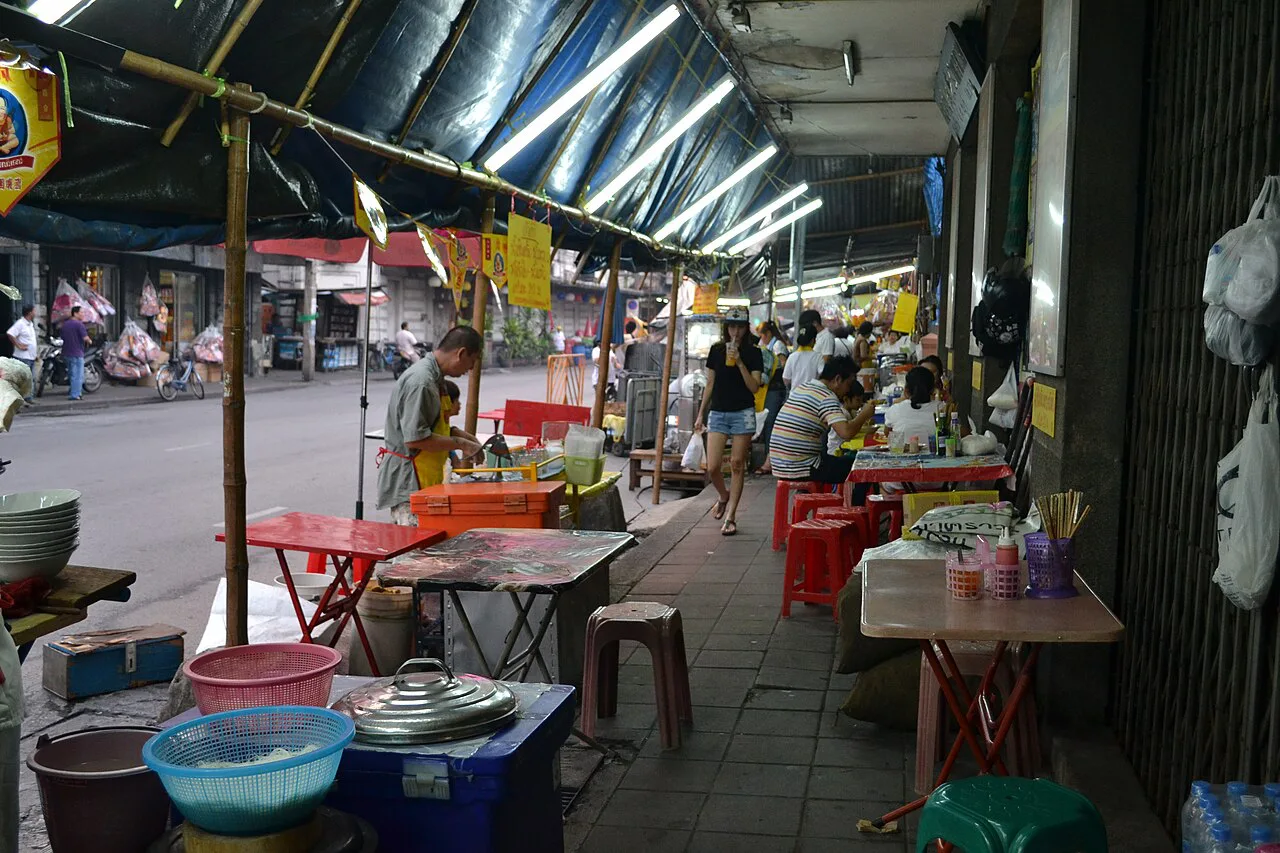
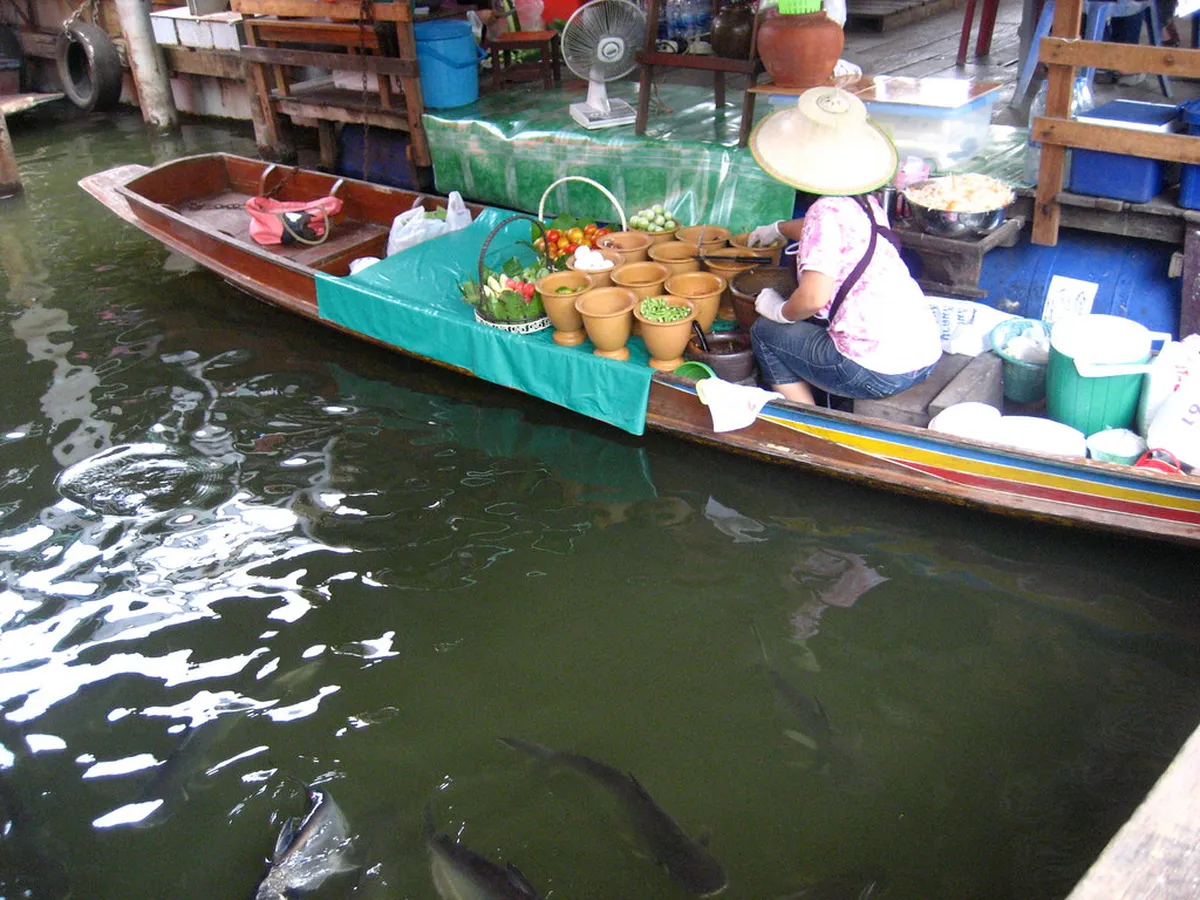
Roadside stalls and markets are the standard place to eat it, with a vendor pounding one plate at a time. Group orders therefore take a while. A stall lunch is the cheap end of the range, while a restaurant starter costs more. Prices vary by city, so compare menus on the spot. Some Isan specialist restaurants focus on som tam and list dozens of versions. Stalls often sit beside a chicken or pork vendor, so you can buy both within steps. For sit-down options, browse the MICHELIN Guide Thailand restaurant listings.
Making Som Tam at Home
We keep this short because recipe sites cover quantities. The method runs in six steps, with a few swaps for ingredients you cannot find abroad. Fresh lime and a large mortar matter most.
Soak shredded papaya in cold water for 20–30 minutes, but serve the plate quickly, since the papaya softens within minutes.
- Peel and shred the green papaya, then soak it in cold water for 20–30 minutes for extra crunch. Drain well.
- Pound garlic and chilies in a large mortar until roughly crushed.
- Add palm sugar, fish sauce and lime juice. Pound until the sugar dissolves, then taste and adjust.
- Add green beans and tomatoes. Bruise them gently so they release juice.
- Add the papaya and carrot. Pound lightly while turning with a spoon.
- Top with roasted peanuts and serve straight away.
- Swap in green mango if you cannot find papaya. Raw swede, cucumber or carrot also work, with a slightly different texture.
- No mortar? Crush the garlic and chilies with the flat of a knife. Mix the dressing in a large bowl, then press the vegetables with a spoon.
Frequently Asked Questions
Is som tam the same as papaya salad?
Mostly, yes. Som tam is Thailand's green papaya salad, and plain "papaya salad" usually means som tam Thai. Other versions swap the papaya for corn, mango or fruit but keep the pounded dressing, so they still count as som tam.
Thai food notes for your next trip
Optional updates to our food guides.
You might also like


Continue reading
More guides you'll find useful