Pomelo in Thailand: Taste, How to Peel It, Where to Buy
What pomelo tastes like, how to peel and choose one, how Thais eat it, and what to know before buying it in Thailand.
On this page
Last updated November 2026: pomelo is the largest citrus fruit, a thick-rinded relative of grapefruit with sweet, mildly tart segments, and Thais call it som-o (ส้มโอ). Sold whole or peeled at markets across Thailand, it is an easy first fruit for travelers who find durian intimidating. Our guide covers taste, peeling, buying and carrying it, as part of the wider Thai fruit guide.
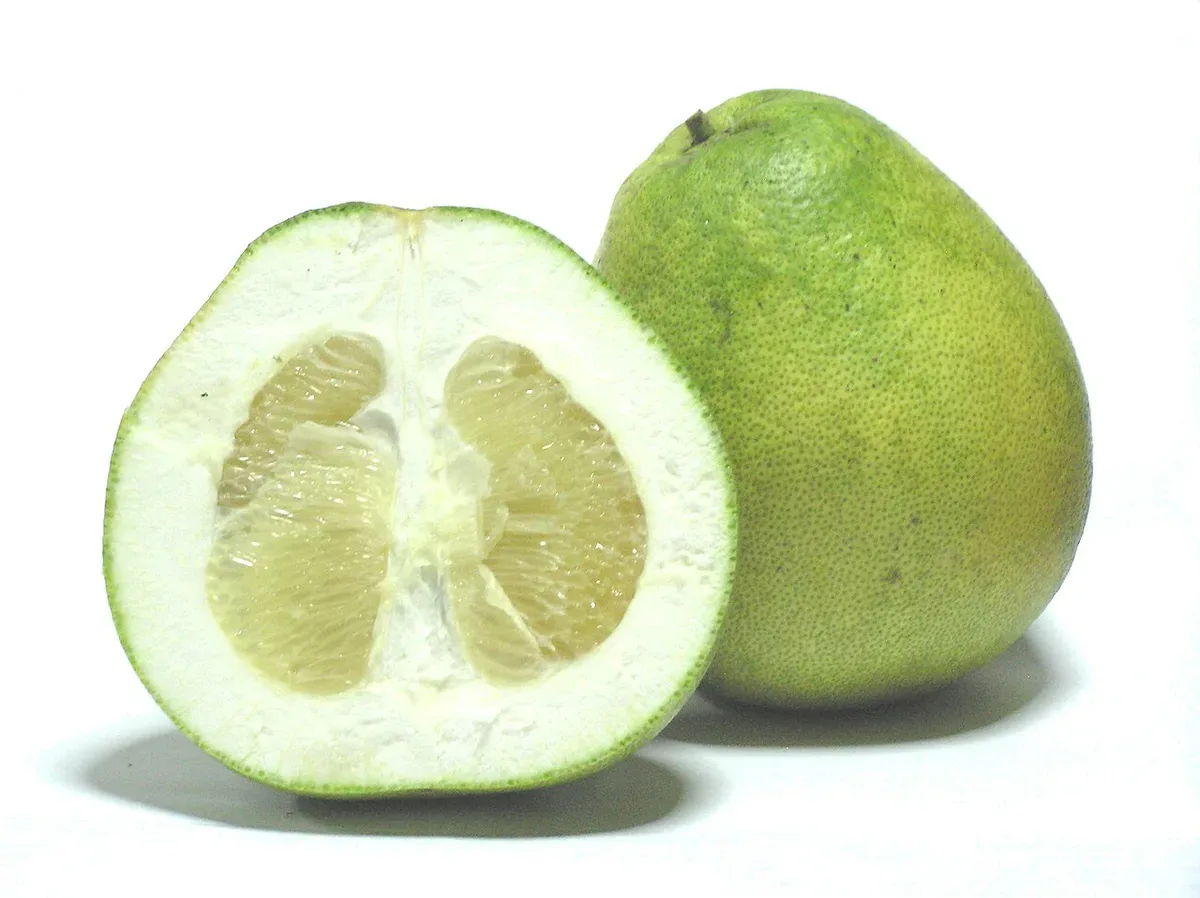
Featured image: Ananda, CC BY-SA 3.0, via Wikimedia Commons.
Pomelo vs grapefruit: how to tell them apart
Pomelo and grapefruit are close relatives, and the names get mixed up in shops and on menus. Botanists generally describe grapefruit as a cross between pomelo and orange, so pomelo is the older parent. Pomelo is far larger, with a much thicker rind and a firmer, drier segment. Grapefruit tastes similar but is slightly less sweet. Pomelo diameter runs roughly 5 to 10 inches, and a single fruit can weigh several pounds.
| Fruit | Size | Rind and pith | Flavor | Best use |
|---|---|---|---|---|
| Pomelo | Largest citrus, about 5 to 10 inches across | Very thick rind, heavy pith to remove | Sweet, mild acidity, firm segments | Eaten fresh, in salads |
| Grapefruit | Smaller than pomelo | Thinner rind, pith still bitter | Tart, slightly less sweet | Halved, juiced |
| Orange | Smallest of the three | Thin rind, little pith | Sweet and juicy | Eaten out of hand, juiced |
What pomelo tastes like
Expect sweet, gently tart flesh with a clean citrus finish. Segments are larger and firmer than orange, and they separate into juicy, slightly crunchy beads. Flesh color ranges from whitish to pale yellow to pink, and taste shifts with variety and ripeness. Some fruit is juicy, some a little dry. Pith and membrane taste bitter, while the flesh itself is much milder, so strip every bit of white before eating.
Thai pomelo varieties and where they grow
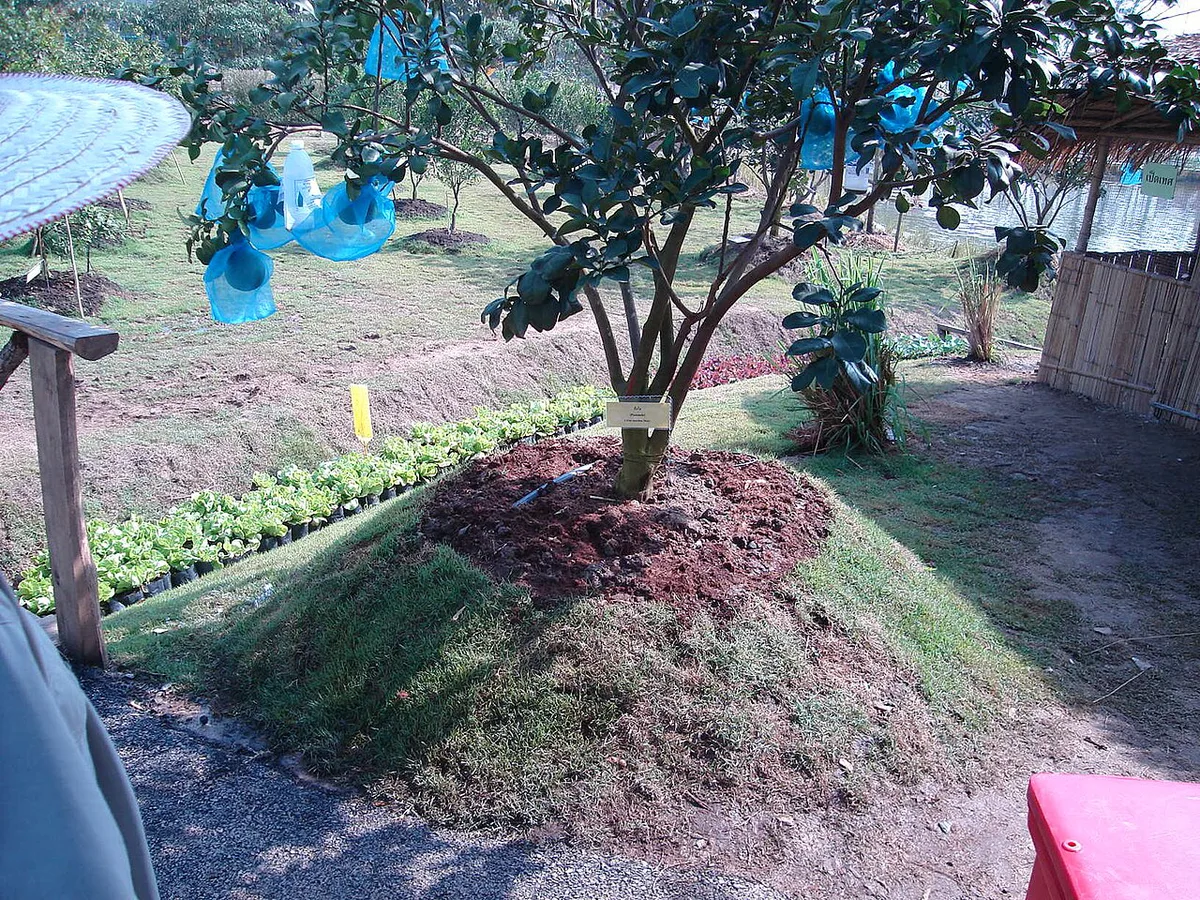
Thai growers sell several named types of som-o. Khao Nam Phueng, Tabtim Siam and Khao Yai are the names to look for on market signs. Nakhon Chai Si, in Nakhon Pathom province, is a well-known growing area for Thai pomelo. Flavor, juiciness and seediness differ by type, so ask the vendor which one is sweetest that day. Pink-fleshed fruit is not automatically sweeter than pale fruit, so let a taste sample decide.
How to choose, peel and store pomelo
Pick a fruit that feels heavy for its size, with smooth skin and a faint citrus smell at the stem end. A light fruit tends to be dry inside. Peeling takes a minute once you know the steps, and a sturdy knife helps. Cut off a slice of about 2 inches from the pointed end, then score the rind in notches around the fruit and use them as finger grips.
- Slice off the top and bottom, about 2 inches from the pointed end.
- Score the thick rind in four to six lines from top to bottom.
- Peel the rind away in strips and set it aside.
- Split the fruit into wedges and pull away the white pith.
- Peel the membrane off each segment, since it is bitter and tough.
- Eat right away, or refrigerate the segments in a covered container and finish them promptly.
How Thais eat pomelo
Many Thais eat pomelo plain and chilled, pulled apart into loose segments. Street vendors sell peeled segments in plastic bags or boxes, ready to eat. The best-known dish is yam som-o, a pomelo salad that pairs the fruit with Thai flavors such as chili and garlic. Cooks also combine it with seafood, coconut, peanuts and Thai spices. Dried and candied pomelo peel exist too, though candied rind is a different snack from fresh segments.
Where to buy pomelo in Thailand
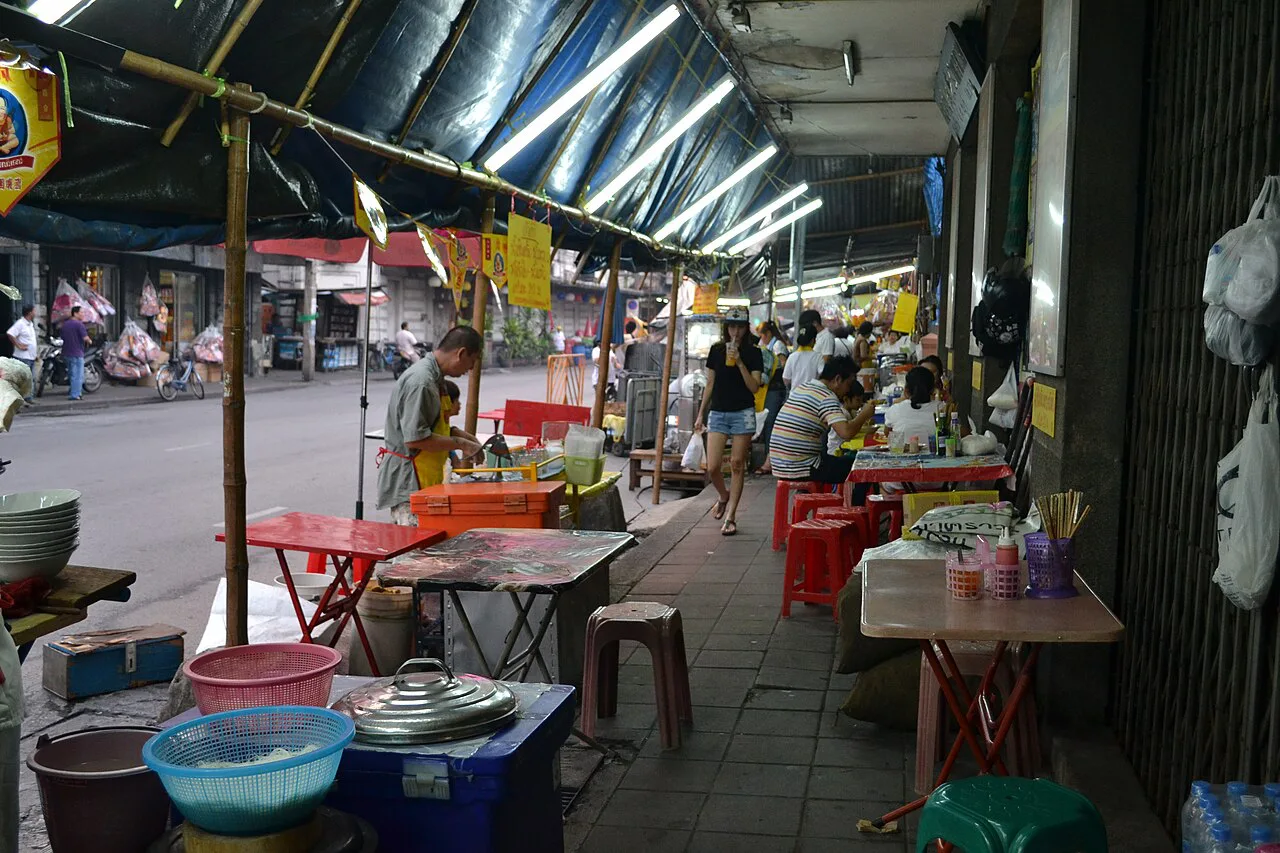
Fresh markets, supermarkets and roadside fruit stalls all sell pomelo, whole or peeled. Pre-peeled bags cost more per bite of fruit but spare you the knife work. Whole fruit lets you judge weight and smell. Prices change by variety and vendor, so check the displayed price per fruit or per bag before paying.
| Format | Convenience | Waste | Cost level | Best for |
|---|---|---|---|---|
| Whole fruit | Needs a knife and time | Heavy rind and pith | Lower | Hotel stays with a kitchen |
| Peeled bag | Ready to eat | Almost none | Higher | Street snacking, day trips |
| Dried pomelo | Shelf-stable | None | Varies | Carrying home |
When is pomelo in season in Thailand?
We have no verified month-by-month calendar for Thai pomelo, so we will not guess one. Ask vendors what is freshest, and see our Thai fruit season guide for the wider picture.
Pomelo nutrition and the medication caution
Pomelo is low in fat and high in vitamin C, according to the French national food composition table, with 100 g of flesh counted as a good source. It also supplies some fiber and potassium. Skip disease-prevention claims, which rest mostly on lab and animal studies. If you take statins or other medication that carries a grapefruit warning, ask a doctor or pharmacist first. Pomelo contains the same furanocoumarin compounds that cause that warning. Dried pomelo often has added sugar, so it carries more calories than fresh fruit.
Traveler tips and mistakes to avoid
A whole pomelo weighs several pounds, so buy it near the end of the day, not before a long walk. Peeled bags are the lighter option for day trips. Before packing fruit for a flight or border crossing, read your airline's baggage rules and the customs page of your destination country. Rules on fresh fruit differ widely.
A whole pomelo at 5 to 10 inches across is bulky, so buy it late in the day and choose peeled bags for day trips.
- Leaving pith on the segments, which makes the fruit bitter.
- Buying a light, dry-feeling fruit.
- Ignoring medication warnings that apply to grapefruit.
- Packing a whole fruit without reading customs rules.
- Assuming dried pomelo has the same calories as fresh.
Pomelo among Thai fruits
Pomelo sits at the mild, sweet end of the Thai fruit lineup. If strong smells put you off, start here before attempting durian in Thailand. Mangosteen is another gentle choice, and rambutan offers a juicy, easy-to-open contrast. For more textures, try longan for sweetness, dragon fruit for a soft, mild bite, and jackfruit for a chewy, fragrant one.
- Salak: crisp and tart with a snakeskin shell.
- Sugar Apple in Thailand: How to Pick, Ripen and Eat It: soft, creamy and very sweet.
- Langsat: small, juicy and slightly sour.
- Santol: tart, with a cotton-like texture.
For trip-planning details, see Pomelo.
Thai food notes for your next trip
Optional updates to our food guides.
You might also like


Continue reading
More guides you'll find useful