Thai Coffee: What It Is, How to Order It & Where to Try It
Learn what Thai coffee is, how to order it your way, street stall vs cafe trade-offs, and what to skip in Thailand.
On this page
Last updated November 2026. Thai coffee means two different drinks in Thailand: the sweet, strong iced coffee sold at street stalls, and the specialty cups poured in northern cafes from highland-grown beans. This guide explains both, shows you how to order each one, and says who should skip the sugar-heavy version.
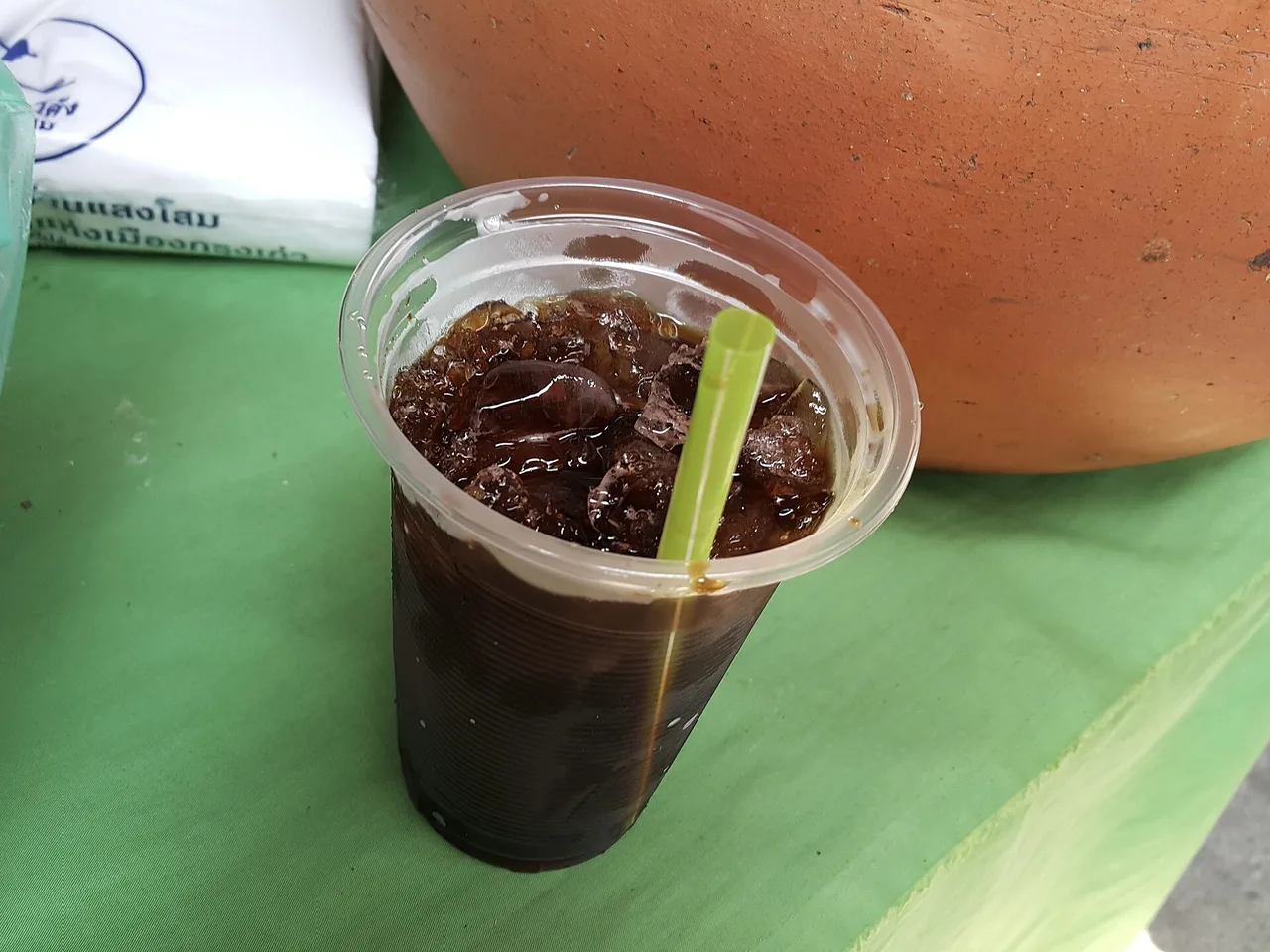
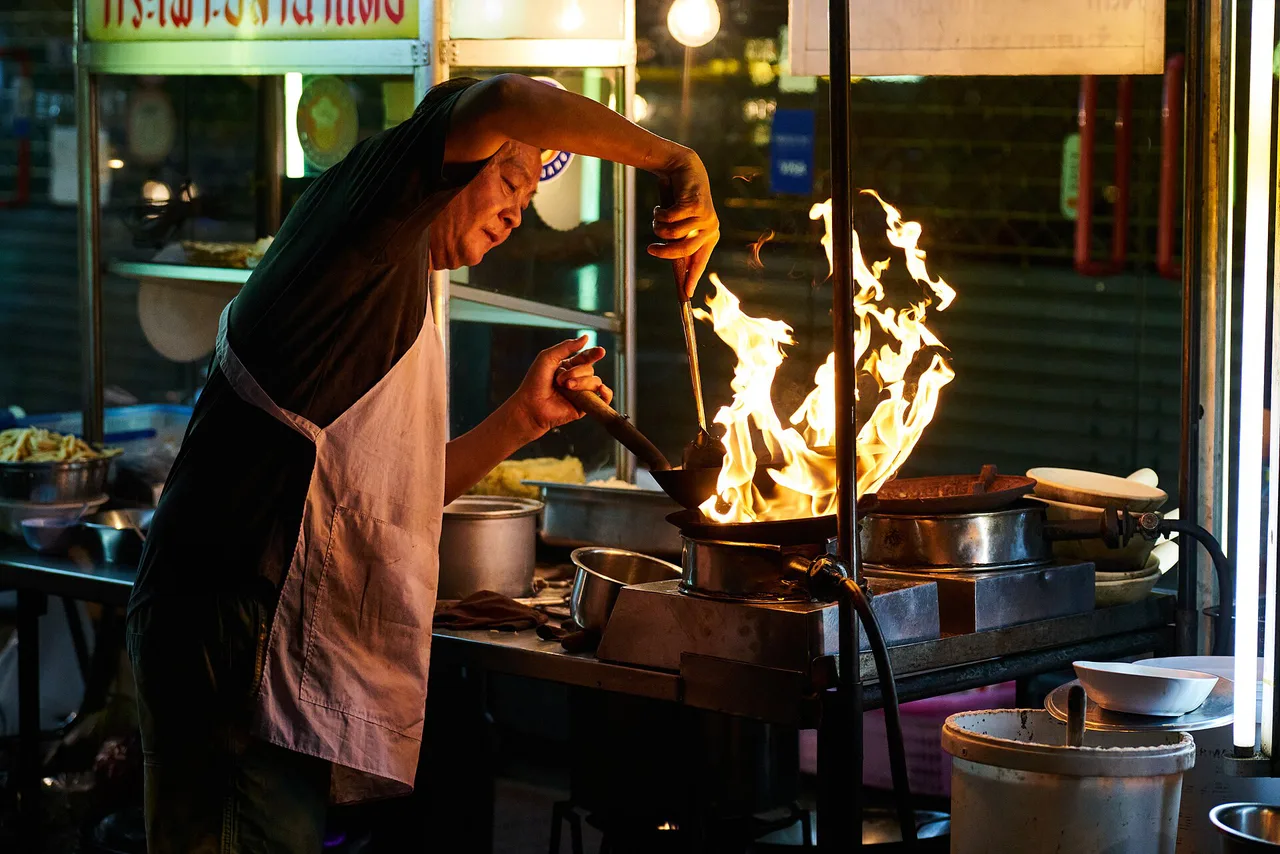
Featured image: Chainwit., CC BY-SA 4.0, via Wikimedia Commons.
What Is Thai Coffee?
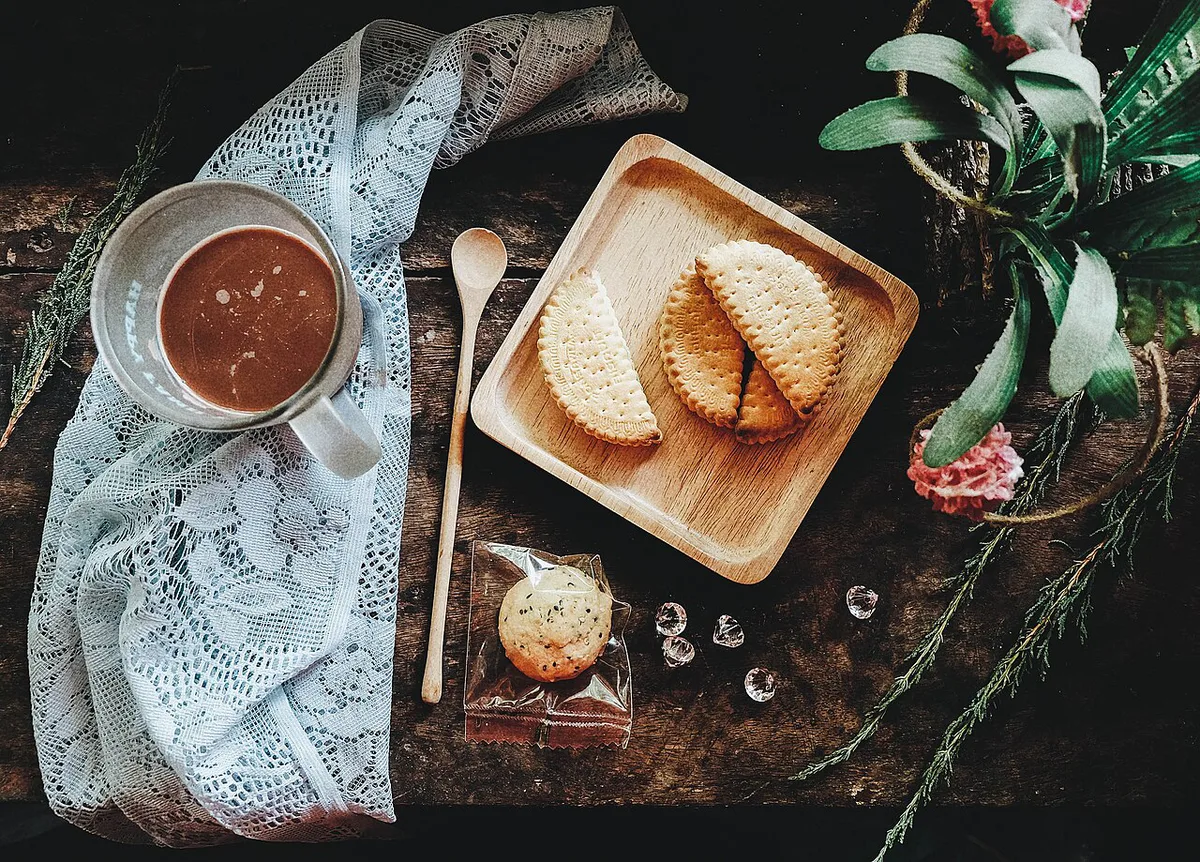
Thai coffee is a strong, sweet, iced coffee, usually finished with sweetened condensed milk. Vendors pour it over ice, which suits Thailand's heat. A black version called oliang leaves out the milk but keeps the sweetness. Menus also show ka-fe yen, meaning iced coffee with milk. Romanized spellings vary from stall to stall, so look for the sound rather than one fixed spelling. Alongside this street style, a second scene has grown in the north. Specialty cafes there serve single-origin cups from highland farms, especially around Chiang Mai.
How Thai Coffee Is Traditionally Made
Street-style Thai coffee starts with a dark, strong brew. Vendors typically strain it through a cloth filter, a cotton bag hung from a metal ring that some call a coffee sock. Sweetener goes in next, then ice. Traditional blends often use dark-roasted beans, sometimes mixed with roasted grains or seeds. Many stalls serve the result in plastic cups or bags. Home cooks copy the method with a strong brew and condensed milk, and recipes are easy to find online. Steep times differ between cooks, so treat any single number as a starting point. Once you are in Thailand, ordering matters more than brewing.
How to Order Thai Coffee in Thailand
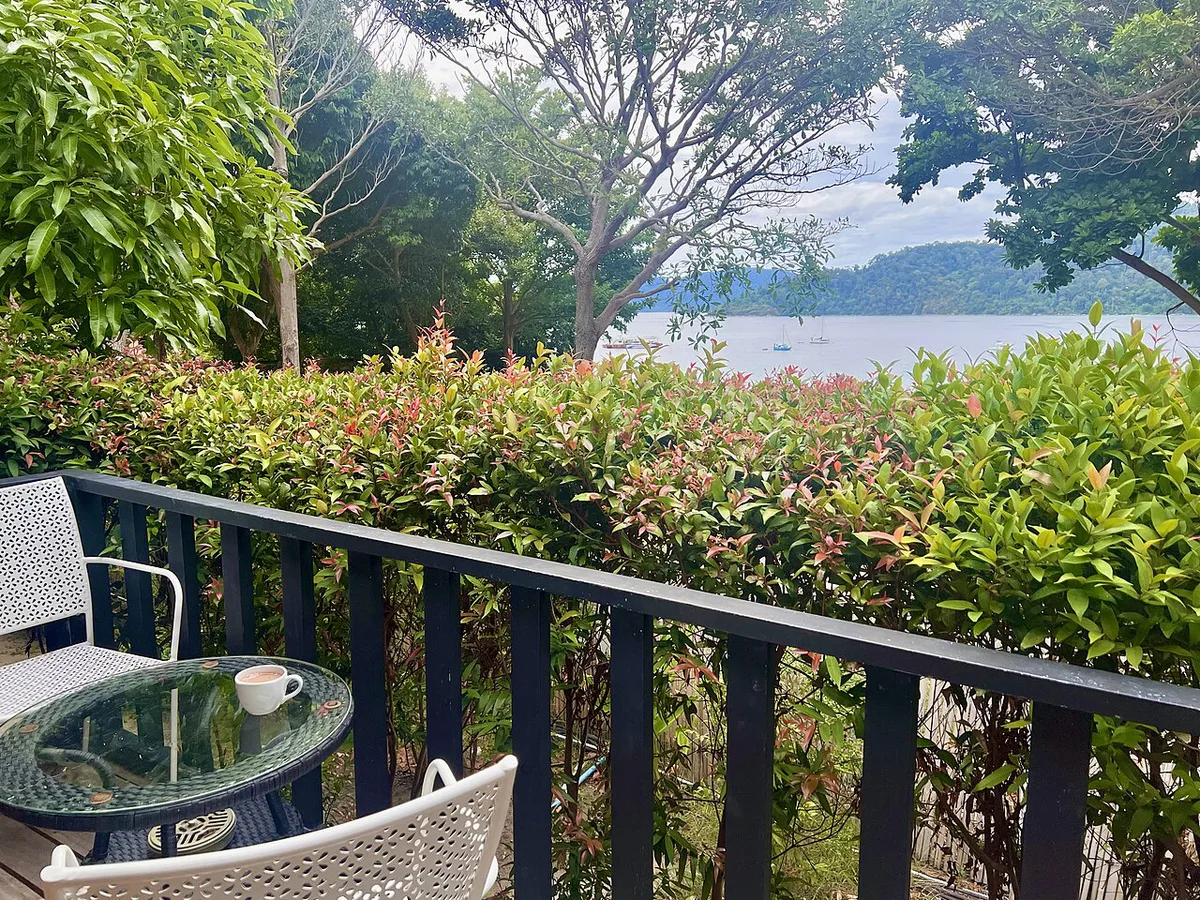
Stalls make drinks to order, so adjusting a cup is normal. Say what you want before the milk goes in. English works at most cafes, and pointing at a cup works at stalls. If you like a milky, sweet cup, compare it with the sweet milk drink nom yen and with Thailand's famous orange tea. Both use the same condensed-milk logic, so the flavor map will feel familiar.
| Option | What it changes | When to choose it |
|---|---|---|
| Ka-fe yen (iced coffee with milk) | Adds condensed milk for a creamy, sweet cup | Hot afternoons, or your first Thai coffee |
| Oliang (black iced coffee) | No milk, still sweetened, stronger coffee taste | You want sweet coffee without dairy |
| Less sweet | Lighter sugar and condensed milk | Anyone watching sugar, or tasting a stall for the first time |
| Hot instead of iced | Removes ice and dilution | Cool mornings, or if you want to avoid ice |
| Black, no sugar | Plain coffee with no sweetener | Specialty cafes, where baristas expect the request |
Street Stall vs Specialty Cafe: Which to Pick
Both styles are worth trying, and they answer different moods. Stalls give you the classic sweet, dark cup quickly. Cafes give you control over roast, origin and sweetness. Pick a stall for tradition and a cafe for a quieter seat and a cleaner coffee flavor. If neither appeals, try the green tea options instead.
| Street stall | Specialty cafe | |
|---|---|---|
| Taste | Dark, bold, heavily sweetened | Varies by origin and roast; often lighter and fruitier |
| Sweetness | High by default | Adjustable, often served black or lightly sweet |
| Price level | Cheaper | A little pricier |
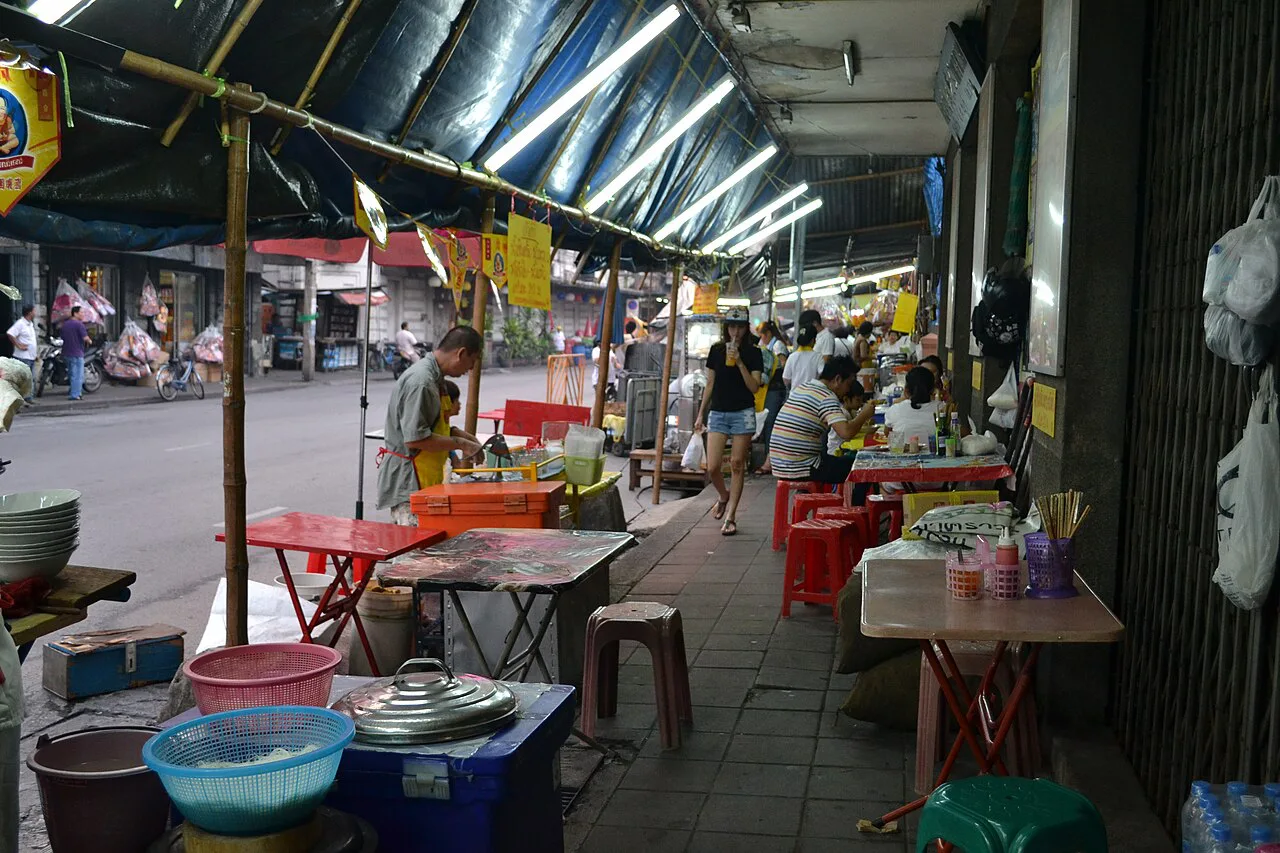
| Setting | Standing or quick takeaway, plastic cup | Seating, air conditioning, longer visits |
| Best for | The classic Thai iced coffee experience | Single-origin beans and a slower break |
Where Thai Coffee Comes From (and Where to Try It)
Thailand's specialty beans come mainly from northern highlands. Doi Chang is one well-known growing area, and Doi Tung is another. The Doi Tung Development Project is a good starting point for learning about that area. Chiang Mai is the easiest base for tasting northern coffee, because its cafes pour beans from these hills. For regional trip planning, the Tourism Authority of Thailand covers the north. Street-style cups are easy to find in any city, so you can drink both styles in one trip.
Timing, Heat and Health Notes
Morning suits specialty cafes, when a black or lightly sweet cup works well. Afternoon heat is when a sweet iced cup tastes best, but the sugar and caffeine hit is real. Sensitive travelers should order one size down or ask for less sweet. For something hydrating and lighter, try fresh coconut water between coffees. Evening calls for something else, such as a cold local beer. On ice and water safety, follow official health guidance for travelers rather than stall rumor. If you are unsure, order your drink hot.

- Mistake to avoid: ordering a default cup when you are sugar-sensitive. Ask for less sweet before the vendor pours.
- Mistake to avoid: drinking several sweet iced coffees on an empty stomach in the afternoon heat.
- Mistake to avoid: assuming oliang is unsweetened. Black does not mean sugar-free.
- Mistake to avoid: expecting plain black coffee at a stall. Cafes are the better bet for that.
Bringing Thai Coffee Home
Buy sealed packs, and pick whole beans if you own a grinder. Ground Thai coffee powder suits street-style brewing with a cloth filter, and it packs flat in a suitcase. Look for labels that name the origin and roast, such as Doi Chang or Doi Tung, rather than anonymous tourist mixes. Customs rules for coffee differ by country, so check your own border authority before packing. For more to sip in your suitcase or your glass, browse our wider range of drinks in Thailand.
Frequently Asked Questions
What is the traditional coffee in Thailand?
Traditional Thai coffee is a strong, dark, sweet brew strained through a cloth filter. Vendors serve it iced, often with sweetened condensed milk. The black version is called oliang.
What's the difference between Thai tea and Thai coffee?
Both are sweet, iced drinks that often get a condensed-milk finish. Coffee tastes darker and more bitter under the sugar. Tea tastes milder and more spiced.
Thai food notes for your next trip
Optional updates to our food guides.
You might also like
Continue reading
More guides you'll find useful