Thai Condiments: What's on the Table and How to Use It
Learn the Thai condiments on every noodle-shop table, what each adds, how to adjust heat, sour and salt, and what to bring home.
On this page
Last updated November 2026: Thai condiments are the flavor-adjusting items placed on the table or served beside a dish, and diners season to taste. The core set is sugar, dried chilli flakes (prik bon), chilli in vinegar (prik nam som), chilli in fish sauce (prik nam plaa) and fish sauce. We wrote this guide for visitors eating at noodle shops, street stalls and casual restaurants.
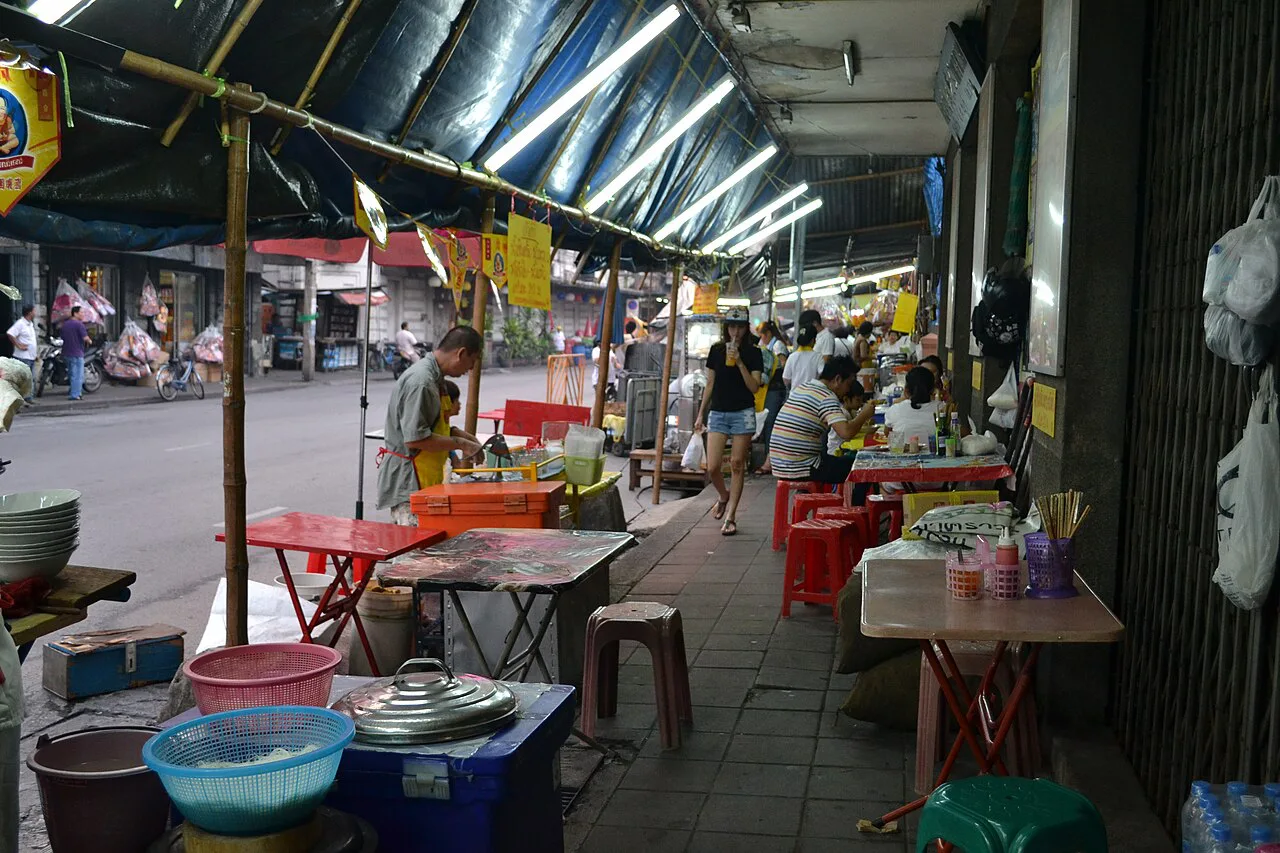
Featured image: Takeaway, CC BY-SA 3.0, via Wikimedia Commons.
Thai Condiments at a Glance: The Table Caddy
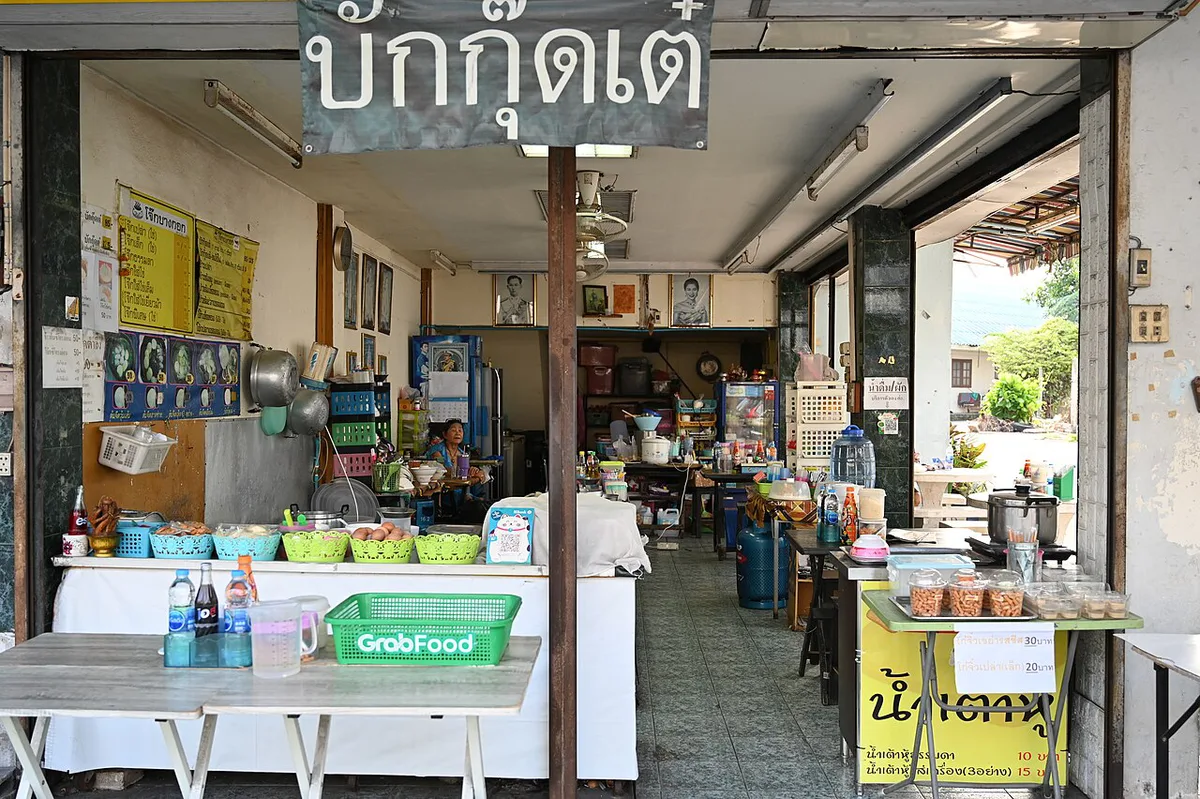
Sit down at a noodle shop and a small caddy usually waits for you. It holds four items, and each one pushes the bowl in a different direction. Nothing in it is a garnish. Every jar is a dial you turn after you have tasted the dish. Our pick for a first meal is simple: taste the bowl plain, then change one thing at a time.
- Sugar: adds sweetness.
- Prik bon (พริกป่น), toasted chilli powder: adds heat.
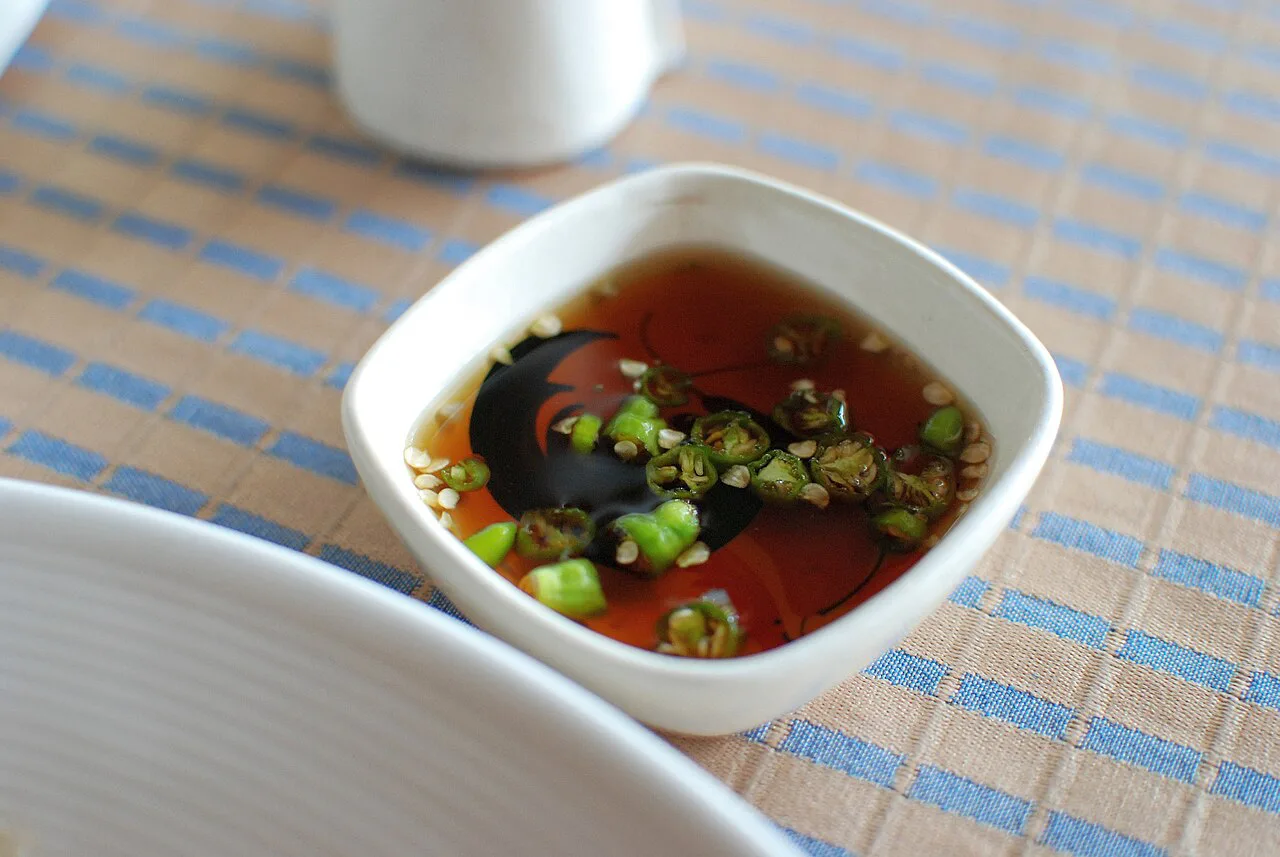
- Prik nam som (พริกน้ำส้ม), chilli in vinegar: adds sourness.
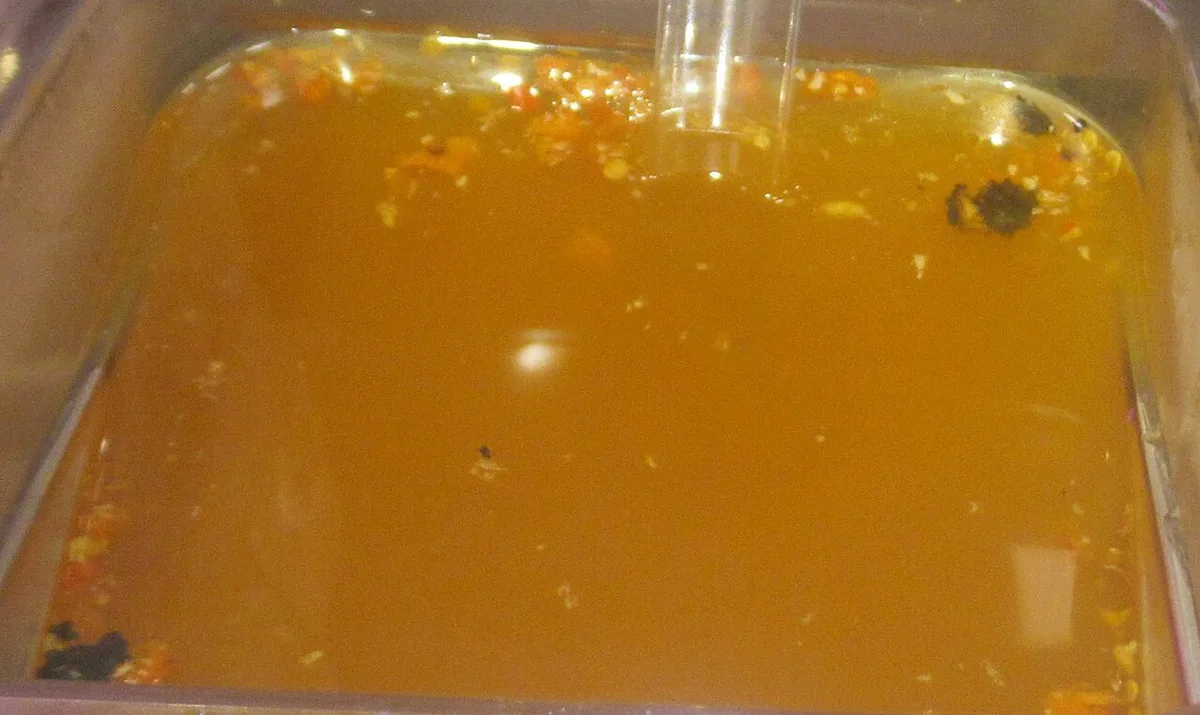
- Prik nam plaa (พริกน้ำปลา), chilli in fish sauce: adds salt.
The Noodle-Shop Condiment Set: Sugar, Chilli Vinegar, Chilli Fish Sauce and Chilli Flakes
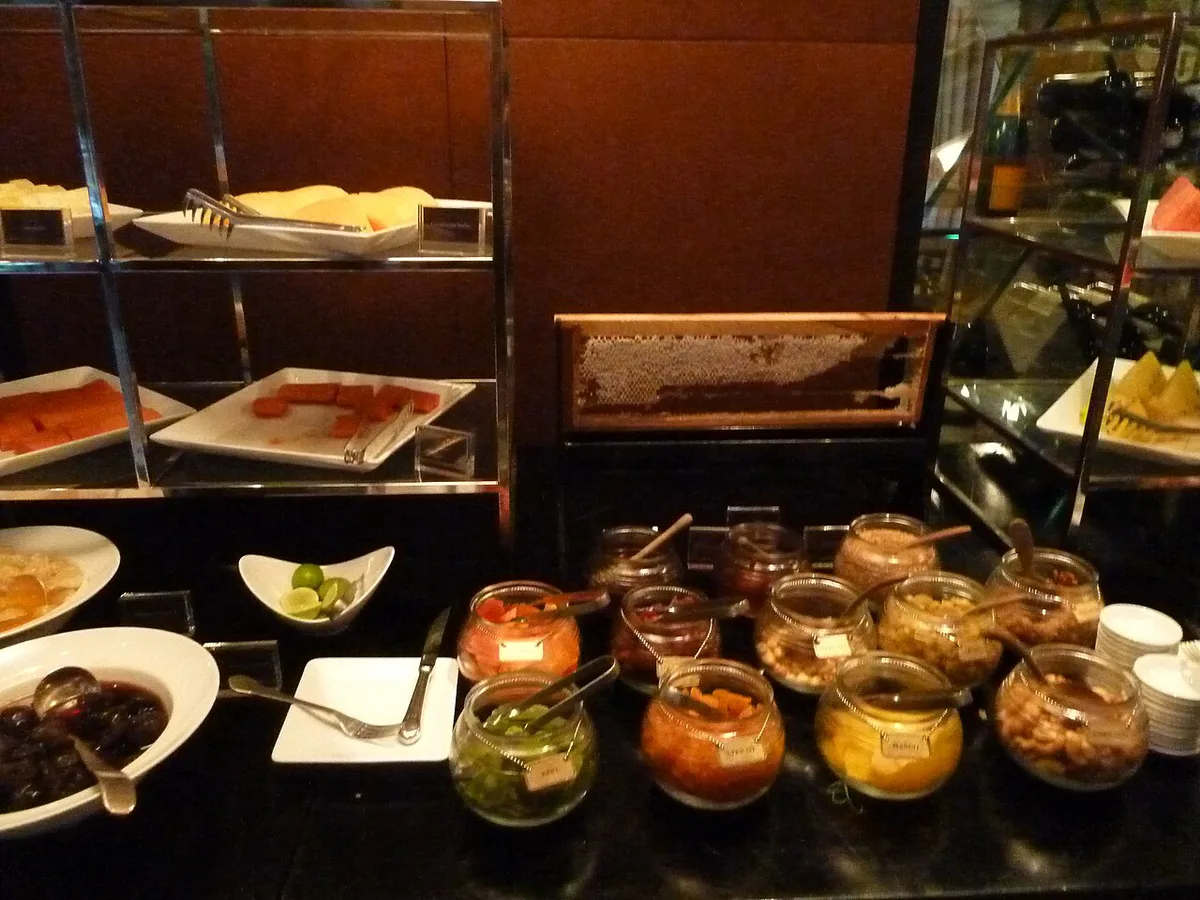
Any noodle-soup seller in Thailand will offer at minimum a version of three seasonings, plus sugar. Thais believe people should be able to adjust flavors to suit their own palates. That belief explains the caddy. Toasted chilli powder (prik bon) supplies spiciness. Chilli vinegar, also written nam som prik dong (น้ำส้มพริกดอง), supplies sourness. Prik nam plaa, also called nam plaa prik, is little more than Thai chillies soaked in fish sauce, and it adds salt. Some versions include lime juice, shallots or garlic. A good vinegar jar is made from distilled vinegar at around 5% acidity, so it tastes sharp rather than harsh. Start with a quarter teaspoon of anything. Stir, taste, then decide whether the bowl needs more. Our full walkthrough of the ritual sits in How to Eat Thai Food: Utensils, Sharing & Etiquette.
Chilli vinegar made from distilled vinegar at 5% acidity tastes sharp rather than harsh, so start with a teaspoon at most.
Nam Jim Jaew and Other Dipping Sauces at Grilled-Meat Stalls
Nam jim jaew is the dipping sauce you meet beside grilled meats, especially gai yang (grilled chicken) and other barbecue dishes. Its base is tamarind, fish sauce and sugar, with finely chopped garlic, shallot, green onion and chilli. Expect a tart, salty, slightly sweet sauce that is sometimes spicy. A traditional version may include a small amount of ground toasted rice, which adds a toasty note and a little body. Spoon it onto the meat rather than pouring it over sticky rice. If the heat worries you, ask for the chilli on the side. Stalls often serve it in a small bowl, so you can dip and judge as you go.
Chilli Jam (Nam Prik Pao) and Pastes: What Goes Into the Dish First
Nam prik pao (น้ำพริกเผา) is Thai chilli jam. You usually meet it inside a dish rather than beside it. It is an integral ingredient in creamy restaurant-style tom yam soup and in various yam-style salad dressings. Pao refers to a style of cooking in which ingredients are charred over heat. Many cooks now deep-fry the shallots, garlic, galangal and chillies instead. That means the sweet-savory depth in your tom yam arrived before the bowl did. You rarely need to add more at the table. Red curry paste works the same way. Basic kua curry paste (prik gaeng kua, พริกแกงคั่ว) is the plain red base that other pastes build on.
Fish Sauce, Soy Sauces and Tamarind: The Savory and Sour Backbone
Fish sauce (nam plaa) provides the salt in the caddy's chilli jar and in nam jim jaew. Light Thai soy sauce sometimes stands in for it where fish sauce is avoided. Tamarind provides sourness and body. It thickens sauces so they cling, and it is required for pad thai. Cooks make tamarind water (nam makaam piak, น้ำมะขามเปียก) from the fruit pulp. Sweetness often comes from palm sugar. Together these five ingredients explain most of the flavor you taste before you touch a jar. For the Thai names behind them, see our guide to Thai Food Phrases: What to Say When Ordering (With Thai Script).
What to Add When: A Goal-to-Condiment Quick-Pick Table
Use this table after your first taste. Pairings come from how these condiments are used at noodle shops and grilled-meat stalls. Add a small amount, stir, and taste again.
| You want | Reach for | Typical dish |
|---|---|---|
| More heat | Prik bon (toasted chilli powder) | Noodle soup |
| More sour | Prik nam som (chilli vinegar) | Noodle soup |
| More salt | Prik nam plaa (chilli in fish sauce) | Noodle soup |
| More sweet | Sugar from the caddy | Noodle soup |
| Tart, salty dip | Nam jim jaew | Gai yang and grilled meats |
| Crunch | Toasted peanuts, where offered | Noodle and salad dishes |
Spice, Allergy and Vegetarian Notes
To lower the heat, ask for less chilli or chilli on the side. Dip-style sauces like nam jim jaew make that easy. Fish sauce is an animal-product ingredient, and it hides in chilli jars, dressings and dips. Vegetarian and vegan readers should ask about it by name. Vegan fish sauce exists, and light Thai soy sauce with a little added salt can replace it. Peanuts appear as toasted topping and in some sauces, so people with allergies should ask before eating. Staff can tell you what is in a specific bowl. Our phrase guide has the wording for each request.
Condiment Etiquette and Common Mistakes
Adjusting a bowl is normal. Thais adjust flavor to personal taste, so reaching for the caddy is not an insult to the cook. The mistake is seasoning before tasting. The cook has already balanced the bowl. Wider table manners are covered in our Thai dining etiquette guide. For background on Thai food heritage, the Ministry of Culture is a good starting point. If you want a vetted sit-down restaurant, the MICHELIN Guide Thailand lists options.
- Mistake: adding chilli powder before tasting. Fix: taste first, then add a pinch.
- Mistake: pouring a whole spoon of chilli vinegar. Fix: use a teaspoon at most and stir.
- Mistake: dipping a used spoon into the shared jar. Fix: use the jar's own spoon.
- Mistake: assuming dips are vegetarian. Fix: ask about fish sauce before you eat.
Bringing Thai Sauces Home: Selection and Logistics
Good souvenirs include bottled fish sauce, chilli jam (nam prik pao), soy sauces and sriracha-style sauces. Read the ingredient list first. Check the packaging for tight seals and sturdy glass or plastic. Airline liquid limits and your home country's customs rules decide what travels, so read your airline's and customs agency's pages before you pack. Wrap bottles in clothing and bag them. Local eating is cheap relative to restaurant food at home, and our Thai food cost guide explains what to expect.
Frequently Asked Questions
What are the four condiments of Thai food?
At a noodle shop, the caddy holds four items. They are sugar, toasted chilli powder (prik bon), chilli vinegar (prik nam som) and chilli in fish sauce (prik nam plaa). Each adds sweet, heat, sour or salt.
What are the big 3 condiments?
Most noodle sellers offer at least a version of three seasonings. Those are toasted chilli powder for heat, chilli vinegar for sourness and prik nam plaa for salt. Sugar usually sits beside them.
Thai food notes for your next trip
Optional updates to our food guides.
You might also like


Continue reading
More guides you'll find useful