Halal Food in Thailand: Where to Eat & How to Check
Eating halal in Thailand? See which regions make it easy, how to tell halal from Muslim-owned, and what to ask at street stalls.
On this page
Last updated November 2026: halal food in Thailand is easy in Bangkok, Phuket and the Muslim-majority far south, and harder in Chiang Mai, on tourist beaches and at most street stalls. Certification and Muslim ownership are not the same thing, so check each time you eat. This guide shows which regions are easiest, how to read the signs, and what to ask before you order.
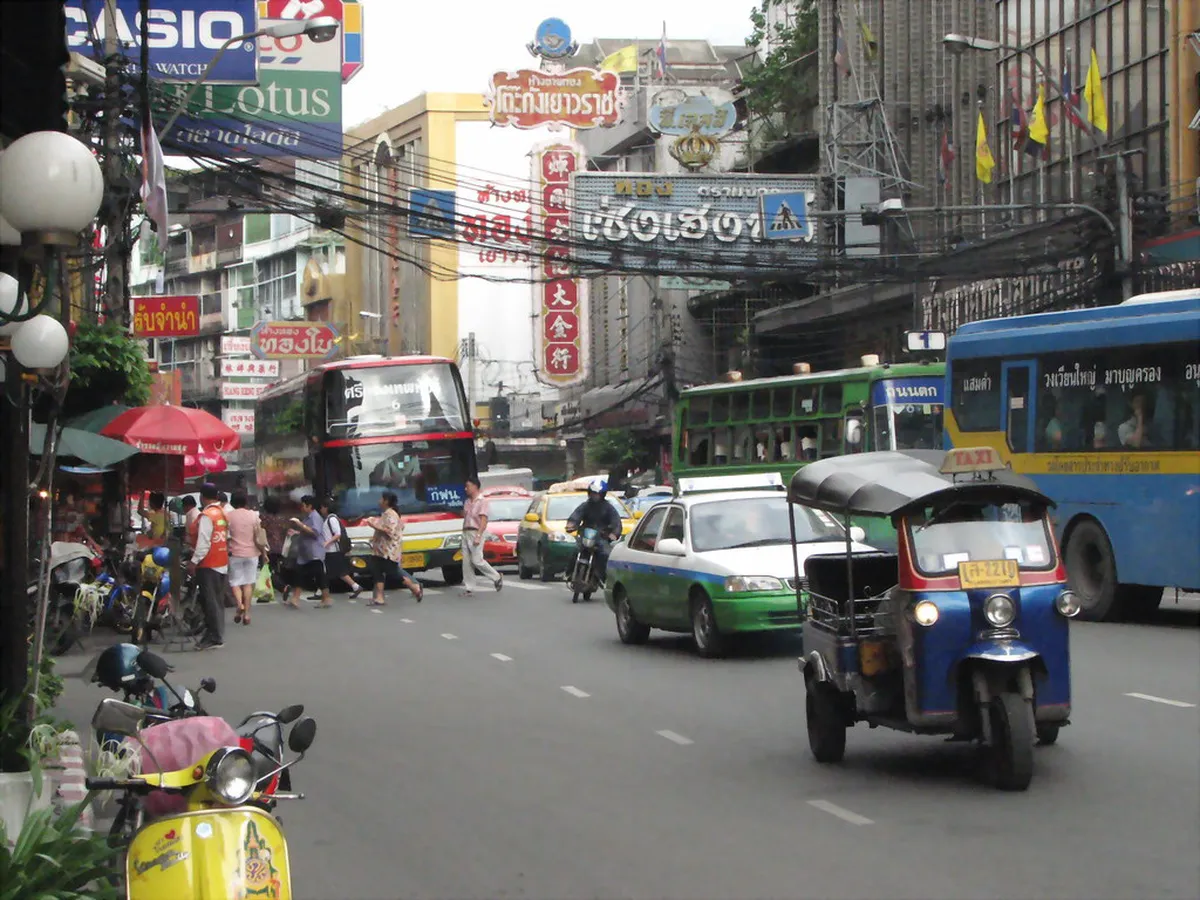
Featured image: markguim, CC BY 2.0, via Flickr.
Is Halal Food Easy to Find in Thailand?
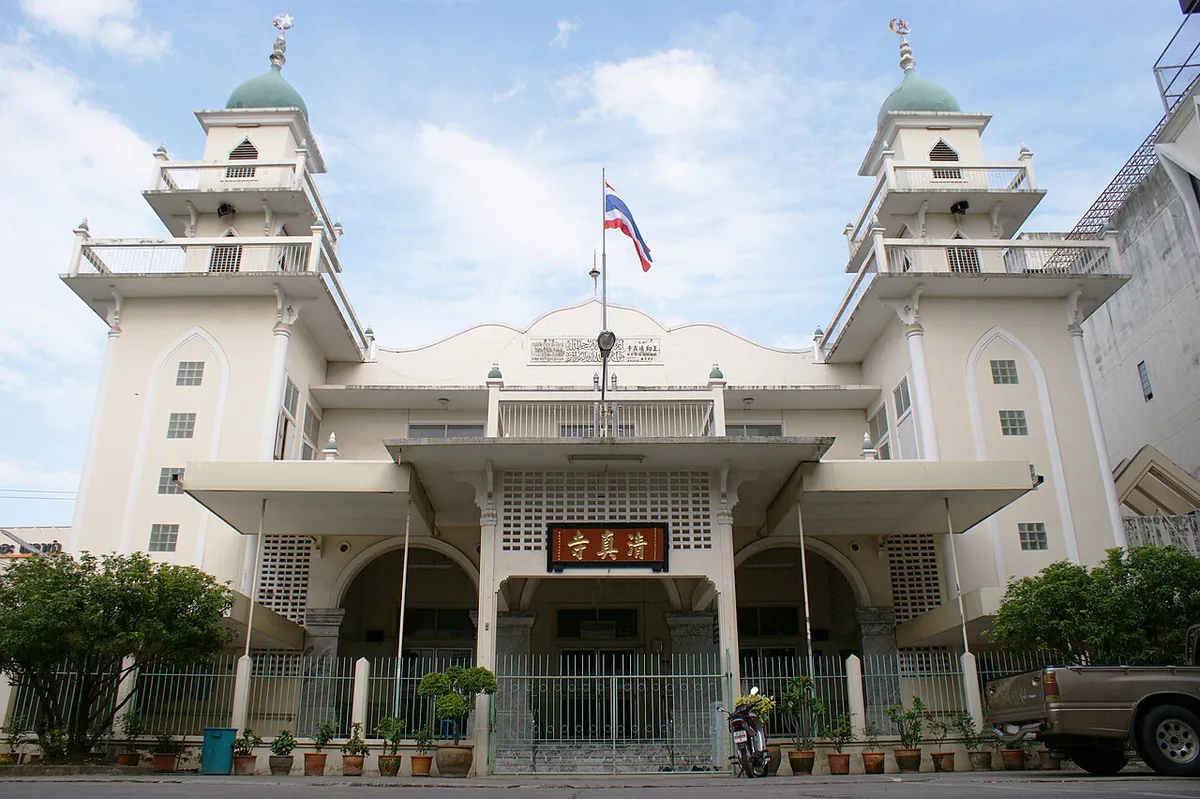
Yes, in some places. Bangkok has Muslim neighborhoods and mall food courts that make halal meals straightforward. Phuket and the Muslim-majority far south have large communities and plenty of Muslim-run kitchens. Chiang Mai, tourist beaches and most street stalls need more care. Plenty of Thai dishes are not halal by default, even when no pork is visible. If you want a fallback, start with our guide to meat-free eating in Thailand. Meat-free is not the same as halal, because fish sauce, alcohol and shared fryers can still be involved.
Halal, Muslim-Owned or Just No Pork? How to Tell
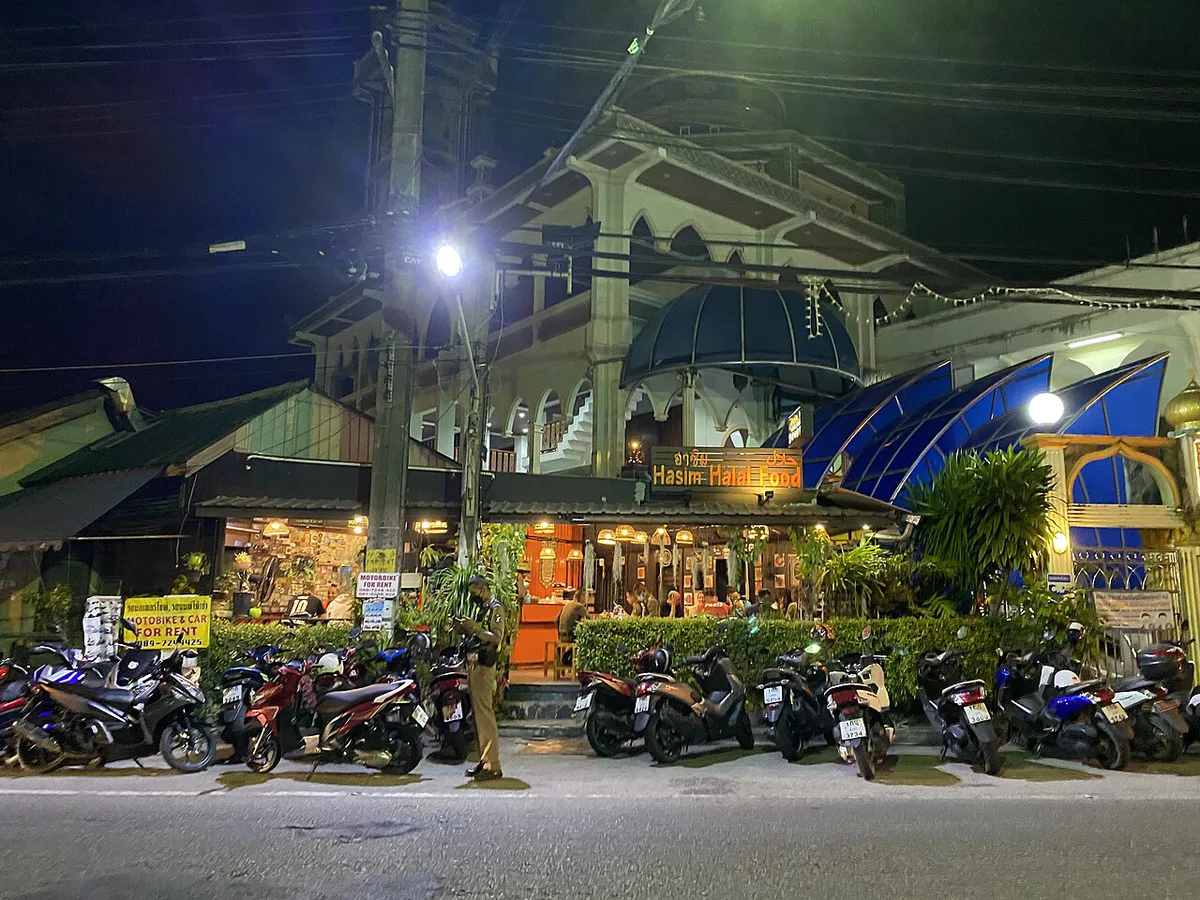
Three labels look alike on a sign but mean different things. Use the table below to separate them. Chulalongkorn University's Halal Science Center is a good starting point for how Thai halal certification works. Ask which body certified the venue, and ask to see the certificate. A logo on the door or menu is the quickest cue. Arabic or Thai-script halal signs help too, yet neither proves certification. Some Muslim-owned stalls cook halal in practice and still hold no certificate. Your own standard decides whether that is enough.
| Label | What it means | What to ask |
|---|---|---|
| Halal-certified | A certifying body has approved the venue or product | Which body certified it? Can I see the current certificate? |
| Muslim-owned | Run by Muslim owners, often halal in practice, but may hold no paperwork | Do you hold a certificate? Where does the meat come from? |
| No pork | The menu leaves out pork and nothing more | Is there lard, alcohol or a shared grill or wok? |
Halal Food in Thailand by Region
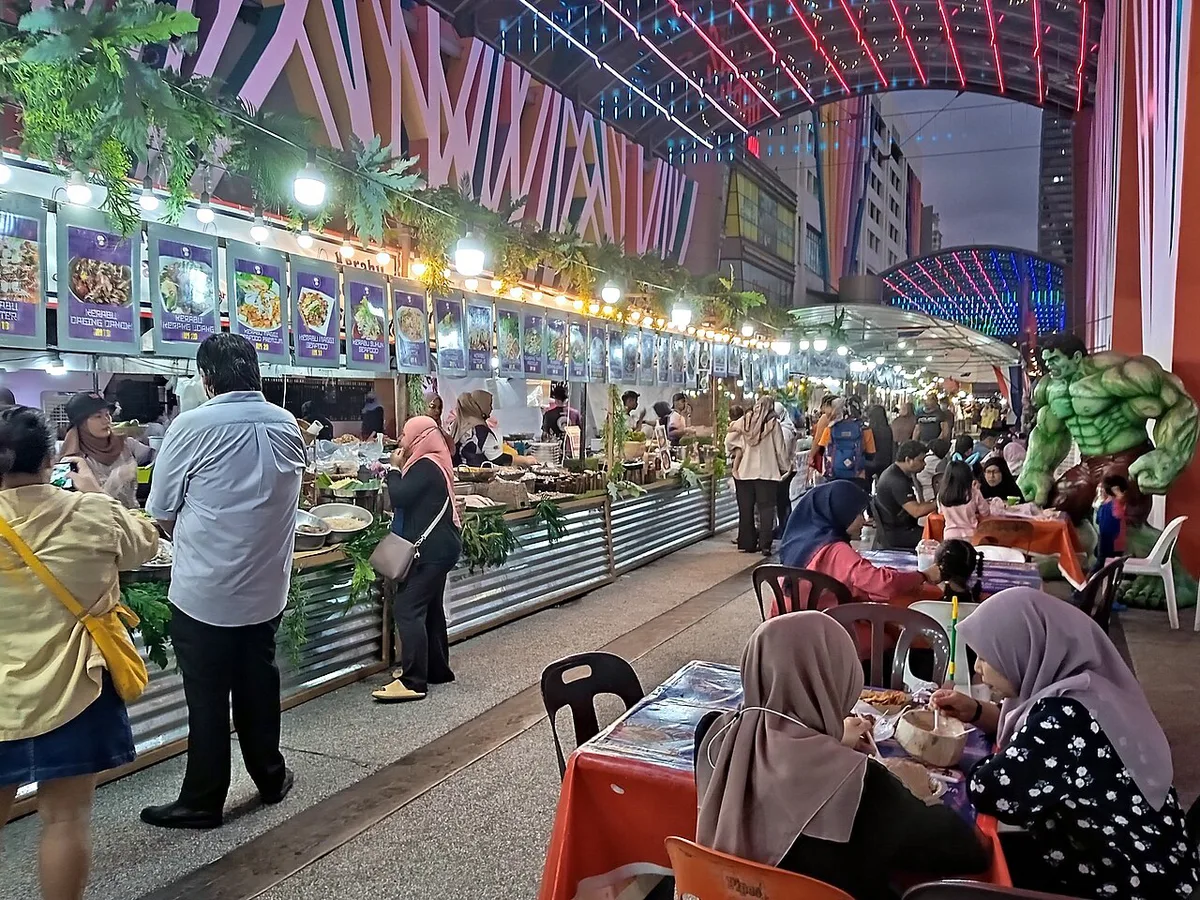
Ease depends heavily on where you land. Bangkok has Muslim neighborhoods around mosques such as Haroon Mosque in Bang Rak and Masjid Jawa on Surawong Road. Mall food courts are the easiest fallback in the capital. In Phuket, Rawai and the stilt village of Koh Panyee are reported for halal seafood. Most tourist beaches there have few halal options. Krabi and Ao Nang have many Muslim-owned restaurants, though certification varies. Pattani, Yala and Narathiwat are Muslim-majority provinces with Malay-influenced cooking. Near Hat Yai, Khlong Hae floating market is reported to have many halal vendors. Chiang Mai has a small Muslim community, and Ban Ho Mosque, built by Hui traders, anchors it. On Koh Samui, Hua Thanon village is known for halal seafood. The ratings below are our editorial assessment.
| Region | How easy | What to expect | Main risk | Best fit for |
|---|---|---|---|---|
| Bangkok | Easy | Muslim neighborhoods, mall food courts, Thai-Muslim and Middle Eastern menus | Street stalls run by non-Muslim vendors | First-time visitors wanting variety |
| Phuket | Easy in Muslim areas, mixed elsewhere | Seafood villages and family-run eateries | Tourist-beach restaurants | Seafood lovers who will travel off the beach |
| Krabi and Ao Nang | Fairly easy | Muslim-owned restaurants, curries, roti | Certification varies by venue | Island-hopping trips |
| Hat Yai and far south | Easiest | Malay-influenced cooking and halal markets | Few English menus | Travelers seeking Thai-Muslim food |
| Chiang Mai | Moderate | A smaller set of halal kitchens, khao soi | Limited choice, shared kitchens | Short stays with some flexibility |
| Koh Samui | Moderate | Halal seafood around Hua Thanon | Resort restaurants with pork | Travelers happy to base near the village |
Thai-Muslim Dishes Worth Seeking Out
Thai-Muslim cooking is its own tradition, not Thai food with the pork removed. Seek out these dishes, and put the halal question beside each one.
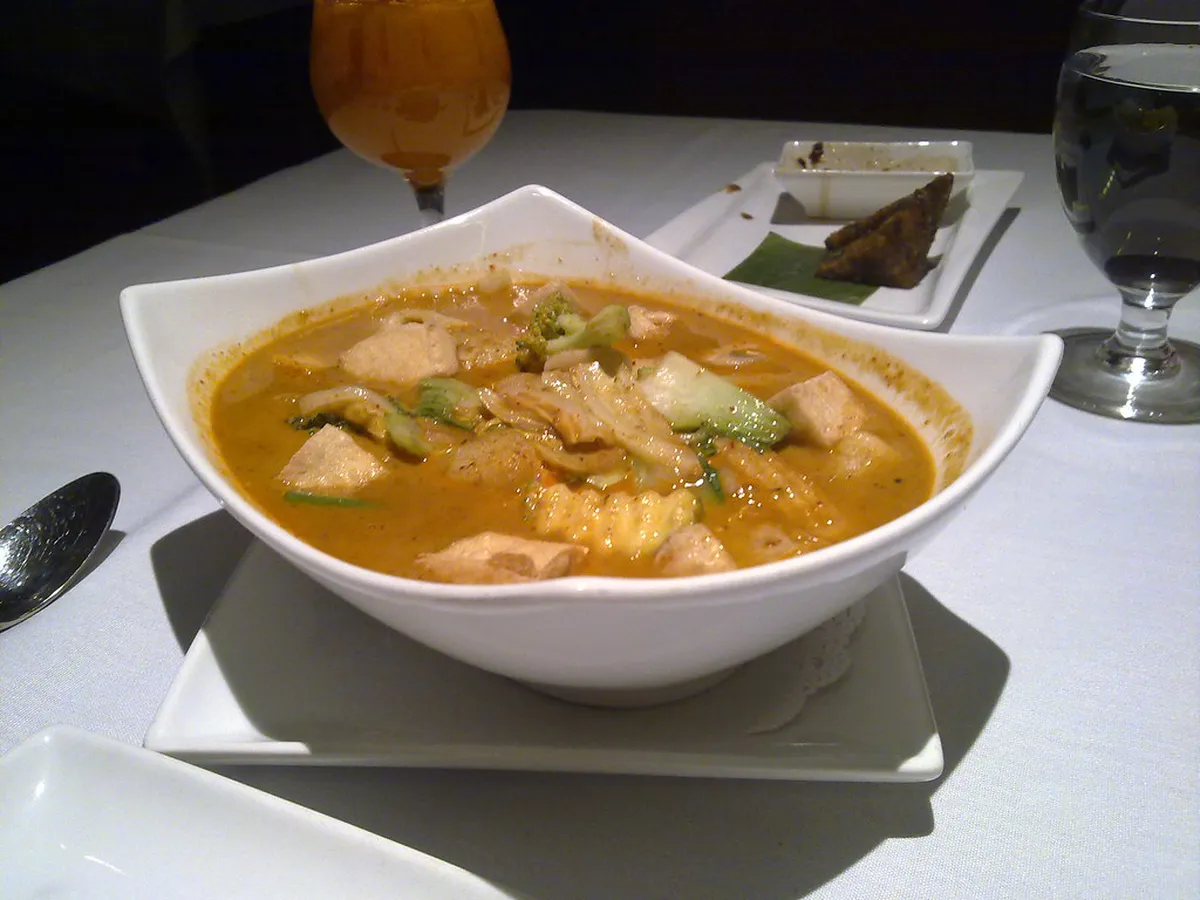
- Massaman curry: a rich, mild curry linked to Thai-Muslim kitchens. Ask about the meat source and the curry paste.
- Khao soi: Chiang Mai's curried noodle specialty, with Muslim-run versions. Ask which meat is used and whether the broth is shared.
- Roti: griddled flatbread, served with curry or with banana and chocolate. Ask what fat goes on the griddle.
- Satay: grilled skewers with a dipping sauce. Ask about the marinade and whether the grill is shared.
- Gaeng garee (yellow curry): a common Krabi dish. Ask about shrimp paste and the meat source.
- Grilled fish with Thai spices: a Krabi staple. Ask what sauces are brushed on.
Hidden Ingredients to Ask About
Thai kitchens rely on stock, sauces and shared woks, so a dish without visible pork can still fail. Put these questions to the cook before you order. Pork broth in noodle soups is a frequent trap. Vegetarian food is a partial fallback, not a guarantee. Our overview of vegan options across Thailand helps with ordering, but fish sauce and shared fryers still apply. Buddhist Jay food is another option with the same caveats. If you also screen for allergens, gluten-free eating in Thailand covers sauce-checking habits.
- Is lard or pork fat used in the wok oil?
- Is the noodle broth made from pork bones?
- Does any sauce or marinade contain alcohol?
- Are oyster sauce or shrimp paste used, and from which brand?
- Was the grill, wok or fryer shared with pork?
Street Food, Malls and Markets
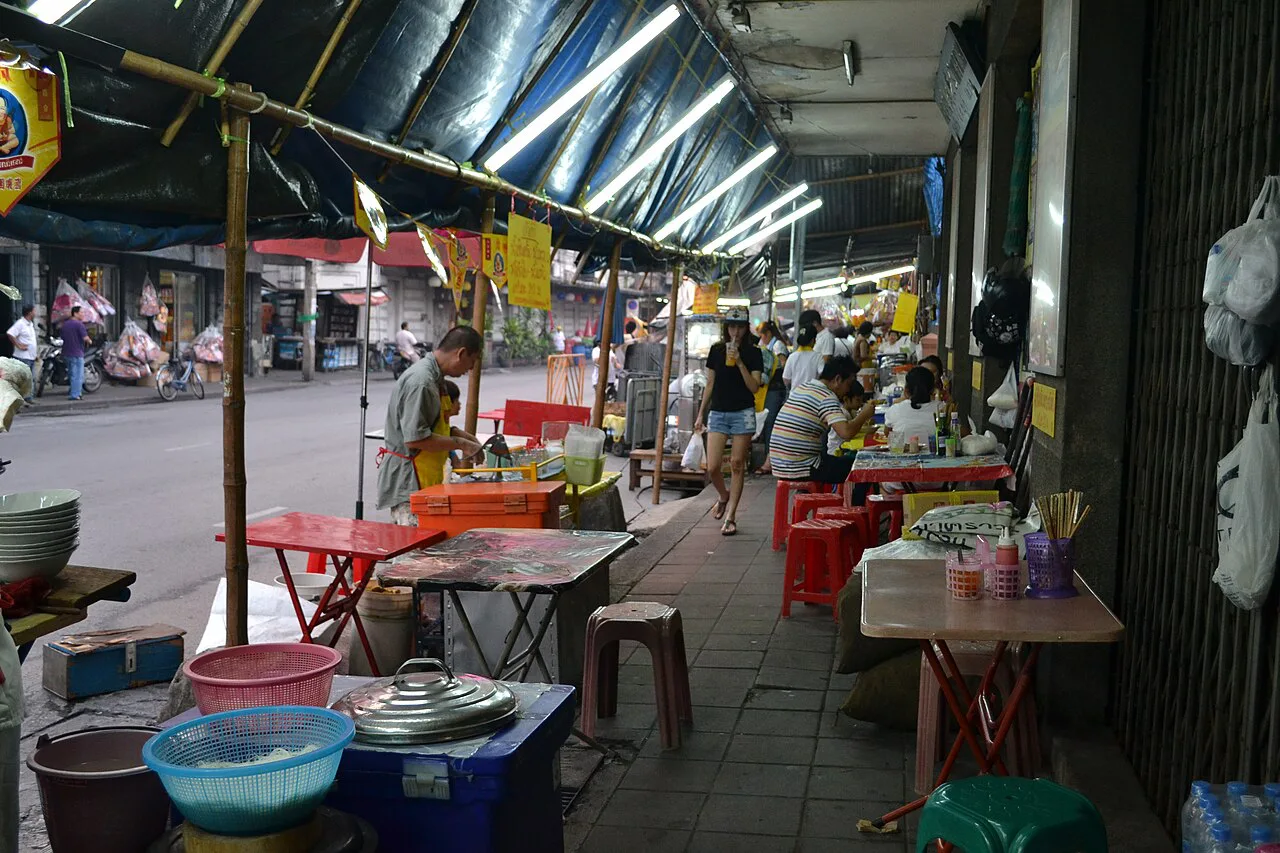
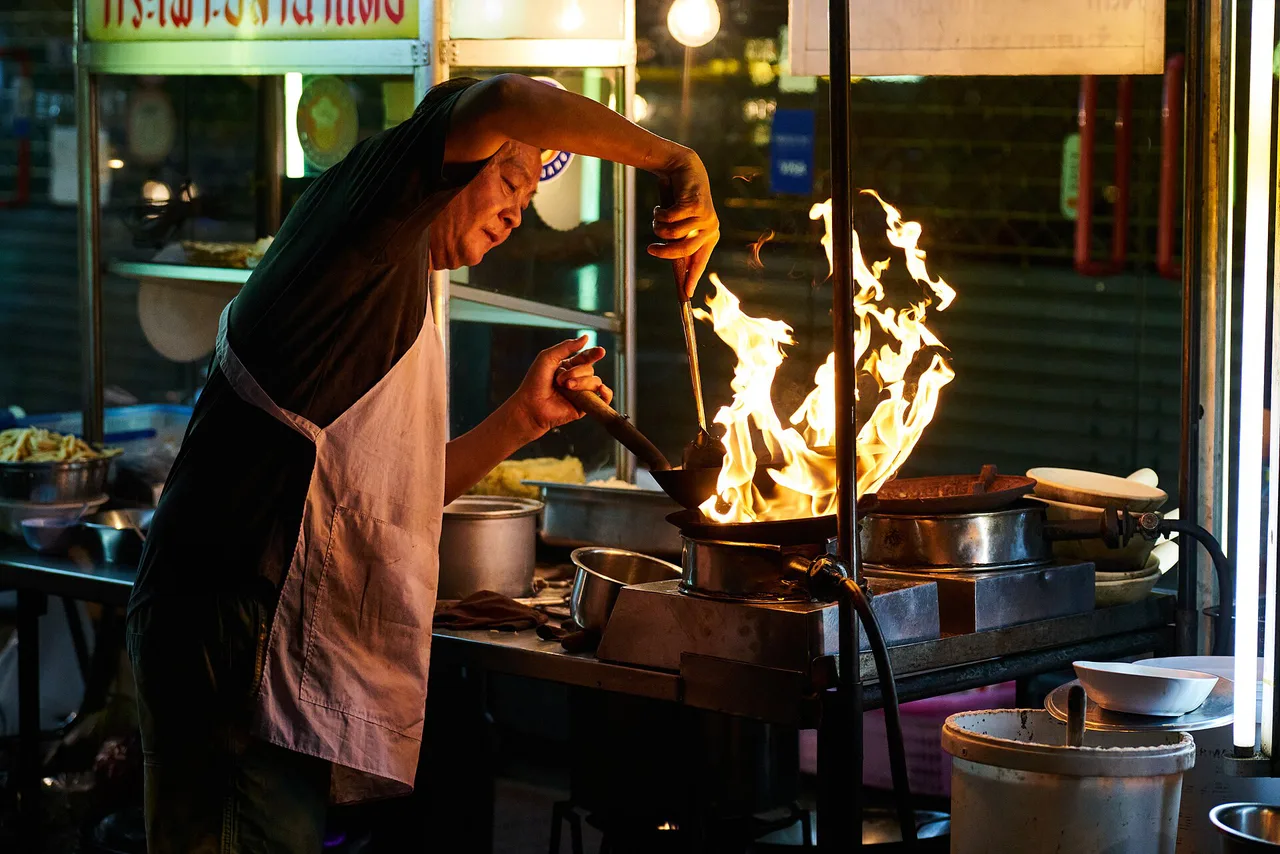
Street food works when the stall is clearly Muslim-run and the cook can answer your questions. Skip stalls where pork shares the grill, wok or chopping board. Large malls such as ICONSIAM and Terminal 21 are reported to list certified restaurants and prayer rooms. Chatuchak Weekend Market is reported to have sections selling halal snacks. For sit-down meals, MICHELIN Guide Thailand is a place to browse restaurants by area. Halal status still needs confirming with the venue.
Practical Planning for Muslim Travelers
Prayer space is easiest to find at mosques and in larger malls. Apps such as Halal Navi and Muslim Pro show prayer times and nearby halal food. Treat app listings as leads, since certification can lapse. Delivery apps work the same way, so message the restaurant with the same questions. Remote islands and tours leave few alternatives. Request halal meals when you book trips to places such as Koh Lipe or Cheow Lan Lake in Khao Sok National Park. Decide your approach in advance. Halal-first means certified or Muslim-run kitchens only. Flexible eating, such as seafood or vegetarian dishes, widens your choices but depends on your own standard. During Ramadan, opening hours at Muslim-run stalls can shift, so check on the day.
Common Mistakes to Avoid
Most problems come from assumptions. Keep this checklist handy.
- Treating "no pork" as halal.
- Assuming meat-free dishes are halal.
- Assuming a Muslim-owned stall holds a certificate.
- Trusting old restaurant lists without checking current certification.
- Eating at tourist-beach restaurants without asking questions.
- Leaving halal meals unbooked on islands and tours.
Frequently Asked Questions
Is Thai meat halal?
Not by default. Meat in general markets and restaurants is not labelled halal unless the seller says so. Buy from Muslim-run stalls or certified venues, and ask who supplies the meat.
Thai food notes for your next trip
Optional updates to our food guides.
You might also like
Continue reading
More guides you'll find useful