6 Dishes for Vegetarian Food in Thailand: What to Order
How to eat vegetarian in Thailand: phrases to say, hidden fish sauce and shrimp paste to avoid, six safe dishes, regional picks and festival tips.
On this page
Last updated November 2026. Vegetarian food in Thailand is easy to find, but fish sauce, shrimp paste and oyster sauce sneak into many dishes. We'd treat ordering as the real skill, so this guide starts with the words and ingredient checks. Six dishes follow, each with what it usually contains and what to ask for.
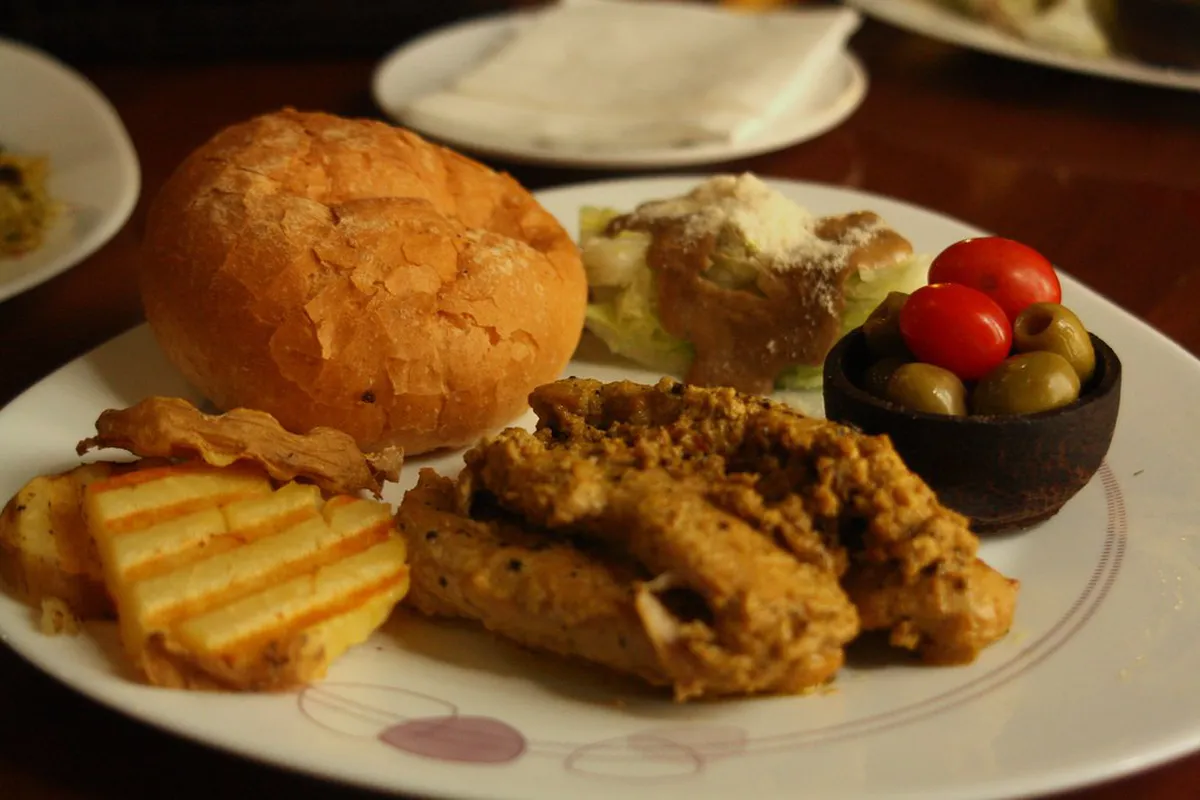
Featured image: Ewan-M, CC BY-SA 2.0, via Flickr.
Quick answer: is Thailand good for vegetarians?
Yes, Thailand is very workable for vegetarians. The catch is that "vegetarian" is often read as "no red meat", so fish sauce, shrimp paste and oyster sauce can still arrive in your bowl. Our rule is simple: name the ingredients you want left out instead of relying on one label.
- Name each ingredient to skip: fish sauce, oyster sauce, shrimp paste, egg.
- Look for yellow-and-red jay flags at stalls and food courts.
- Ask about broth in any soup or noodle dish.
- Show a written note if your Thai is limited.
Vegetarian, vegan or jay: which word to use
Three words get blurred on menus. Generic vegetarian means no meat, but vendors may still use fish sauce. Jay food comes from the Buddhist-Chinese tradition and usually excludes meat, dairy, eggs and strong-smelling alliums. Strict vegans can read our guide to strict vegan rules for extra checks.
| Term | What it usually excludes | Works best at |
|---|---|---|
| Vegetarian (mangsawirat) | Meat, often not fish sauce or oyster sauce | Tourist-area restaurants |
| Jay (gin jay) | Meat, dairy, eggs, garlic and onion | Jay stalls, food courts, festival hubs |
| Vegan | All animal products, in the Western sense | Dedicated cafes in Bangkok and Chiang Mai |
Hidden ingredients to ask about
Most accidents come from sauces, pastes and stock, not from the main ingredient. Use this table as a checklist and ask for each item by name.
| Ingredient | Where it hides | How to ask |
|---|---|---|
| Fish sauce (nam pla) | Som tam, stir-fries, soups, dips | Mai sai nam pla |
| Oyster sauce (nam man hoi) | Morning glory, pad kra pao, stir-fried greens | Mai sai nam man hoi |
| Shrimp paste | Curry pastes, chilli dips | Ask if the paste is vegetarian |
| Dried shrimp | Som tam, pad thai | Say no dried shrimp |
| Egg | Pad thai, fried rice, toppings | Say no egg |
| Meat stock | Noodle soups, tom yum, curries | Ask for water or vegetable broth |
Phrases to say and show
Short phrases work better than long explanations. Say them clearly and show them on your phone as well.
- I eat jay food: gin jay.
- Vegetarian: mangsawirat.
- No fish sauce: mai sai nam pla.
- No oyster sauce: mai sai nam man hoi.
- I only eat vegetables: gin tae pak.
Vegetarian Food in Thailand: 6 Dishes and How to Order Each
Prices and hours checked November 2026. We quote no baht prices because stall and cafe pricing varies. Each dish below lists what it usually contains and what to ask for.
1. Som tam (green papaya salad)
Green papaya salad is the dish most likely to surprise you. Vendors pound it in a mortar with lime, tomato, beans and peanuts. It usually gets fish sauce and dried shrimp. Ask for both to be left out and say gin jay.
Som tam ponlamai, the fruit version, is another option at many stalls. Skip it if you can't watch the vendor build it, because sauces are easy to miss.
2. Pad kra pao with tofu
Holy basil and chilli stir-fry is a standard Thai order, and meat is the default. It usually comes with oyster sauce and sometimes fish sauce. Ask for tofu (tao hoo) instead of meat. Add mai sai nam man hoi and mai sai nam pla. A fried egg often tops the plate, so say no egg if you avoid it.
The tofu is often firm, closer to paneer than soft egg tofu. Skip it if chilli heat is a problem, because holy basil dishes run hot.
3. Pad thai
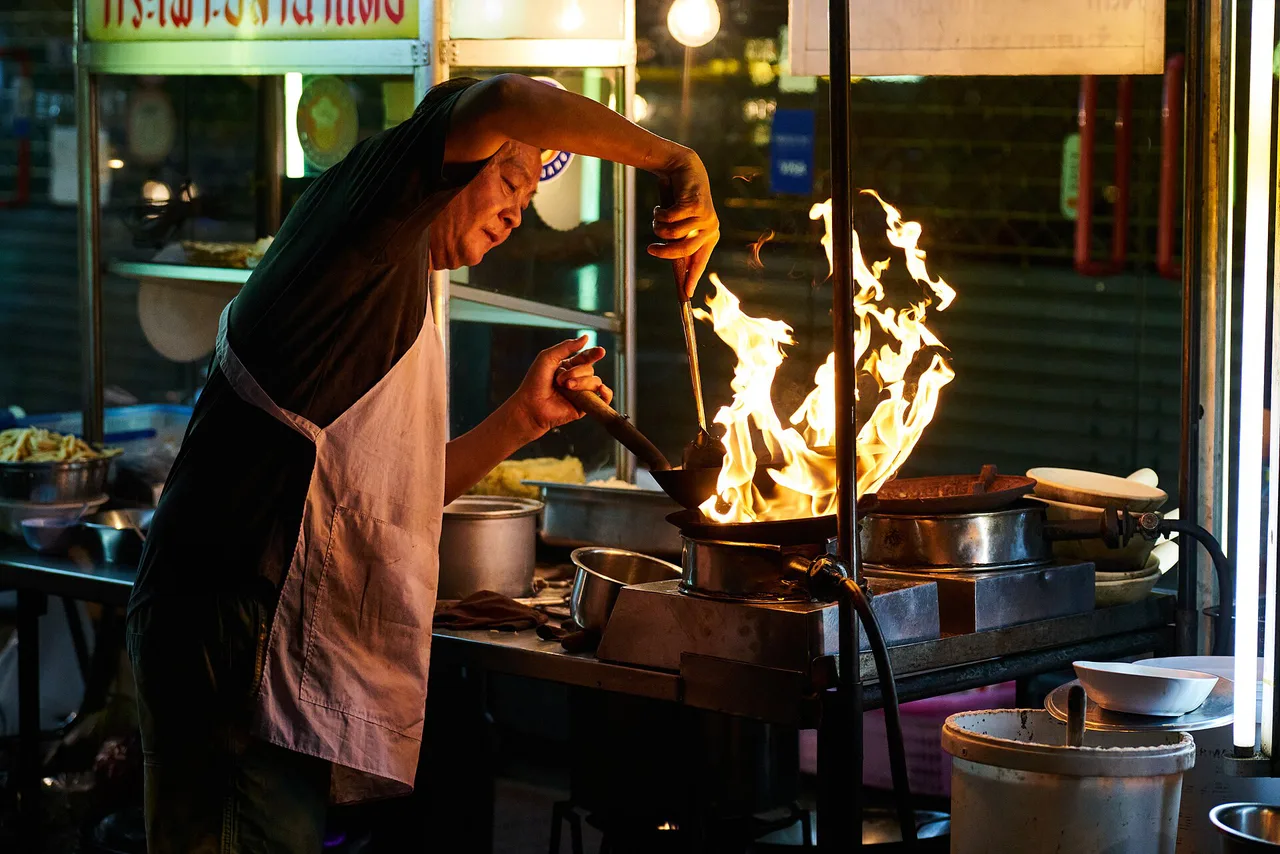
Street pad thai is the most familiar noodle dish, and the easiest to modify. It usually contains egg, fish sauce, dried shrimp and sometimes shrimp. Ask for tofu, no egg, no fish sauce and no dried shrimp. Roadside vendors cook it in a large wok in front of you, so you can watch each step.
Peanuts, bean sprouts and lime come on the side. Skip it if you're strict vegan and the vendor can't confirm the sauce.
4. Pak boong (morning glory)
Stir-fried morning glory is a cheap, crunchy side that works at a rice stall. It's seasoned with soybean paste, soy sauce, garlic and chilli. Oyster sauce is often added, so ask for it to be left out. Order it with steamed rice and a tofu dish for a full meal.
Garlic is standard here, so it won't pass for jay food. Skip it if you avoid alliums and can't get a jay version.
5. Khao soi
Khao soi is a northern curry noodle soup, and it's most common around Chiang Mai. Its usual form has chicken or beef and egg noodles. Ask for tofu or vegetables and check whether the curry paste has shrimp paste.
Dedicated vegetarian and vegan cafes often serve a plant-based version. Skip it if you avoid egg, because the noodles are often egg-based.
6. Tom yum with tofu or mushrooms
This hot-and-sour soup is shrimp or chicken by default. Stock and fish sauce are the other risks. Ask for tofu or mushrooms, no fish sauce and a vegetable broth. Both clear and creamy versions exist, so say which you want.
It suits a rainy evening and pairs with rice. Skip it if the kitchen can't name the stock, since broth is the hardest thing to check.
Where to find vegetarian food by region
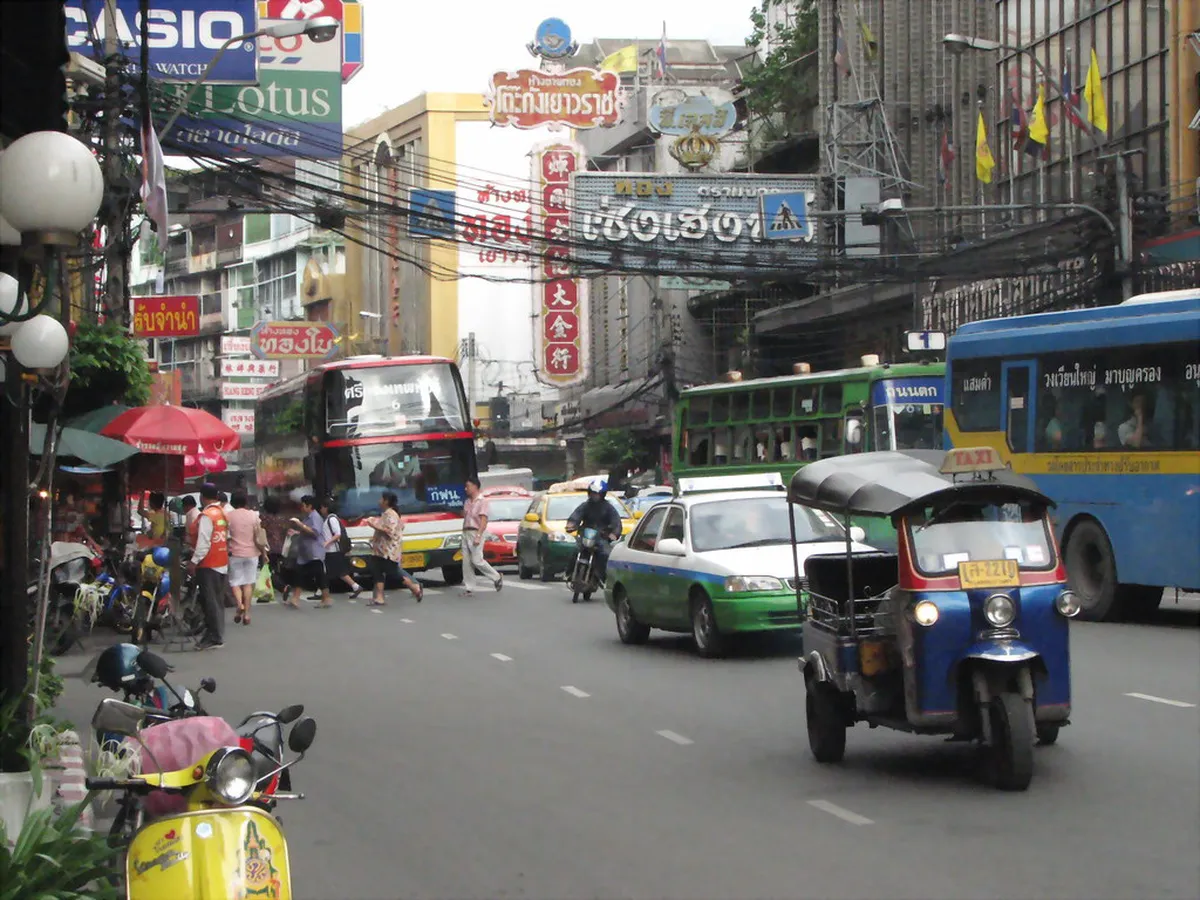
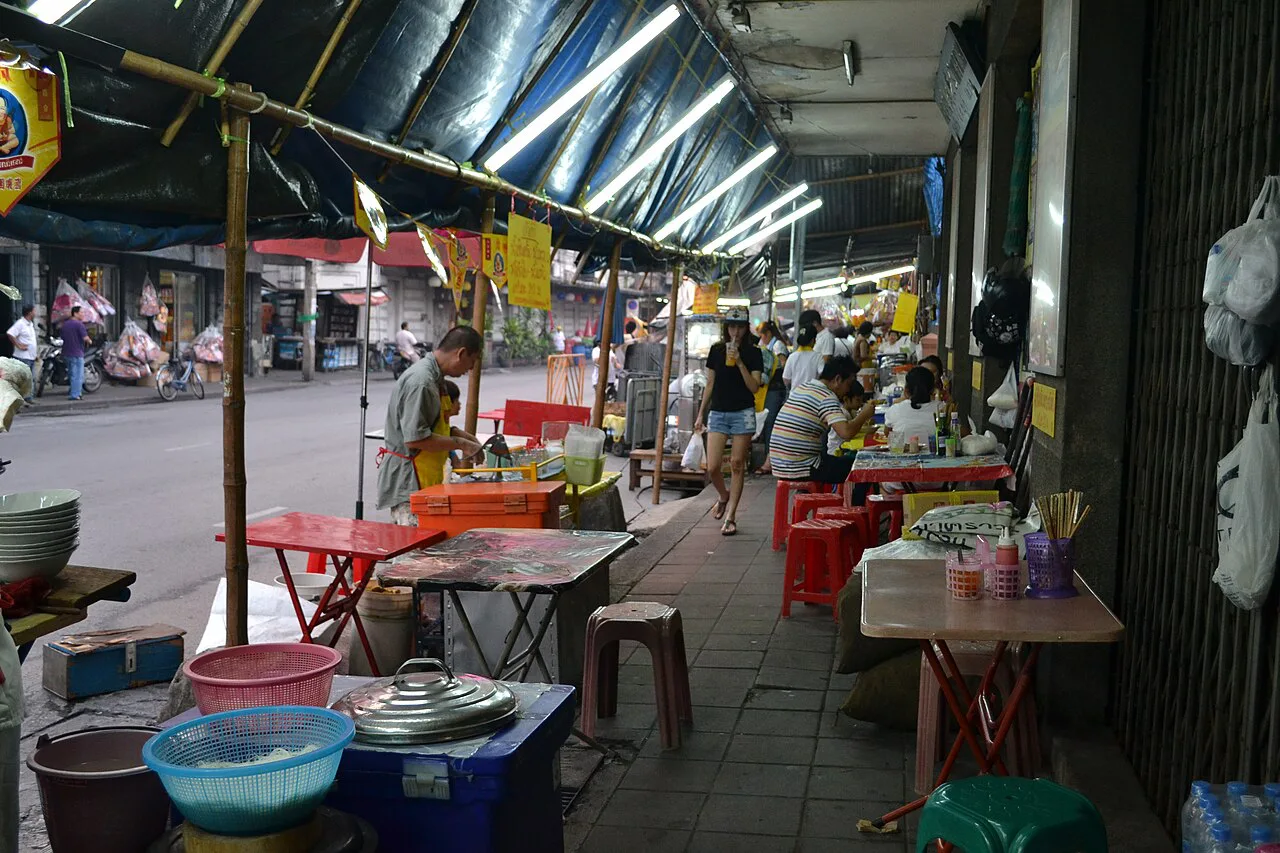
Bangkok has the widest range, from dedicated vegan cafes to jay stalls in Chinatown's Yaowarat district. Chiang Mai and the north suit travelers who want khao soi and other northern dishes in plant-based form. On Phuket, Koh Samui and Koh Phangan, expect vegan-friendly cafes aimed at visitors. Our pick for first-timers is Bangkok, where signs, menus and English are most reliable.
Dedicated restaurants versus stalls versus food courts
Each venue type trades price for clarity. Cafes explain their menus in English, stalls are faster, and food courts often carry jay flags.
| Venue type | Cost level | Menu clarity | Best for |
|---|---|---|---|
| Dedicated vegan cafe | Pricier | High | Strict vegans, first meals |
| Jay or vegetarian stall | Cheaper | Medium, look for flags | Quick lunches |
| Food court | Cheaper to mid | Medium | Mixed groups |
| Mixed restaurant | Mid | Low, ask about every sauce | Groups with meat eaters |
The Vegetarian Festival (jay)
The Vegetarian Festival falls in the ninth lunar month, usually September or October, and typically runs nine days. Phuket and Bangkok's Yaowarat are the best-known hubs. Stalls fly yellow-and-red flags and serve jay food, so it's the easiest time to eat meat-free. Dates shift each year, so check the Tourism Authority of Thailand for current dates. Our guide to jay food rules covers what to order.
Cost, timing and getting around
Dedicated cafes usually cost more than stalls and food courts. Check each venue's map listing for hours, since some vegan spots close early, and use Grab or the BTS and MRT to reach dining districts.
Mistakes to avoid
Do not assume a vegetable dish is meat-free; broth, shared woks and sauces are the usual culprits. A "vegetarian" dish can still include egg or fish sauce. Gluten-free travelers who also eat vegetarian can read our gluten-free ordering notes. Travelers who also need halal food can use our halal dining guide.
For trip-planning details, see MICHELIN Guide Thailand.
Frequently Asked Questions
Is vegetarian food common in Thailand?
Yes, meat-free dishes are easy to find at stalls, markets and cafes. Look for yellow-and-red jay flags. Always name the sauces to omit.
Which Thai dishes are vegetarian?
Pad thai, pad kra pao, morning glory, khao soi and tom yum can all be made vegetarian. Ask for tofu in place of meat. Also ask for no fish sauce and no oyster sauce.
Explore More Guides
Keep planning your trip with these guides.
Guides
Thai food notes for your next trip
Optional updates to our food guides.
You might also like
Continue reading
More guides you'll find useful