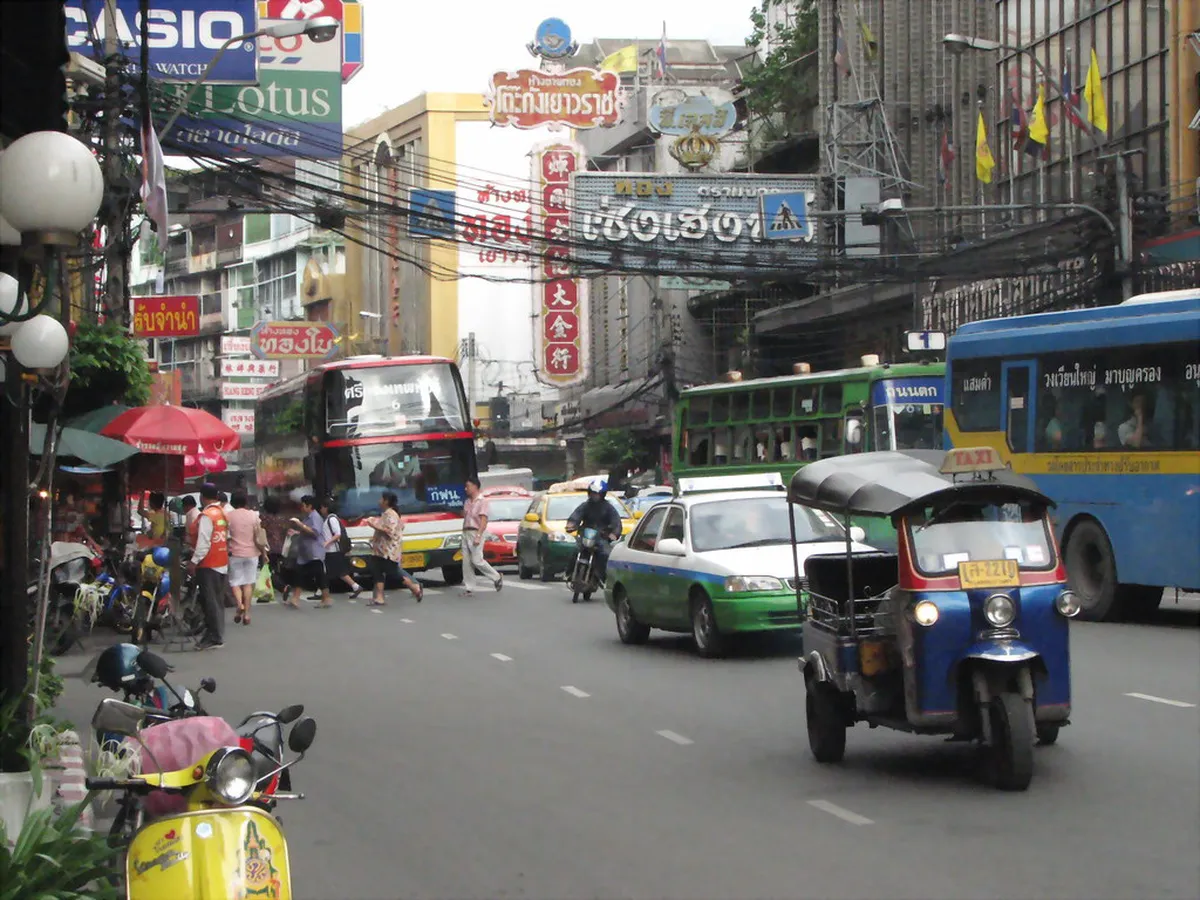
Thai Food Culture: 7 Things That Define How Thailand Eats
Thai food culture explained in 7 parts: shared rice meals, flavor balance, herbs, regional cuisines, dishes with stories, street food and table etiquette.
On this page
Last updated November 2026. Thai food culture centers on shared, rice-based meals served all at once, with sweet, sour, salty, spicy and bitter notes balanced across the whole table. Seven ideas below explain how that system works and what to do at the table.
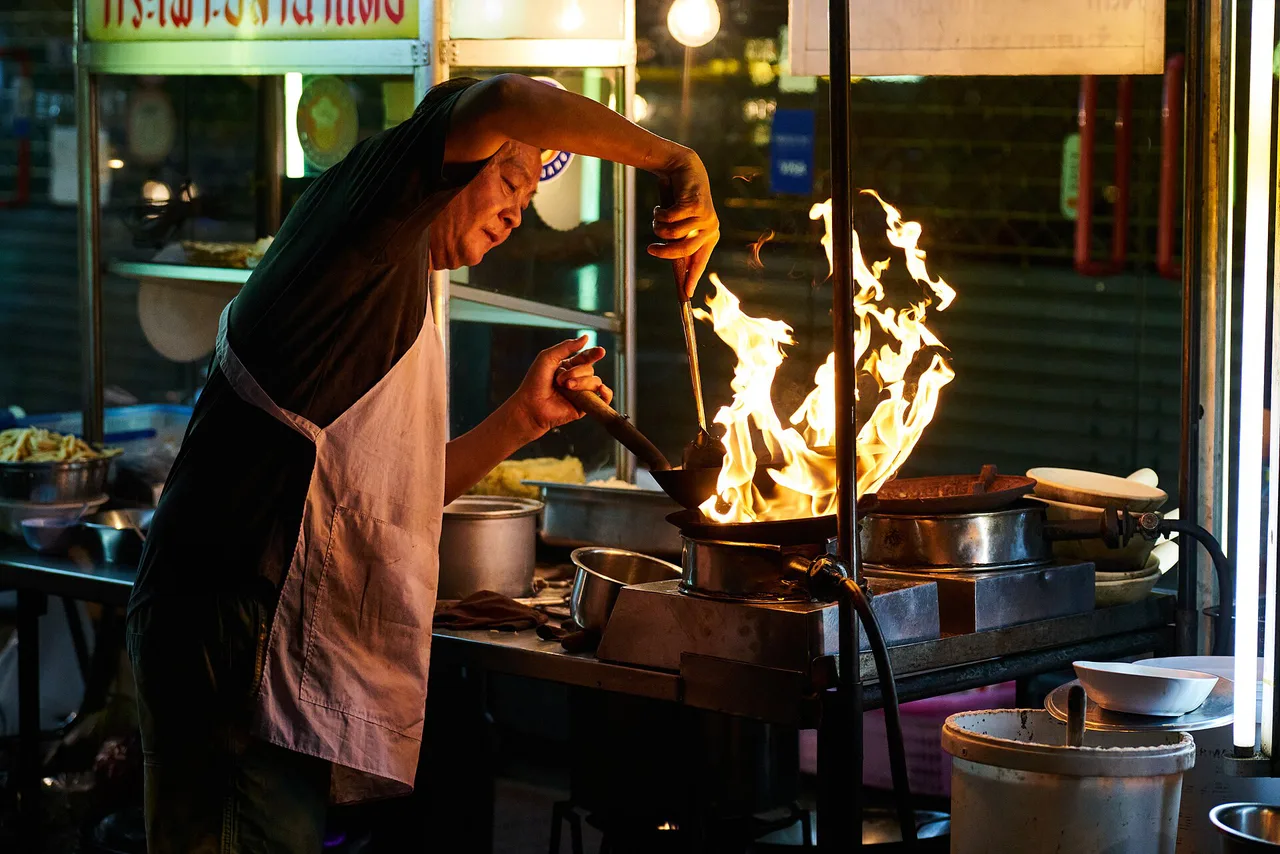
Featured image: Miguel Discart, CC BY-SA 2.0, via Wikimedia Commons.
7 Pillars of Thai Food Culture
Each pillar below ends with a practical move you can make at a stall, a family table or a restaurant.
1. Rice and kap khao: everything eaten with rice
Rice anchors every Thai meal. Everything else is kap khao, literally "with rice." Dishes arrive together instead of in courses, so soup, curry and dip sit side by side. A balanced spread has a soup, a curry or spicy salad, and a dip served with fish and vegetables.
At the table, order one dish per category and add rice for each person. Taste across dishes rather than finishing one plate first. Skip this model only if you want a single plated entrée. A solo diner at a stall can still pair rice with one dish.
2. Flavor balance across the whole meal
Popular guides name five flavors: sweet, sour, salty, spicy and bitter. Thailand Foundation describes eight, adding creamy, astringent and pungent. Each flavor maps to an ingredient. Lime and tamarind give sour, fish sauce gives salt, and palm sugar gives sweet. Chili brings heat, coconut milk and peanuts bring creaminess, and bitter gourd brings bitterness.
Raw banana supplies astringency, and kaffir lime peel supplies the pungent note. Balance is judged across the meal. A hot dish usually arrives with a sweeter one to counter it. Order at least one mild dish beside anything fiery.
3. Fresh herbs, pastes and aromatics
Galangal, lemongrass, kaffir lime leaf, ginger, garlic and fresh chili carry most Thai aromas. Fresh herbs hold essential oils that fade with drying. Cooks grind them into pastes called khrueng gaeng, then use them as the base for soups, curries and stir-fries. Pastes also work as marinades. Dried foreign spices, called khrueng thet, include cumin from India and nutmeg from Indonesia.
For a deeper look, read our guide to Thai herbs and aromatics. Our page on dried Thai spices covers the imported side. Tom yum shows the method clearly, with galangal, lemongrass and lime leaf infused straight into the broth. Anyone who dislikes strong aromatics will find it intense.
4. Family logic: cooking as care
Thai cooking grew from family care. A household cook prepares different kap khao for different members, as in the set meals known as samrap. Mild, easy dishes suit children. Fully flavored, textured dishes suit adults, and soft, stomach-calming dishes suit elders.
When someone falls ill, herbal ingredients join the menu. That habit helps explain why aromatics run through so many dishes. At the table, ask for milder versions when eating with kids or older relatives. Plan on ordering one soft dish for the group.
5. Dishes with a story: Pad Thai to Massaman
Pad Thai dates to the late 1930s. A Michelin-starred owner credits Field Marshal Plaek Phibunsongkhram with creating it in a campaign to promote Thai identity. Som tam is linked to Isan, though a Lao origin is also discussed. Ask the cook how spicy and how sour you want it. Khao soi is a northern coconut curry noodle dish. Burmese and Muslim Chinese roots are both cited, so origin stories vary.
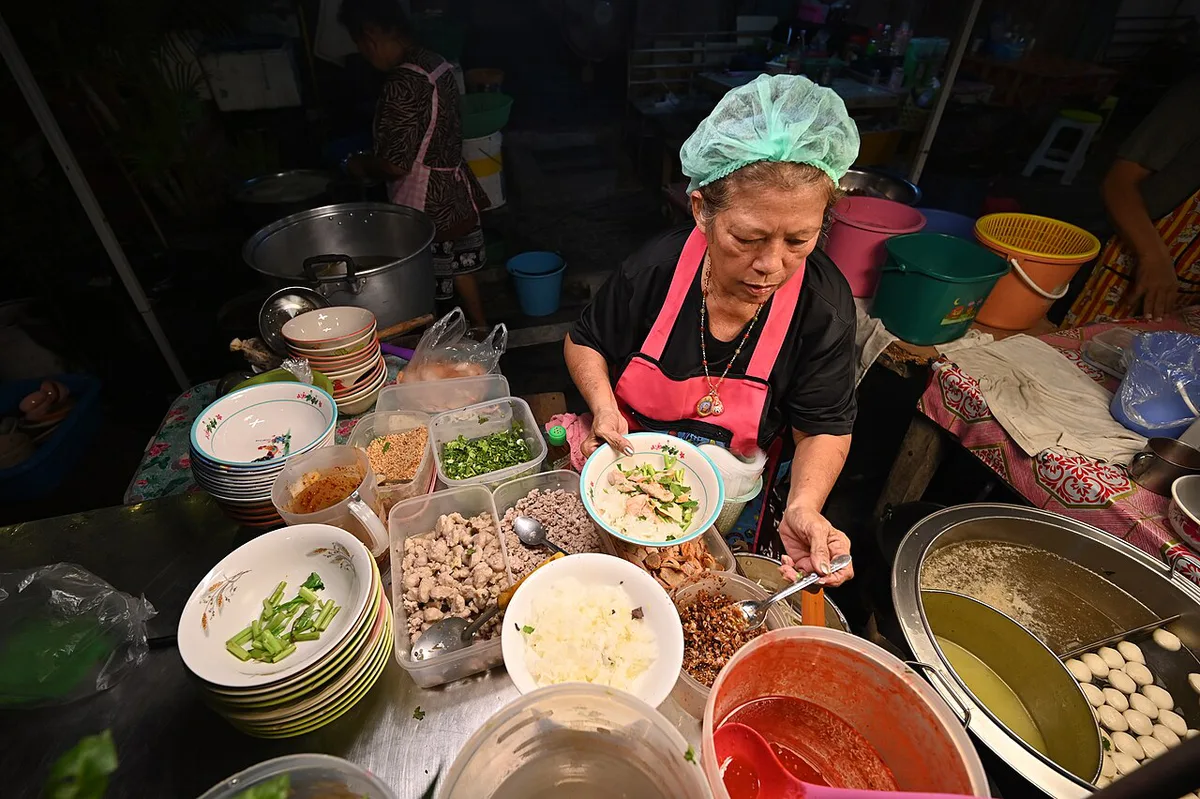
Massaman shows Persian and Indian influence. Its name is believed to come from "Mussulman." Pad kaphrao, stir-fried holy basil, was not mentioned in olden times yet now stands as a representative dish. Skip the assumption that Pad Thai is the everyday local pick.
6. Street food, home cooking and fine dining
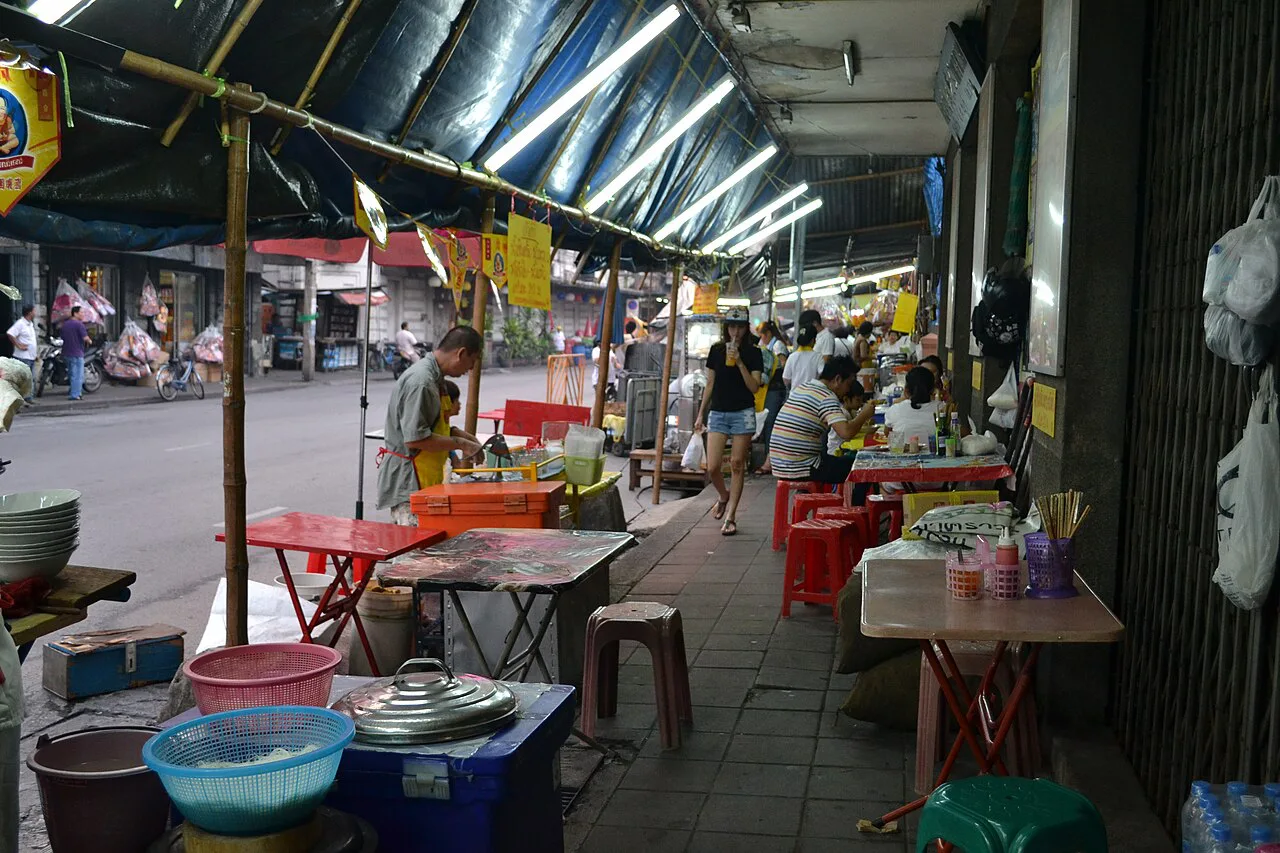
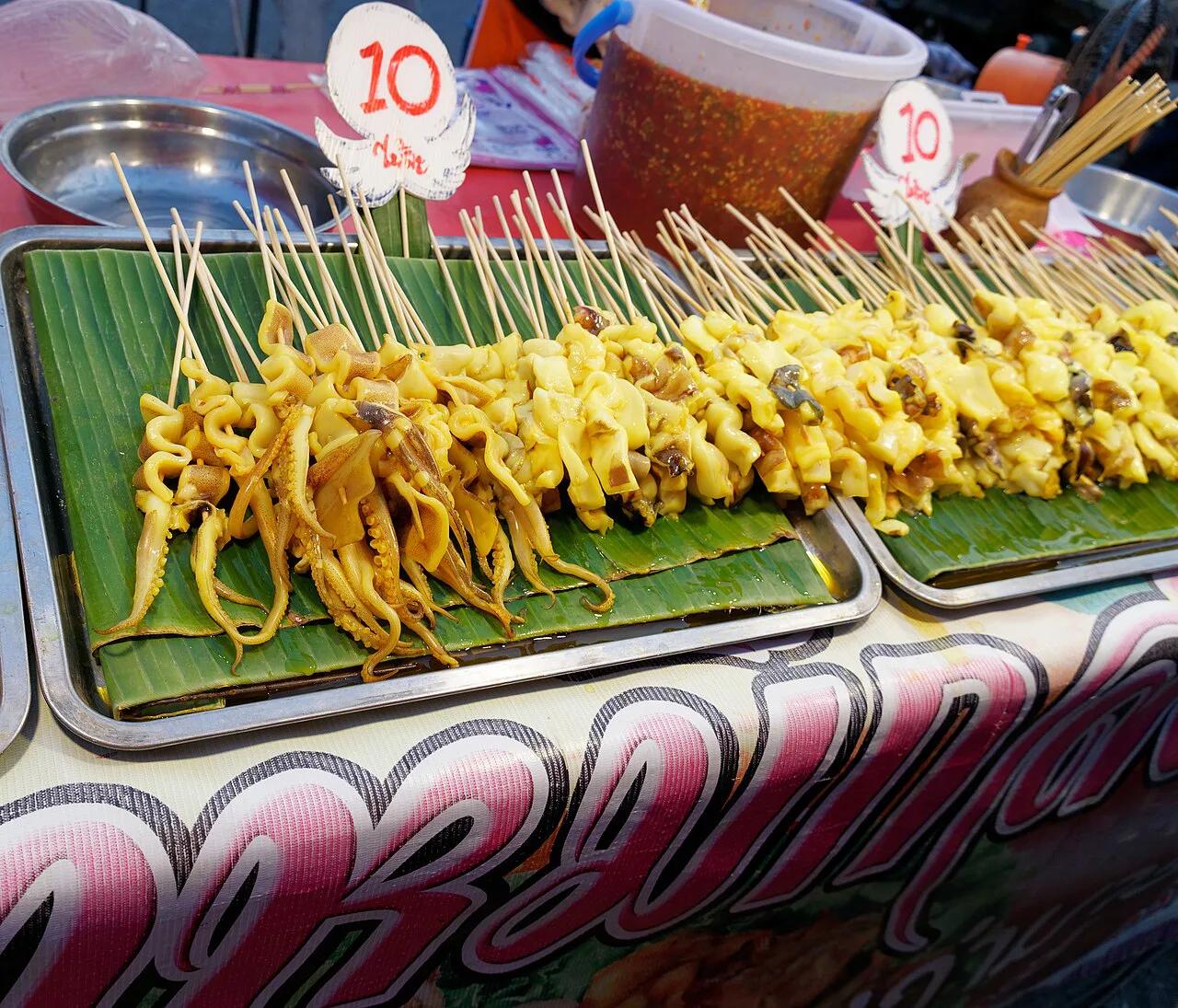
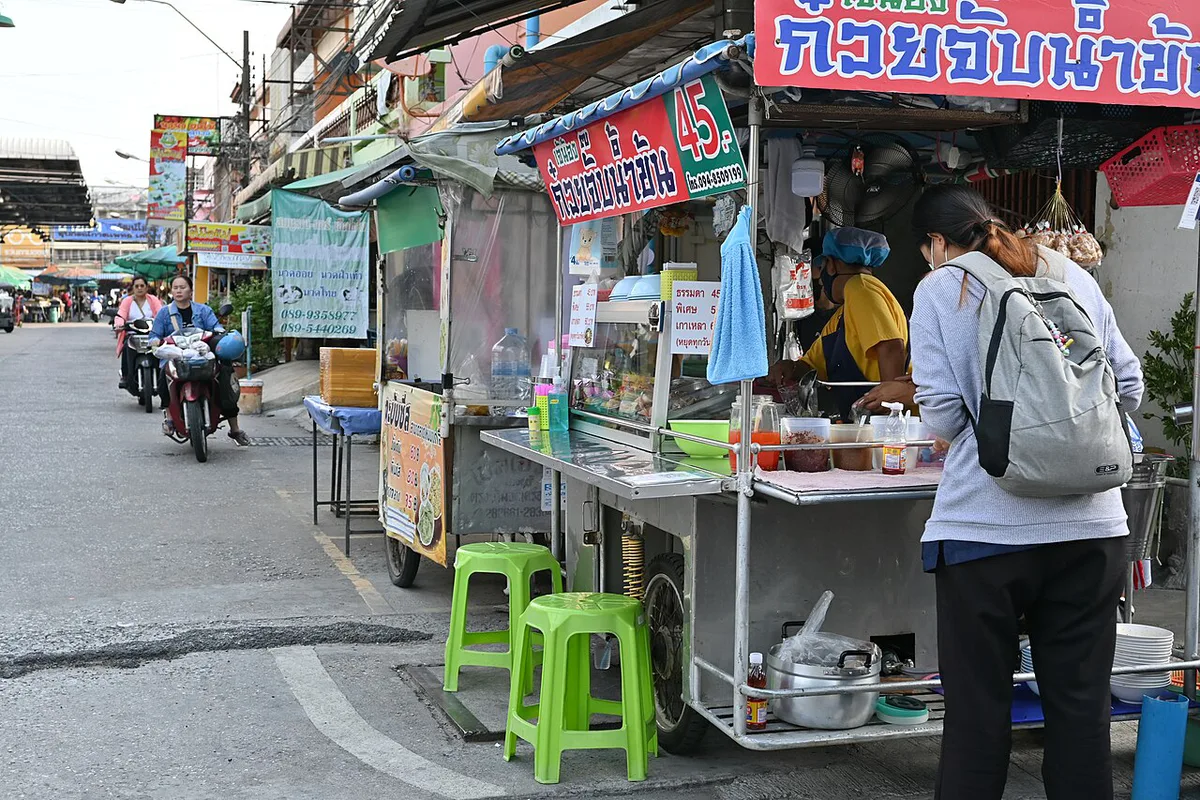
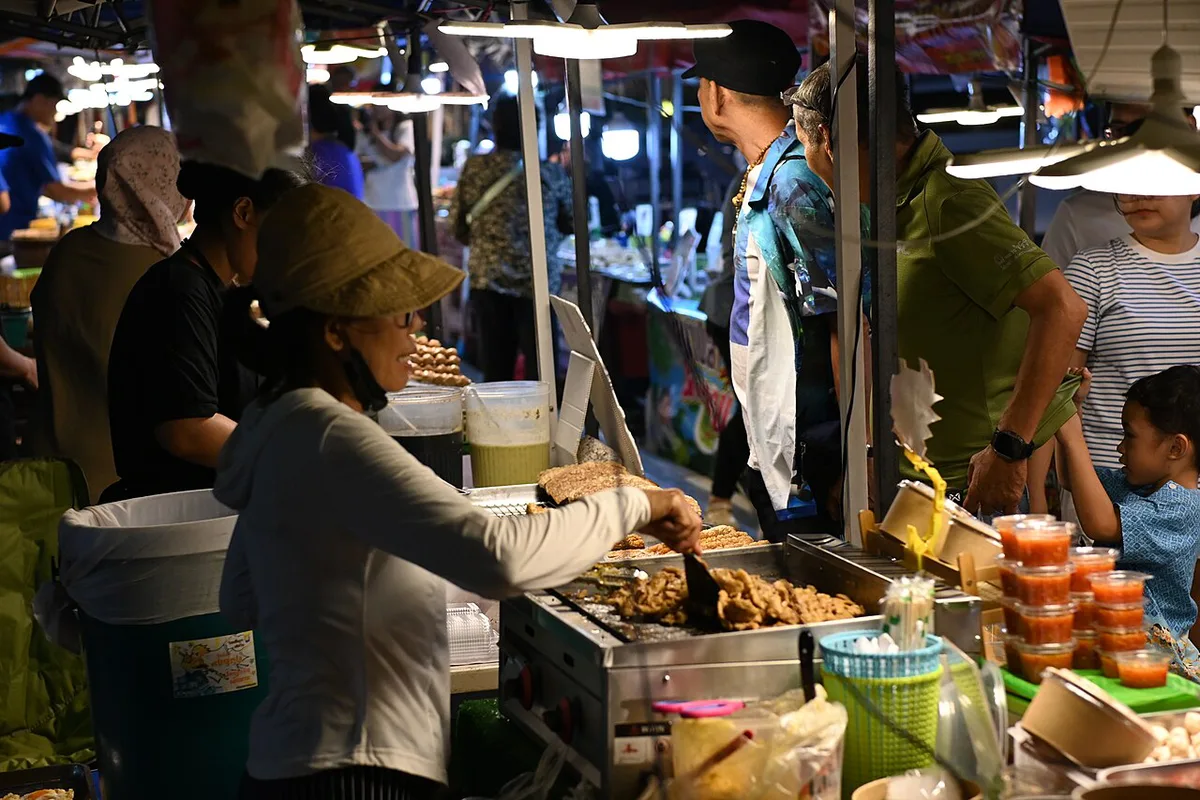
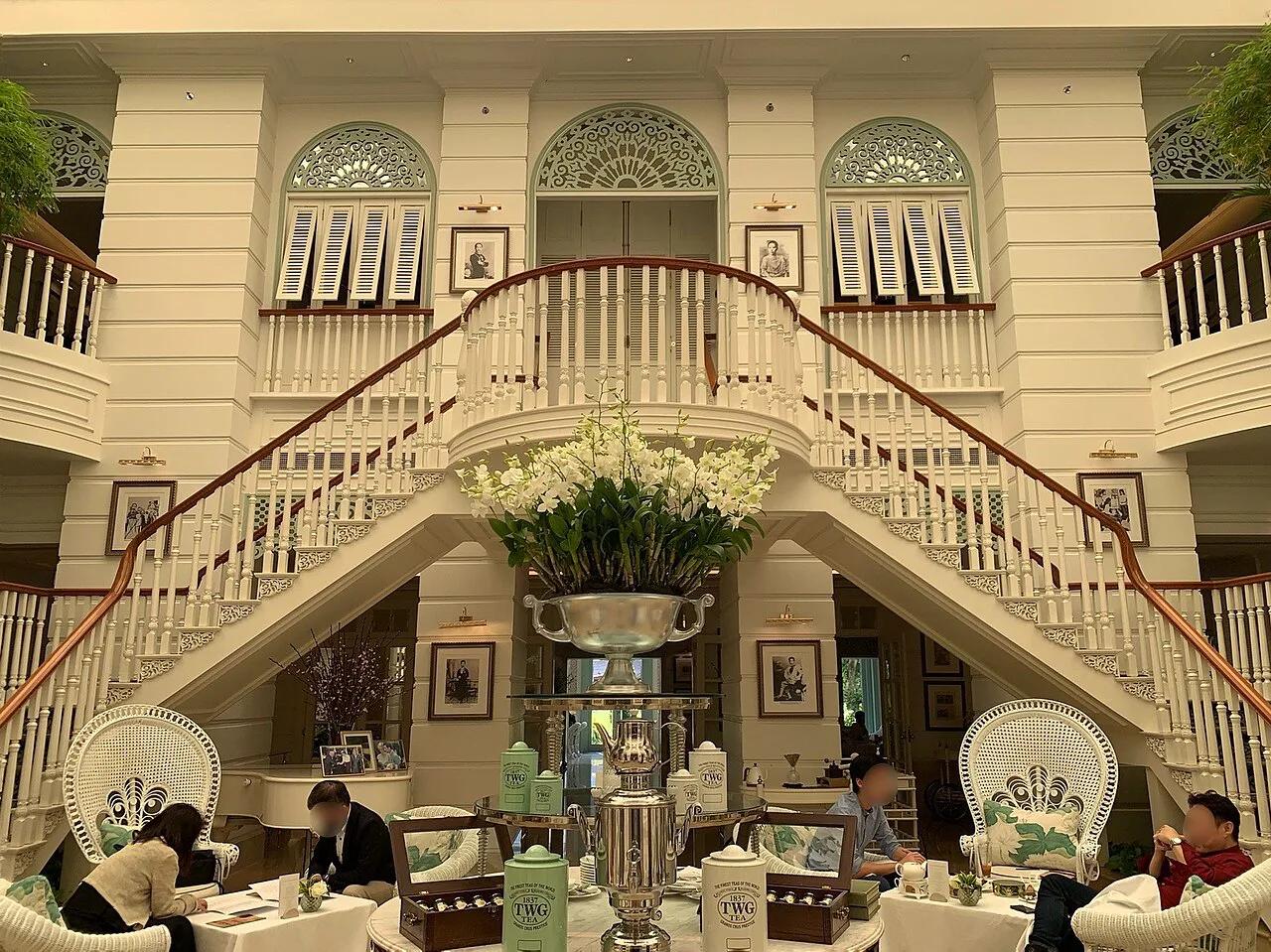
Street stalls are the daily default. Stir-fried dishes suit stall cooking, while curries and soups often feature at home tables. Fine dining has risen in status. One Michelin-starred owner recalls Thai food being dismissed as street fare when she was young.
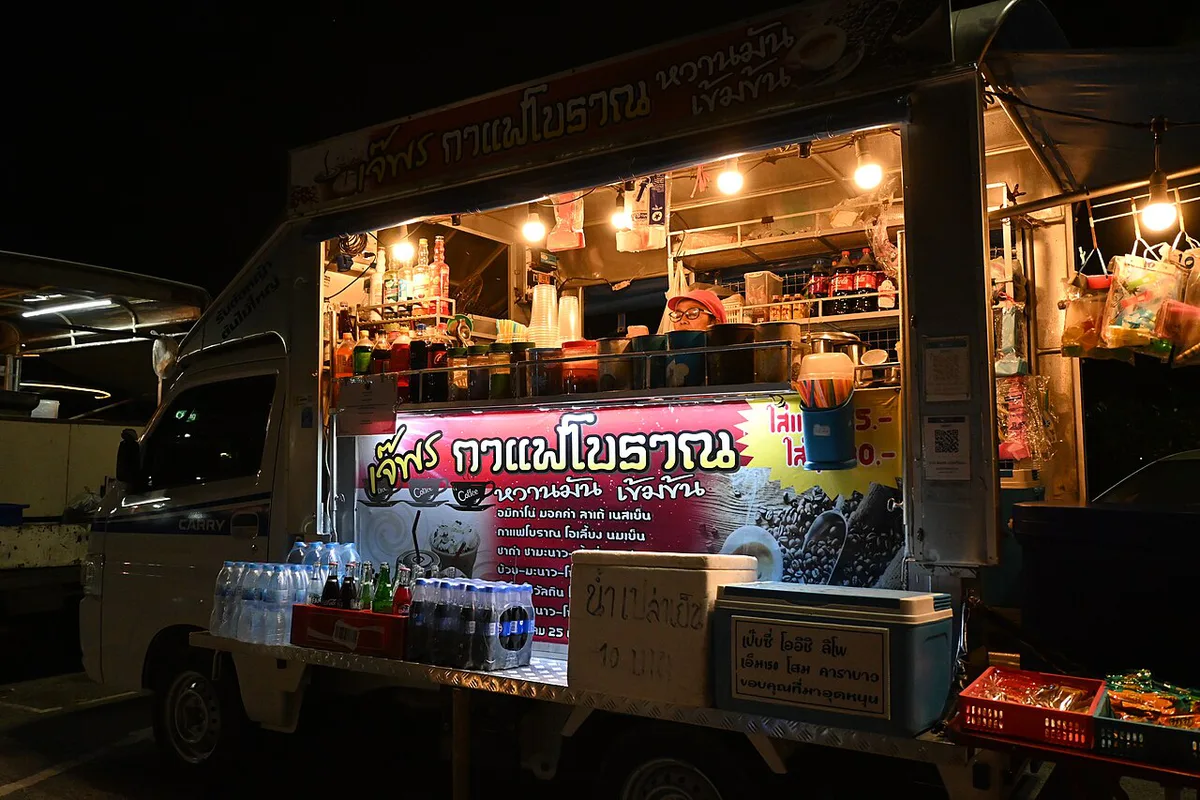
Trade-offs run in a clear line. Stalls are fastest and cheapest, casual restaurants add seating and shared dishes, and fine dining is slower, pricier and often served in small tasting portions. Pick a stall for a quick plate of pad kaphrao. Choose a restaurant when you want a full shared spread for a group.
7. Table etiquette and how to order
Eat with a spoon in your dominant hand and a fork to push food onto it. Chopsticks appear mainly with noodles. Share every dish and spoon portions onto your own rice plate. Condiment caddies and side plates let each person adjust seasoning. Khao soi arrives with lime, shallots, greens and chilies for that reason.
Face matters in public. Avoid loud complaints or confrontation over a bill or a wrong dish. Our guide to Thai Eating Habits: Sharing, Rice, Spoon & Fork goes deeper on daily routines. Skip the habit of ordering a main per person.
Thai Food Culture by Region: Where to Eat What
Thailand's geography shapes its plate. A Michelin-starred owner describes the north using dried chilies and sour tomatoes without limes. In her account, Isan food is saltier and spicier without coconut milk, the central region favors curries, and the south is balanced with palm sugar and fresh herbs.
| Region | Flavor tendency | Example dish | Best for |
|---|---|---|---|
| North | Dried chilies, sour tomato, no limes | Khao soi | Noodle-curry fans |
| Isan (northeast) | Saltier, spicier, no coconut milk | Som tam | Heat seekers |
| Central | Curry variety | Green curry (gaeng keow wan) | First-time visitors |
| South | Balanced, palm sugar and fresh herbs | Herb-led curries and soups | Diners who like sweet-sour balance |
Foreign Influences, Briefly
Chilies reached Thai cooking in the late 1600s through Portuguese missionaries. Chinese cooks brought frying, stir-frying and deep-frying. Indian ghee gave way to coconut oil, and coconut milk replaced dairy. Cooks also eased heavy spices with fresh lemongrass and galangal. For the full timeline, see our history of Thai cuisine.
How Thai Food Compares
Neighboring cuisines share ingredients but differ in structure. Start with our Thai and Vietnamese food comparison. Next, read Thai versus Chinese cooking. Then see how Indian cuisine differs. Finally, check Thai and Japanese food side by side.
Common Mistakes to Avoid
Three habits cause most missteps at a Thai table.
- Treating Thai food as uniformly spicy. Many dishes are mild, and heat is adjustable.
- Ordering everything as courses. Thai meals arrive together.
- Assuming overseas "Thai" menus mirror Thailand's. Regional dishes rarely travel intact.
For trip-planning details, see UNESCO Intangible Cultural Heritage.
Frequently Asked Questions
How spicy is authentic Thai food?
Heat varies by dish and region. Isan food runs saltier and spicier, while many curries and soups are mild. Chilies often come fresh on the side, so you can add heat yourself. Ask the cook for your preferred level.
What is Thailand's national dish?
No single dish holds an official title. Pad Thai was promoted in the late 1930s as part of a national-identity campaign. Pad kaphrao, tom yum and som tam are equally common on everyday tables.
Explore More Guides
Keep planning your trip with these guides.
Guides
- Thai Food History: Origins, Influences and a Timeline
- Thai Food vs Vietnamese Food: Key Differences Explained
- Thai Food vs Chinese Food: Key Differences (and Where They Overlap)
- Thai Food vs Indian Food: Key Differences, Flavors & What to Order
- Thai Eating Habits: Sharing, Rice, Spoon & Fork
- Thai Spices Guide
- A Practical Guide to the Fresh Herbs in Thai Cooking
- Thai Food vs Japanese Food: Key Differences & How to Choose
Thai food notes for your next trip
Optional updates to our food guides.
You might also like

Continue reading
More guides you'll find useful