Tam Thai: What It Means, Styles and How to Order
Tam Thai explained: how Thai-style pounded salad differs from Lao and fermented-fish versions, plus ordering phrases and spice tips.
On this page
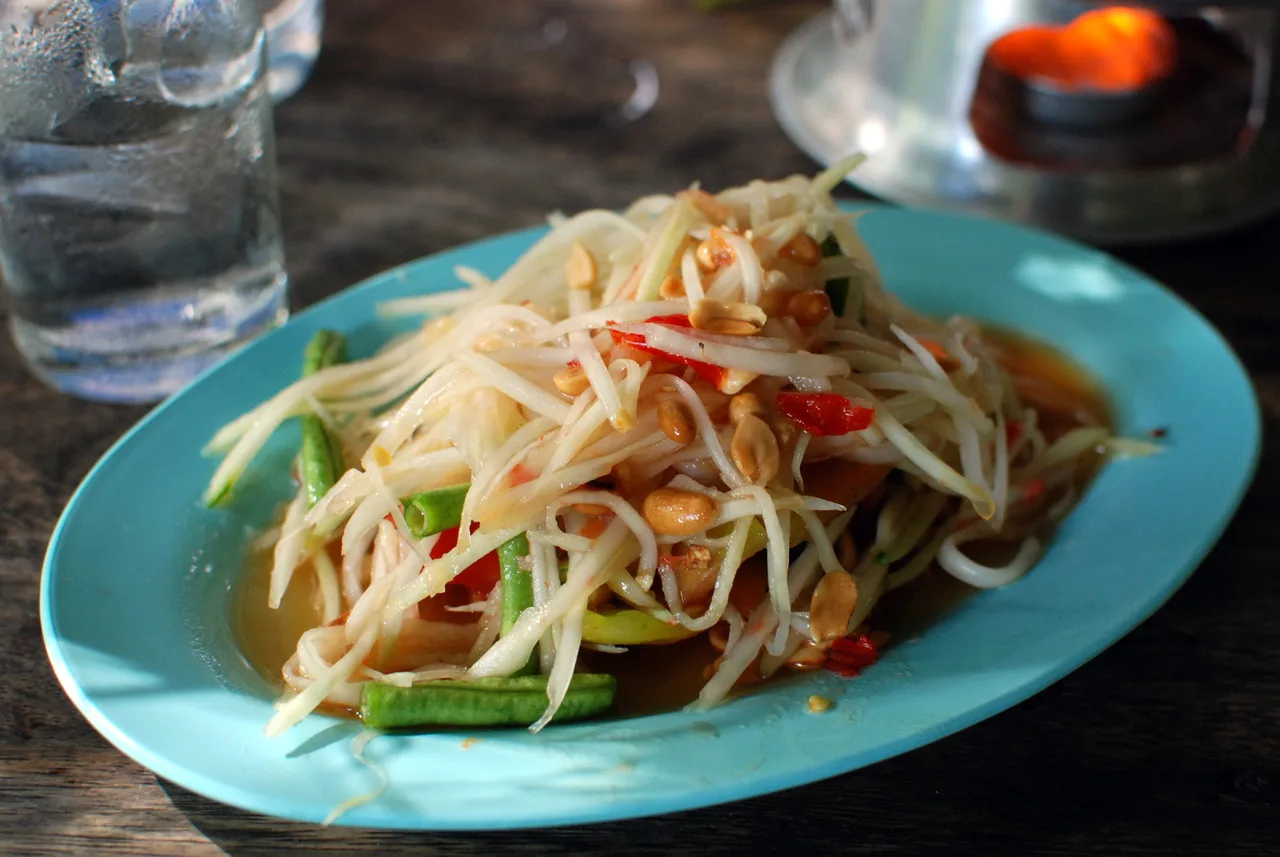
Last updated November 2026. Tam Thai is the sweeter, Thai-style pounded salad, usually a version of Som Tam: Thai Green Papaya Salad Variants and How to Order made with peanuts, palm sugar and dried shrimp. It stands apart from tam Lao, the Isan-style salad seasoned with fermented fish. This guide shows how to tell them apart, how to order each one, and what to eat alongside in the Isan Food: 7 Must-Try Dishes and How to Order Them tradition.
Featured image: Takeaway, CC BY-SA 3.0, via Wikimedia Commons.
What tam means in Thai and Isan cooking
Tam (ตำ) means "to pound". It names the action, not a single dish. A cook pounds ingredients in a clay or wooden mortar with a pestle, so the salad is bruised and dressed in the same bowl. Shredded green papaya is the best-known base, but other crunchy produce can take its place.
That is why menus list a whole family of tam salads. Som tam is the headline name, and it is covered in depth in our som tam guide. "Tam Thai" is a shorthand for the central-Thai way of seasoning that salad. Expect a sweet-sour-salty balance, with a nutty crunch from peanuts and a savory chew from dried shrimp.
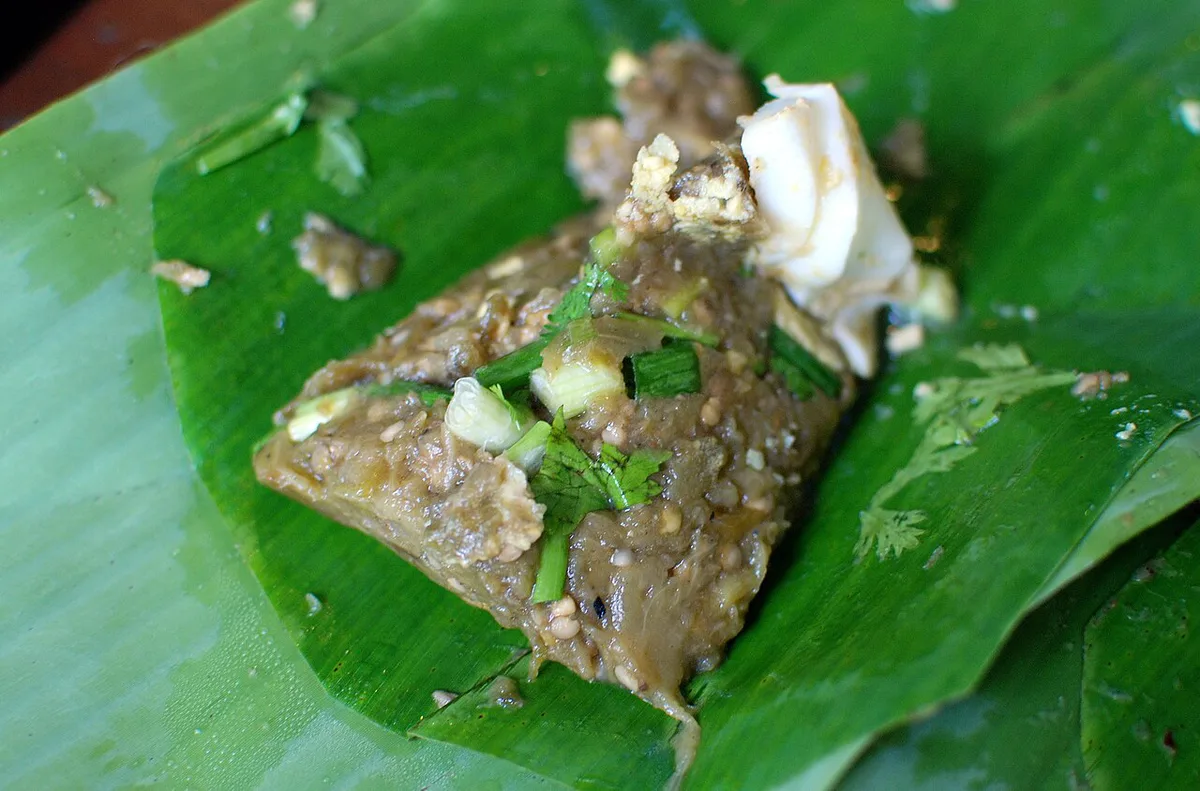
Isan cooks pound the same base but season it harder and funkier. Their signature is fermented fish sauce, which turns the salad salty, deep and pungent. Knowing which camp a stall belongs to saves you from an unexpected plate.
Tam Thai vs tam Lao vs tam with fermented fish
Menus rarely explain the split, so a quick comparison helps. Flavor profiles below describe the typical style, and individual cooks vary. Stalls adjust sweetness, sourness and heat to the customer in front of them.
Tam Thai leans sweet and rounded. Tam Lao is the Isan or Lao style, and it relies on fermented fish rather than sugar and peanuts. Tam pu pla ra pushes further, adding salted crab alongside the fish. You can read about the fermented ingredient itself in our pla ra guide.
| Style | Flavor profile | Key ingredients | Fermented fish | Best suited to |
|---|---|---|---|---|
| Tam Thai | Sweet, sour, mildly salty | Green papaya, palm sugar, peanuts, dried shrimp, lime, fish sauce | No pla ra | First-timers and anyone avoiding strong smells |
| Tam Lao | Salty, sour, funky, often hotter | Green papaya, chili, lime, pla ra | Yes | Eaters who want the Isan taste |
| Tam pu pla ra | Intensely salty and pungent | Green papaya, salted crab, pla ra, chili | Yes | Adventurous diners who already like tam Lao |
| Tam with other produce | Varies by stall | Mango, fruit or vegetables in place of papaya | Depends on the cook | Anyone wanting a different crunch |
How to order tam Thai: spice, ingredients and dietary swaps
Start with the style. Say "tam Thai" (ตำไทย) for the sweeter version, or "tam Lao" (ตำลาว) for the fermented-fish one. If a stall only writes "som tam" on its sign, ask which style it makes by default.
Spice is the second decision. Cooks pound chilies to order, so you can set the level at the mortar. A single plain word does most of the work. Say "mai phet" for not spicy, or "phet noi" for a little spicy. Reserve "phet mak" for very spicy, and only when you know your tolerance.
Dietary swaps work the same way. Tam Thai commonly contains peanuts, dried shrimp and fish sauce, so shellfish and nut allergies are real concerns. Tam Lao and tam pu pla ra rely on fermented fish, and the crab version adds shellfish. Tell the cook before pounding starts, because everything lands in the same mortar.
- Mai sai kung haeng (ไม่ใส่กุ้งแห้ง): no dried shrimp.
- Mai sai tua (ไม่ใส่ถั่ว): no peanuts.
- Mai sai nam pla (ไม่ใส่น้ำปลา): no fish sauce.
- Mai sai pla ra (ไม่ใส่ปลาร้า): no fermented fish.
- Mai phet (ไม่เผ็ด): not spicy.
What to eat with tam
Tam is rarely a solo meal. In Isan it anchors a shared table of grilled, chewy and sticky foods, and each one balances the sour heat of the salad.
Build the table around a few dependable partners. Order one salad, one grilled protein, one meat salad and a basket of rice. Add a pork-neck dish if the stall has one.
- Gai Yang (ไก่ย่าง): Thai Grilled Chicken, How to Order and Eat It: marinated grilled chicken that softens the salad's heat.
- Sticky rice: rolled by hand and used to scoop up dressing.
- Larb: a minced-meat salad with toasted rice and herbs.
- Sai Krok Isan: Thailand's Sour Isan Sausage Guide: fermented sausage with a sour edge.
- Nam Tok Moo: Thai Grilled Pork Salad Explained: grilled pork neck tossed in a lime and chili dressing.
Street stalls vs sit-down restaurants
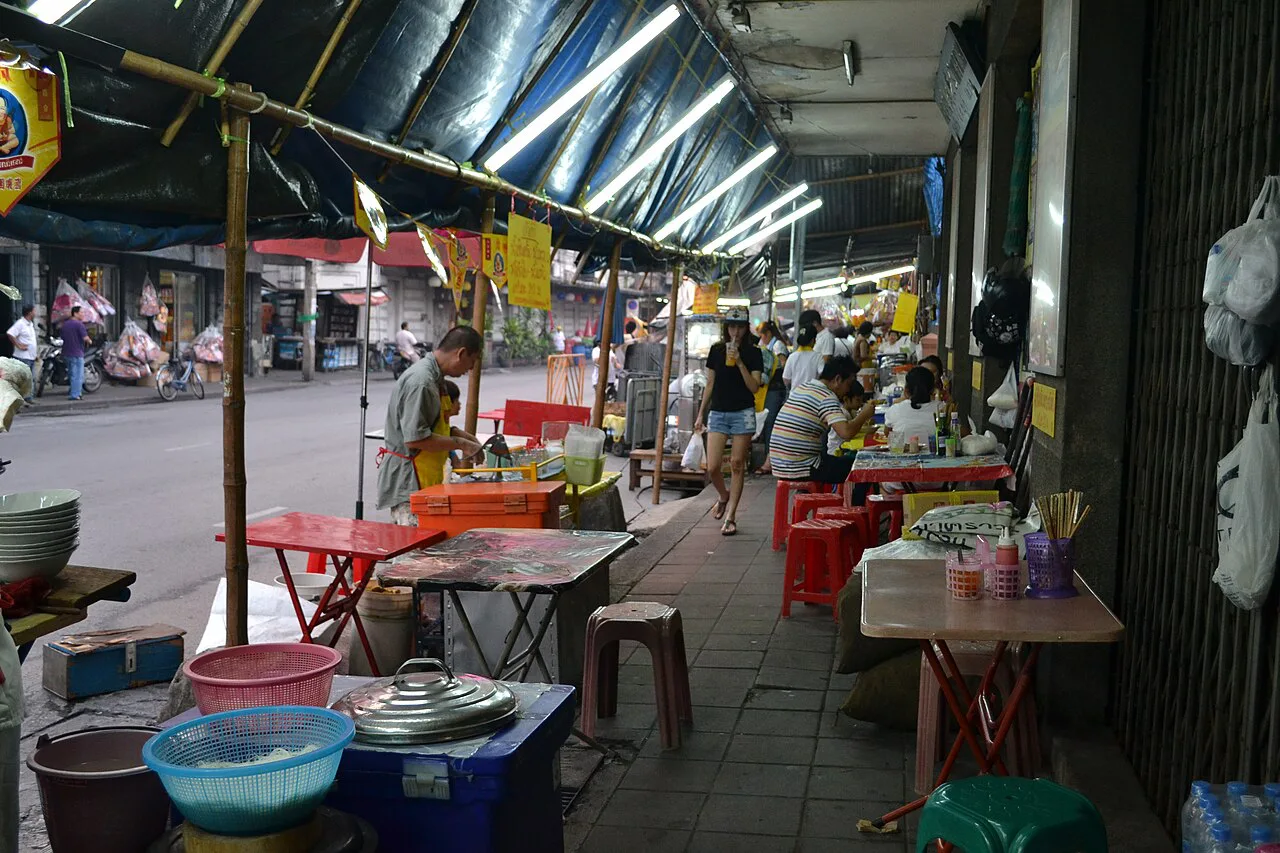
Street stalls in Isan towns and Bangkok lanes are usually the cheaper route, with a short menu and fast pounding. Expect a cook working a single mortar, taking your order verbally and handing over a bag or plate. Sit-down restaurants cost more in relative terms and tend to offer a longer list of tam variants, plus printed menus in English.
Stalls often specialize, so one may only make tam Lao and another only tam Thai. A restaurant is the safer bet if you want to compare styles side by side. To find sit-down options, browse the MICHELIN Guide Thailand listings and look for Isan or regional Thai kitchens. Prices vary by venue, so read the menu at the stall or table.
Mistakes to avoid and who each style suits
Over-asking for spice is the most common error. A stall may take "phet mak" literally, and the heat can swamp every other flavor. Start mild and ask for chili on the side if the cook allows it.

Mixing up the two styles is the next trap. Ordering plain "som tam" can bring either version, depending on the region and the stall. Say the style out loud, and look at the mortar for a jar of pla ra if you want to avoid it.
Do not expect every stall to offer every variant. Some skip crab, some skip dried shrimp, and some make only one style all day. If a stall cannot do your swap, move on to the next one rather than pressing.
For first-timers, tam Thai is the easiest entry point. If you enjoy salty, funky flavors, graduate to tam Lao. Tam pu pla ra is best kept for when you already know you like fermented fish. Anyone avoiding raw ingredients or fermented products may prefer a cooked dish from the grilled list above.
Thai food notes for your next trip
Optional updates to our food guides.
You might also like

Continue reading
More guides you'll find useful