Thai Herbs: A Practical Guide to the Fresh Herbs in Thai Cooking
Learn the core Thai herbs, how basils and galangal differ, which herbs go in which dish, and how to buy, store and use them at home or in Thailand.
On this page
Last updated November 2026: Thai herbs such as lemongrass, galangal, makrut lime leaf, Thai basil, holy basil and coriander give the cuisine its aromatic, citrusy, peppery and bright flavour. Cooks use them fresh and in layers. Stalks and roots go into the pot early, and leaves land at the end. Our Thai food culture overview covers the wider context.
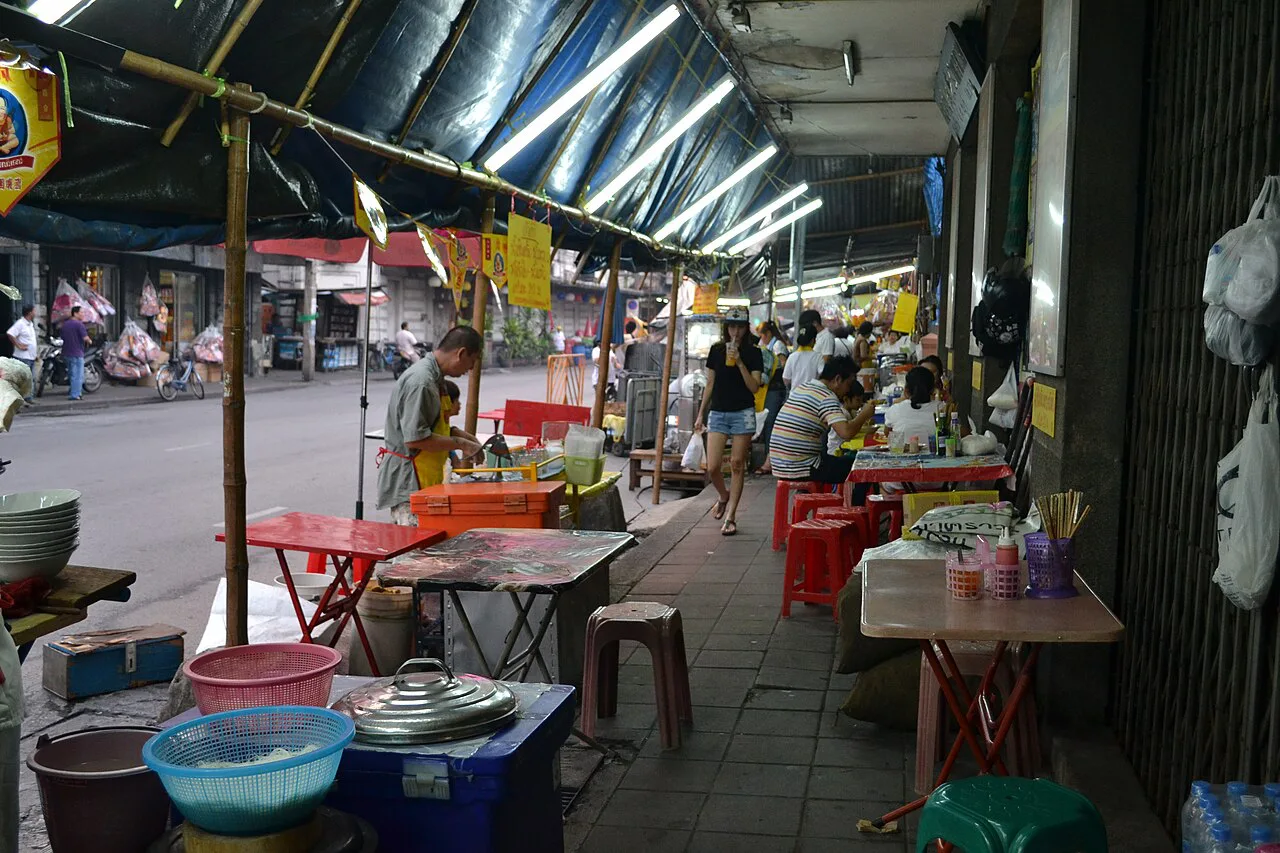
Featured image: PattayaPatrol, CC BY-SA 4.0, via Wikimedia Commons.
The core Thai herbs at a glance
Thai cooking sorts herbs by job. Citrusy aromatics build the base of a soup or paste. Finishing herbs go in last for scent and bite. Chilli and root herbs add heat and earthiness. Mild herbs such as coriander leaf and mint sit at one end of the scale. Pungent ones such as holy basil, fingerroot and Thai chillies sit at the other. Reach for fresh versions whenever you can.
| Herb | Role | Flavour | Typical use |
|---|---|---|---|
| Lemongrass | Citrusy aromatic | Lemony, floral | Soups, curry pastes |
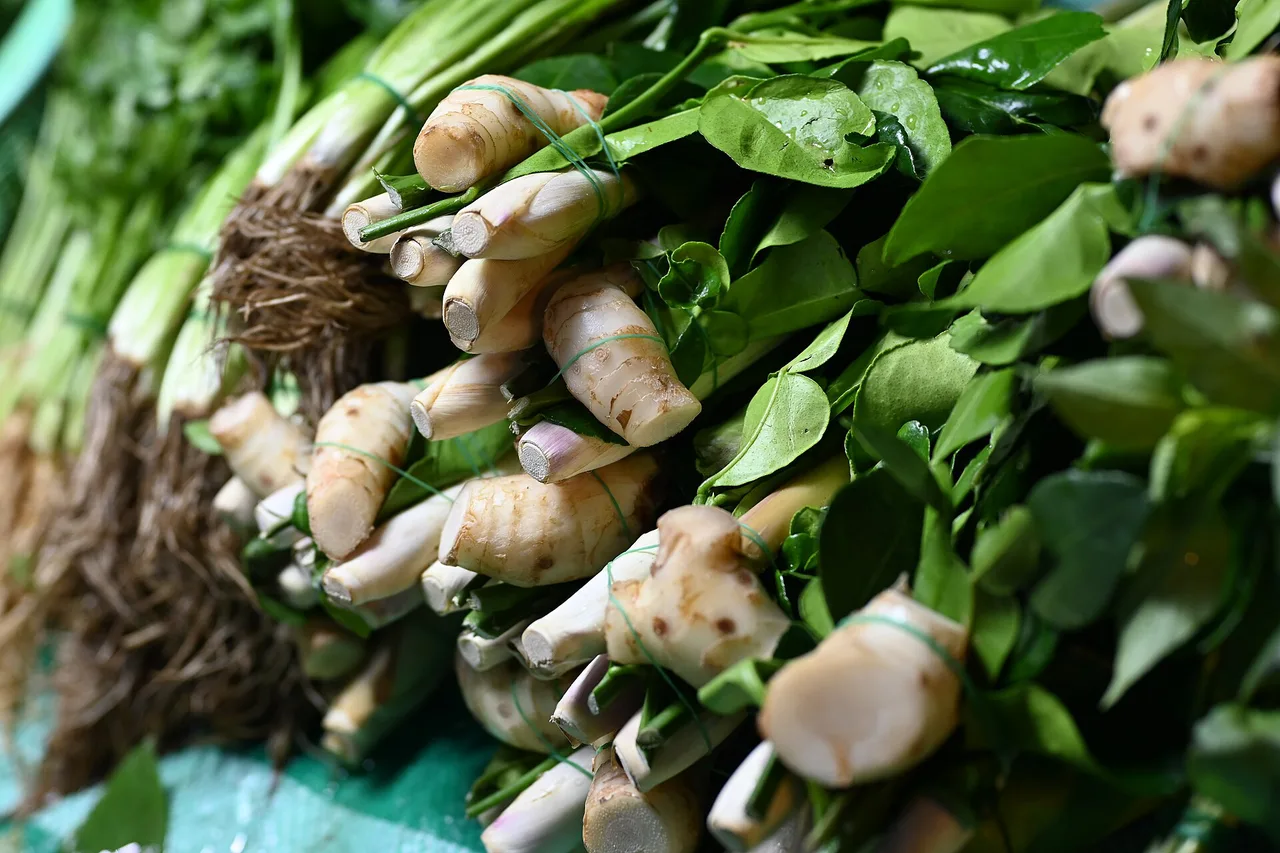
| Galangal | Citrusy aromatic | Sharp, piney, peppery | Tom yum, tom kha, pastes |
| Makrut (kaffir) lime leaf | Citrusy aromatic | Intense citrus oil | Soups, curries, fish cakes |
| Thai basil (horapha) | Finishing herb | Anise-like, sturdy | Green curry, stir-fries |
| Holy basil (kaphrao) | Finishing herb | Peppery, clove-like | Pad kaphrao |
| Sweet basil (maenglak) | Finishing herb | Softer, less peppery | Soups, salads |
| Coriander (leaf and root) | Finishing herb and base | Fresh, citrusy; root is earthier | Garnish, pastes, marinades |
| Culantro (sawtooth coriander) | Finishing herb | Strong coriander note | Garnish, noodle soups |
| Mint | Finishing herb | Cooling | Larb, salads |
| Fingerroot (krachai) | Heat and depth | Pungent, earthy | Curries, stir-fries |
| Turmeric root | Heat and depth | Earthy, mildly bitter | Yellow curries, marinades |
| Thai chillies | Heat | Sharp, hot | Nearly everywhere |
Basil, galangal and the look-alikes: what not to swap
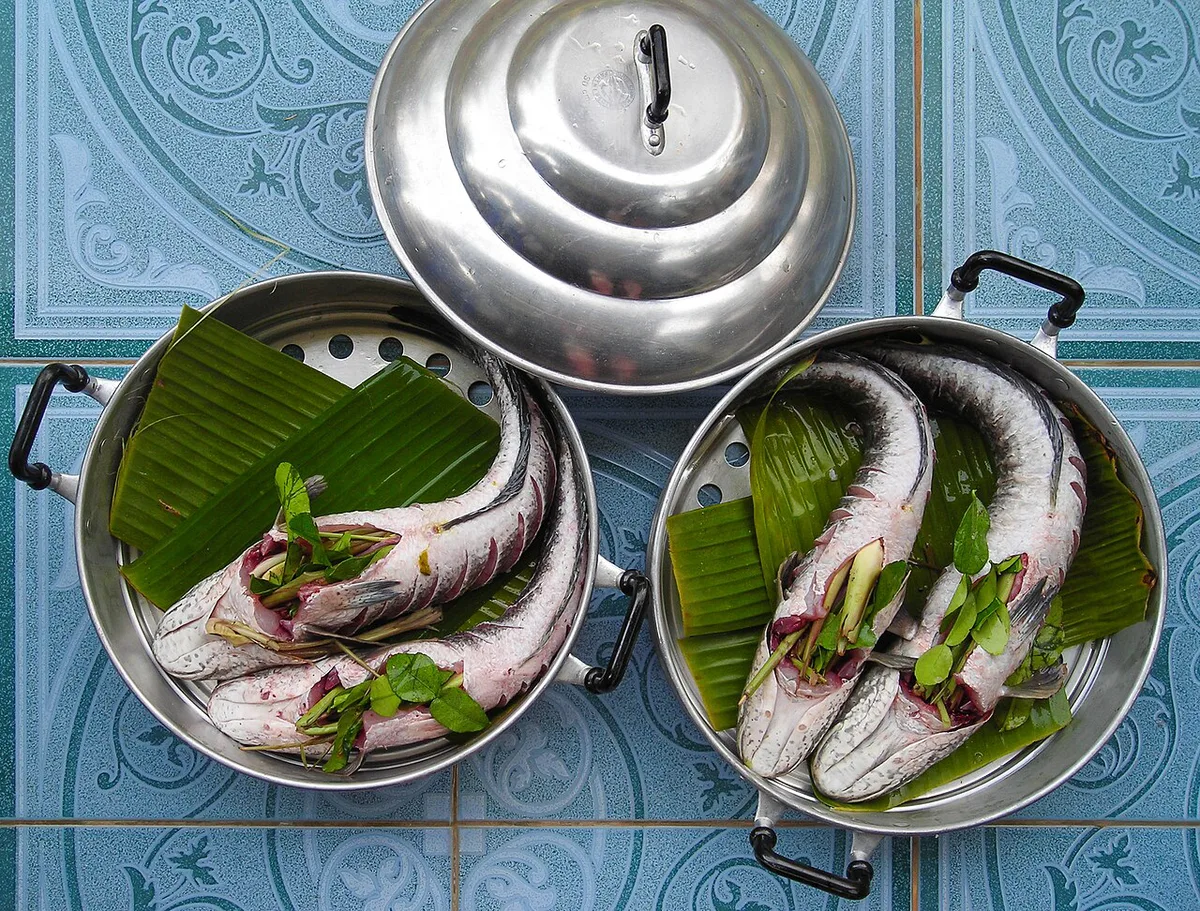
Three basils appear in Thai kitchens, and they are not interchangeable. Thai basil (horapha) has sturdy leaves with an anise note. It holds up in green curry and in quick stir-fries. Holy basil (kaphrao) tastes peppery and clove-like, and it defines pad kaphrao. Sweet basil, called maenglak in Thai, is softer and less peppery. Swapping a milder basil into pad kaphrao gives a gentler dish that loses the expected bite. Galangal and ginger also differ. Galangal is firm and pale, with a sharp pine-and-citrus edge. Ginger is sweeter and hotter on the tongue. Tom yum and tom kha rely on galangal, so ginger pushes the soup toward another cuisine. Cooks who like comparing fresh-herb habits across the region can read our Thai and Vietnamese food comparison.
Which Thai herb goes in which dish
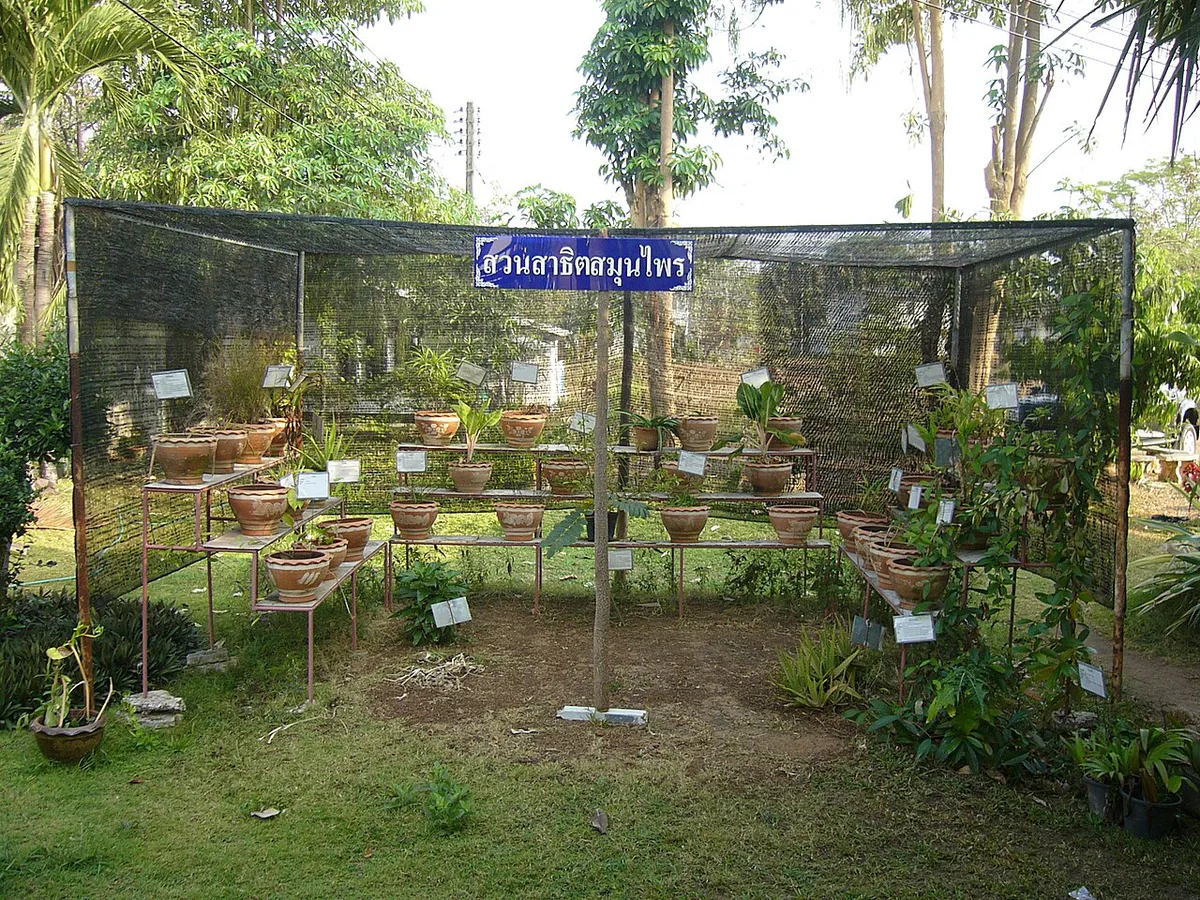
Match the herb to the dish before you shop. Tom yum, tom kha and green curry lean on stalks, roots and leaves that cook in liquid. Pad kaphrao and larb rely on leaves added late or raw. Pastes and dipping sauces served alongside herbs can contain shrimp paste or fish sauce. Vegetarians and allergy sufferers should ask before ordering.
| Dish | Defining herbs | Fresh or cooked | Substitute abroad |
|---|---|---|---|
| Tom yum | Lemongrass, galangal, makrut lime leaf, coriander | Aromatics simmered; coriander added at the end | Frozen galangal and lemongrass from an Asian grocer |
| Tom kha | Galangal, lemongrass, makrut lime leaf | Simmered in coconut broth | Frozen aromatics; skip ginger if you can |
| Green curry | Makrut lime leaf, galangal in the paste, Thai basil | Paste cooked; basil stirred in last | Ready-made paste plus fresh Thai basil |
| Pad kaphrao | Holy basil, Thai chillies | Wilted into the wok at the end | Thai basil gives a different, anise-led dish |
| Larb | Mint, coriander | Raw, tossed in at the end | Few swaps needed; both are easy to grow |
Fresh, frozen, paste or dried: a decision guide
Fresh gives the best result for basils, coriander, mint and culantro. Dried versions of these leaves lose most of their aroma, so skip them. Lemongrass, galangal and lime leaves freeze well, which helps if you cook Thai food now and then. Paste saves time for curries when fresh roots are hard to find. Dried galangal slices can rescue a soup, but expect a flatter flavour. Use the list below to choose.
- Soup: fresh or frozen lemongrass, galangal and lime leaf.
- Curry: ready-made paste, plus fresh basil and lime leaf.
- Stir-fry: fresh holy basil, added at the very end.
- Salad: fresh leaves only, torn just before serving.
Where to find and taste Thai herbs
Fresh markets in Thailand sell herbs in bundles, stall by stall. Go in the morning, when stock looks freshest, and check local timing. Ask vendors to write each name in Thai script, then show the note at a grocer back home. A cooking class with a market tour lets you see the plants before you cook with them. Class availability varies by school, so check each school's own site. Supermarkets in Thailand sell packaged herbs, which suits convenience more than variety. Herb plates and side herbs are part of how meals are eaten, and our guide to Thai eating habits explains the table etiquette. Abroad, Asian grocers stock fresh, frozen and paste versions. A home-grown pot of basil or mint is cheap and gives the freshest leaves. Galangal and lemongrass need more room and warmth.
Bringing herbs home and storing them
Borders often restrict fresh plant material. Check your own country's plant, food and customs import rules before you pack herbs. Sealed pastes and dried goods can face different rules from fresh roots and leaves. Buying from a grocer after you land avoids the problem. For storage, wrap lemongrass and galangal and keep them cool, or freeze them. Freeze lime leaves in a sealed bag. Basil blackens in a cold fridge, so keep it with stems in water at room temperature. Dried spices belong in a separate cupboard, and our guide to Thai spices covers them.
Herbs and wellness: context, not advice
Thai herbs also appear in herbal teas, soups and compresses as part of traditional practice. Treat that as cultural context rather than medical advice. Lemongrass tea is an everyday example. Anyone who is pregnant, on medication or prone to allergies should check with a health professional before using herbs medicinally. A few leaves in a meal are a different matter from concentrated teas or extracts.
Frequently Asked Questions
What kind of spices are in Thai food?
Dried spices work alongside fresh herbs in curry pastes and marinades. Our Thai spices guide covers them in full.
What are the health benefits of Thai basil?
Thai basil is eaten mainly for its anise-like flavour. Health claims vary in quality, so this guide gives no medical advice. Ask a health professional if you are considering it for a health reason.
Thai food notes for your next trip
Optional updates to our food guides.
You might also like


Continue reading
More guides you'll find useful