Thai Spices Guide: Key Flavors, Heat and What to Try
Learn the key Thai spices, how spicy levels really work, regional differences, and what to order or buy in Thailand before you carry them home.
On this page
Last updated November 2026. Thai spices are a short toolkit of dried chilies, peppercorns, coriander seed, cumin and warm baking spices, plus rhizomes like galangal and turmeric. Most of the aroma in a Thai dish comes from fresh aromatics and pounded pastes, so this guide separates the two. You will also learn how to order heat, what each region tends to cook, and what to buy.
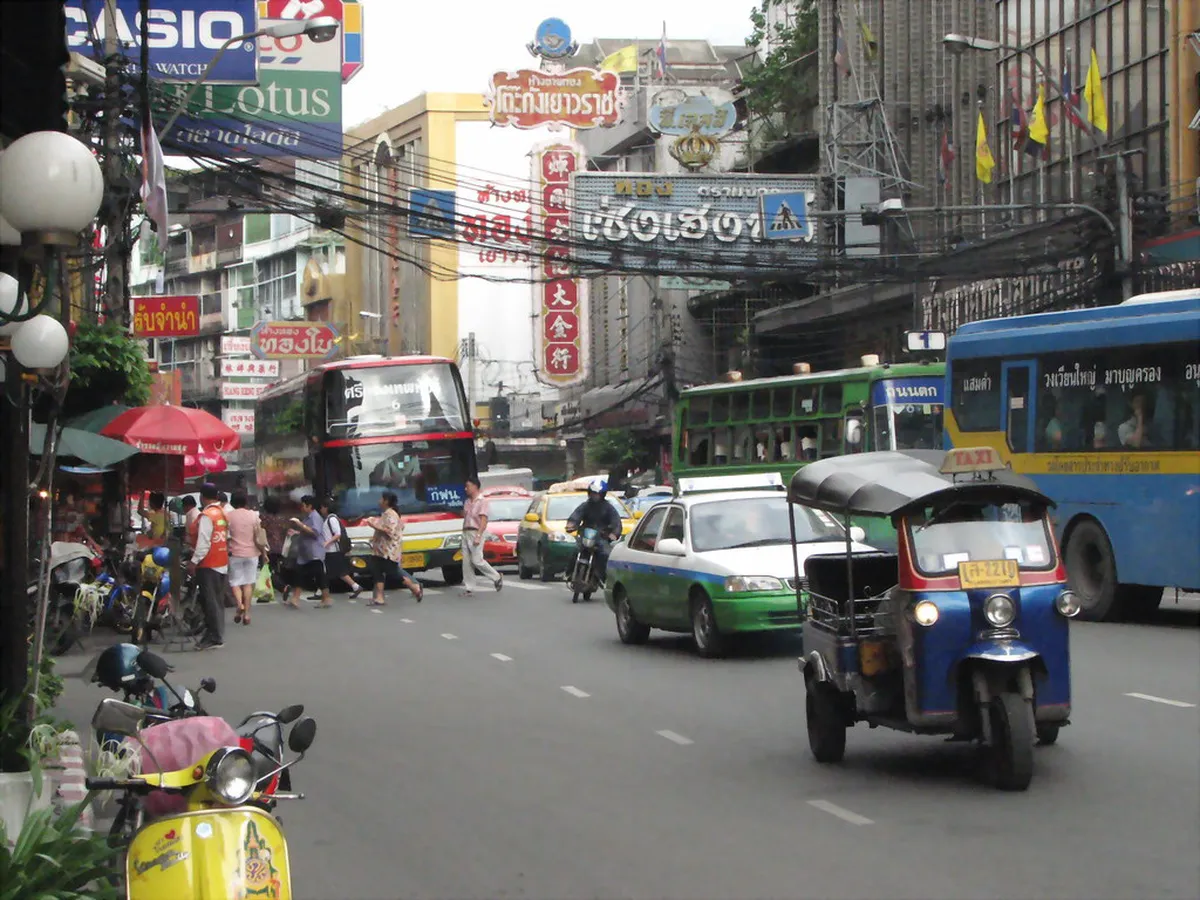
Featured image: Takeaway, CC BY-SA 3.0, via Wikimedia Commons.
What counts as a Thai spice?
Thai cooking balances sweet, sour, salty and spicy in nearly every meal. Sources disagree on whether that makes four or five core tastes, so treat any fixed number as a teaching shortcut. The dry spice shelf is small. It holds white and black pepper, coriander seed, cumin, cardamom, cinnamon, star anise, clove and dried chilies. Fresh galangal, lemongrass, garlic and kaffir lime do much of the aromatic work, and our guide to fresh leafy herbs covers the green side in depth. This page stays with the dried spices, chilies, rhizomes, pastes and heat.
The core Thai spices at a glance
Use this table to match a flavor to a dish before you order or shop. Curry pastes sit underneath most of it. A paste is a pounded blend of chilies, rhizomes, aromatics and sometimes toasted dry spices, so one spoonful carries many of the flavors below. Massaman is the clearest example of warm spices in a Thai curry, with cinnamon among its dry spices.
| Spice | Flavor and role | Typical dishes | Form |
|---|---|---|---|
| Dried chilies | Heat, color, smoky depth | Red curry paste, chili flakes at the table | Dried, flaked or in paste |
| Bird's eye chili (prik kee noo) | Sharp, fast heat | Stir-fries, salads, dipping sauces | Fresh |
| Galangal | Peppery, citrus-pine, sharper than ginger | Tom kha gai, curry pastes | Fresh rhizome |
| Turmeric | Earthy, bitter, yellow color | Yellow curry, massaman, satay | Fresh or powdered |
| Ginger | Pungent, bright | Gai pad king stir-fry, tea | Fresh |
| Lemongrass | Lemony, floral | Tom yum, curry pastes | Fresh stalk |
| Peppercorns | Warm bite; green ones are fresh and sharp | Stir-fries and curries | Fresh green or dried |
| Cinnamon | Sweet warmth | Massaman curry, desserts | Dried bark |
| Garlic | Savory base | Gai pad gratiem prik thai, most pastes | Fresh |
Thai chilies explained
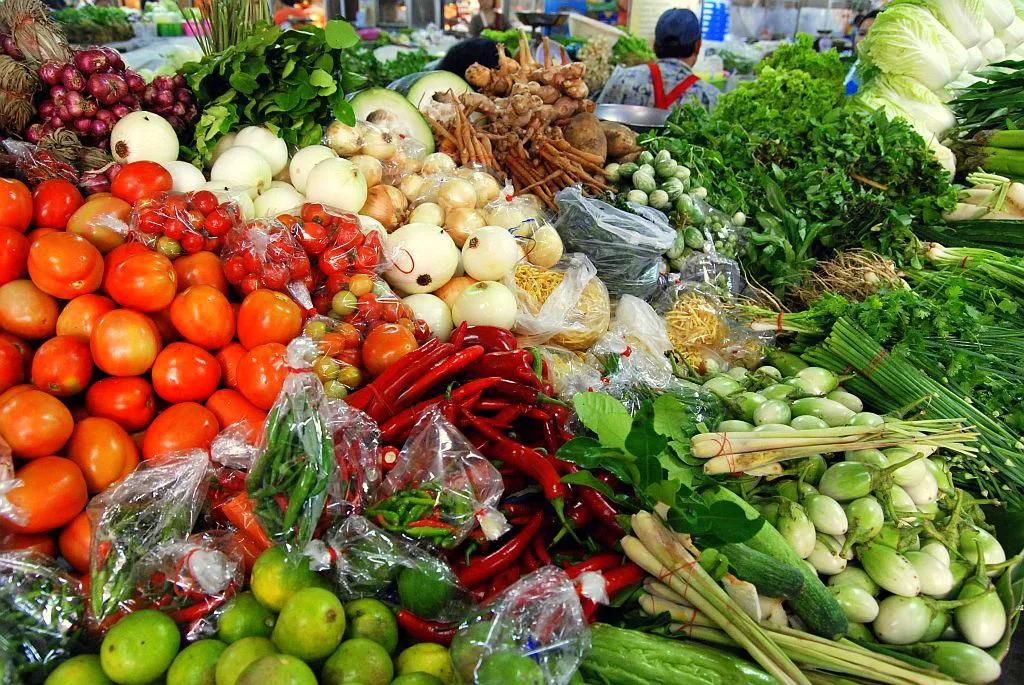
Chilies are the main heat source, and Thai cooks pick them by role. Bird's eye chili (prik kee noo) is the most common small hot variety. Prik chee fah is a larger red chili used in red curries and as garnish, fresh or pickled. Prik yuak is sweet and gentle. Prik noom is a northern chili tied to nam prik noom, a roasted chili dip. Fresh chilies give bright, grassy heat. Dried ones add depth and keep for months. Pickled chilies in vinegar work as a sour-hot condiment. Exact variety counts and heat ratings vary between sources, so rely on the name and the dish rather than a number. Chilies are a post-contact arrival, and how chilies reached Thailand is told in our history guide.
How spicy is Thai spicy? Ordering heat in Thailand
Many export restaurants print a 1-to-5 heat scale. In Thailand, heat is usually set by asking and then adjusted at the table. Cooks often tone down a dish for visitors, so say clearly what you want. Learn these romanized phrases and say them with a smile.
- Mai phet: not spicy.
- Phet nit noi: a little spicy.
- Phet mak: very spicy.
- Mai sai prik: no chili, please.
- Khor prik nam pla: may I have chili fish sauce?
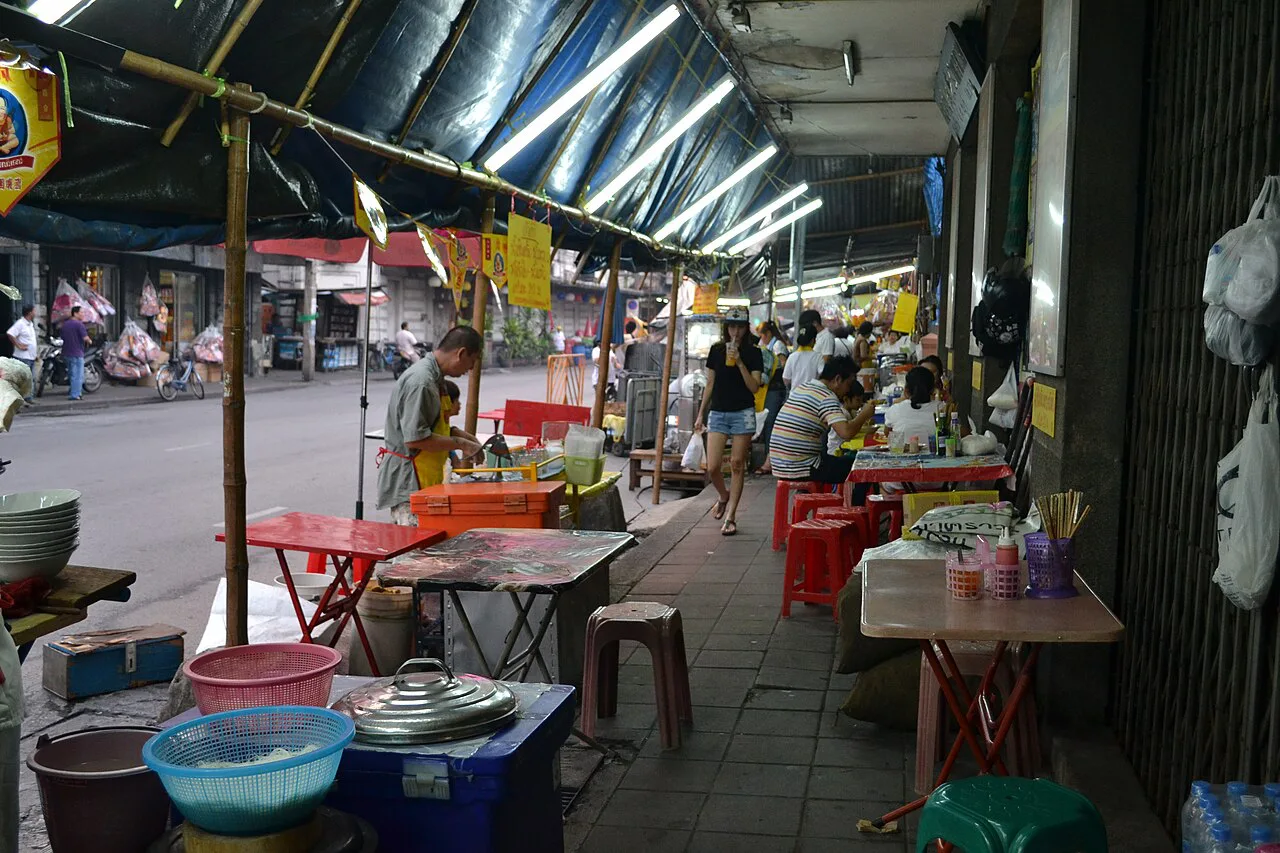
Table condiments and the too-hot fix
Many noodle shops and casual restaurants set out a caddy with four items: prik nam pla (chilies in fish sauce), dried chili flakes, sugar and vinegar. Diners tune each bowl themselves, so a mild order can still become fiery in seconds. Start with a quarter spoon and taste first. Our note on shared-table etiquette explains how dishes and condiments circulate. If a dish overwhelms you, eat plain rice or sticky rice. A sweet drink also helps. Water alone tends to spread the burn, so do not rely on it.
Regional heat and flavor: North, Northeast, Central, South
Regional generalizations are tendencies, not rules. Cooks everywhere vary heat by dish and by customer. Use the table as a starting map, then follow the local specialty. Our overview of regional food culture adds more context on how these styles formed.
| Region | Typical character | Dishes to look for |
|---|---|---|
| North | Often milder; sticky rice and dips | Nam prik noom, northern curries |
| Northeast | Sharp, salty, sour; fermented fish; sticky rice | Som tam, larb |
| Central | Balanced sweet, sour, salty, spicy; coconut milk common | Green curry, tom yum goong, pad thai |
| South | Often fiery and sour; heavy curry paste and seafood | Southern curries, stir-fries with fresh pepper |
Spice-driven dishes to taste, by heat level
Order by tier rather than by menu description. Start in the middle and move in either direction once you know your limit. Each tier lists who should skip it.
- Mild: massaman curry and gai pad king (ginger stir-fry). Skip if you dislike warm sweet spices.
- Medium: green curry, tom kha gai and tom yum goong. Skip or ask for less chili if you have reflux or are pregnant and unsure.
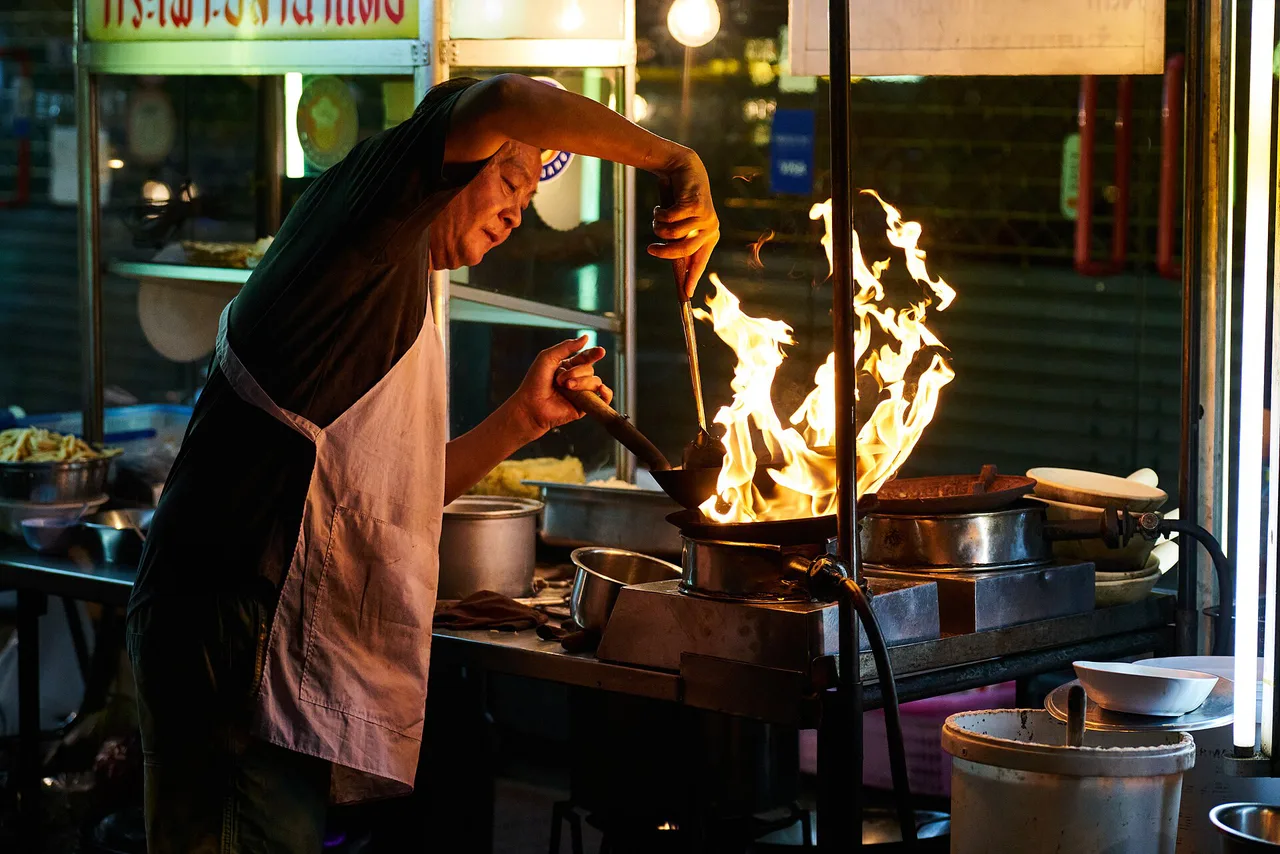
- Fiery: som tam, larb and southern curries. Skip for young children, or ask for mai phet and add condiments slowly.
Buying Thai spices and pastes in Thailand
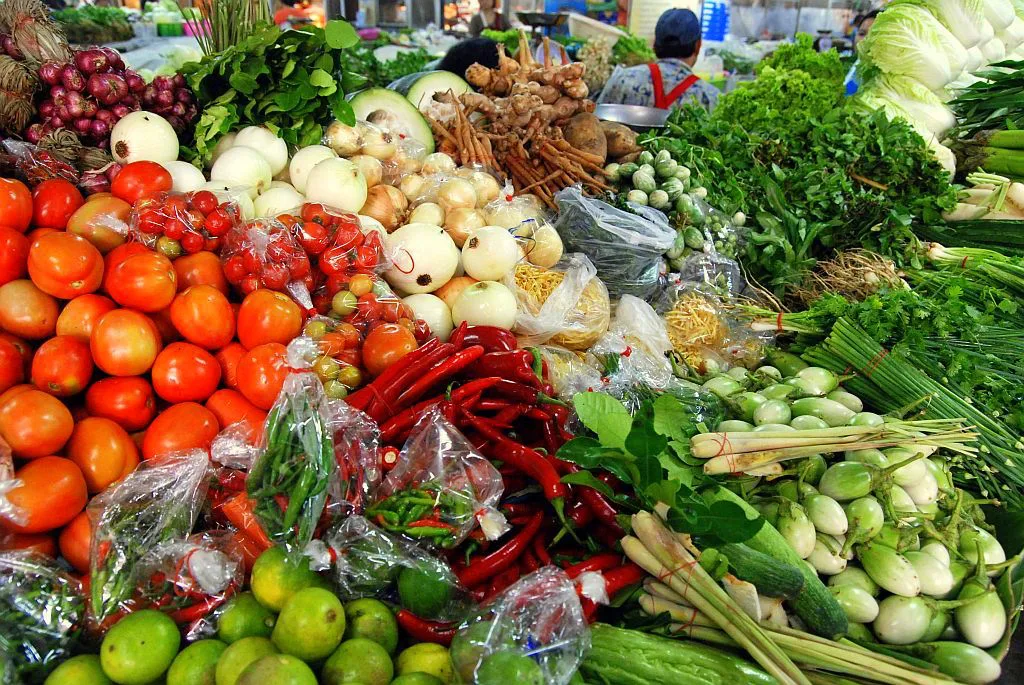
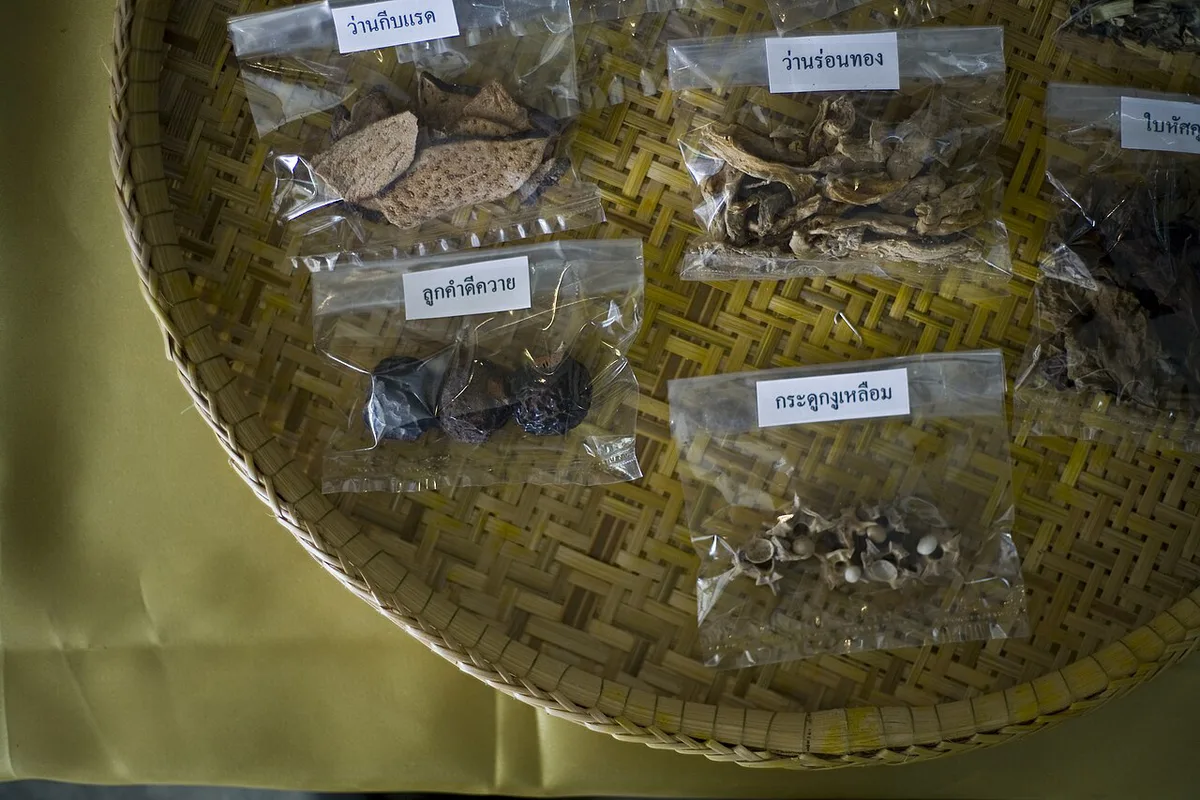
Fresh markets sell whole rhizomes, fresh chilies and pounded pastes by weight. Supermarkets stock dried spices and sealed pastes. Specialty shops are best for whole peppercorns and spice sets. Fresh aromatics are the freshest but spoil fast, so see our notes on fresh aromatics before shopping. Dried whole spices are light and keep well. Ready-made pastes are the easiest option for a first-time cook. Whole spices keep more aroma than pre-ground ones, so grind at home. Prices vary by shop and season, so compare two stalls before buying. Customs and plant or food import rules for carrying spices home differ by country. Check the Thai Customs Department and your home country's agriculture or customs authority before you pack.
Common mistakes with Thai spices
A few habits cause most disappointments at the table and in the market.
Export menus may print a 1-to-5 heat scale, yet a Thai table's caddy lets you tune each bowl yourself.
- Assuming mild means no heat. Ask for phet nit noi and taste first.
- Forgetting that heat compounds across a curry, its side dishes and the condiment caddy.
- Ignoring regional style. A northeastern salad can be far hotter than a central curry.
- Buying pre-ground spices that lose aroma. Pick whole spices and grind them later.
How Thai spice compares with neighboring cuisines
Thai curries lean on fresh pastes more than many dry spice blends. For a fuller contrast, see Thai versus Indian cooking. Our look at Thai and Chinese techniques covers the stir-fry overlap. Readers heading onward can compare Vietnamese flavors or Japanese seasoning with the Thai table.
Thai food notes for your next trip
Optional updates to our food guides.
You might also like


Continue reading
More guides you'll find useful