Thai Food vs Vietnamese Food: Key Differences Explained
Thai vs Vietnamese food compared: flavor, spice level, signature dishes, dietary fit, and how to choose. Includes a side-by-side table.
On this page
Last updated November 2026. In the thai food vs vietnamese food debate, Thai cooking leans bolder, spicier and richer with curry paste and coconut milk. Vietnamese cooking leans lighter, with clear broths, raw herbs and fresh rolls. Both cuisines are broad and regional, so treat these as tendencies and choose by mood and heat tolerance.
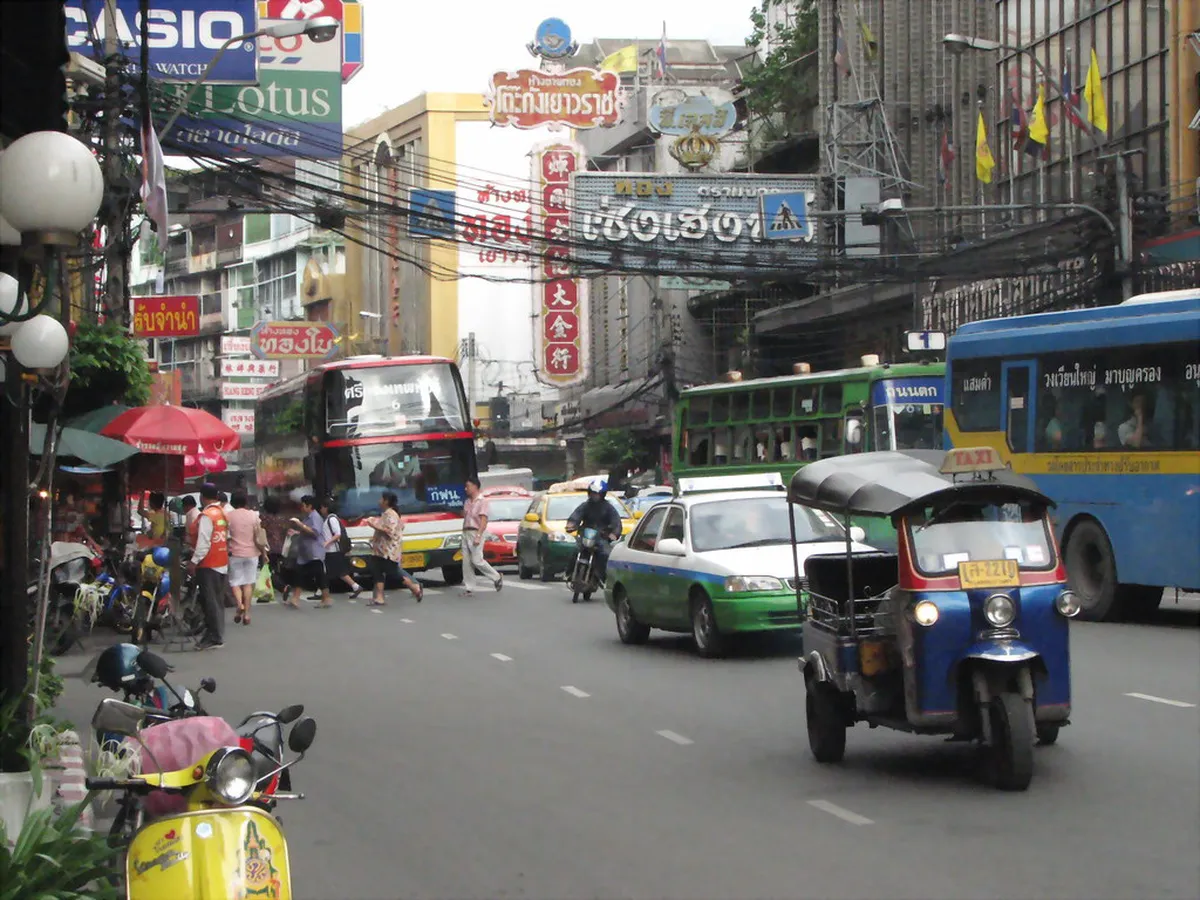
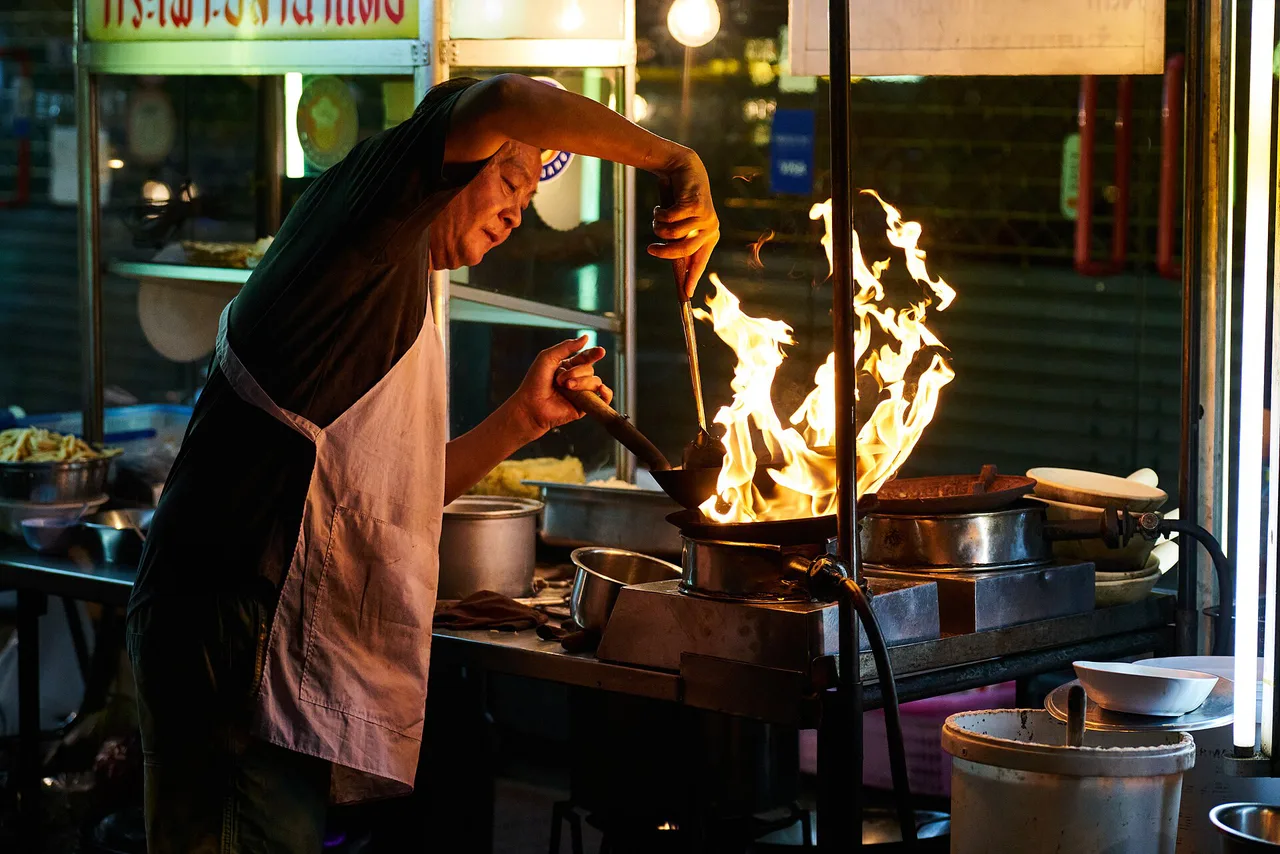
Featured image: User:Mattes, Public domain, via Wikimedia Commons.
Quick Verdict: Thai Food vs Vietnamese Food
Thai food pushes sweet, sour, salty and spicy into strong contrast. Vietnamese food aims for balance and freshness, with heat usually added at the table. Neither is better. Your appetite for chilli and richness decides it.
- Pick Thai if you want bold heat, coconut-based curries and punchy salads.
- Pick Vietnamese if you want aromatic broths, herb plates and gentler heat.
- Pick either for rice or noodles, but expect different seasoning habits.
Side-by-Side Comparison
This table shows typical tendencies. Regional dishes in both countries break these patterns, so use it as a starting map.
| Aspect | Thai | Vietnamese |
|---|---|---|
| Flavor balance | Sweet, sour, salty, hot in contrast | Balanced, fresh, layered |
| Heat | Often fiery, built into the dish | Usually mild, chilli added at the table |
| Key aromatics | Lemongrass, galangal, kaffir lime, chilli | Mint, coriander, Thai basil, spring onion |
| Fat and coconut | Coconut milk common in curries and desserts | Little coconut milk in most everyday dishes |
| Staples | Jasmine rice, rice noodles | Rice noodles, rice paper, rice |
| Signature dishes | Green curry, tom yum, pad thai | Pho, bun, fresh spring rolls |
| Seasoning style | Fish sauce, shrimp paste, curry paste, table condiments | Fish sauce, light dipping sauces, herb plates |
| How you eat | Shared dishes over rice | Noodle bowls and DIY herb plates |
Flavor Philosophy: Where They Really Diverge
Thai cooks build intensity. Curry pastes pound together lemongrass, galangal and chilli, and coconut milk softens the heat. Our guides to Thai Spices Guide: Key Flavors, Heat and What to Try explain that spice base in detail. Fresh leaves matter just as much, as covered in Thai herbs and their uses. Vietnamese cooking aims for freshness. Raw herbs go onto the plate, broths stay clear and dipping sauces stay light. Warm and cold, soft and crunchy often meet in one bowl. Both cuisines rely on fish sauce, which is why they can taste related at first bite. Food traditions like these are documented in UNESCO's intangible heritage records. For the Thai side of the story, start with Thai Food Culture: 7 Things That Define How Thailand Eats.
Dishes That Look Similar but Taste Different
Some dishes share a format but not a flavor. Here are the clearest pairs.
- Rice-noodle soups: pho is a clear, spiced broth with herbs added at the table. Thai noodle soups often arrive seasoned, with a sharper sour and spicy edge.
- Pad thai vs pho: pad thai is wok-fried, sweet-sour and tangy with peanuts. Pho is a brothy soup that tastes savory and aromatic.
- Fresh rolls: Vietnamese rolls wrap herbs and noodles in rice paper with a light dip. Thai versions lean on sweeter, chilli-forward sauces.
- Salads: Thai salads hit lime, chilli and fish sauce hard. Vietnamese salads are milder, with herbs and crunch.
- Grilled meats: Thai grills come with spicy dipping sauces. Vietnamese grills arrive with herbs and lettuce to wrap.
Spice and Heat: What to Expect
Is Vietnamese food spicy? Usually it is aromatic rather than fiery. Chilli and sauces sit on the table, so you control the heat. Thai dishes often carry heat inside the cooking, especially in southern and northern regional dishes. That said, both cuisines vary widely by region and cook. If you want less heat in Thailand, ask for mild before ordering. In Vietnam, add chilli a little at a time. Common mistakes are assuming all Thai food is hot and all Vietnamese food is mild.
- Mildest: pho, fresh rolls, most Vietnamese grills.
- Medium: many Thai stir-fries and coconut curries.
- Hottest: Thai salads, jungle curries and som tam when ordered spicy.
Health, Diet, and Dietary Fit
Vietnamese meals are often lighter, with less coconut milk and more fresh herbs. That is a tendency, not a medical claim. Thai curries can be richer because of coconut milk. Vegetarian options exist in both cuisines, but hidden fish sauce and shrimp paste are common in each. Peanuts appear in sauces and garnishes, so mention allergies clearly. Ask for no fish sauce and no shrimp paste, and confirm broths are vegetable-based. Pho and curries are the usual traps, since stocks and pastes often contain animal products.
Which Should You Choose? A Decision Guide
Match the cuisine to the moment.
- First-timer: Vietnamese noodle soup or Thai pad thai are both approachable.
- Spice-averse: Vietnamese, with chilli on the side.
- Spice-lover: Thai, especially salads and jungle curries.
- Vegetarian: either, with explicit requests about fish sauce.
- Group sharing: Thai, since shared plates over rice suit big tables, as in Thai Eating Habits: Sharing, Rice, Spoon & Fork.
- Quick lunch: a noodle bowl in either country.
Eating Each Cuisine When Traveling
Thai food tastes best in Thailand, and Vietnamese food in Vietnam. Overseas restaurants often tone down heat, funk and sweetness for local tastes. Prices and typical ranges reflect late 2026 street-level eating and move with city and venue. A Thai street noodle bowl often runs ฿50–฿80, while a sit-down curry meal may cost ฿150–฿300. A Vietnamese pho bowl often costs ₫40,000–₫70,000. Street noodle bowls are inexpensive in both countries, and sit-down meals cost more. Meals take roughly the same time. Check current local prices before you budget. Want regional context for Thai dishes? See Thai Food History: Origins, Influences and a Timeline. Keep comparing with Thai versus Chinese food. Also see Thai versus Indian cooking. Then try Thai versus Japanese cuisine.
Pho ranks among the mildest dishes here, and a typical bowl runs ₫40,000–₫70,000, so it suits a low-heat first order.
Frequently Asked Questions
How to differentiate Thai and Vietnamese?
Look at the herbs and heat. Thai dishes lean on curry paste, coconut milk and built-in chilli. Vietnamese dishes lean on raw herbs, clear broth and light dipping sauces.
What are the differences between pad thai and pho?
Pad thai is a wok-fried noodle dish that tastes sweet, sour and nutty. Pho is a clear, aromatic noodle soup, with herbs added at the table.
What is healthier, Thai or Vietnamese?
Vietnamese meals are often lighter because they use less coconut milk and more fresh herbs. Both cuisines have light and rich dishes, so choice of dish matters more than country.
Thai food notes for your next trip
Optional updates to our food guides.
You might also like

Continue reading
More guides you'll find useful