Tipping in Thai Restaurants: When, How Much & Service Charges
Do you tip in Thai restaurants? How to read the service charge, what to leave at street stalls vs. sit-down places, and cash vs. card tips.
On this page
Last updated November 2026: tipping in Thailand restaurants is optional and appreciated, not required. Check the bill for a service charge first. If none is listed, round up at stalls and leave roughly 20 to 50 baht at casual sit-down places.
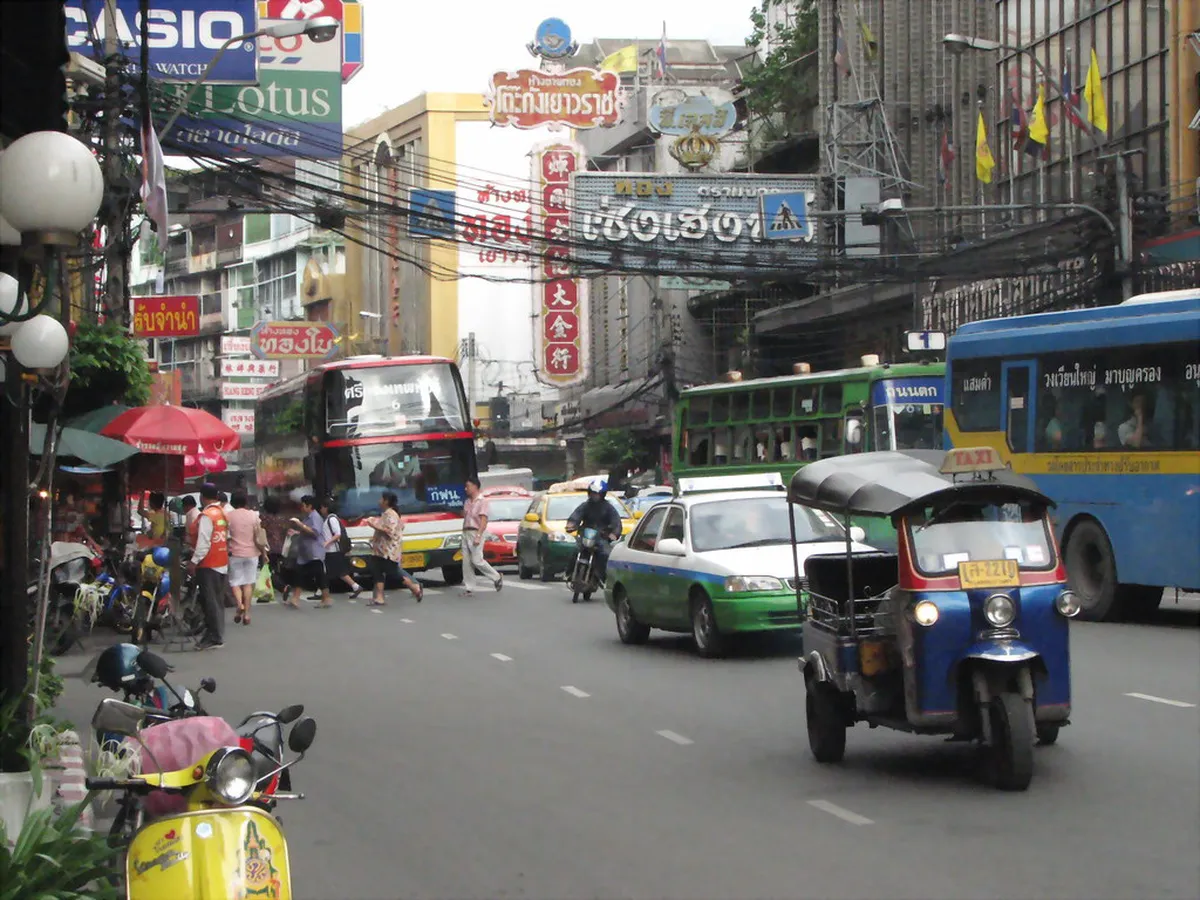
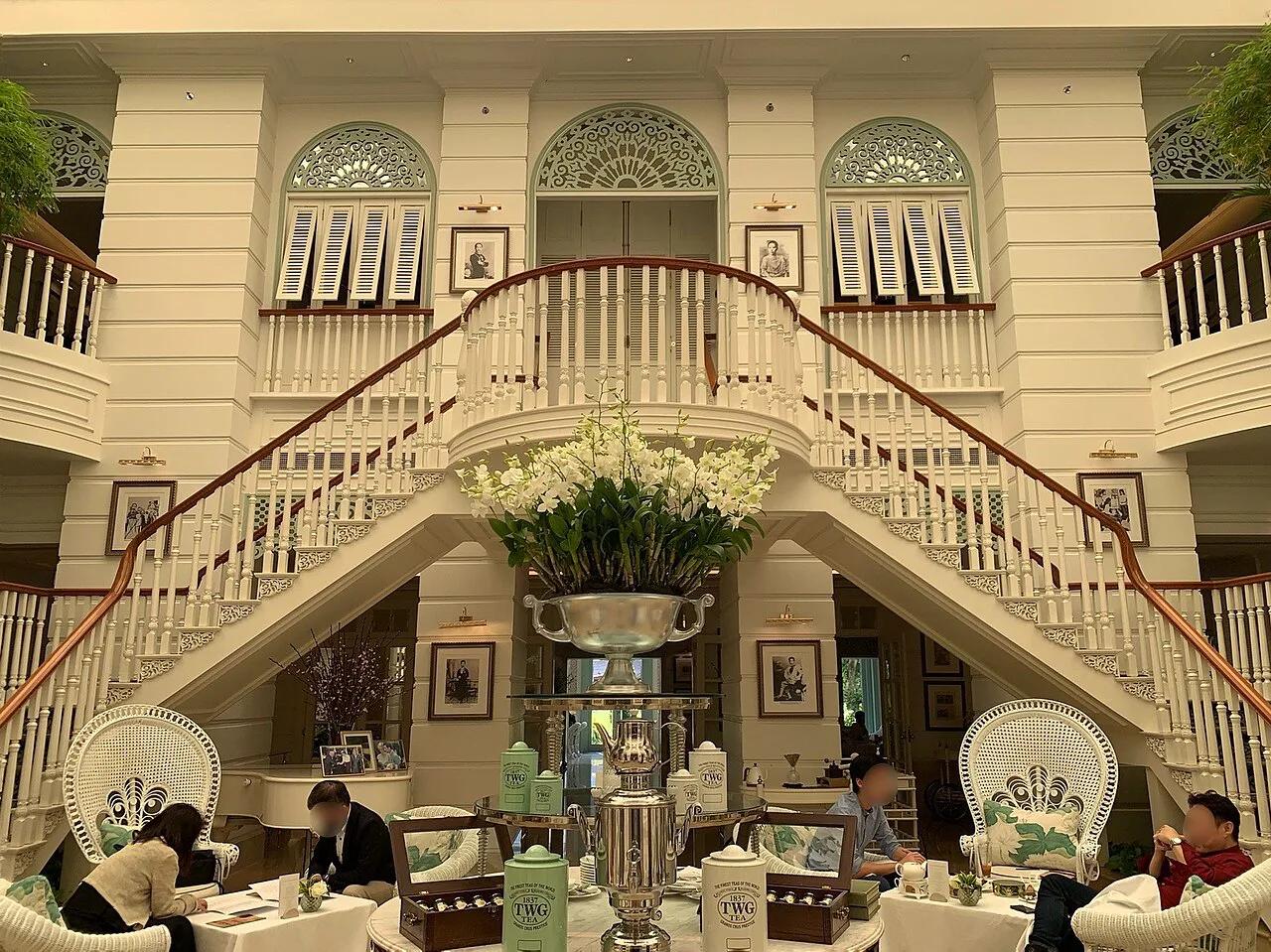
Featured image: Weldon Kennedy from London, UK, CC BY 2.0, via Wikimedia Commons.
Short answer: do you tip in Thai restaurants?
No, you do not have to. Tipping is a courtesy in Thailand, not an obligation, and Western 15 to 20% norms do not apply. Many Thais rarely tip in everyday meals. Visitors who do tip usually round up at street stalls, leave about 20 to 50 baht at casual restaurants, and consider 10% at upscale venues with no service charge. Amounts below are common traveler practice rather than official rules, checked November 2026.
How to read your bill: service charge, "++" and VAT
Many mid-range and upscale restaurants add a service charge, commonly 10%, to the bill. A price followed by "++" on a menu means service charge and VAT will be added on top. "Net" means the listed price is final. VAT is a government tax, and it never goes to your server. A service charge is not the same as a tip, though it often serves as one. Use these steps at the table.
- Look at the bottom of the menu for "++" or a note about service charge.
- Read the bill for a line labeled "service charge" or "SC".
- If the line is there, an extra tip is optional. Many travelers add only a small note for standout service.
- If it is missing, use the venue table below.
- If the price is marked "net", treat the bill as final and tip by venue type.
How much to tip by venue type
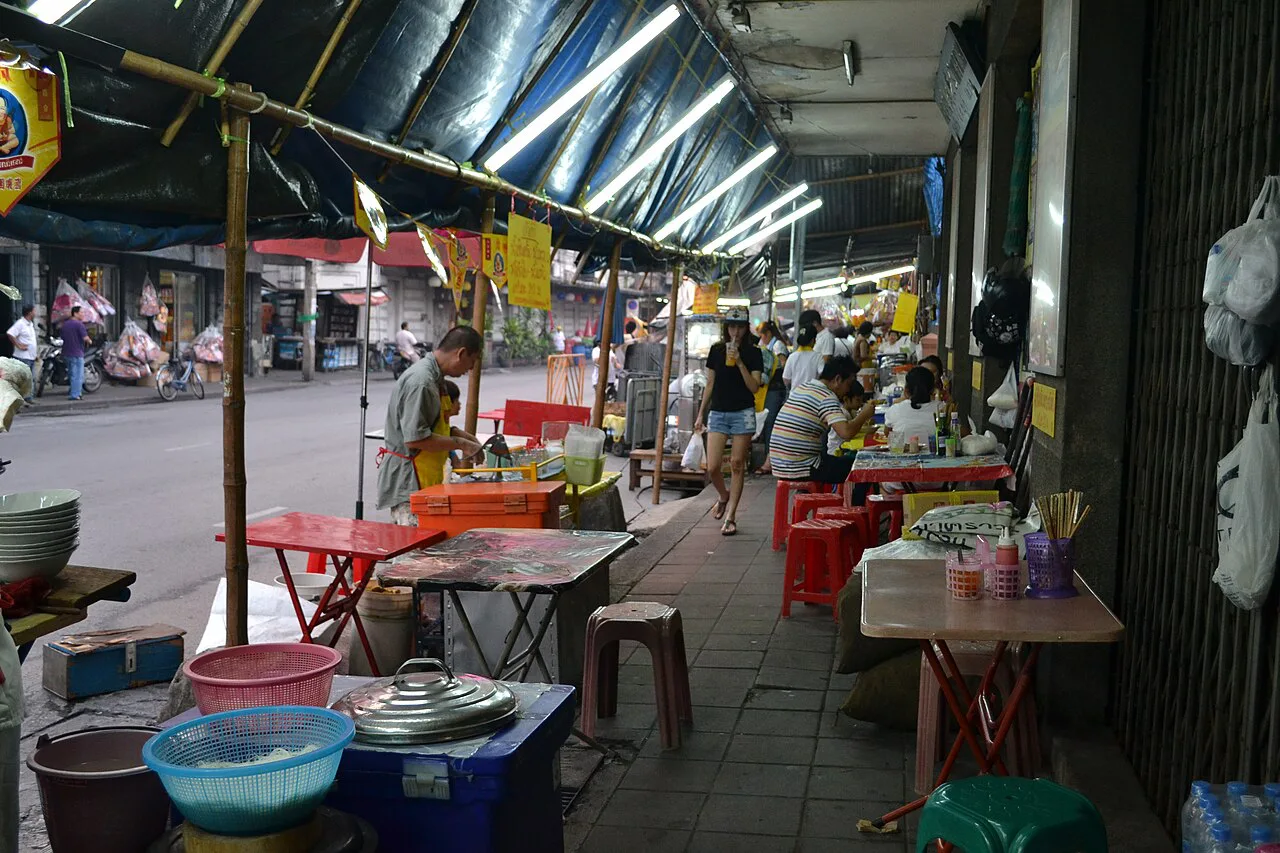
Match the amount to the meal. A few baht matter at a stall, where meals often cost under 100 baht. Rounding up to the nearest 10 baht is a common habit there. At mid-range restaurants without a service charge, 10% is a typical gesture. For real meal prices, see our guide to food costs in Thailand.

| Venue | Common practice | Notes |
|---|---|---|
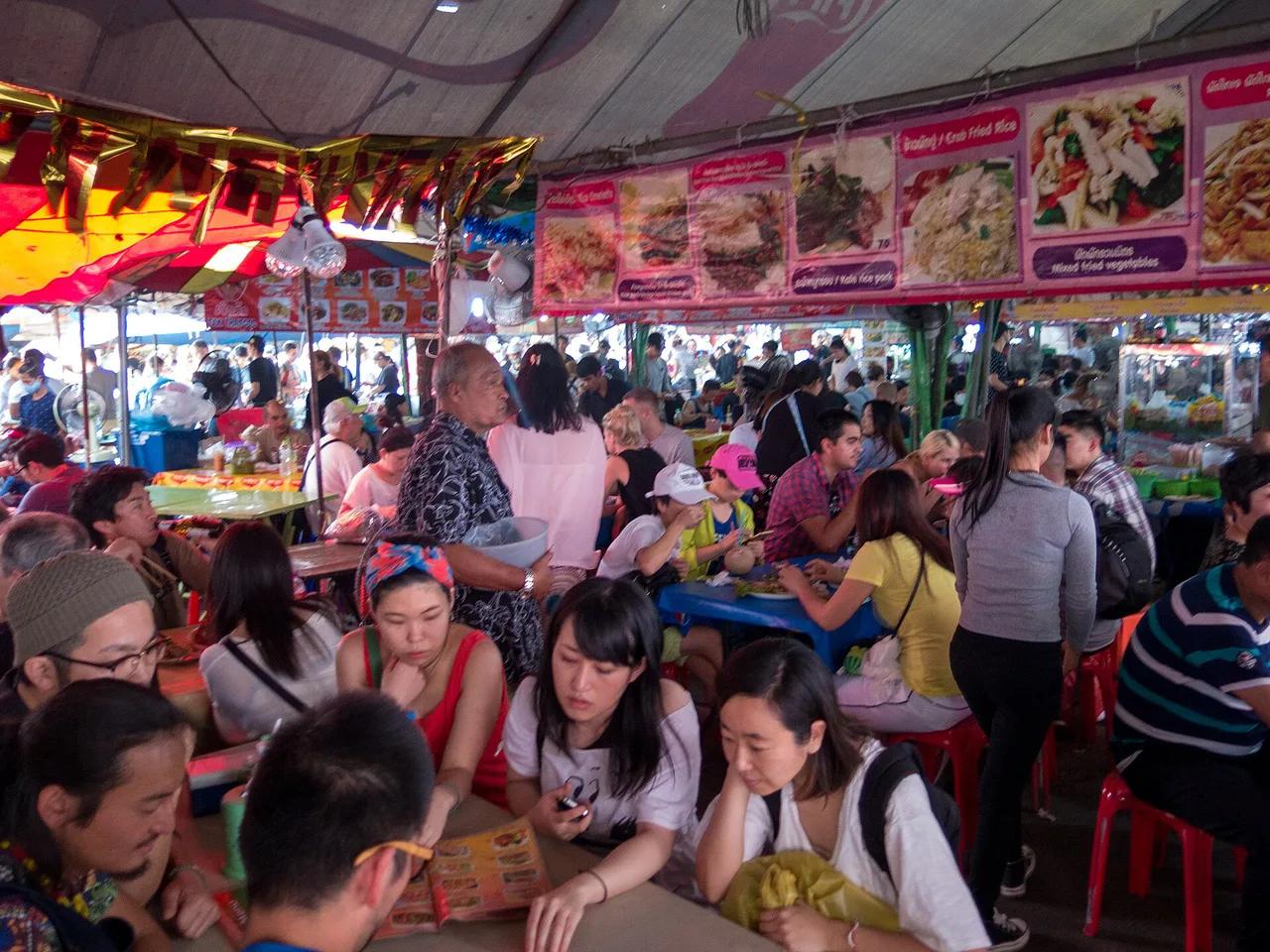
| Street stall or market | Round up to the nearest 10 baht | No tip needed; small change is welcome |
| Local shophouse eatery | Round up, or leave about 20 baht | Hand it over rather than leaving it on the table |
| Casual sit-down restaurant | About 20 to 50 baht, or 5 to 10% | Skip it if a service charge is listed |
| Mid-range restaurant | About 10% if no service charge | Good service only |
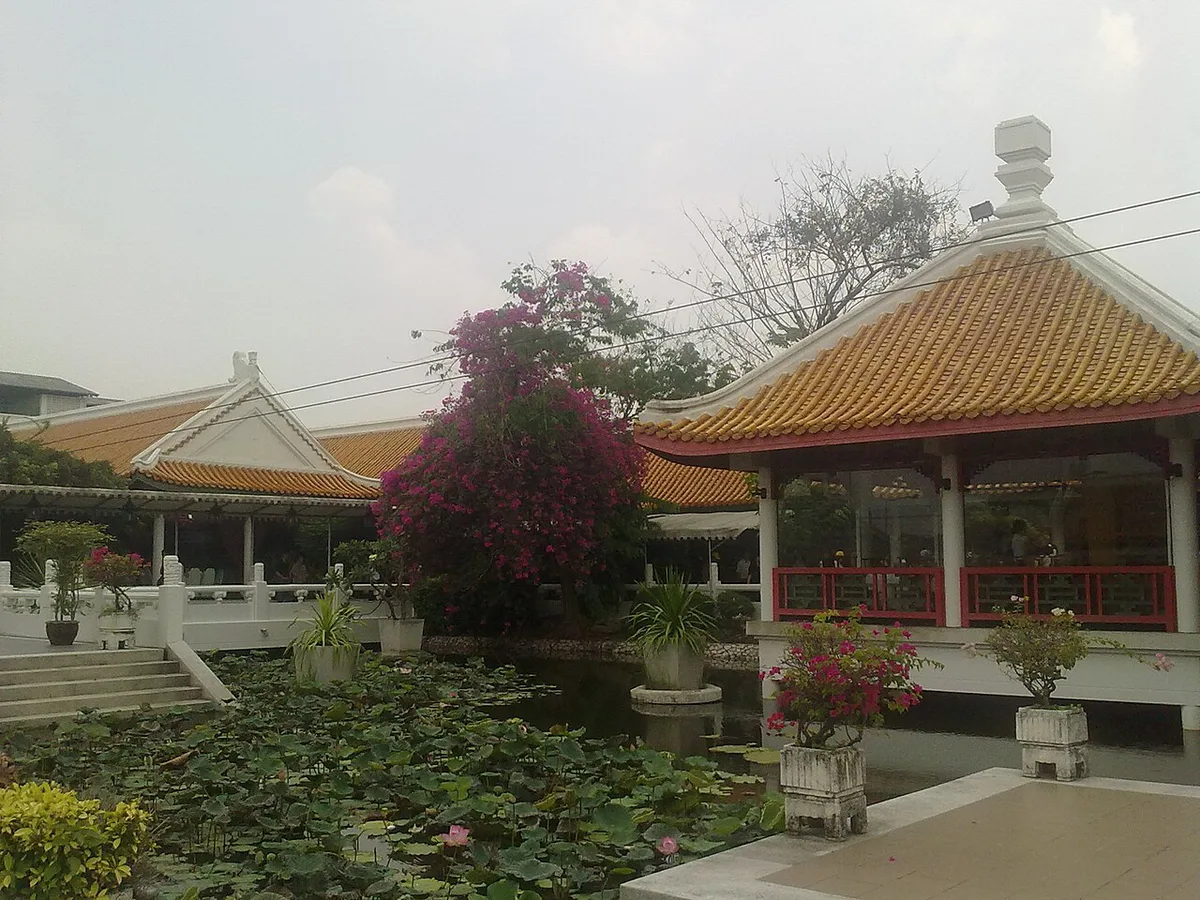
| Hotel or upscale dining | 10% to 15% if no service charge | Service charge is common here |
| Bar or café | Round up, or 10 to 20 baht per drink round | Optional for counter service |
| Buffet | Small cash note for attentive staff | Often nothing |
Cash or card: getting the tip to staff
Small baht cash is the simplest way to tip. Travelers commonly report that tips added to a card do not always reach servers, and many card terminals have no tip line. Hand 20 or 50 baht directly to your server when you pay. Stalls rarely have change for large notes. Break a big note at a convenience store by buying water, and keep coins and 20 baht notes ready. Always tip in Thai baht, because foreign banknotes are hard for staff to exchange.
Bar tips run 10 to 20 baht per drink round, so a 20 baht note is a handy size for it.
Tipping in Bangkok, tourist islands and local areas
Expectations are higher where many foreign visitors eat. Restaurants in Bangkok and on Phuket are more used to tips and more likely to add a service charge. Everyday local eateries away from tourist strips run on the opposite habit. Locals pay the bill, perhaps leave coins, and move on. Follow the same bill check everywhere. Do not assume a tourist-area price list means a higher tip is required.
On Phuket and in Bangkok, a service charge is more likely, commonly 10%, so check the bill first.
Etiquette and mistakes to avoid
Thai culture values modesty, as outlined by the Ministry of Culture, so quiet generosity fits better than a show. Our Thai food etiquette guide covers wider table manners. Avoid these common slips.
- Tipping 15 to 20% on a bill that already has a 10% service charge.
- Leaving money on the table with no signal, so staff think you forgot it. Say thanks and hand it over.
- Paying in foreign currency instead of baht.
- Over-tipping at stalls, which can confuse vendors.
- Skipping the bill check at the end of a shared meal. Our guide to How to Eat Thai Food: Utensils, Sharing & Etiquette covers how dishes and payment flow.
Beyond the table: quick pointers
Hotel porters, taxi drivers and massage therapists also receive small tips, but customs differ for each. Rounding up a metered fare is common. For wording at the register, our Thai Food Phrases: What to Say When Ordering (With Thai Script) include useful lines for asking for the bill. For upscale dining, restaurants listed by the MICHELIN Guide Thailand publish their own menu terms, so read the fine print on service charge before you order.
Frequently Asked Questions
How much should you tip in Thailand?
Tips are modest and optional. At restaurants, round up at stalls, leave about 20 to 50 baht at casual places, and consider 10% at upscale venues without a service charge.
Is it rude to not tip at a restaurant?
No. Tipping is not expected in the way it is in North America, and a service charge may already cover it. A polite thank-you is always welcome.
Thai food notes for your next trip
Optional updates to our food guides.
You might also like

Continue reading
More guides you'll find useful