Tub Tim Krob: Thai Red Ruby Dessert Guide
What tub tim krob is, how it tastes, how to order it in Thailand, and a quick home-recipe summary. Compare it with other Thai desserts.
On this page
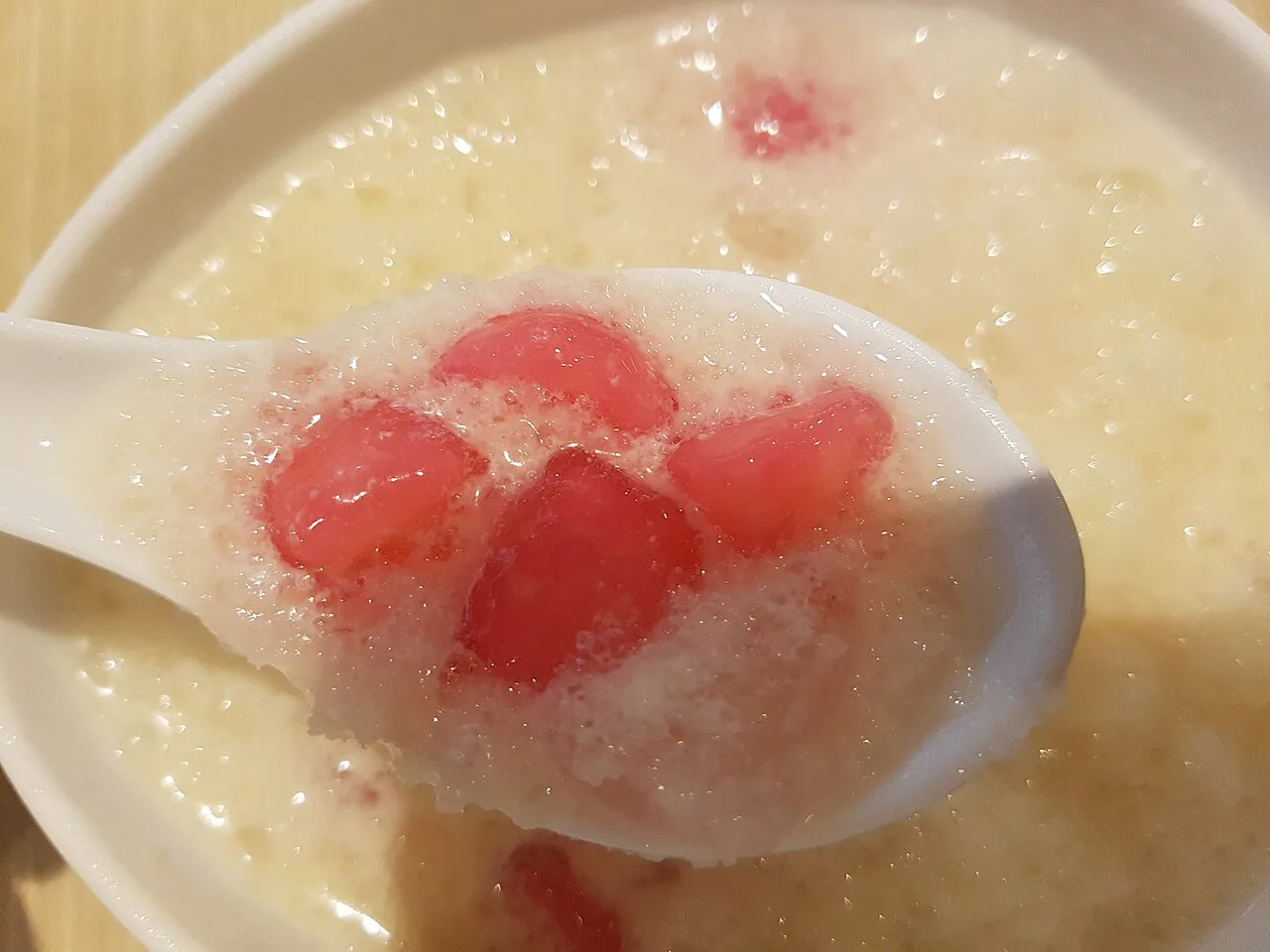
Last updated November 2026: tub tim krob (ทับทิมกรอบ) is a Thai dessert of water chestnut pieces dyed red, coated in tapioca starch, and served in sweetened coconut milk over ice. Its name is usually translated as "crunchy rubies," and menus also spell it tub tim grob or thap thim krop. Our guide to Thai desserts places it among the wider menu of sweets.
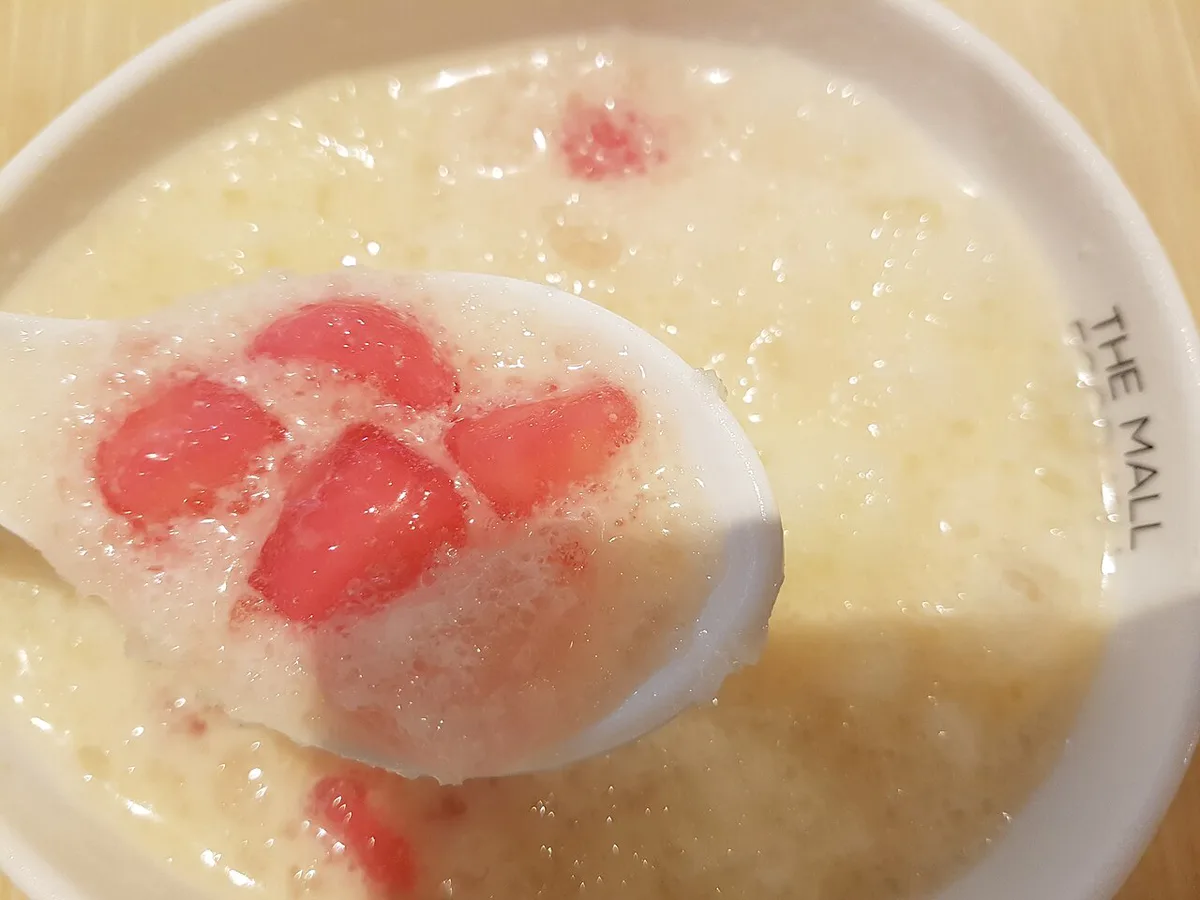
Featured image: Iudexvivorum, CC0, via Wikimedia Commons.
What Is Tub Tim Krob?
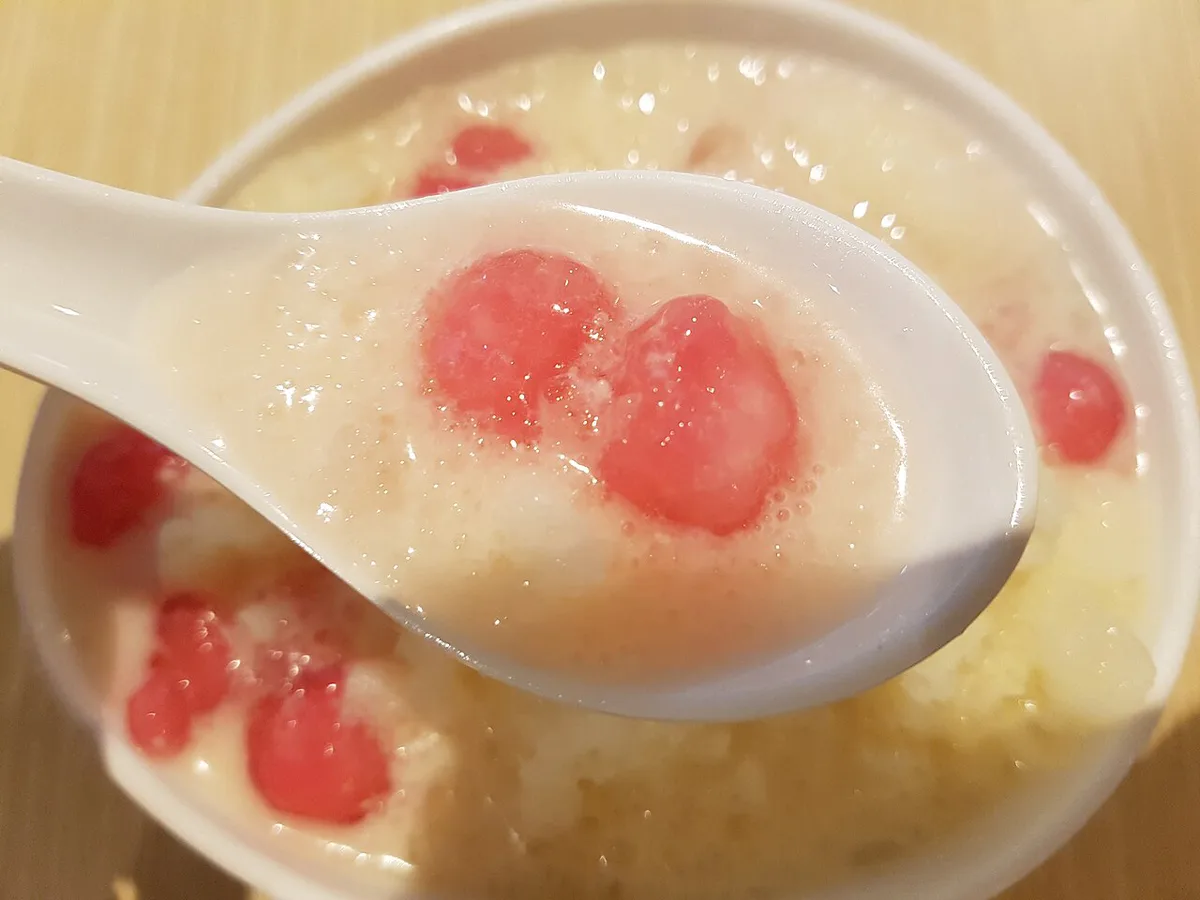
Each "ruby" is a piece of water chestnut. Cooks dye it red, then roll it in tapioca flour so it picks up a soft, chewy gel coating. Boiling sets that coating, and the pieces turn translucent and float when they are done. Cooks chill them, then serve them in a bowl or cup of lightly sweetened coconut milk with crushed ice. Jackfruit slices often sit alongside the rubies.
You will see several romanizations because Thai has no single fixed Latin spelling. Look for these variants on menus and in search results:
- tub tim krob
- tub tim grob
- thap thim krop
- Red Rubies (the English menu name)
- ทับทิมกรอบ (Thai script, handy to show a vendor)
What It Tastes and Feels Like
Texture is the point of the dish. A good piece has a slippery, chewy skin around a crisp water chestnut centre. Neither part should feel mushy. Coconut milk adds a creamy, mildly salty-sweet base, and the syrup keeps sweetness gentle rather than heavy. Pandan leaves are often used when cooking the syrup or coconut milk, which adds a grassy, vanilla-like aroma. Some vendors add rose scent, but recipes differ, so there is no single canonical version. Everything arrives cold, which is why it suits Thai afternoon heat.
Where to Eat Tub Tim Krob in Thailand
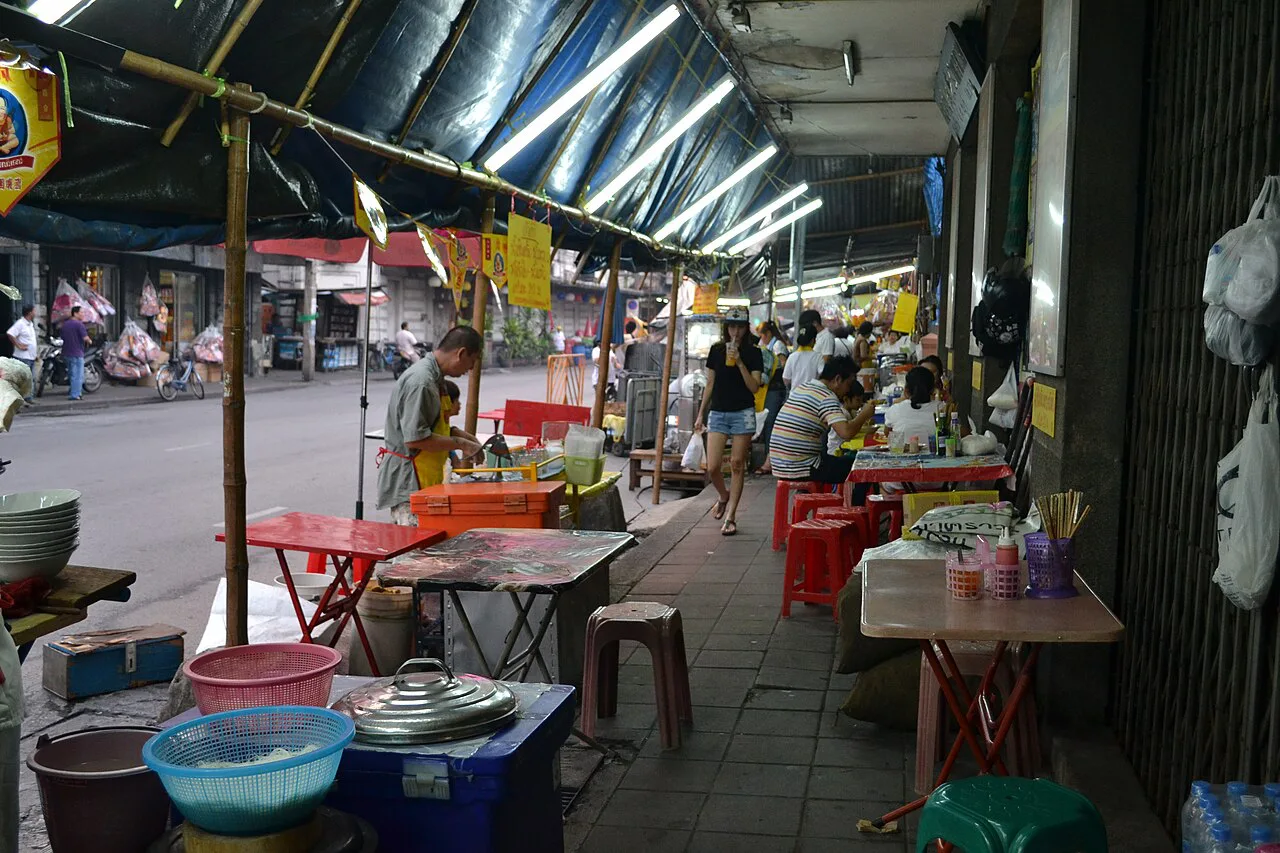
Start with Yaowarat in Bangkok. Street stalls there sell it by the cup, and dessert vendors in the Chinatown area are a natural place to look. Beyond that, scan these venue types:
Street carts and market stalls usually serve it in a plastic cup with ice. Food courts in malls often have a dessert counter with a few coconut-milk sweets. Dedicated dessert shops tend to serve it in a bowl with more toppings.
To order, say "tub tim krob" and point at the red pieces. Show ทับทิมกรอบ on your phone if the pronunciation fails. Ask for "wan noi" (less sweet) if you prefer less sugar. Ask for less ice by pointing at the ice scoop and shaking your head.
A quick checklist for a good bowl versus a poor one:
- Good: crunch survives each bite, and the coating is glossy and chewy.
- Good: coconut milk looks creamy and not watery.
- Good: a fresh pandan or jasmine-style aroma.
- Poor: coating mushy or falling off the chestnut.
- Poor: ice melted into a thin, pale soup.
- Poor: dull colour with a chemical smell.
Tub Tim Krob vs Other Thai Desserts
Many Thai desserts share coconut milk, but their textures differ. If you only try one other sweet, make it Mango Sticky Rice in Thailand: When and How to Order. For chilled, noodle-like strands, try lod chong in coconut milk. For a scoop-based cold treat, see Thai Coconut Ice Cream: What It Is, Where to Eat It & How to Order. For chewy pieces in a warmer broth, try bua loy rice-flour balls. Warm griddle sweets such as Khanom Krok: Thai Coconut Pancakes and How to Eat Them sit at the other end of the menu.
| Dish | Base | Texture | Served | Best for |
|---|---|---|---|---|
| Tub tim krob | Water chestnut, tapioca coating, coconut milk | Crunchy centre, chewy skin | Cold, over ice | Hot afternoons |
| Lod chong | Rice-flour strands, coconut milk | Soft, slippery | Cold, over ice | Light, cooling snack |
| Bua loy | Glutinous rice-flour balls, coconut milk | Soft and chewy | Usually warm | Cooler evenings |
| Mango sticky rice | Sticky rice, mango, coconut milk | Soft and creamy | Usually room temperature | First-time visitors |
| Khanom krok | Coconut-rice batter | Crisp edge, soft centre | Hot | Street-snack grazing |
Before You Order: Ice, Allergens and Sweetness
Ice and water source matter more than the dessert itself. Choose busy stalls with fast turnover and fresh ice, or ask for little ice. Vendors vary on added sweeteners, so ask whether they add condensed milk if you avoid dairy. Plain versions are often described as vegan and gluten-free, but coconut milk brands, syrups and colourings differ by vendor. Coconut is a tree nut for some allergy labels, so people with allergies should ask the vendor directly.
A mistake to avoid is carrying a takeaway cup for a long walk. In Thai heat the ice melts within minutes, and the coating softens. Eat it at the stall, or within a short stroll.
Make It at Home: The Short Version
You need peeled fresh water chestnuts, tapioca flour, red food colouring, coconut milk, sugar, salt and 2-3 pandan leaves. Cut the chestnuts into small pieces. Simmer them for about 10 minutes, then cool them. Toss them with a few drops of safe red colouring. Roll them in tapioca flour until fully coated, shaking off extra. Boil the pieces in water with pandan until they float and turn translucent, then rinse them in cold water. Serve with sweetened coconut milk and ice.
Grassy, vanilla-like aroma is what pandan adds to the syrup. Start with 2-3 pandan leaves for the home batch.

Fixes for common problems: if the coating clumps, dust the pieces again and boil a smaller batch. If it turns gummy, rinse in colder water. If the colour looks pale, add a drop more colouring before the flour. Without water chestnuts, a firm crisp substitute can work, though the texture changes. Keep the cooked rubies in the coconut milk for a day at most, and add ice just before serving.
Thai food notes for your next trip
Optional updates to our food guides.
You might also like


Continue reading
More guides you'll find useful