Boat Noodles (Guay Teow Reua): What to Order and How to Eat Them in Thailand
Boat noodles explained for travelers: what's in the dark broth, how the small bowls work, how to order, and how they compare with other Thai noodle soups.
On this page
Last updated November 2026: boat noodles (guay teow reua, ก๋วยเตี๋ยวเรือ) are Thai rice-noodle soup in a dark, spiced broth, served in small bowls. We wrote this guide for travelers who want to order with confidence, so it covers what is in the bowl, how many to eat, and who should skip it. For the wider picture, start with our full Thai noodle overview.
Featured image: Flickr user Alpha, CC BY-SA 2.0, via Wikimedia Commons.
What Boat Noodles Are
Guay teow is a broad Thai term for rice noodles and rice-noodle soup. Add reua, the Thai word for boat, and you get the specific dish known as guay teow reua. Many travelers also see it romanized as kuay teow reua or kuaitiao ruea.
Boat noodles are traditionally associated with Thailand's canal era, when vendors served soup from boats to customers eating on the bank. Floating markets keep that image alive. Today most bowls come from ordinary shops and market stalls on dry land, so you do not need a boat to find one.
Our short definition: a small, intense, savory bowl that you order in multiples. That one habit separates it from almost every other noodle soup on the menu.
What Is in the Bowl
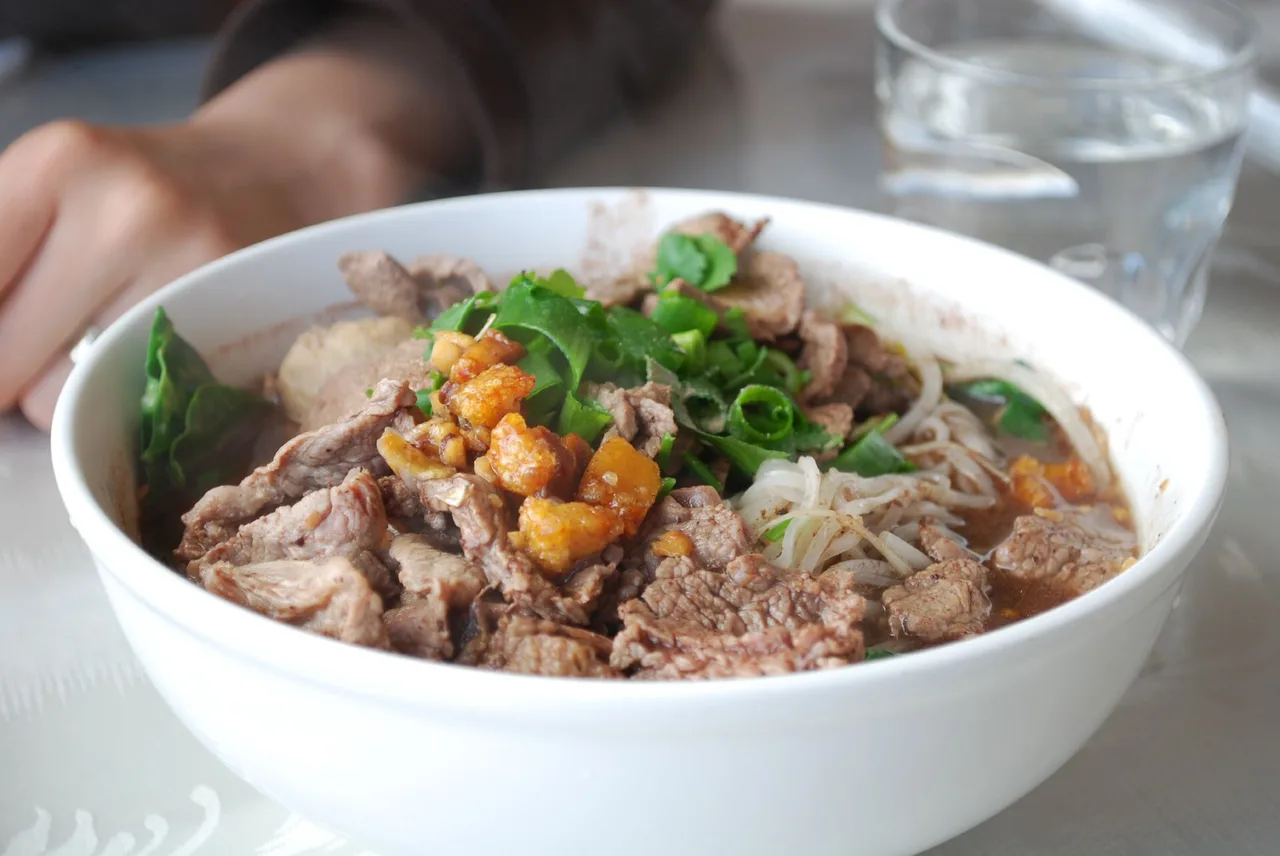
Broth is the whole point. It is dark, deeply savory and spiced, and it is commonly thickened with pork or beef blood. That is what gives the soup its body and its color. If blood in broth is a dealbreaker, ask before you sit down.
You then choose a noodle. Thin rice noodles, wide rice noodles, egg noodles and glass-style vermicelli are the usual options. Thin noodles hold more broth. Wide noodles feel chewier and slower to eat.
Protein is your next call. Pork and beef are the standard choices, and toppings often include meatballs, tripe, tendon and other offal. Bean sprouts and Chinese celery leaves usually go in the bowl. Pork rinds are a common crunchy topping.
The table caddy finishes the job. Expect fish sauce, sugar, dried chili and roasted chili vinegar. Taste first, then adjust one condiment at a time. The broth is already seasoned, so we would go light on the sugar and heavy on the vinegar.
- Noodles: thin, wide, egg or vermicelli
- Protein: pork or beef, with meatballs and offal as add-ons
- Toppings: bean sprouts, Chinese celery leaves, pork rinds
- Table seasoning: fish sauce, sugar, dried chili, chili vinegar
Why the Bowls Are Small and How to Order Boat Noodles
Small bowls started as a practical format. Vendors on boats needed servings that were easy to hold and eat on the water. That format survives on land, and it works in your favor. You can sample two beef bowls and one pork bowl instead of committing to a single large serving.
Start with 2 to 3 small bowls, and season only after tasting, because the broth is already seasoned.
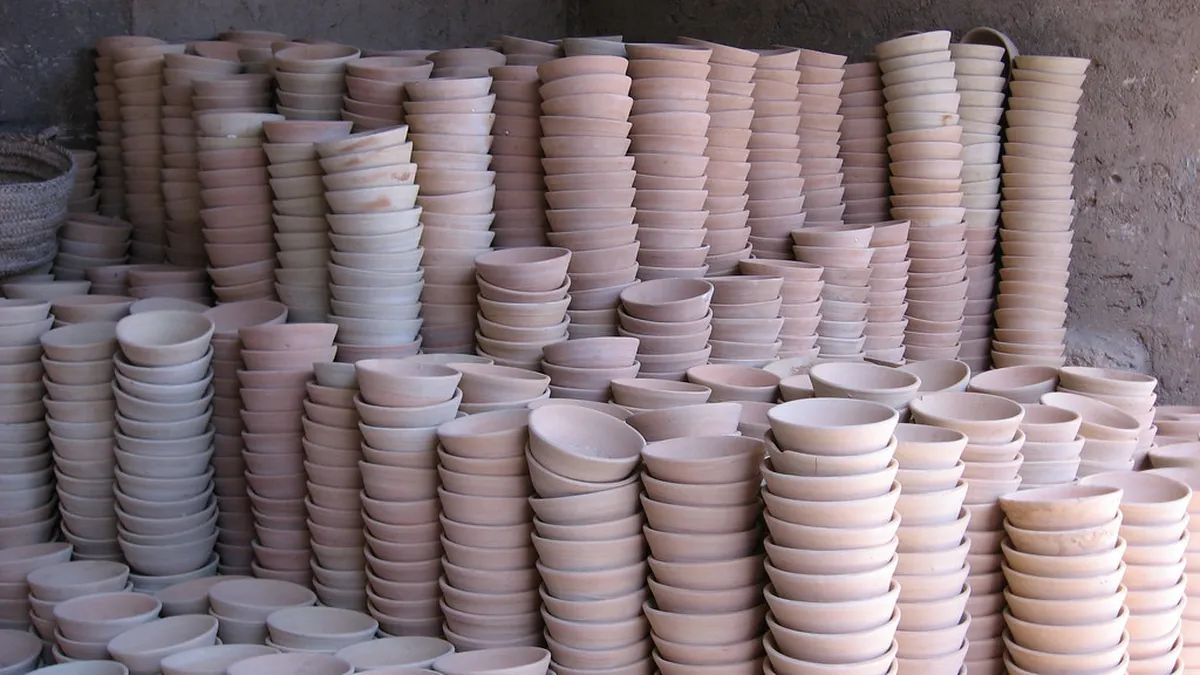
Our advice is to start with 2 to 3 small bowls, then reorder if you are still hungry. Empty bowls are usually stacked on your table, so you can see how much you have eaten. Ordering in rounds also keeps each bowl hot.
Here is a simple walkthrough:
Pick a protein first. Pick a noodle second. Decide between soup and dry, if the shop offers a dry version. Then point at the toppings you want if you do not speak Thai. Pointing works fine at a market stall.
We would not try to order a single bowl as a full meal. That misses the point of the format and the variety it gives you.
Where and When to Eat Boat Noodles
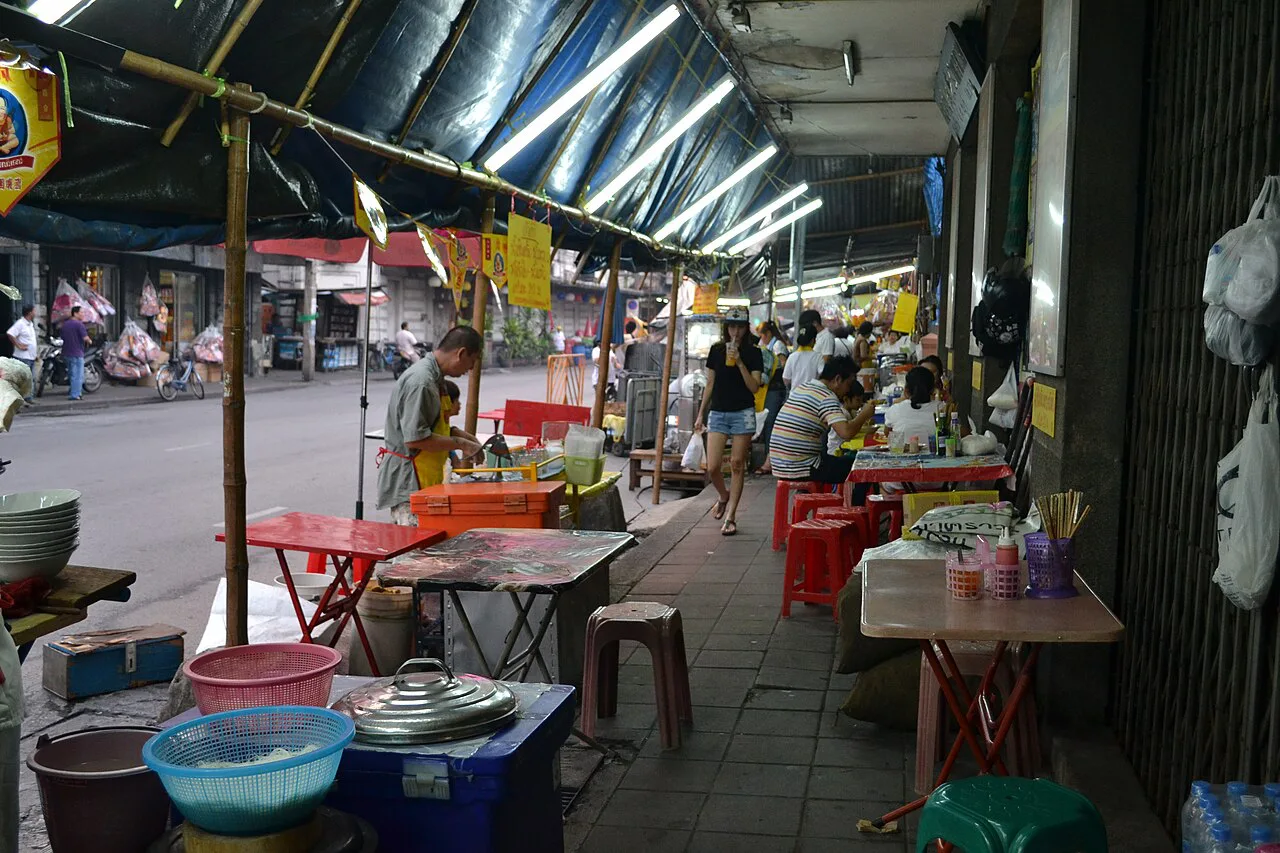
Look for open-fronted noodle shops and market stalls with a big pot of dark broth on the counter. Those are the most reliable sign of a specialist. A pile of small bowls and a tray of condiments on each table are also good signs.
Bangkok is a sensible example of where to find them, and so are riverside and canal-side areas across central Thailand. Floating markets still serve boat-style noodles in some places. Check that a specific market is operating before you plan a trip around it.
For vetted shops, browse the MICHELIN Guide Thailand and cross-check recent reviews. Hours vary by shop. Many noodle vendors work through the day, and we would aim for a late-morning or early-afternoon visit when the broth is freshest.
What It Costs and How Much to Eat
Boat noodles are a cheap street-food category in Thailand, and each bowl is priced separately. Because the portion is small, the cost of a full meal comes from how many bowls you order. Prices and hours checked November 2026 against general market practice, so look at the menu board or ask at the counter for the current baht price.
Cash is the norm at stalls and small shops. Carry small baht notes and coins. Larger restaurants are more likely to take cards.
A realistic meal is 2 to 3 bowls for a light lunch and more for a hungry evening. If you add meat or offal toppings, expect a bowl to cost more than the plain version.
Diet, Safety and Who Should Skip Boat Noodles
Pork, beef and offal are standard, and blood-thickened broth is common. That rules the dish out for strict vegetarians and for most travelers who need halal food. Muslim travelers should ask the vendor directly about pork and blood rather than assume.
Spice level is adjustable at the table. Add chili last, and stir slowly. If you are sensitive to spice, skip the dried chili and taste the vinegar first.
For street-food hygiene, pick a stall with steady turnover and a hot pot. Use your own judgement about raw garnishes if your stomach is sensitive. Anyone with a medical condition or pregnancy should check official travel-health guidance before eating offal.
Boat Noodles vs Other Thai Noodle Dishes
Boat noodles sit at the dark, rich, small-bowl end of Thai noodles. The sibling dishes below suit different moods. Read our guay jub guide for another soup option.
For a different broth style, see our yen ta fo guide. If you want gravy rather than soup, try our rad na guide. Readers who want a stir-fried plate will prefer our pad see ew guide. Anyone choosing by region should read our khanom jeen nam ngiao guide for a northern-style dish.
| Dish | Format | Choose it when |
|---|---|---|
| Boat noodles | Dark spiced soup in small bowls | You want rich broth and enjoy ordering several bowls |
| Guay jub | Noodle soup | You want another soup to compare |
| Yen ta fo | Noodle soup with a different broth style | You want a change from dark broth |
| Rad na | Noodles served with gravy, not soup | You want a non-soup plate |
| Pad see ew | Stir-fried noodles | You do not want soup at all |
| Khanom jeen nam ngiao | Northern-style noodle dish | You are choosing by region |
Common Mistakes to Avoid
Most first-timers make the same few errors. We would avoid these.
- Ordering one bowl and judging the dish on it
- Seasoning before tasting the broth
- Assuming the broth is meat-free or halal
- Carrying only large notes to a cash-only stall
- Planning a trip around a floating market without checking it is open
Frequently Asked Questions
Are boat noodles like pho?
Both are rice-noodle soups, but they taste different. Boat noodles use a darker, spiced broth that is often thickened with blood, and they come in small bowls. You season them at the table with chili, sugar, fish sauce and vinegar.
Is Thai boat noodle soup healthy?
It depends on the bowl. A small portion with lean meat and plenty of bean sprouts is lighter than a large, fatty plate. Offal and pork rinds add richness, so choose toppings to suit your diet.
Thai food notes for your next trip
Optional updates to our food guides.
You might also like
Continue reading
More guides you'll find useful