Thai Custard: Kanom Tuay vs Sangkaya Explained
Thai custard means different dishes. Compare steamed coconut kanom tuay and egg-based pumpkin sangkaya, with ordering tips and how to choose.
On this page
Last updated November 2026: thai custard is not one dish, and the main types split on eggs. Kanom tuay is a steamed coconut cup with no egg, while sangkaya is an egg custard served in a pumpkin or flavored with pandan. We wrote this guide as part of our Thai Desserts: 11 Must-Try Sweets and How to Order Them series to help you tell them apart and order the right one.
Featured image: Takeaway, CC BY-SA 3.0, via Wikimedia Commons.
What Thai Custard Actually Means
Search for Thai custard and you will find recipes for at least three different desserts. Two are steamed and soft. One uses eggs and two do not need them. Recipe sites often call kanom tuay "coconut custard" only because of its texture. Real egg custard in Thailand goes by the name sangkaya, also spelled sangkhaya. Our table separates them so you can recognize each one at a stall.
| Type | Thai name | Egg? | What you see |
|---|---|---|---|
| Steamed coconut cup | kanom tuay (ขนมถ้วย) | No | Small ceramic cup, golden sweet base, white salty top |
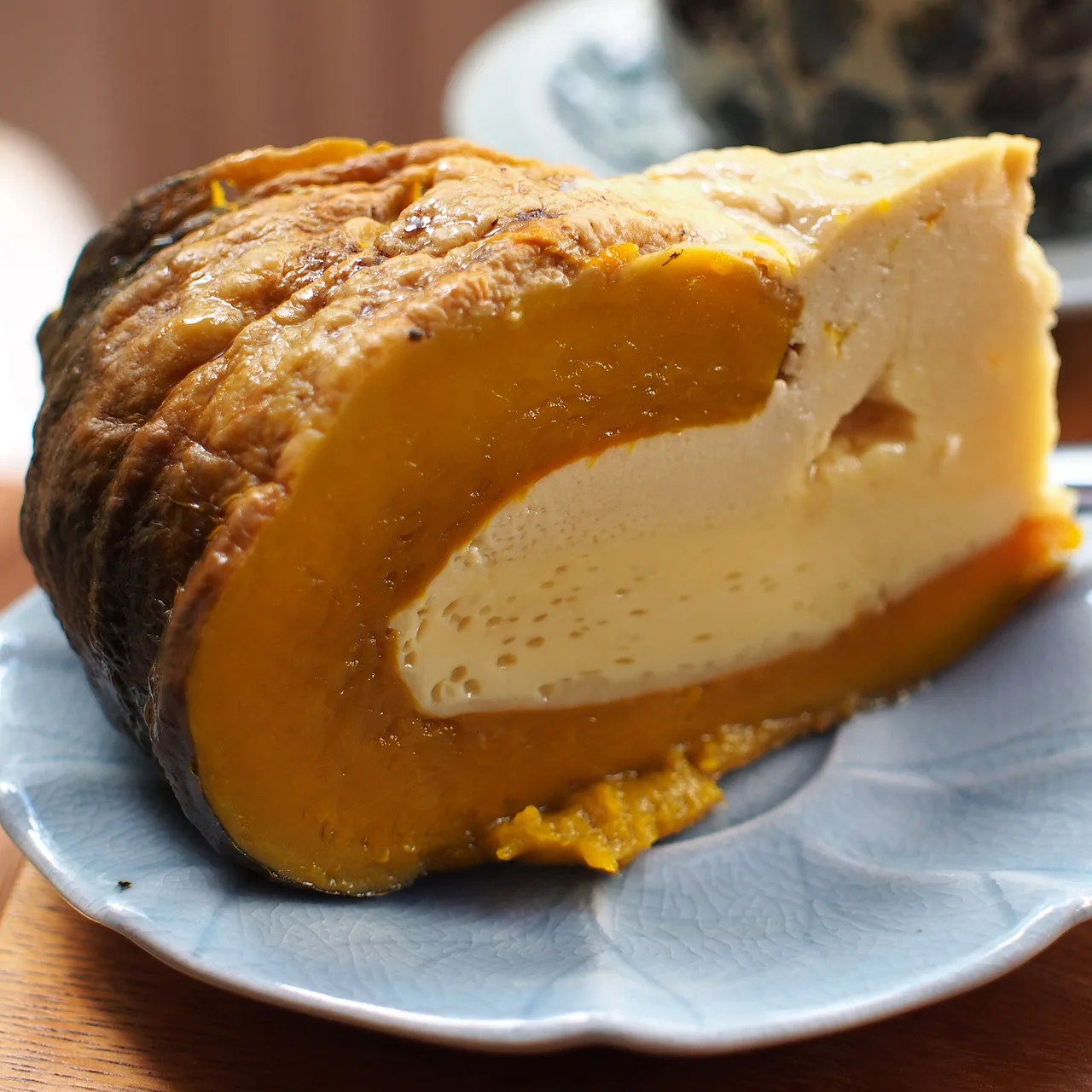
| Pumpkin custard | sangkaya fak thong | Yes | Whole small pumpkin, sliced into wedges to show the filling |
| Pandan custard | sangkaya bai toey | Typically yes | Green-tinted custard, often served with bread |
Kanom Tuay: The Steamed Coconut Cup
Kanom tuay is made from rice flour and coconut milk. It has two layers. The bottom is sweet and golden from palm sugar. The top is white, creamy and lightly salty. Eat both in one spoonful, because the salt is there to balance the sugar. Traditionally it is steamed in small ceramic cups with a blue rim, and the filling stops just below that line. A traditional cup takes only a little over 1 tablespoon of the sweet layer, so each portion is small. Surface cracks on the top layer are normal and do not mean the dessert is spoiled. Some modern versions tint a layer with pandan, pumpkin or butterfly pea flower. We'd start with the plain two-tone version so you can taste the original sweet-and-salty contrast. If you like this style, try Khanom Krok: Thai Coconut Pancakes and How to Eat Them, which is another coconut-milk dessert cooked in a pan.
Sangkaya: Egg Custard in Pumpkin or Pandan
Sangkaya is the egg-based option. Eggs, coconut milk and sugar are poured into a small kabocha pumpkin and steamed whole. A home recipe steams one for about 45 minutes. The pumpkin then needs roughly 2 to 3 hours to cool, and cutting it warm gives a runny custard. That long cooling time is why you usually see it sold already sliced into wedges. Pandan sangkaya swaps the pumpkin for pandan flavor and is often paired with bread. Custard with sticky rice is also a known pairing, though we'd treat the exact serving style as a vendor choice. For the rice side of that idea, see Mango Sticky Rice in Thailand: When and How to Order. One warning: the oven-baked "Thai pumpkin custard" in many Western recipes is an adaptation. One example uses a water bath for about 30 minutes at 350°F and adds evaporated milk and lime juice. Thai street versions are steamed.
Which Thai Custard Should You Order?
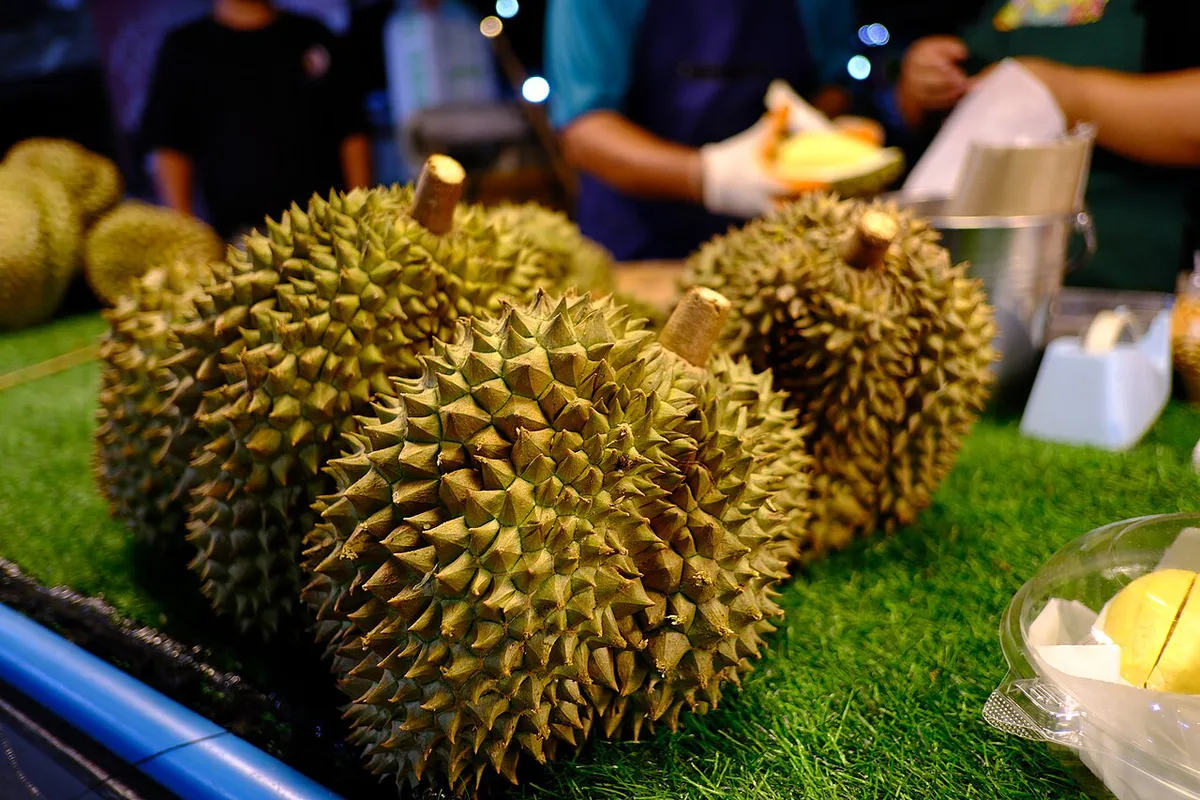
Pick by what you want from the spoon. Our picks below rest on the ingredients above. Dietary status depends on each cook, so ask the vendor before you assume. Kanom tuay is typically made without egg or dairy, which is why home cooks call it vegan. Rice flour and tapioca starch also mean it is typically gluten-free. Sangkaya is the richer and denser choice, and it contains egg.
One oven-baked Western version uses 350°F, but Thai street sangkaya is steamed, so the adaptation is not what a street stall serves.
- No egg: order kanom tuay, then ask about the ingredients.
- Richer and denser: order sangkaya fak thong.
- Easiest to eat on the move: kanom tuay, since it is served in a single cup.
- Something coconutty but different: try Tub Tim Krob: Thai Red Ruby Dessert Guide or Bua Loy: Thai Rice Balls in Warm Coconut Milk.
- Mistake to avoid: assuming all Thai custard contains egg.
- Mistake to avoid: expecting pumpkin sangkaya to be served warm and firm.
Where and How to Find Thai Custard in Thailand
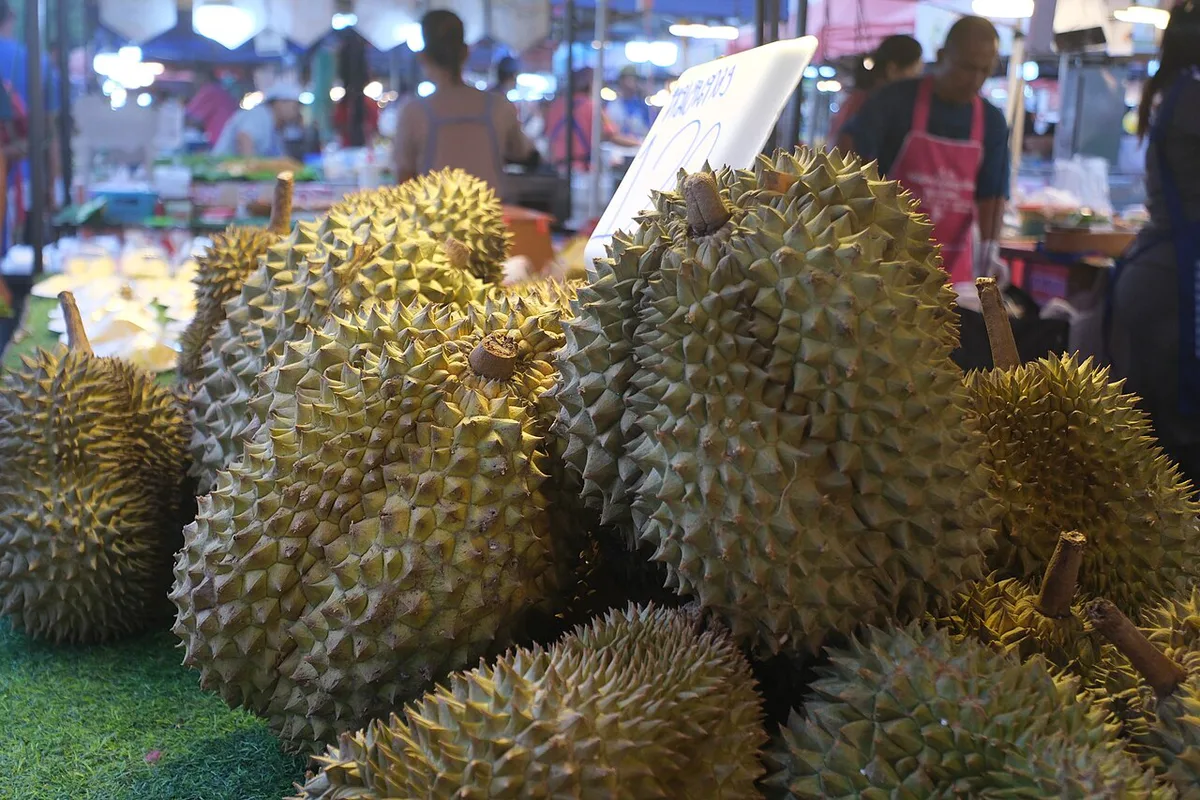
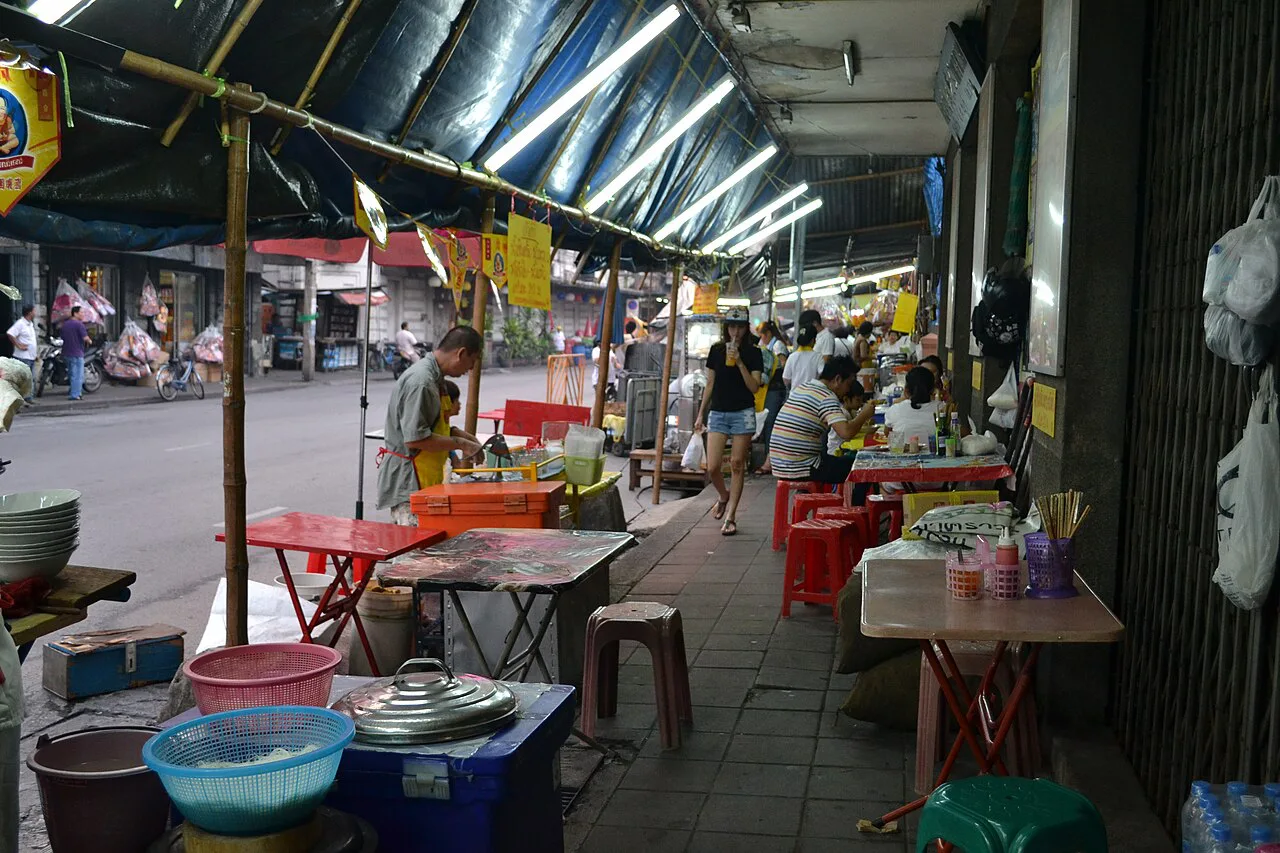
Look in markets, at street carts and at dessert stalls. Bangkok's Or Tor Kor Market is a sensible place to start, since fresh produce and prepared sweets sit side by side there. Kanom tuay is sold by the cup, and you eat the sweet and salty layers together. Sangkaya is sold by the wedge or whole pumpkin. Eat both the same day when you can. At home, kanom tuay is stored covered in the fridge for up to 3 days, but street heat shortens that. We have no sourced price for either dessert, so check the stall's sign or ask. For other steamed and layered sweets, Khanom Chan: Thai Nine-Layer Coconut Dessert Guide is a good next stop.
Plan a market stop early, since a whole pumpkin needs roughly 2 to 3 hours to cool before cutting.
Quick Home-Kitchen Notes
We keep this short because this is a travel guide, not a recipe. Preheat the ceramic cups in a steamer for 10 minutes so the custard does not stick. Steam the sweet layer for 10 minutes. Add the salty layer and steam 5 to 10 minutes more, longer for larger cups. A batch makes about 20 pieces. For sangkaya, steam the filled pumpkin for about 45 minutes and let it cool fully before slicing. Do not steam kanom tuay for too long, because that increases cracks. For more dishes from the same family, browse our Thai dessert guide.
Thai food notes for your next trip
Optional updates to our food guides.
You might also like


Continue reading
More guides you'll find useful