Bua Loy: Thai Rice Balls in Warm Coconut Milk
Bua loy (bua loi) are chewy glutinous rice balls in warm, sweet coconut milk. Learn what they taste like, the main variants, and how to order them in Thailand.
On this page
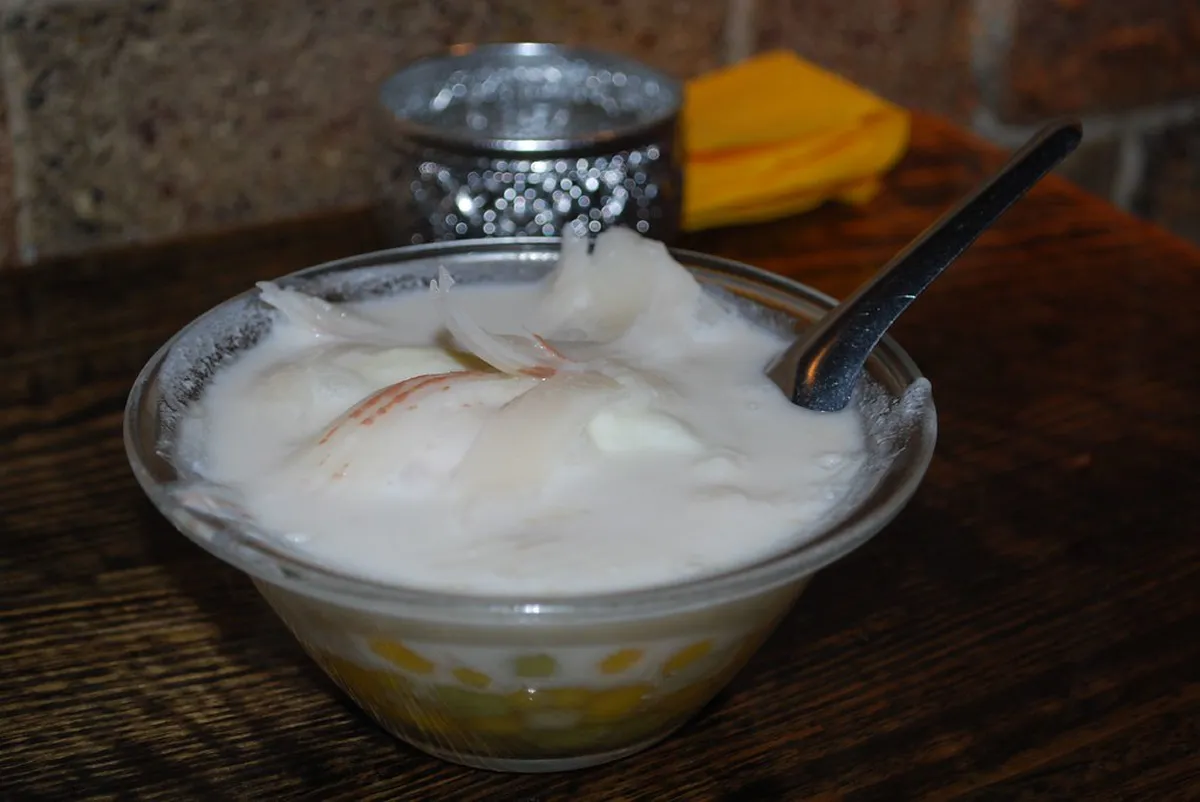
Last updated November 2026. Bua loy (also spelled bua loi) is a Thai dessert of chewy glutinous rice balls floating in warm, sweet coconut milk. Expect soft, slightly springy balls in a creamy, lightly salty syrup, often topped with a sweet poached egg. Pair this guide with our Thai dessert guide to see where it sits among other sweets.
Featured image: avlxyz, CC BY-SA 2.0, via Flickr.
What Is Bua Loy?
Bua loy (บัวลอย) is a dessert of small colored rice balls cooked in sweetened coconut milk. Some cooks use soy milk instead. Thai food references link it to Central Thailand. Menus and signs spell it bua loy or bua loi, and both mean the same dish. A longer name, bua loy ma prau on, also appears for versions that add young coconut.
Bua means lotus and loy means to float. Read as a naming explanation, the balls bob in the syrup like small blossoms on water. Traditionally the colors came from natural ingredients such as pandan and pumpkin. Today food coloring is common, so a bright pink or blue ball is not a sign of fruit flavor.
What Bua Loy Tastes Like and Why It Is Served Warm
Chew comes first. Balls made from glutinous rice flour are soft and slightly bouncy, and some cooks make them almost powdery in the center. Palm sugar and coconut milk or cream form the soup. Many bowls get a pinch of salt, so the sweetness reads rounder than plain sugar syrup.
Most Thai desserts are served cold or at room temperature. Bua loy is meant to be eaten warm, which is why it suits evenings and rainy days better than a midday heat spike. When the weather is punishing, choose a chilled option instead. Chilled lod chong is one. Crunchy tub tim krob is another. A scoop of coconut ice cream also works.
Bua Loy Variations: Colored Balls, Flower Style, Pumpkin and Egg
Vendors differ in color, shape and topping. Use this table to pick a bowl that matches your taste.
| Version | What it looks like | What it tastes like | Best for |
|---|---|---|---|
| Classic colored balls | Small marble-sized balls in pastel or bright colors | Mild rice flavor, sweet and salty coconut soup | First-timers who want the standard bowl |
| Flower or rainbow style | Balls shaped or tinted into multiple colors | Same base, with a playful look | Photos and sharing |
| Pumpkin | Orange balls from mashed pumpkin | Slightly earthy sweetness, softer bite | Readers who like natural color and richer flavor |
| Pandan | Green balls | Light herbal fragrance | Anyone who enjoys pandan sweets |
| With poached egg | Whole sweet egg spooned on top | Richer, closer to a custard-like bite | Extra indulgence; not vegan |
| Soy milk base | Same balls, lighter-looking soup | Less coconut richness | Anyone who finds coconut cream heavy |
Where and How to Eat Bua Loy in Thailand
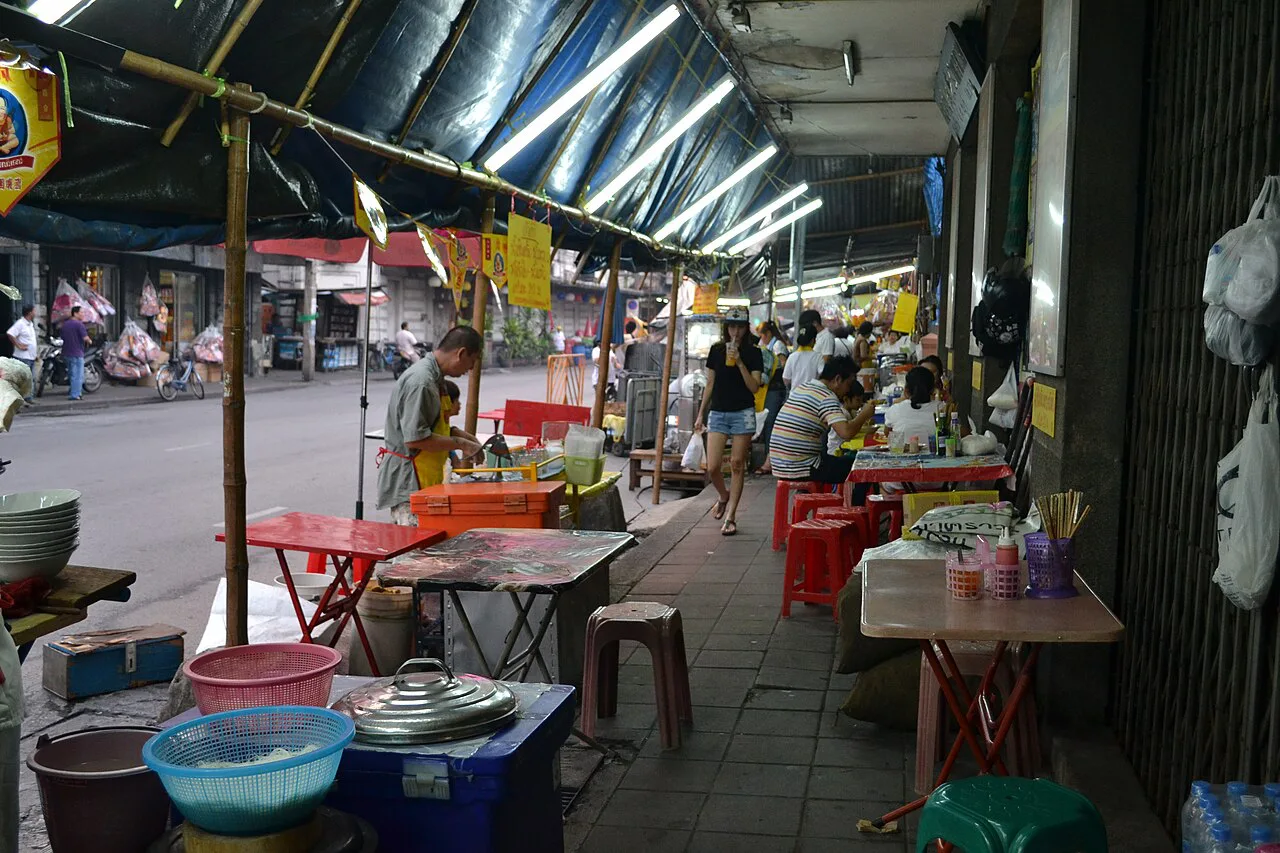
Look for street carts, dessert stalls, night markets and traditional dessert shops. Stalls that cook it in a wide pan, sometimes a brass wok, often make it to order. Evening markets are a natural fit because the dish is served warm. Many of the same vendors sell coconut khanom krok pancakes, and some carts sit near stalls selling sweet Thai roti. Prices vary by location and vendor, so look at the posted menu or ask before ordering.
A good bowl usually shows these signs:
- Balls look fresh and smooth, not hard, cracked or clumped together.
- Coconut cream is blended into the soup rather than separated or oily.
- Bowl arrives properly warm, not lukewarm.
- Egg topping is clearly offered as an option, not added by default.
- Vendor stirs or cooks in batches instead of reheating a day-old pot.
Ordering Help
Say "bua loy" and point to the pot. If you want the topping, ask for egg. If you do not, say no egg, and point at the pot to make it clear. Staff at tourist-area stalls often understand a simple gesture. Vendors can also tell you whether the soup uses coconut milk or soy milk.
Bua Loy vs Other Thai Coconut Desserts
Thailand has many coconut sweets, and several get confused with bua loy. Texture and temperature separate them. A warm bowl of rice balls in coconut soup is a spoon dessert. Others are crisp, layered or served as a finger snack.
| Dessert | Texture | Temperature | Role of coconut |
|---|---|---|---|
| Bua loy | Chewy balls in liquid | Warm | Soup base for the balls |
| Crisp khanom buang crepes | Crisp shell with filling | Room temperature | Cream and topping |
| Layered khanom chan | Soft, springy layers | Room temperature | Mixed into the batter |
| Mango with sticky rice | Soft rice with fruit | Often room temperature | Sweet sauce over the rice |
| Golden egg-yolk threads | Fine, sticky strands | Room temperature | Not the main element |
Common Mistakes and Dietary Notes
Avoid these common slips:
- Expecting a cold dessert. Bua loy is usually warm.
- Ordering egg without realizing it may come as standard at some stalls.
- Assuming all versions are the same. Colors, shapes, toppings and milk base differ.
- Taking the colored balls to be fruit-flavored. Color is usually pandan, pumpkin or food coloring, not fruit.
Dietary Notes and the Egg Topping
The base is rice flour and coconut milk, which usually means no wheat. Vendors vary, so ask about ingredients and shared equipment. Eggs are not vegan. If egg is your concern, you can compare it with an egg-based custard dessert to see how Thai cooks use it. Check with the vendor if you have an allergy. A stall cannot guarantee anything unless the staff say so.
How Bua Loy Is Made
You do not need a recipe to judge quality, only the idea. Cooks knead glutinous rice flour into a dough. Pandan or pumpkin can color it. They roll small balls and boil them until they float. The balls then go into a pot of palm sugar and coconut milk or cream, which is warmed together. Understanding this helps you spot a weak bowl. Balls that sink or feel hard probably were not cooked or held properly.
Frequently Asked Questions
Are glutinous rice balls healthy?
Bua loy is a sweet dessert made with sugar and coconut milk, so treat it as an occasional treat. Choosing no egg or a smaller bowl lowers the richness. For specific health needs, ask the vendor about ingredients.
What are some popular Thai sweet dishes?
Mango with sticky rice is the best-known. Khanom krok, lod chong, tub tim krob and coconut ice cream are also common. Bua loy is the warm option in that group.
Thai food notes for your next trip
Optional updates to our food guides.
You might also like

Continue reading
More guides you'll find useful