Thai Desserts: 11 Must-Try Sweets and How to Order Them
Mango sticky rice, khanom krok, roti and more. A guide to 11 Thai desserts: what each tastes like, how to order, and which to try first.
On this page
Last updated November 2026: Thai desserts are mostly snacks sold at markets and street stalls, not a restaurant dessert course. This guide lines up 11 of them by texture, temperature and time of day. Start with the quick picks, then follow the links to a full guide for each sweet.
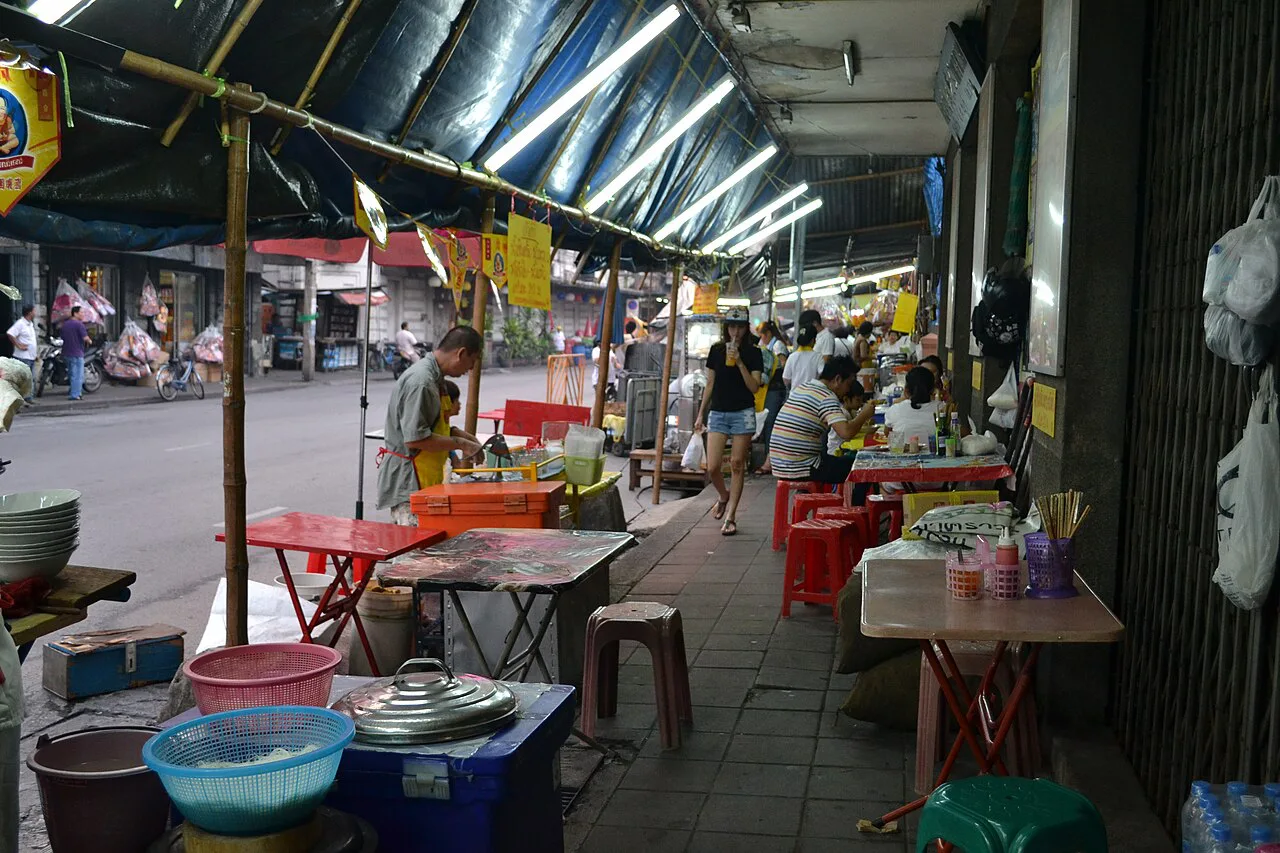
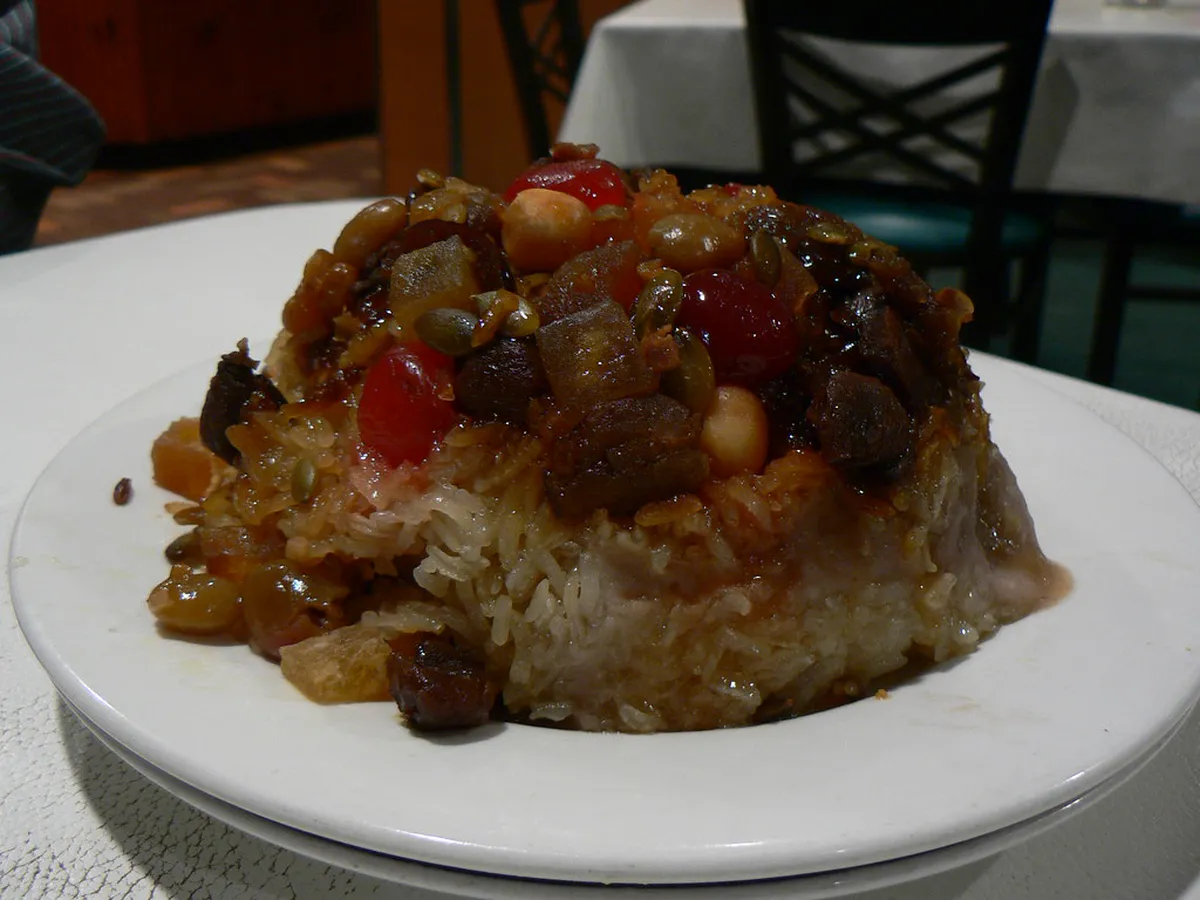
Featured image: Dennis Wong from Hong Kong, Hong Kong, CC BY 2.0, via Wikimedia Commons.
Quick Answer: What Thai Desserts Are and How They Are Eaten
Thai desserts, called khanom, are built on coconut milk, palm sugar, rice flour, tropical fruit and jasmine-scented water. Locals eat them as snacks at any time of day, not as a final course after dinner. You find them at markets, at specialist stalls and in a few dedicated shops. Many are served cold or over ice, which makes them useful in the heat. If you only try three, use the picks below.
- Mango sticky rice: the safest first order for most travelers.
- Khanom krok: a hot, crisp-edged coconut pancake from a street pan.
- Tub tim krob: a cold, crunchy refresher for midday.
Thai Desserts at a Glance
Use this table to match a sweet to your mood, the weather and your diet. Time-of-day notes reflect snack culture, so any sweet can be eaten whenever you are hungry.
| Dessert | Main ingredients | Texture and flavor | Served | Best time of day | Best for |
|---|---|---|---|---|---|
| Mango sticky rice | Glutinous rice, mango, coconut milk | Chewy, creamy, fruity | Room temperature | Any time | First-timers |
| Khanom krok | Rice flour, coconut milk | Crisp edge, custardy centre | Hot | Cooler hours | Warm snack |
| Thai roti | Flaky dough, banana, egg, condensed milk | Crisp, buttery, very sweet | Hot | Cooler hours | Sweet tooth |
| Thai coconut ice cream | Coconut milk, toppings | Creamy, crunchy toppings | Cold | Midday heat | Hot days |
| Khanom buang | Rice flour, coconut cream | Crisp shell, soft cream | Room temperature | Any time | Crunch lovers |
| Lod chong | Pandan rice noodles, coconut milk, ice | Slippery, cold, sweet | Cold | Midday heat | Refreshing |
| Bua loy | Glutinous rice balls, coconut milk | Chewy, warm, lightly salty | Warm | Cooler hours | Comfort |
| Tub tim krob | Water chestnut, tapioca, coconut milk, ice | Crunchy, cold, fragrant | Cold | Midday heat | Hot days |
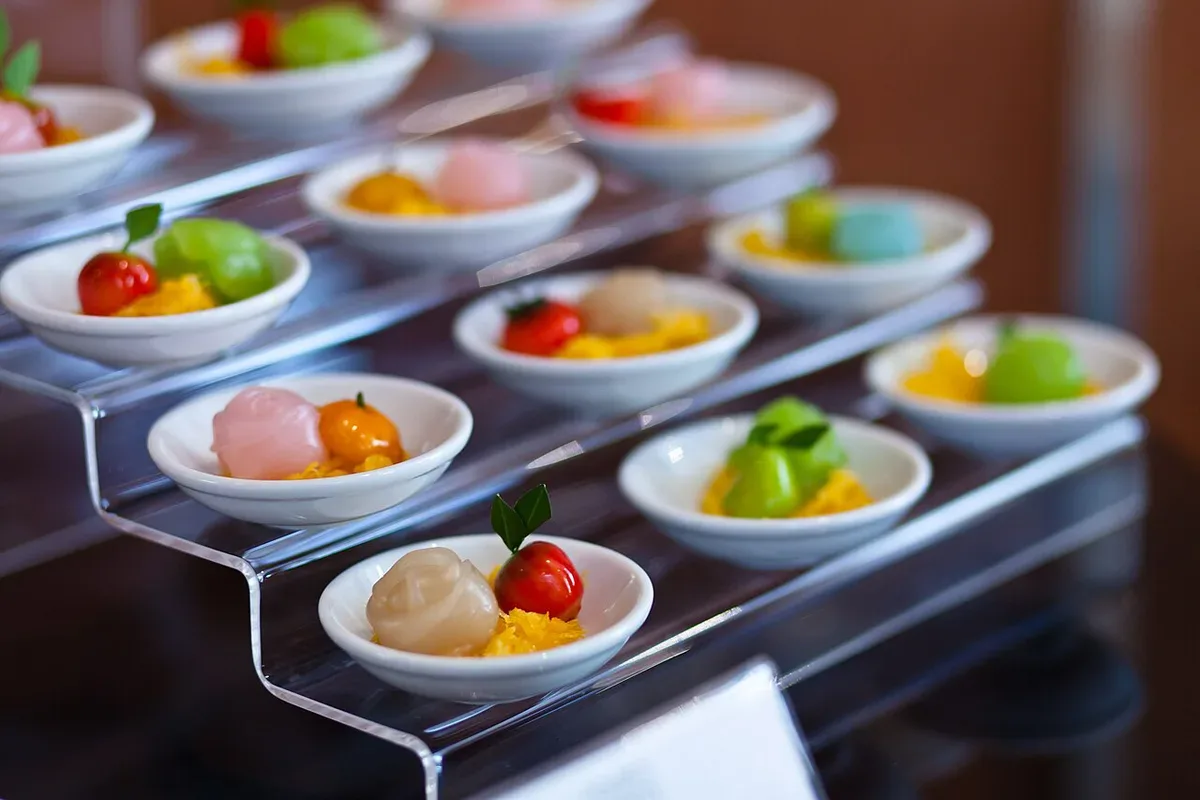
| Foi thong | Egg yolk, sugar syrup | Fine threads, very sweet | Room temperature | Any time | Gifts and toppings |
| Thai custard | Coconut milk, egg, palm sugar | Silky, firm, mild | Warm or room temperature | Any time | Gentle sweetness |
| Khanom chan | Rice flour, tapioca, coconut milk, pandan | Layered, chewy, mild | Room temperature | Any time | Kids and texture fans |
11 Thai Desserts to Try, From Sticky Rice to Griddled Roti
Prices and hours checked November 2026: stalls set their own prices and hours, so this list leaves out baht amounts. Expect most sweets to count as cheap street snacks. Each entry below covers taste, timing and who should pass.
1. Mango Sticky Rice
Sweet glutinous rice, ripe mango slices and a pour of coconut milk make this the dessert most first-timers order. Rice is soft and chewy, the mango is cool, and the sauce ties the plate together. Fruit quality decides the dish, so order it when mangoes are in season.
Details on ordering sit in our mango sticky rice guide. Not ideal if you want something light, because it is filling.
2. Khanom Krok
Khanom krok are small coconut-rice pancakes cooked in a dimpled cast-iron pan over a flame. Edges turn crisp while the centre stays creamy and custardy. Some stalls add toppings such as corn or spring onion, so point at what you want.
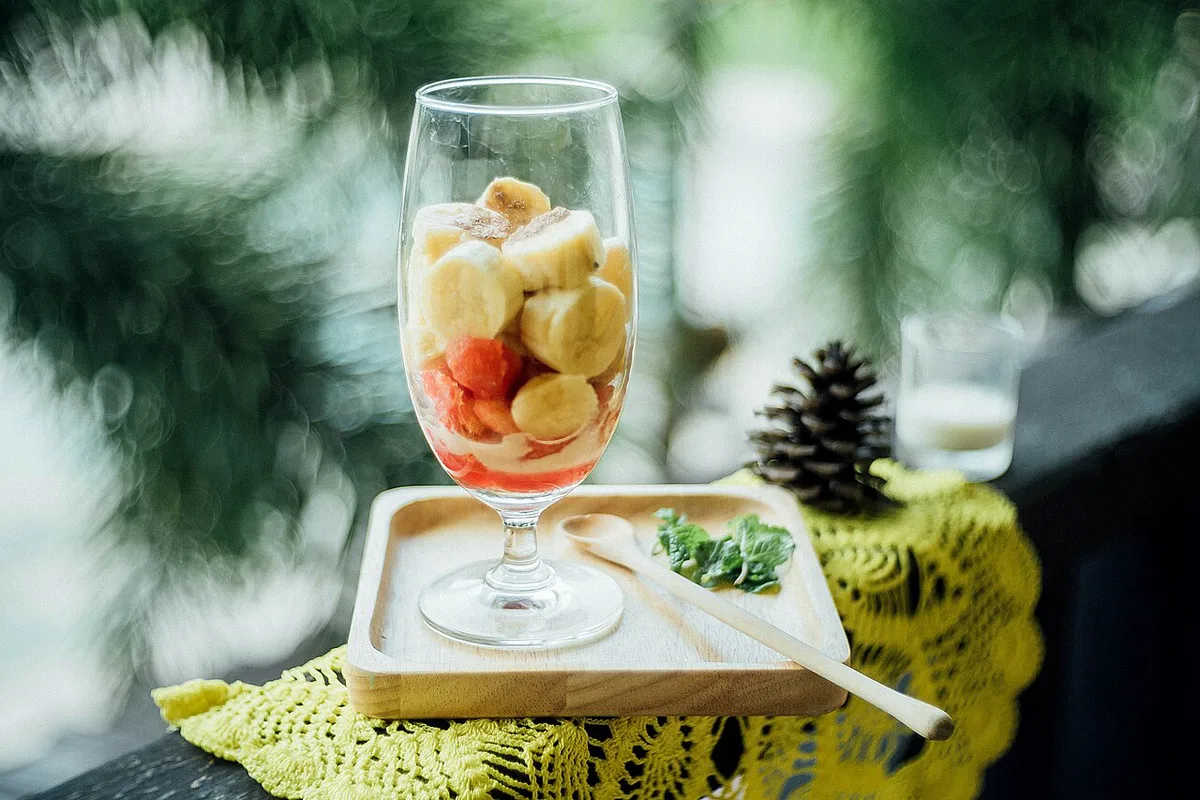
Eat them straight from the pan, because they turn dense as they cool. Full notes live in our khanom krok guide. Give it a miss if you avoid coconut or want a cold treat.
3. Thai Roti
Thai roti is dough stretched thin, griddled until flaky and folded around banana, egg or both. Vendors cut it into bite-size pieces and drizzle it with condensed milk. Buttery crunch and very sweet milk define the flavor.
Cart vendors make it to order, so watch the griddle and ask for less sauce if you prefer. Learn more in our Thai roti guide. Avoid it if you have an egg or dairy allergy, and ask the vendor about ingredients.
4. Thai Coconut Ice Cream
Scoops of coconut ice cream arrive in a cup or a bun, topped with whatever the stall offers. Typical toppings add crunch, such as peanuts, corn or sticky rice, which balances the creamy base. It suits midday heat better than any hot sweet.
Melting starts fast, so eat it within minutes of buying. Our Thai coconut ice cream guide covers toppings. Peanut allergy sufferers should say so before the topping goes on.
5. Khanom Buang
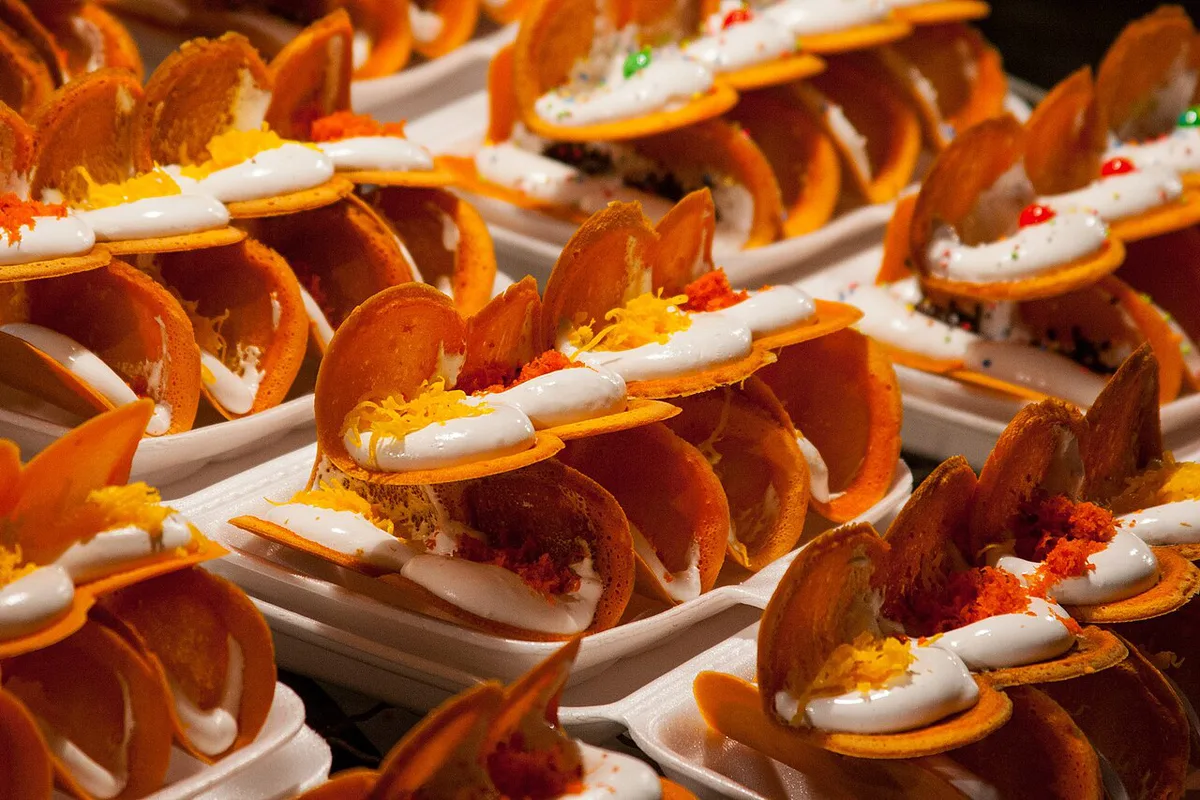
Khanom buang is a thin, crisp crepe folded around sweet cream and shredded coconut. Crunch comes first, then the filling melts into a light, sweet finish. Shells soften as they sit, so eat them soon after they are filled.
Pick them up at market stalls that cook the shells on a hot plate. More background appears in our khanom buang guide. Those wanting a soft, spoonable sweet will prefer custard.
6. Lod Chong
Lod chong is short, pandan-green rice-flour noodles served in sweet coconut milk over ice. Slippery noodles, cold milk and palm sugar syrup make a drink-and-dessert hybrid. Midday heat is the right moment for it.
Order a small bowl first, since the ice dilutes it quickly. Read our lod chong guide before you go. Anyone put off by slippery textures should choose khanom krok instead.
7. Bua Loy
Bua loy are chewy glutinous rice balls floating in warm, lightly salted coconut milk. Balls come in pastel colors from ingredients such as taro, sweet potato or pandan. Sweet and salty notes together make it a comforting evening bowl.
Some bowls add an egg, so check with the vendor if you avoid it. Our bua loy guide has the details. Not the pick for a sweltering afternoon, when a cold bowl works better.
8. Tub Tim Krob
Tub tim krob pairs crunchy water chestnut pieces in a red tapioca coat with coconut milk and ice. Texture is the draw: crisp centres, soft coating, cold creamy liquid. Jasmine-scented water often gives it a floral note.
It is one of the best choices on a hot day. Find ordering tips in our tub tim krob guide. Anyone avoiding ice-based sweets should look elsewhere.
9. Foi Thong
Foi thong is fine golden threads of egg yolk cooked in sugar syrup and folded into small bundles. Flavor is intensely sweet and eggy, so a few bundles go a long way. Market stalls sell it packed, and it also decorates other sweets.
Buy a small portion to share rather than a large box. Origins and uses are covered in our foi thong guide. Egg-free eaters and anyone avoiding very sweet food should pass.
10. Thai Custard
Thai custard is a steamed mix of coconut milk, egg and palm sugar that sets firm yet silky. Flavor is mild and caramel-like, with none of the sharpness of fruit sweets. Vendors sometimes steam it in small containers or in a hollowed pumpkin.
It works warm or at room temperature. Our Thai custard guide explains the variations. Anyone avoiding eggs should skip it.
11. Khanom Chan
Khanom chan is a layered steamed sweet made from rice flour, tapioca, coconut milk and pandan. Layers peel apart one at a time, which kids tend to enjoy. Texture is chewy and bouncy, and sweetness stays gentle.
Market stalls cut it into squares, and it travels well as takeaway. Layer-by-layer detail is in our khanom chan guide. Crunch seekers will find it too soft.
How to Choose Thai Desserts by Taste, Time and Diet
Pick by situation rather than by name. Dietary details vary by vendor, so ask about egg, peanuts and milk before you buy.
- First-timer: mango sticky rice, then khanom krok.
- Light and refreshing: tub tim krob, lod chong or coconut ice cream.
- Warm and comforting: bua loy, Thai custard or Thai roti.
- Vegan or dairy-free: lod chong and tub tim krob are coconut-based, but confirm there is no egg or dairy.
- Kid-friendly: khanom chan and mango sticky rice.
- Nut or egg allergy: avoid coconut ice cream toppings, roti, foi thong and custard unless the vendor confirms the ingredients.
How to Buy and Order at Stalls and Markets
Stalls commonly run on cash, so carry small notes. Pointing works fine, and a smile covers the rest. Portions are small, which lets you try several sweets in one walk. Night markets and evening carts suit hot griddled sweets. Daytime stalls and food courts suit cold, iced bowls. Ice and fresh fruit are safest at busy stalls with fast turnover. Cold items melt quickly in heat, so eat them on the spot. Ask for takeaway only for sturdy sweets such as khanom chan or foi thong.
Common Mistakes and What to Skip
A few habits make the difference between a good snack and a letdown.
- Letting cold items sit in the heat: ice cream and lod chong turn watery within minutes.
- Assuming one sweetness level: ask for less syrup or sauce if you prefer.
- Buying mango sticky rice out of season: weak fruit ruins the dish.
- Paying tourist prices: walk a block or two from sightseeing spots and compare stalls.
- Saving all sweets for after dinner: locals eat them as snacks at any hour.
Seven Thai Dessert Styles to Recognize at a Market
The 11 sweets in this guide become easier to choose when you recognize the main styles at a stall. Coconut and rice flour create many chewy, creamy snacks. Mango sticky rice, khanom krok and bua loy fit this group.
Cold desserts often combine coconut milk with ice, pandan noodles or crisp water chestnuts. Lod chong and tub tim krob are the better choices during midday heat. Khanom chan shows the steamed, starch-based side of Thai sweets. Its layers are usually eaten one at a time.
Use this seven-style shortcut when a display looks unfamiliar:
- Coconut and rice sweets: rich, chewy or custardy.
- Fruit sweets: fresher, but quality depends on season.
- Starch, jelly and noodle sweets: soft, bouncy or slippery.
- Cold and iced bowls: best eaten within minutes.
- Egg-based sweets: often richer and noticeably sweeter.
Ask the vendor about egg, peanuts and dairy before ordering. Coconut milk is common, but recipes differ between stalls.
For trip-planning details, see Michelin Guide Thailand.
Frequently Asked Questions
What sweet is famous in Thailand?
Mango sticky rice is the sweet most travelers know first. Khanom krok and Thai roti are close street-food favorites.
What are the top 5 most popular desserts?
Start with mango sticky rice, khanom krok and Thai roti. Add Thai coconut ice cream and tub tim krob for the cold side. Popularity varies by region and season.
Explore More Guides
Keep planning your trip with these guides.
Guides
- Mango Sticky Rice in Thailand
- Khanom Krok: Thai Coconut Pancakes and How to Eat Them
- Thai Roti: Street Dessert Guide, Types & How to Order
- Thai Coconut Ice Cream: What It Is, Where to Eat It & How to Order
- Khanom Buang: Thai Crispy Crepe Guide, Where to Eat It
- Lod Chong: Singapore vs Classic and How to Order
- Bua Loy: Thai Rice Balls in Warm Coconut Milk
- Tub Tim Krob: Thai Red Ruby Dessert Guide
- Foi Thong: Thai Golden Egg Threads Dessert Explained
- Khanom Chan: Thai Nine-Layer Coconut Dessert Guide
- Thai Custard: Kanom Tuay vs Sangkaya Explained
Thai food notes for your next trip
Optional updates to our food guides.
You might also like


Continue reading
More guides you'll find useful