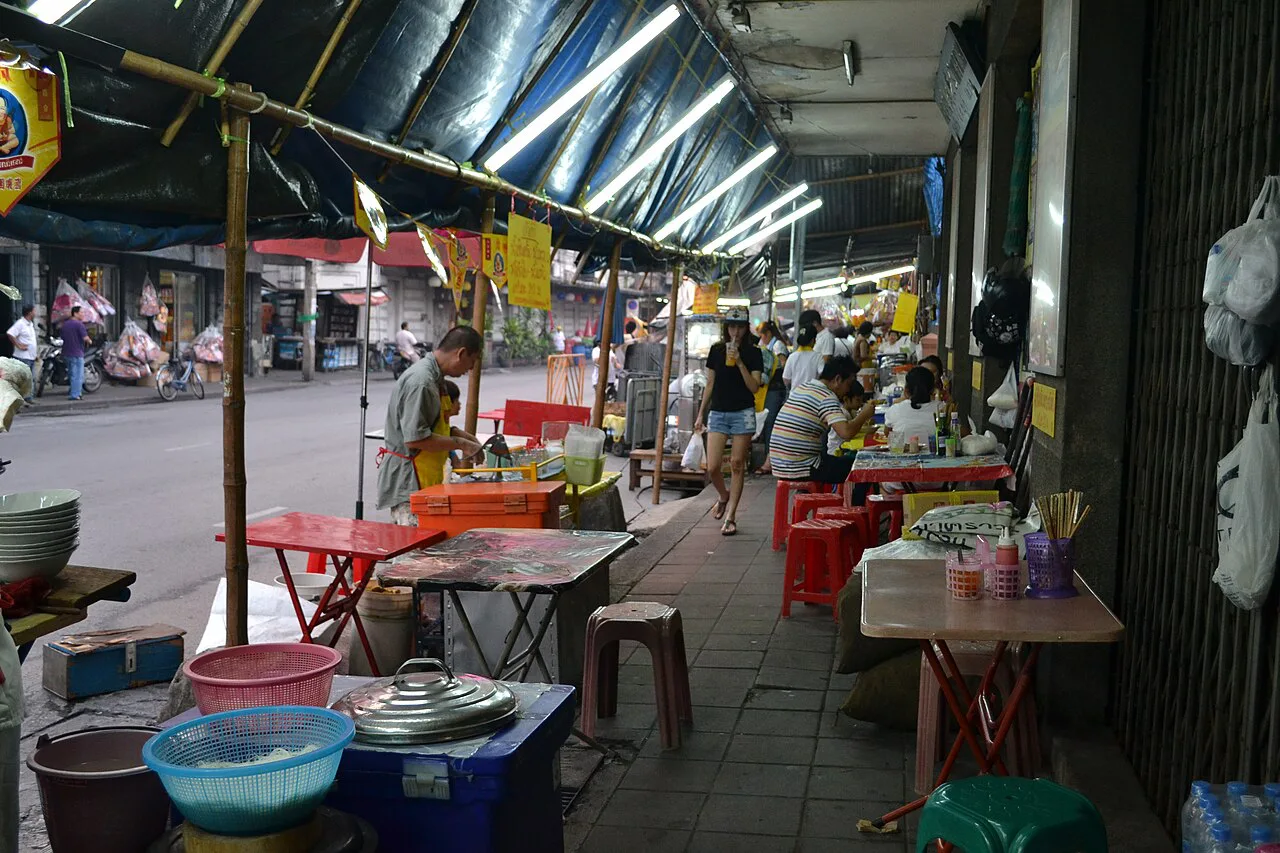
Longan Fruit in Thailand: Taste, Season & How to Eat It
What longan tastes like, when it's in season in Thailand, how to choose and peel it, and how it differs from lychee and rambutan.
On this page
Last updated November 2026: longan fruit, called lamyai in Thai, is a grape-sized fruit with translucent flesh and a shiny black seed that earns it the name "dragon eye." Northern Thailand around Lamphun and Chiang Mai is the region to know. Our guide covers taste, peeling, buying, drying and taking it home, and sits inside the wider Thai fruits guide.
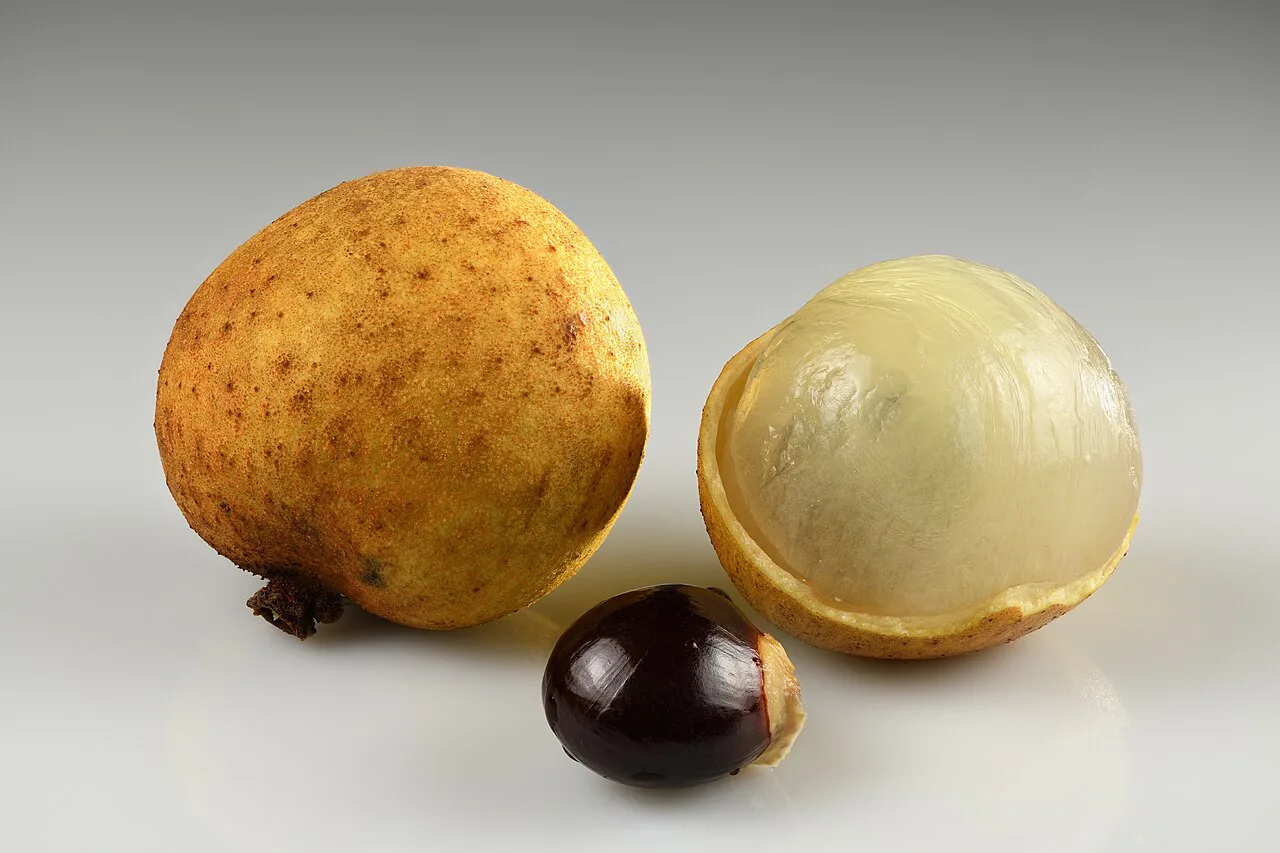
Featured image: Ivar Leidus, CC BY-SA 4.0, via Wikimedia Commons.
What is longan fruit?
Longan (Dimocarpus longan) belongs to the soapberry family, alongside lychee and rambutan. Each fruit is about 2.5 cm wide and hangs in drooping clusters. A thin, tan, leathery shell covers soft translucent flesh around one large black seed. A white spot at the seed's base gives the eyeball look behind the name, which comes from the Chinese lóngyǎn, "dragon eye." Thai markets sell it as lamyai. Northern Thailand is a recognised growing region, and Lamphun and Chiang Mai are the names to look for on boxes and stall signs.
What does longan taste like?
Longan is sweet, juicy and mildly musky, with a texture close to a peeled grape. Flavor is milder and less perfumed than lychee. Some eaters notice a drier sweetness, a little like dates. Lychee tends to be messier and more sour-sweet. Rambutan sits in the same family and has a similar sweet-tart profile, and our guide to how rambutan compares covers the details. The table below sets the three side by side.
| Fruit | Taste | Shell | Seed |
|---|---|---|---|
| Longan | Mild, musky-sweet, grape-like | Thin, tan, leathery; cracks when pinched | Large, black, glossy |
| Lychee | More perfumed, juicier, sour-sweet | Rough, reddish skin | Single seed inside the flesh |
| Rambutan | Sweet with a light tartness | Red and hairy | Single seed inside the flesh |
How to eat longan step by step
Longan is one of the easiest Thai fruits to open. Firm shells crack under a squeeze, much like a sunflower seed. No knife is needed.
- Snap one fruit off the cluster.
- Pinch or squeeze the shell until it cracks, or break it with a fingernail.
- Peel the shell away from the translucent flesh.
- Pop the fruit into your mouth and eat around the seed.
- Spit out the seed and drop the shell in the bin the vendor offers.
Mistakes to avoid when eating longan
Shell and seed are not eaten. A few small habits save first-timers from a bad fruit.
- Do not eat the skin or the seed.
- Do not judge ripeness by shell color alone. Press the shell and taste one fruit first.
- Do not buy a bunch with split shells or a sour smell.
- Do not peel a whole bag at once. Peeled flesh dries out and spoils faster.
Longan fruit season in Thailand and where it grows
Fresh longan is tied to the main summer harvest, and orchards in the north around Lamphun and Chiang Mai lead the supply. Longan usually fruits slightly later than lychee. Exact weeks move from year to year with the weather. Check the Department of Agriculture for the current harvest, and use our month-by-month fruit calendar to plan around other fruits. Outside harvest, dried and canned longan fill the gap. Products labeled from Lamphun or Chiang Mai are a safe starting point.
Where and how to buy longan in Thailand
Longan turns up at fresh markets, roadside stalls, supermarkets and street carts. Prices are not fixed, so compare relative levels. Bagged fruit at a market stall is the cheap end. Peeled cups from a cart cost more for the labor. Boxed, gift-packed fruit is the premium option. Fruit stays fresher while still attached to the branch, so on-the-stem bunches are worth choosing when you plan to eat within a day or two.
- On the stem: freshest, best for eating the same day.
- Loose bags: cheapest and easiest to share.
- Peeled in a cup: ready to eat, but eat it quickly.
- Dried, canned or juice: shelf-stable, sold in supermarkets and markets.
How to pick a good bunch
Packing houses discard fruit that is split, under-ripe or decaying, and you should do the same at the stall.
- Shells should feel firm and dry, not soft or leaking.
- Skip any split fruit.
- Reject bunches with a sour or fermented smell.
- Look for a fresh-looking stem rather than a brown, shriveled one.
- Ask to taste one fruit before buying a large bag.
Fresh, dried or canned longan: which to choose
Fresh longan is juicy and light. Dried longan is a different food. The flesh turns dark brown to almost black, and its sweetness becomes deeper and smoky. It appears in sweet dessert soups and herbal-style drinks. Canned longan sits in syrup, and sulfur dioxide is the known preservative that prevents discoloration. Pick by what you plan to do with it.
| Form | Best for | Notes |
|---|---|---|
| Fresh | Eating now | Short shelf life; buy on the stem when you can |
| Dried | Gifts, carrying home, cooking and drinks | Dark, chewy, concentrated sweetness; seal the bag |
| Canned | Desserts and easy snacks | Syrup-sweet; texture is softer than fresh |
Storing, freezing and taking longan home
One food source reports about 2 to 3 weeks in the fridge and about a week at room temperature. The same source suggests freezing fruit in its shell in an airtight container for 9 months to a year. Treat these as rough guidance, since fruit bought at a hot roadside stall may already be several days old. Fresh fruit is a different matter at borders. Many countries restrict fresh produce, so check your destination's plant-health or customs authority and never assume fresh longan will pass. Sealed dried longan is far easier to pack in a suitcase, though rules still vary by country.
Peeled flesh spoils faster, so a shell-on freeze lasting 9 months to a year beats peeling ahead.
Is longan healthy?
Longan is a light, watery fruit. USDA values for raw longan list 60 kcal, about 15 g of carbohydrate, 1.1 g of fiber and 84 mg of vitamin C per 100 g, with water making up about 83% of the fruit. Sugar is the main energy source, so portions matter more than any single nutrient. Treat this as general food information, not medical advice.
Water makes up 83% of fresh fruit, so it reads light beside dried longan's concentrated sweetness.
Longan alongside other Thai fruits
Longan pairs well with stronger flavors on the same market table. Try mangosteen's purple shell for a sweet-tart contrast. Add a look at durian stalls if you want something bolder. Another relative of longan to try is langsat bunches, which share the pale, segmented look. For something drier and tarter, snake-skinned salak makes a good next stop.
For trip-planning details, see Longan.
Frequently Asked Questions
How many longan fruit can I eat a day?
No official daily limit comes from the nutrition data above. Longan is a carbohydrate-rich fruit, so a small handful alongside other fruit is a sensible portion. People managing blood sugar should ask their doctor.
Are lychee and longan the same?
No. They belong to the same soapberry family, but longan is milder and less perfumed. Lychee has a rougher, reddish skin and a juicier, more sour-sweet taste.
Thai food notes for your next trip
Optional updates to our food guides.
You might also like


Continue reading
More guides you'll find useful