Thai Fruit Season: Month-by-Month Guide to What's Ripe
See which Thai fruits peak each month, where to find them by region, and how to buy and eat them safely. Plan your trip around the season.
On this page
Last updated November 2026: Thai fruit season runs all year, but the heaviest peaks fall in the hot season and early rainy season, roughly April to July. Durian, mango, rambutan and mangosteen crowd that window, while longan, pomelo and langsat carry the wetter months. Use the calendar below to pick a month, and start with our guide to Thai fruits for variety-level detail.
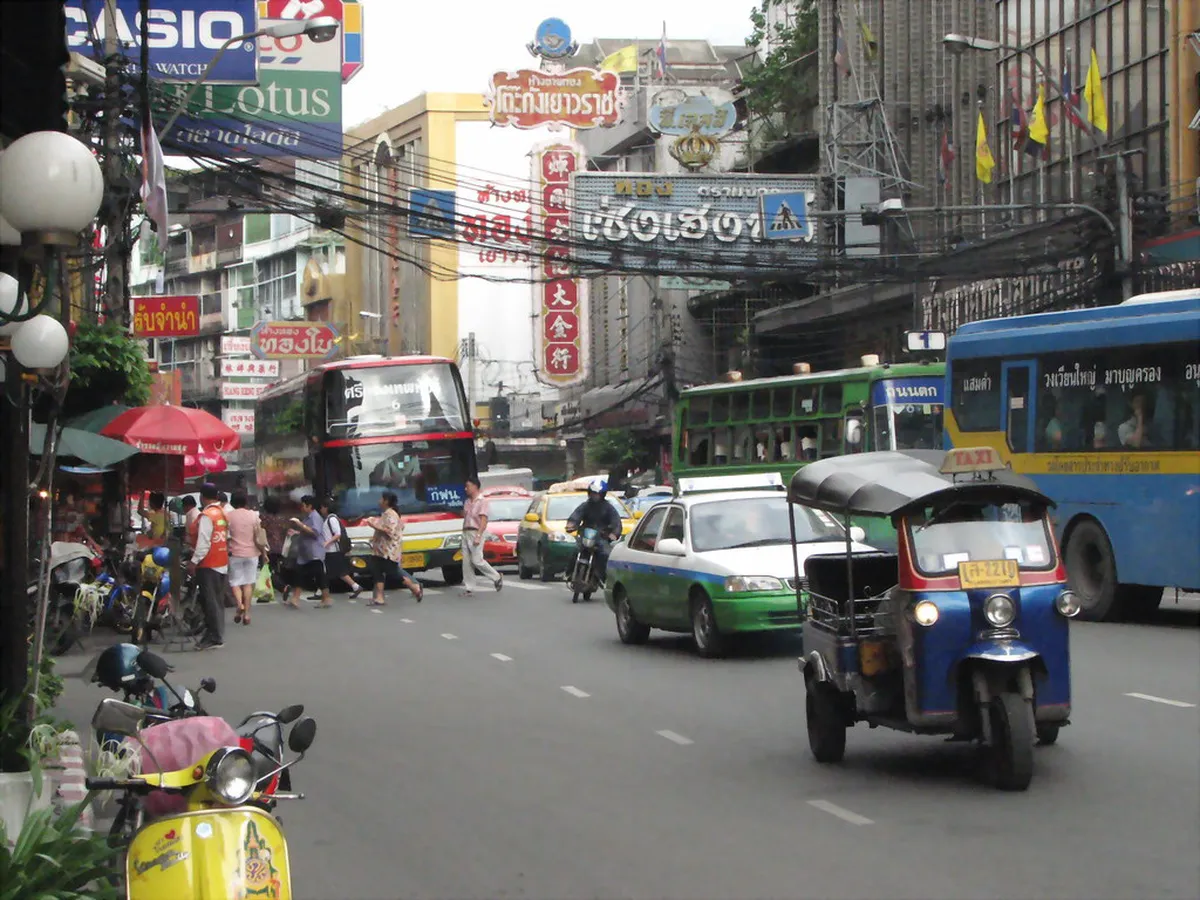
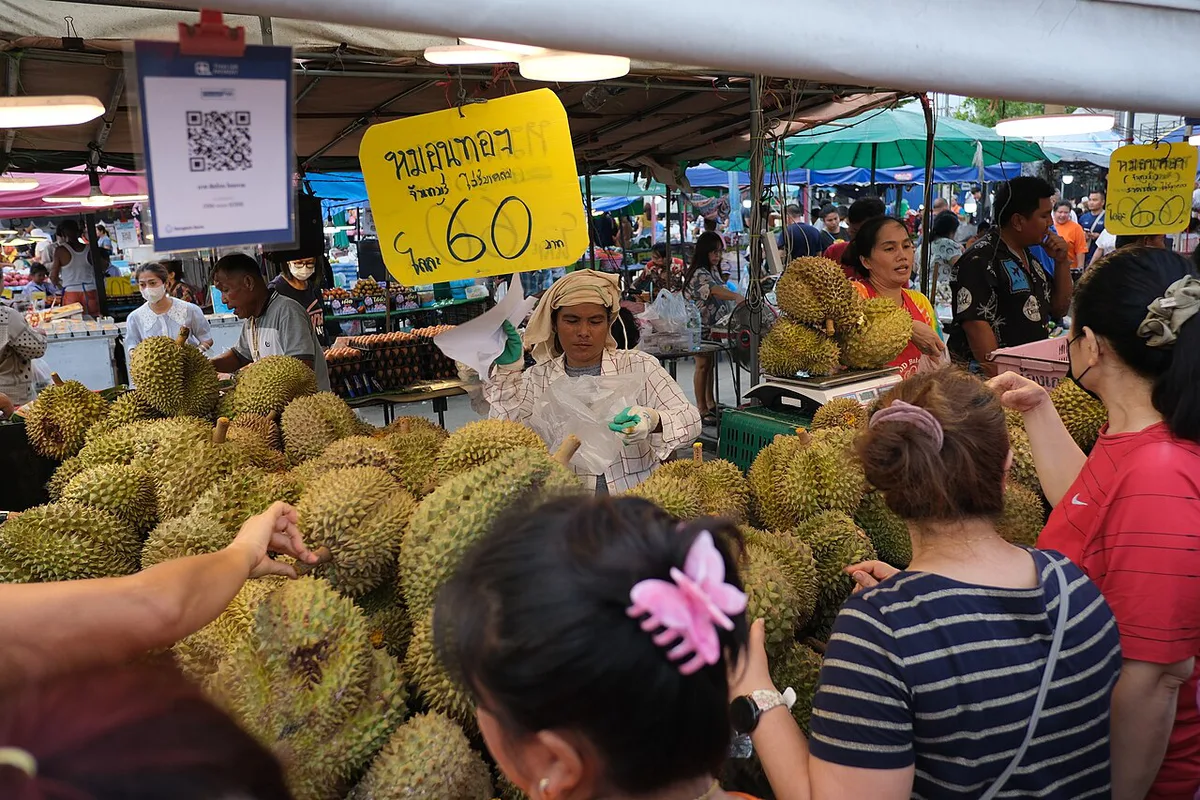
Featured image: PattayaPatrol, CC BY-SA 4.0, via Wikimedia Commons.
Thai Fruit Season At A Glance
Thailand has three seasons, according to Thailand Foundation. Hot season runs roughly mid-February to mid-May. Rainy season runs mid-May to mid-October. Cool season runs mid-November to mid-February. Many fruits grow year-round, yet Thais rate each one best at a set time of year. Harvest windows shift with rainfall and region, so read every month below as a range. Guava, jackfruit, dragon fruit and young coconut have no true off-season.
Month-By-Month Thai Fruit Calendar
Peaks below follow Thailand Foundation's harvest notes, cross-checked against other Thai fruit guides. Guides differ by a month or so on durian, mangosteen and langsat. Treat a peak as the best odds, not a guarantee.
| Month | Peak fruits | Also around |
|---|---|---|
| January | Guava, jujube | Oranges, rose apple tail |
| February | Banana, toddy palm | Guava, pomelo blossom season |
| March | Early mango (from late March) | Mangosteen starts |
| April | Lychee, mango, durian starts | Dragon fruit, rambutan starts |
| May | Durian, rambutan, mangosteen | Mango, lychee tail |
| June | Pineapple, mango, longan starts | Durian, mangosteen, salak |
| July | Pomelo, late mango | Longan, rambutan, langsat starts |
| August | Longan | Mangosteen, rambutan, pomelo |
| September | Langsat, rambutan tail | Longan, mangosteen tail |
| October | Langsat | Pomelo, dragon fruit |
| November | Oranges, pomelo | Langsat tail |
| December | Rose apple | Oranges, guava starts |
Best Fruits By Season: Hot, Rainy And Cool
Match the fruit to the weather before you match it to a month. Hot season has the biggest names. Rainy season has the longest run of mid-priced fruit. Cool season is quieter but easier on your legs.
- Hot season: ripe nam dok mai mango goes with sticky rice, and green mango goes with chili-salt-sugar. Compare mango season dates before you book.
- Hot season: lychee peaks around April, and Thai mango varieties run from sweet to sharply sour.
- Hot season: durian peaks around May, so read our notes on durian etiquette first.
- Rainy season: mangosteen peaks around May, with 7 to 8 white segments per fruit. See queen of fruits mangosteen for how to open one.
- Rainy season: rambutan season notes cover the May peak and the September tail.
- Rainy season: pomelo peaks around July and pomelo harvest tips explain why many stalls sell it pre-peeled.
- Rainy season: longan is plentiful around August, and dragon-eye longan is easy to eat bite by bite.
- Rainy season: langsat peaks around October, and longkong clusters look like small grapes on a stem.
- Cool season: oranges appear around November, rose apple around December, and guava and jujube around January.
- Scattered or year-round: dragon fruit varieties are easy to find in most months.
- Scattered or year-round: jackfruit shows up in curries and fried snacks.
- Also worth a look: custard apple and cotton-fruit santol, both strong in Nonthaburi and Nakhon Ratchasima respectively, per Thailand Foundation.
- Southern pick: snake fruit is common in southern and island areas in summer.
Where To Eat Fruit In Season By Region
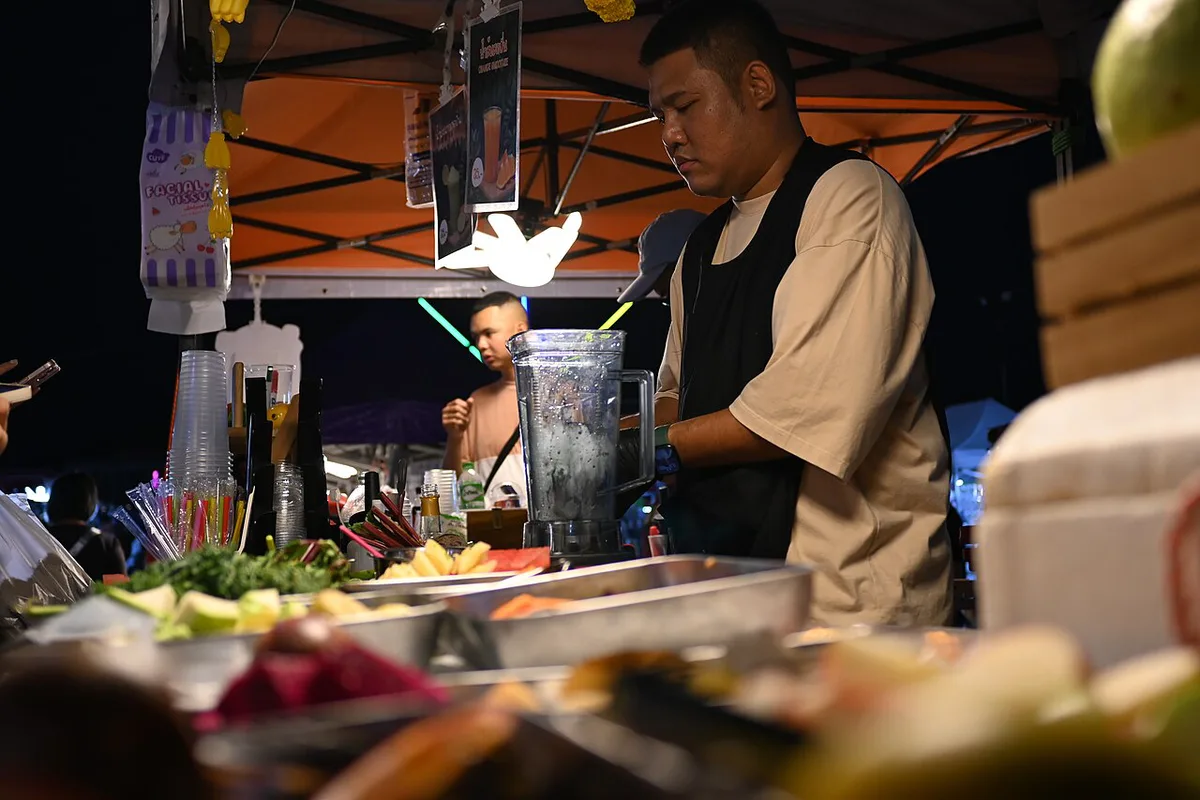
Peaks differ by region, so pick the province before you pick the month. Thailand Foundation singles out the eastern region, near the Gulf of Thailand, as strong for varied fruit. Bangkok-area orchards and the north fill the gaps.
Doi Kham strawberries suit mornings near 18°C (64°F) in Chiang Mai, so plan the north stop for early in the day.
- East (Rayong, Chanthaburi, Trat): Suphattra Land in Rayong is about a 2-hour drive from Bangkok and runs a fruit buffet. Suan Lamai in Rayong usually peaks from April to July.
- Central and Bangkok area: Ratchaburi orchards let you meet farmers and join fruit-based cooking activities. Damnoen Saduak Floating Market sells mango sticky rice and fruit from boats. Nonthaburi, northwest of Bangkok, is known for durian and santol.
- North (Chiang Mai, Lamphun): Doi Kham Agricultural Project in the Chiang Mai mountains is known for strawberries, kiwis, Thai apples, jams and fruit teas. Northern longan clusters peak around August.
- South: look for salak and langsat on the islands and the mainland in summer. Phuket pineapple has a strong reputation for sweetness, and Satun is known for chempedak in the rainy season.
Orchard, Market Or Street Cart: How To Choose
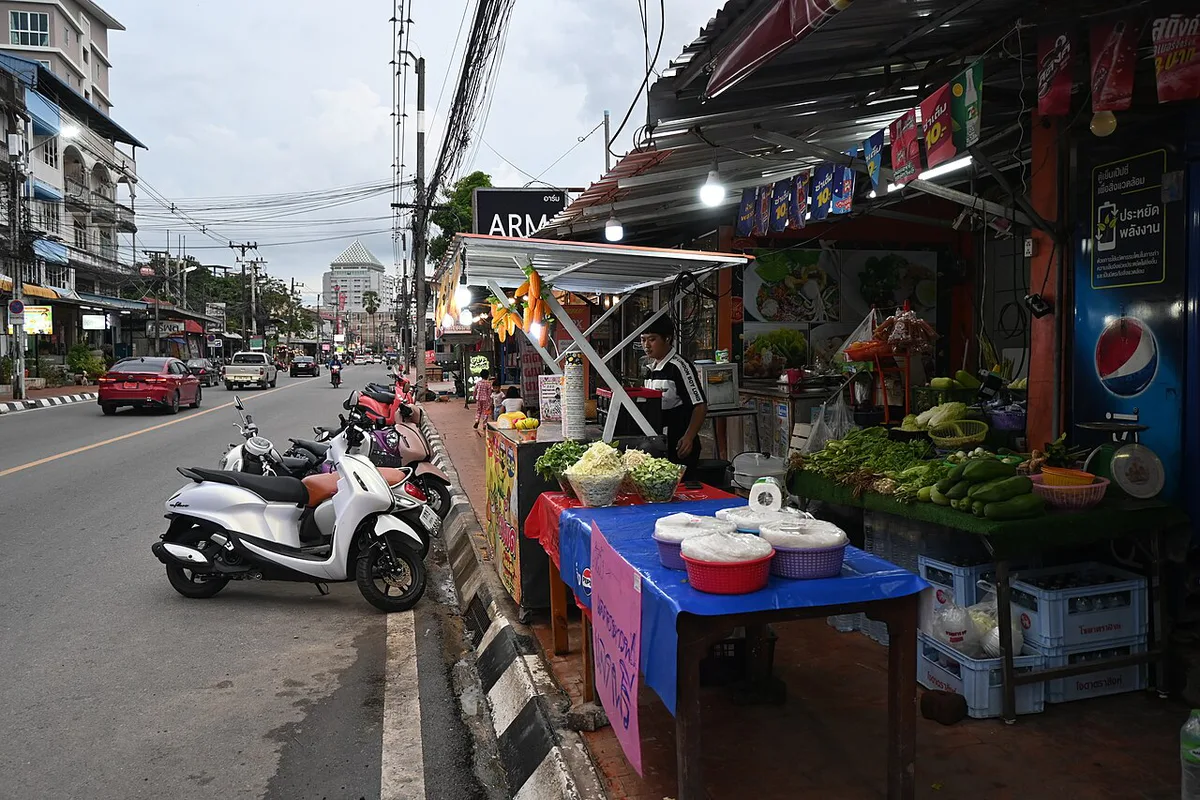
Each format suits a different traveler. Orchards reward families and photographers. Markets reward anyone who wants to compare grades. Carts reward solo travelers who want one cold portion.
| Option | Best for | Price control | Freshness | Transport |
|---|---|---|---|---|
| Orchard buffet or pick-your-own | Families, groups, photographers | Fixed entry, then eat freely | Picked on site | Car or tour needed |
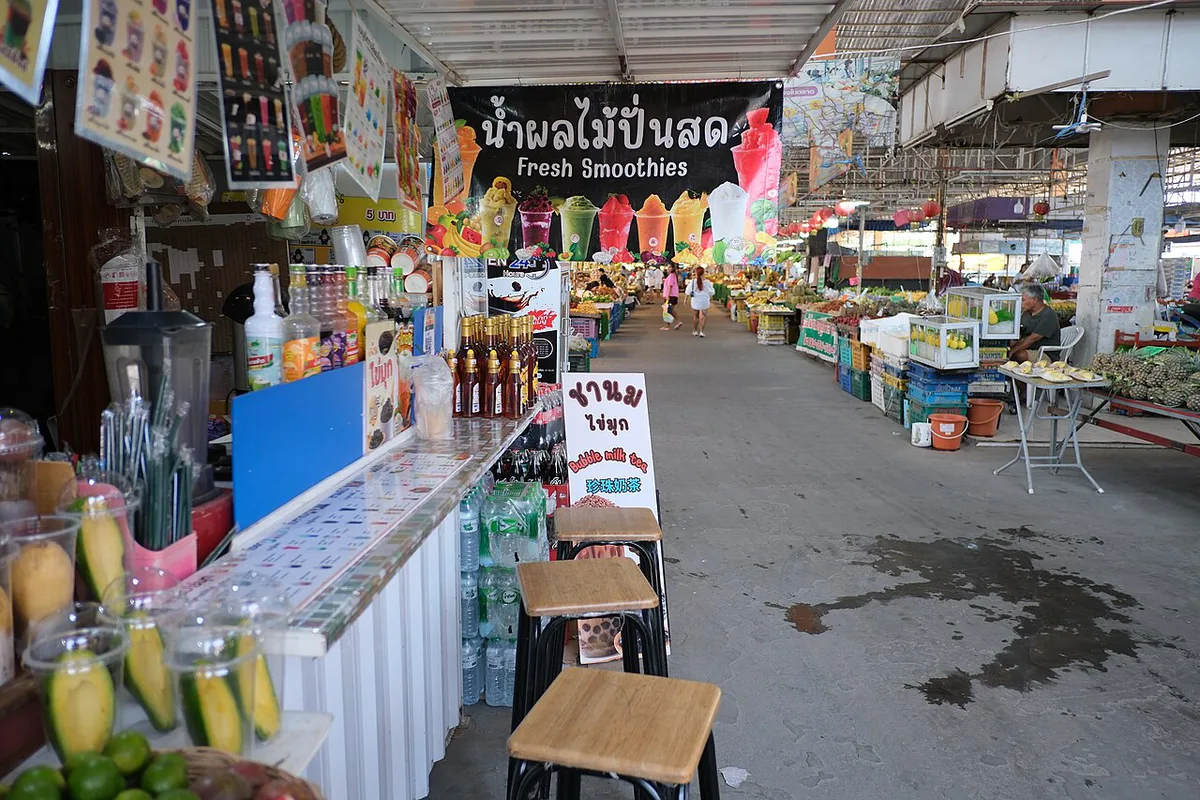
| Fresh market | Self-caterers, comparison shoppers | Ask per-kilo price, then bargain gently | Wide turnover | Usually city-accessible |
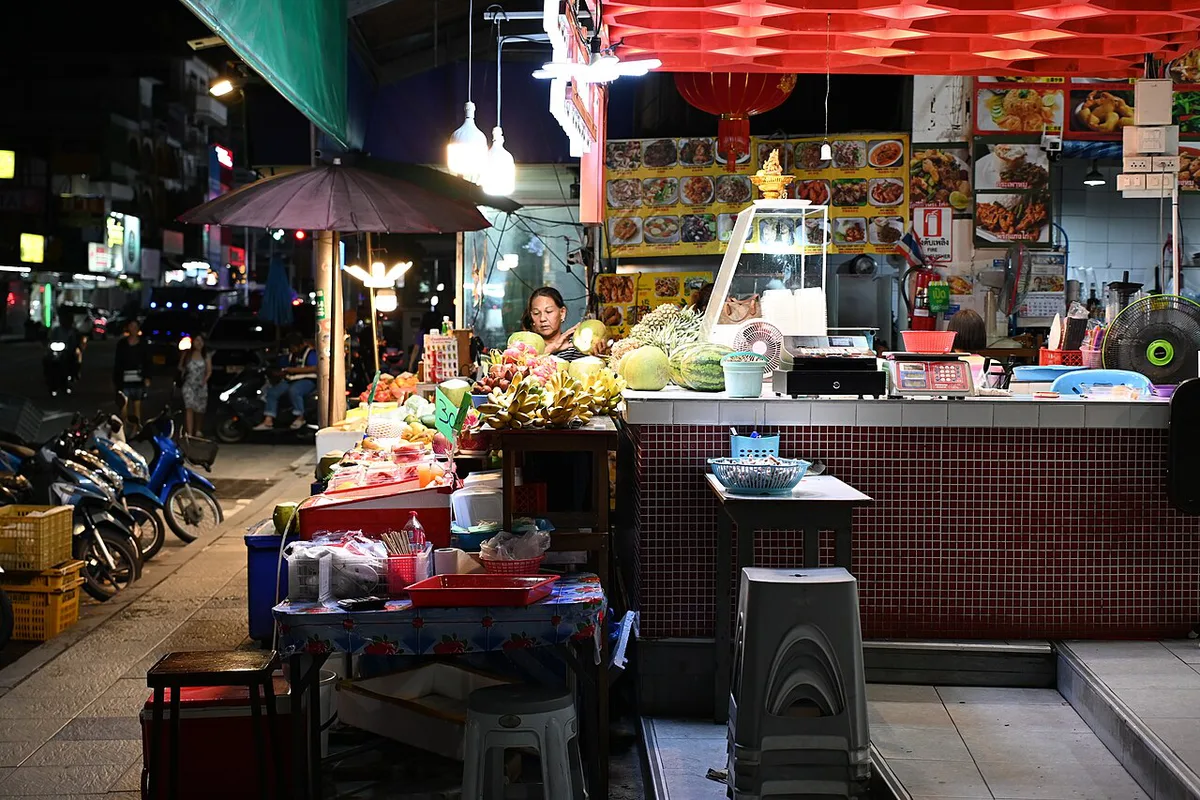
| Street cart | Solo travelers, quick snacks | Pay per bag or portion | Cut to order if busy | Walk up |
Buy Fruit In Thailand Without Overpaying
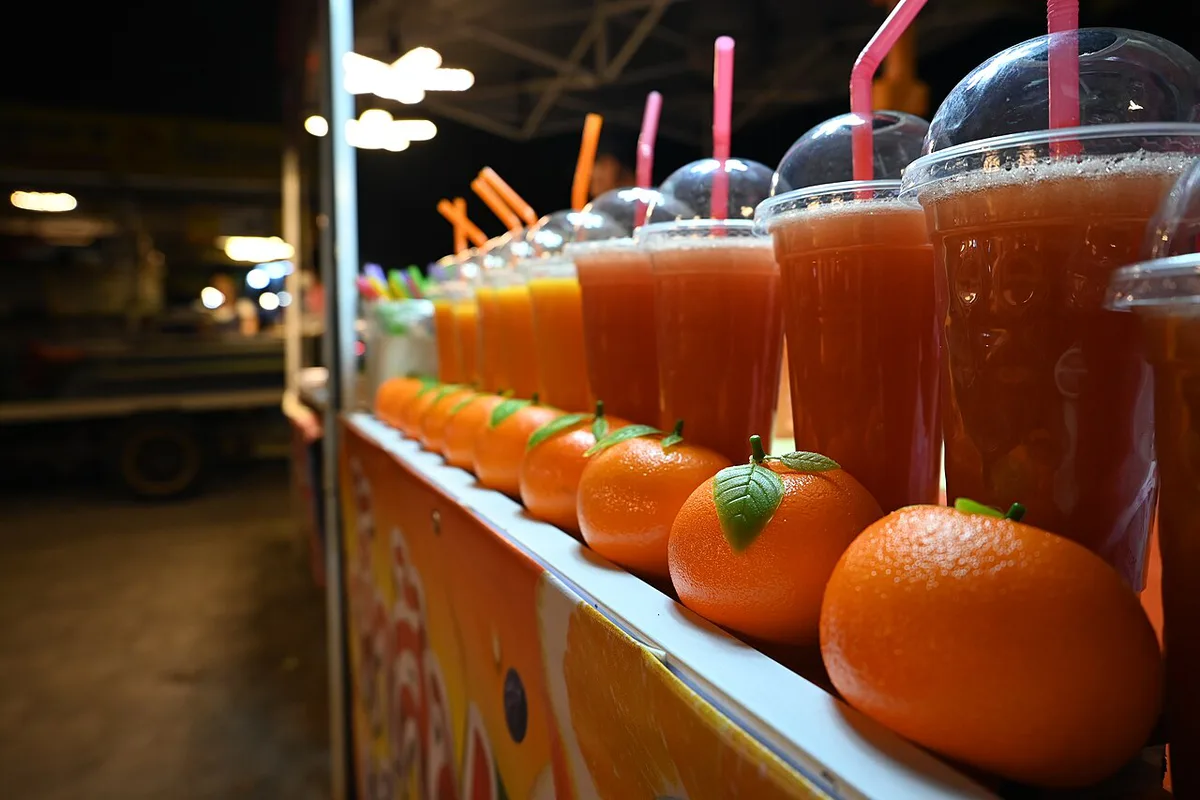
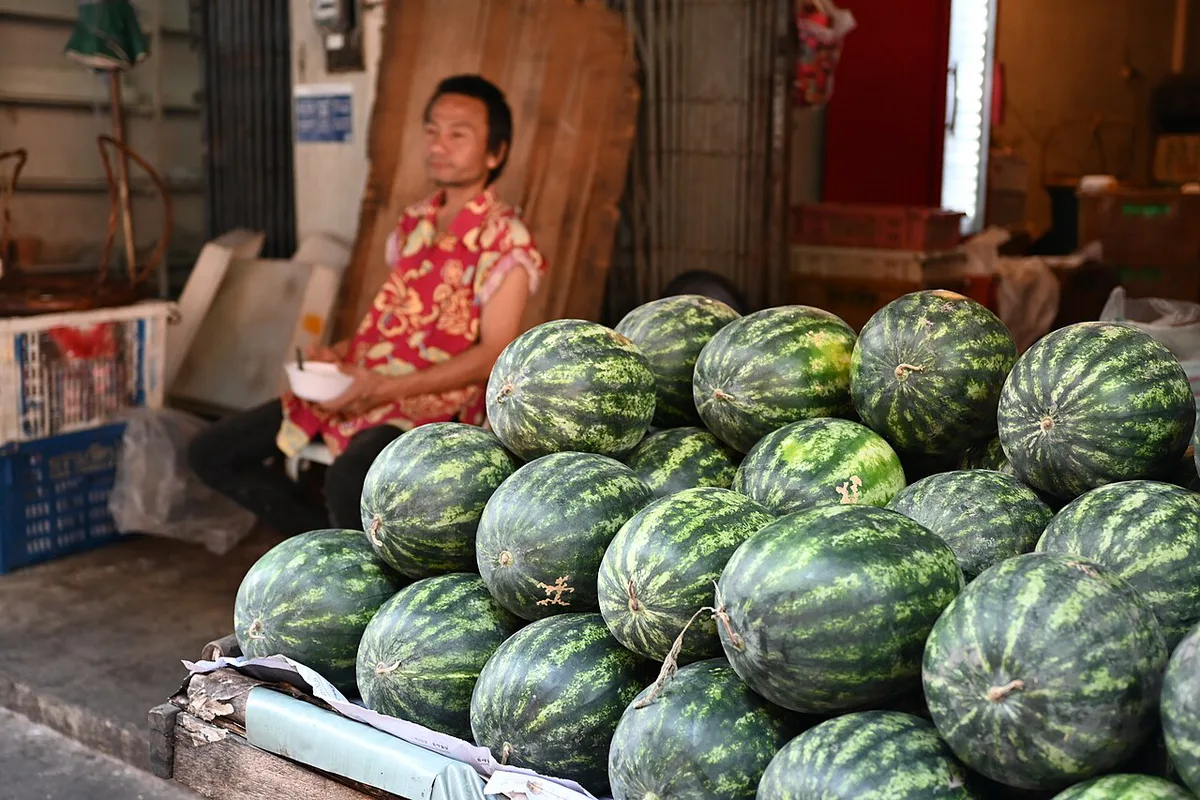
Prices and hours checked November 2026. Markets beat convenience stores and airport shops, which stock limited fruit of lower quality at higher prices. Ask the per-kilo price before the vendor cuts anything. Thailand Foundation notes that premium durian, especially from Nonthaburi, can reach ฿10,000, so a showpiece fruit and an ordinary stall fruit sit worlds apart. Large fruit markets often sell pomelo pre-peeled, and that can cost less than a local shop. Ask by Thai name where you can: mamuang (mango), mangkhut (mangosteen), thurian (durian), som-o (pomelo).
Durian Rules And Etiquette
Many hotels prohibit durian, and rules reach public transit such as the BTS and MRT. Sulfur compounds in the smell cling to air conditioning and upholstery. Buy from a stall that opens the fruit for you, and eat it outdoors. Skip durian if strong pungent smells put you off, and try durian ice cream or candy first. Thai traditional medicine pairs it with mangosteen, which it classes as a "cold" food, so stalls often sell the two side by side.
Durian peaks around May, and premium Nonthaburi fruit can reach ฿10,000, so ask the price before any stall opens one.
Is Pre-Cut Street Fruit Safe?
Street fruit carts are generally clean, and a few habits lower your risk further. This is practical advice, not medical advice.
- Pick busy carts with high turnover.
- Choose fruit cut to order, not sitting out.
- Look for clean glass cases and fruit kept chilled over clean ice blocks.
- Be cautious with ice and tap water in drinks.
- Buy whole fruit and wash it yourself when unsure.
How To Plan A Trip Around Thai Fruit Season
Hot-season afternoons typically reach about 35°C (95°F), which is the most uncomfortable time to travel but the best for durian and mango. Rainy months hover around 30°C (86°F), with afternoon downpours and a steady run of mangosteen, longan and pomelo. Cool-season mornings in Chiang Mai can fall near 18°C (64°F), and Doi Kham strawberries suit that weather. A short fruit-led trip works as two stops: Bangkok plus Rayong, about 2 hours apart by road. Skip a fruit-only itinerary if you dislike heat or strong smells.
| Season | Months | Fruit variety | Weather trade-off |
|---|---|---|---|
| Hot | Mid-Feb to mid-May | Durian, mango, lychee, rambutan | Peak heat near 35°C (95°F) |
| Rainy | Mid-May to mid-Oct | Mangosteen, longan, pomelo, langsat | Showers, about 30°C (86°F) |
| Cool | Mid-Nov to mid-Feb | Oranges, rose apple, guava, jujube | Mild, near 18°C (64°F) mornings in the north |
- Mistake: assuming one calendar fits every region.
- Mistake: buying pre-peeled fruit in tourist zones without asking the price.
- Mistake: eating durian in a hotel room.
- Mistake: skipping the per-kilo price check.
Thai food notes for your next trip
Optional updates to our food guides.
You might also like

Continue reading
More guides you'll find useful