Salak (Snake Fruit) in Thailand: Taste, Peeling, Buying
Salak fruit, or snake fruit, tastes sweet, tart and slightly astringent. Learn how to peel it, pick ripe ones and buy it from Thai street vendors.
On this page
Last updated November 2026: salak fruit is the scaly, reddish-brown fruit of a palm (Salacca zalacca), also called snake fruit. It is native to Indonesia and eaten fresh, with an apple-like crunch and a sweet-sour taste. Thai street vendors often sell it peeled and bagged with a salt and sugar mix, so this guide covers flavor, peeling and buying.
Featured image: PattayaPatrol, CC BY-SA 4.0, via Wikimedia Commons.
What Salak Fruit Is And What It Tastes Like
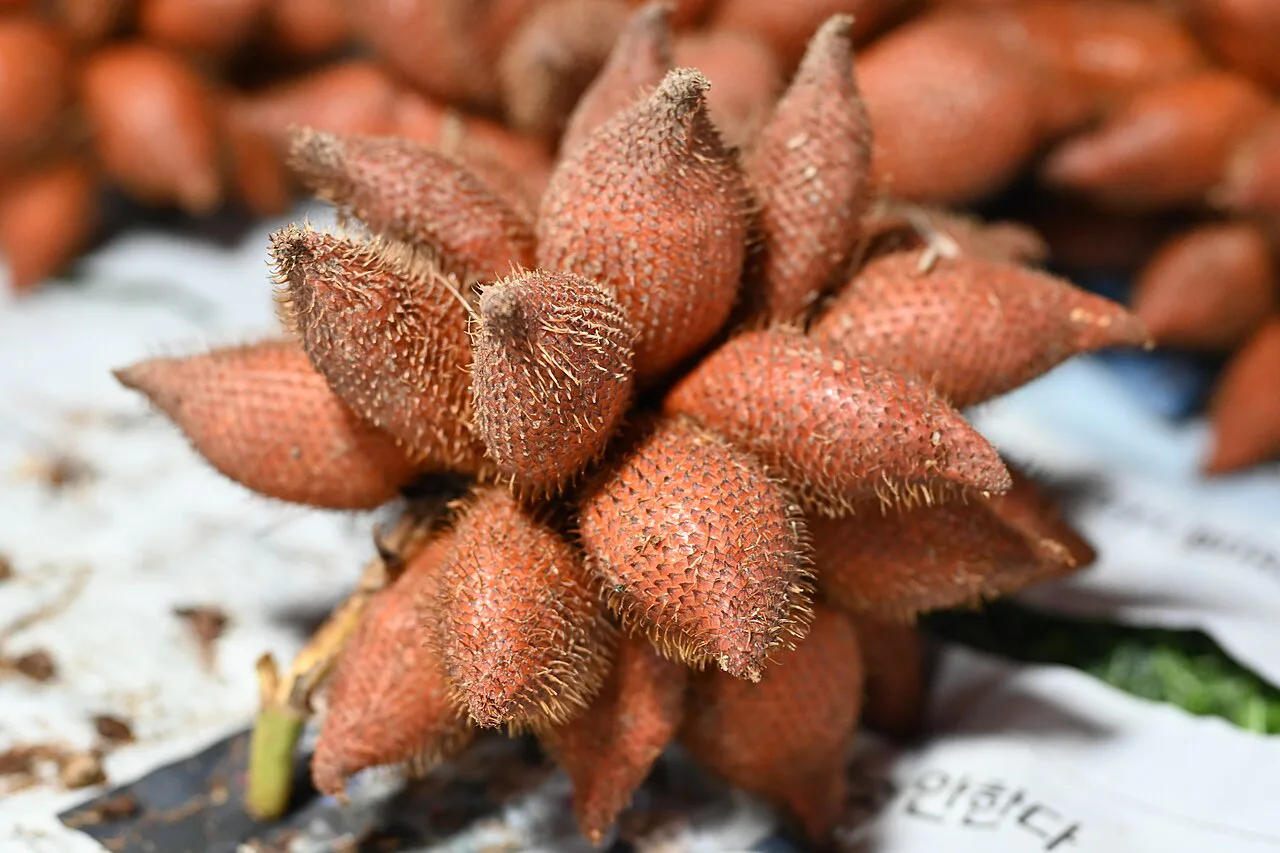
Salak grows in clusters at the base of a spiny palm. Each fruit is small, roughly 5 to 8 centimeters across, with a rounded base and a pointed tip. Overlapping scales cover the skin, and the color runs from dark brown to red-brown or golden brown depending on variety. Inside, the flesh splits into three lobes shaped like garlic cloves. Each lobe holds a hard, dark seed that you do not eat.
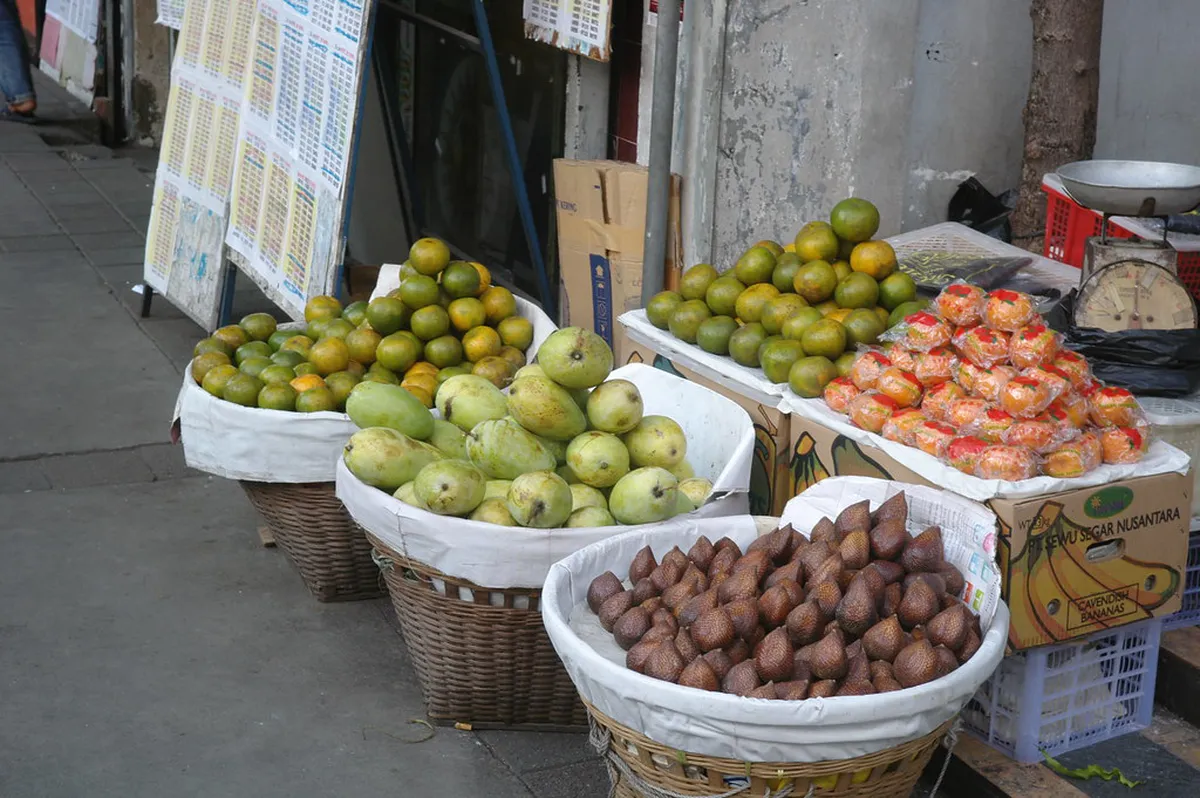
Flavor is sweet first and tart at the finish. Many eaters pick up a faint astringent bite, especially near the thin membrane around each lobe. Texture depends on the variety. Some fruit is dry and chalky, while other fruit is juicy and spongy. Descriptions often mention apple, pineapple and banana, and sometimes jackfruit.
Indonesia is the origin. There the fruit is offered to guests as a sign of hospitality, and the thorny palms are planted as hedges. Fronds are woven into mats and baskets.
How To Peel And Eat Salak
Wash the fruit first, because the skin carries small spines that can prick your fingers. Pinch the pointed tip until it cracks. Pull the tip off, then peel the skin back against the grain of the scales. It comes away in a few pieces because the skin is thin.

Once peeled, you will see three lobes. Eat them out of hand and discard the seed in each. The thin white membrane can stay on or come off. Leave it on if you dislike fussing, and peel it if the astringent edge bothers you.
A few habits make the experience better.
- Skip fruit that feels soft or smells sour. Underripe fruit tastes more astringent and less sweet.
- Pace yourself. Traditional advice warns that eating a lot of salak can cause constipation, so a few fruits at a time is sensible.
- Do not bite through the skin or seed. Neither is meant to be eaten.
- Wash before peeling, since your fingers carry the skin's surface onto the flesh.
How To Choose And Store Salak
Pick fruit that feels firm and looks uniform in color. Ripe salak smells sweet, earthy and slightly musky. Avoid bruised patches or a fermented odor.
Older guidance puts freshly picked salak at up to 3 weeks below 10°C, while a peeled bag from a Thai cart should be eaten the same day.
Whole fruit keeps for a few days in a refrigerator. Eat it soon after it ripens for the best flavor. Older agricultural writing says freshly picked fruit lasts about a week at room temperature in hot, humid climates and up to 3 weeks below 10°C. Treat those figures as rough, because market fruit has already spent time in transit. Peeled fruit should be eaten the same day.
Salak Varieties: Pondoh, Bali And Sugar Salak
Indonesia grows at least 30 salak cultivars, and two dominate conversation. Pondoh comes from Java and has a strong aroma. Bali fruit has a lighter aroma and can feel starchy. Gula pasir, meaning sand sugar, is a small, sweeter Bali strain.
Indonesia grows at least 30 salak cultivars, but fruit sold in Thailand is rarely labeled by variety, so ask the vendor.
| Variety | Origin | Flavor and aroma | Notes |
|---|---|---|---|
| Salak Pondoh | Java (Yogyakarta) | Strong aroma | Popular in Indonesia |
| Salak Bali | Bali | Lighter aroma, starchy feel | Popular with tourists in Bali |
| Gula Pasir (Sugar Salak) | Bali | Smaller and sweeter | Often the priciest Bali type |
| Fruit sold in Thailand | Varies | Varies | Ask the vendor, since variety is rarely labeled |
Finding Salak In Thailand
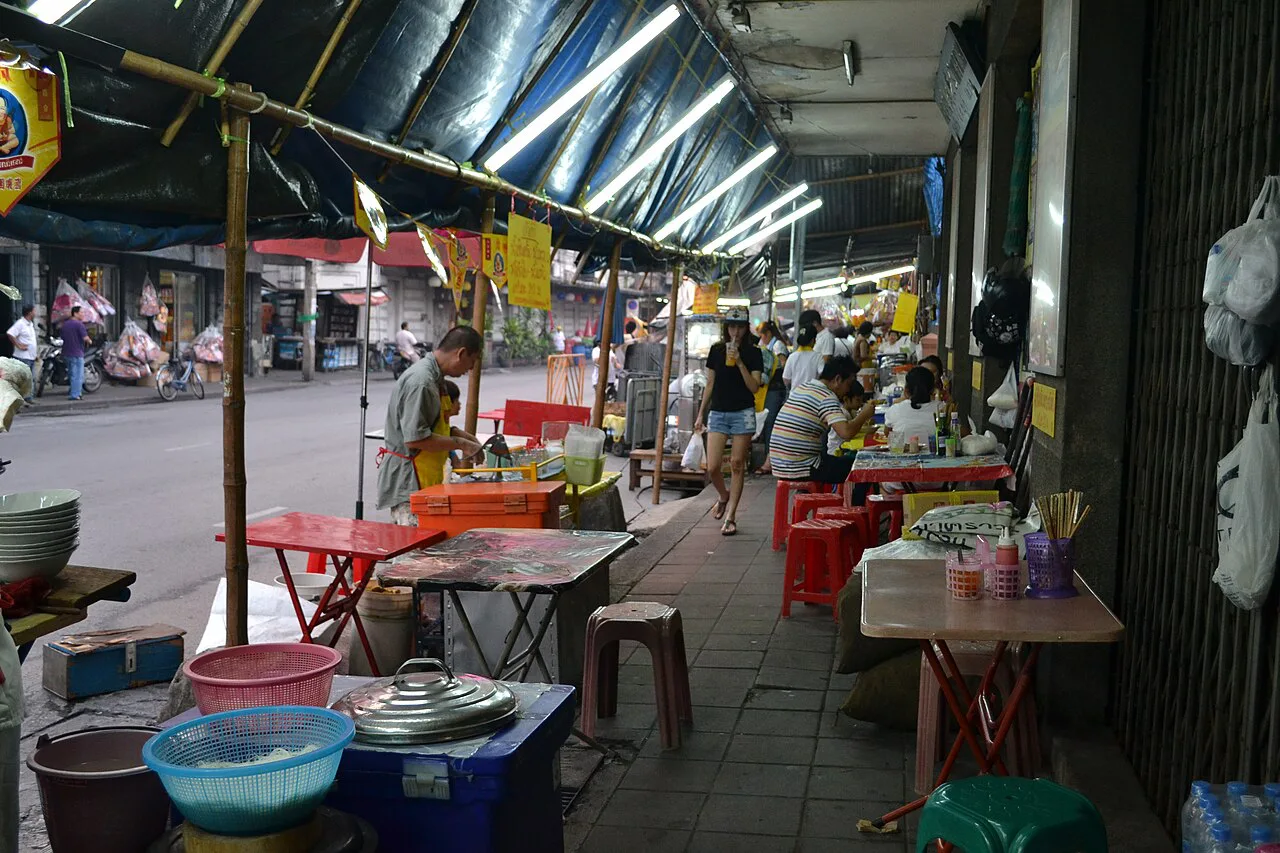
Thailand grows salak in smaller quantities than Indonesia. Do not expect it at every stall. Look in fresh markets and at street fruit carts. Vendors often peel it and sell it in a bag with a salt and sugar dip.
Peeled fruit saves effort. Whole fruit stays fresher and lets you judge ripeness by smell and firmness. Prices vary by vendor and season. Compare the per-kilo or per-bag price with the other fruit on the same cart before you buy.
Use this quick guide to decide.
- Hotel room with no knife or sink: buy peeled, and eat it the same day.
- Day trip with a snack stop: buy peeled and bagged, and take the dip.
- Long bus ride: buy whole fruit and peel it when you are ready to eat.
- Staying a few days with a fridge: buy whole fruit and eat it within a few days.
Salak vs Other Thai Fruits
Salak sits between crisp and soft. Its crunch is firmer than langsat, a clustered fruit with juicy segments. Rambutan is easier to open and has soft, translucent flesh, as the rambutan guide explains. Mangosteen has a thick purple rind and delicate white segments, which you can read about in the mangosteen guide. Longan has a thin brown shell and translucent, juicy flesh.
Salak is the one with the scaly skin and the astringent finish. Pair it with a sweeter fruit if you want contrast.
Season And Availability
Sources describe salak as available year-round across Southeast Asia. In Indonesia, fruiting peaks around May and December. Those peaks should not be assumed for Thailand, where the crop is smaller. Fruit matures roughly 5 to 7 months after pollination, so supply stays fairly steady where it is grown. For timing across other fruits, see the Thai fruit season guide.
Is Salak Healthy? What The Evidence Supports
Salak is mostly carbohydrate and contains small amounts of minerals such as potassium and calcium. In Indonesia it is nicknamed the Fruit of Memory, but that is a traditional belief. One study in rats found that salak slowed the rise in blood lipids. That does not show a benefit in people. Treat it as a snack, not a remedy. People with allergies, diabetes or a pregnancy should ask a clinician before eating it regularly.
Ways To Eat It
Fresh is the default. Thai vendors serve it with salt and sugar.
- Sliced into fruit salads or fruit bowls.
- In rujak, the spicy Indonesian fruit and vegetable mix, usually with young fruit.
- Dried into chips, or pickled and canned.
- Cooked into syrups, jams or candies.
What To Try Next
Salak works as a first stop in a longer fruit crawl. Browse our full guide to Thai fruits for more. Pair it with something richer next, such as durian, if you want a bolder contrast.
For trip-planning details, see Salak.
Thai food notes for your next trip
Optional updates to our food guides.
You might also like



Continue reading
More guides you'll find useful