10 Thai Fruits to Try and When to Eat Them
Durian, mangosteen, rambutan, mango and more: 10 Thai fruits to try, how to eat each one, and how season decides what is good.
On this page
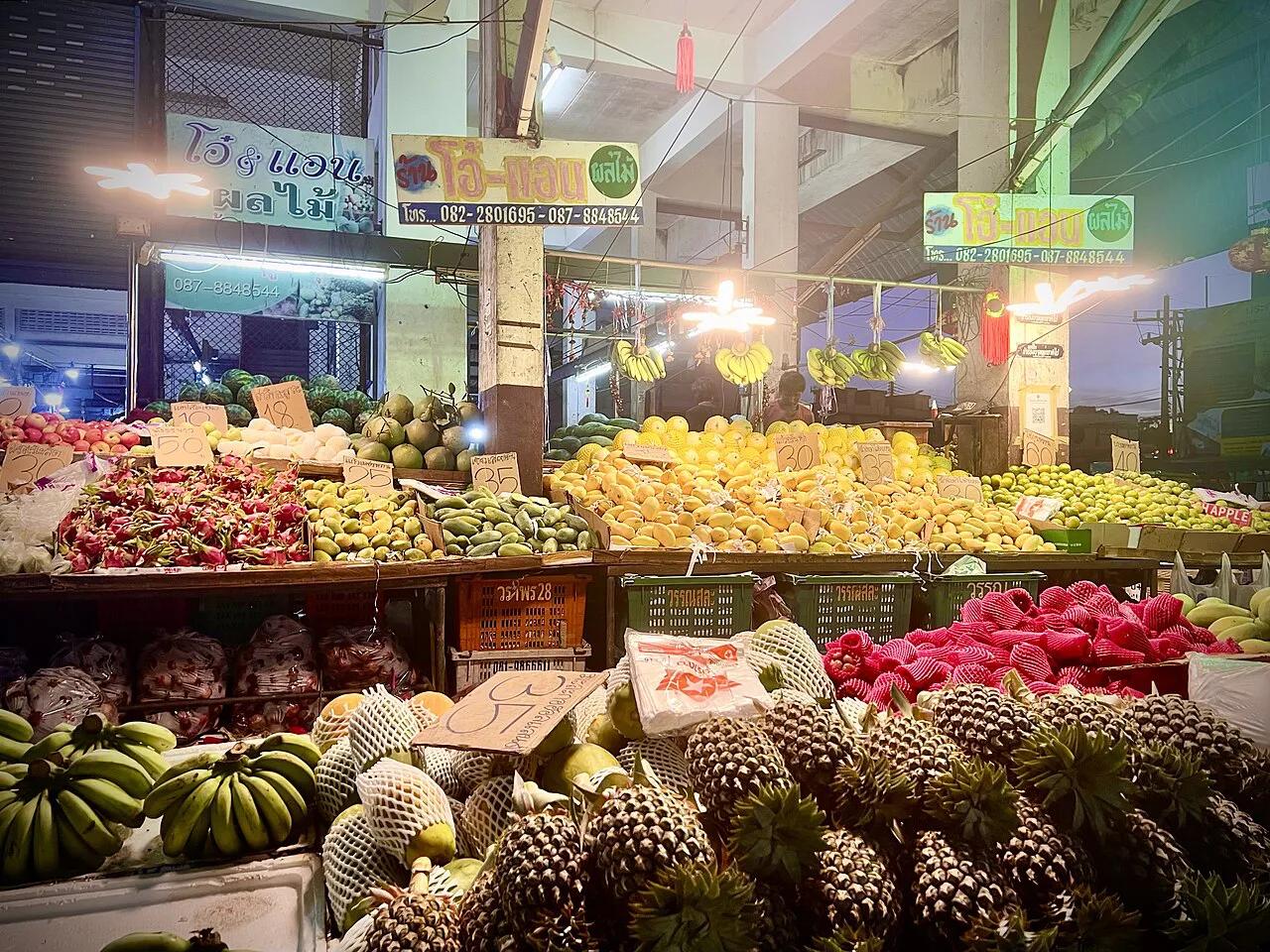
Last updated November 2026: the Thai fruits most worth your first stop are durian, mangosteen, rambutan, mango, dragon fruit and pomelo. Season decides what is on the cart and what tastes good, so start with our Thai fruit season guide. Our ten picks below say what each fruit tastes like, how to open it, and who should skip it. In Bangkok, Or Tor Kor Market is best known for premium fruit, especially durian and mango.
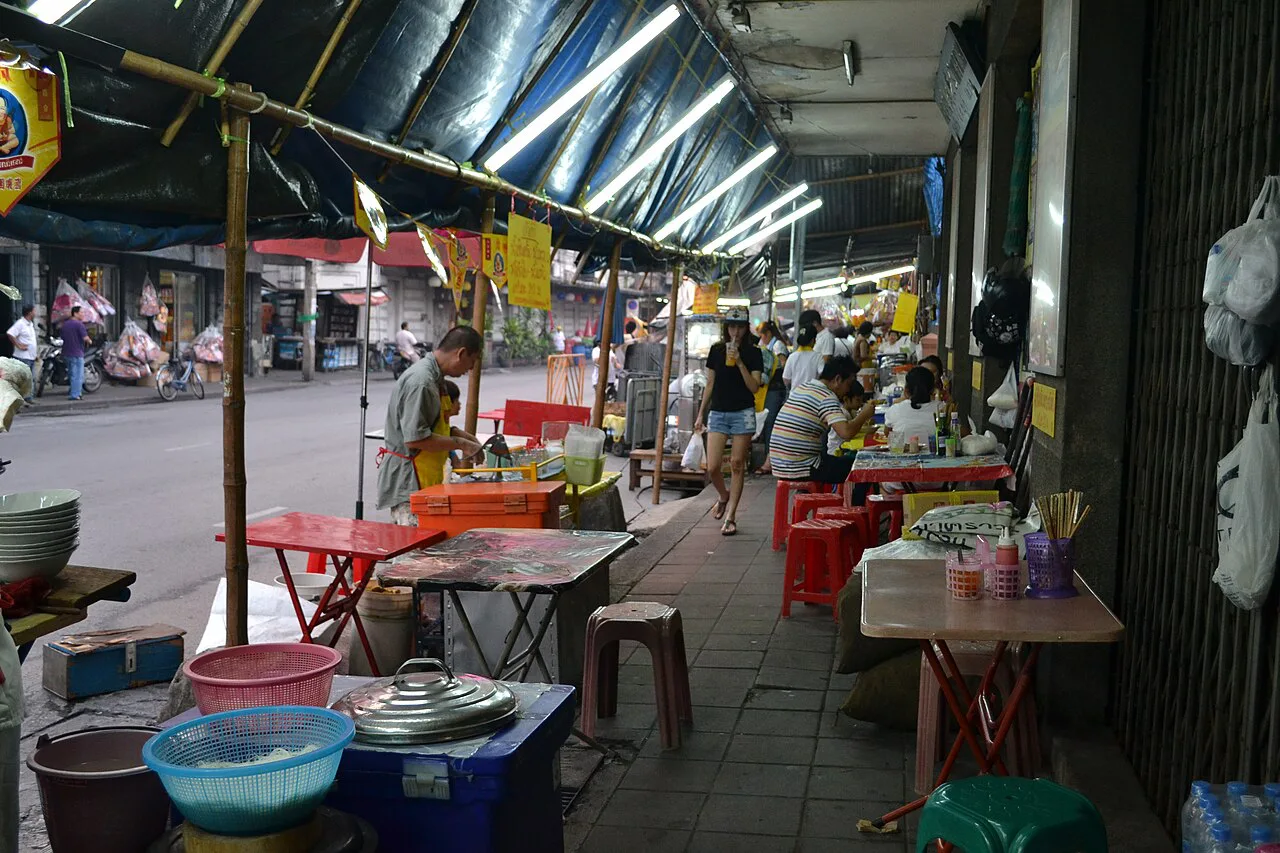
Featured image: Sharon Hahn Darlin, CC BY 2.0, via Wikimedia Commons.
10 Thai Fruits to Try in Thailand
We ordered these from most polarizing to easiest to eat, and each entry links to a dedicated guide. Our pick for a nervous first-timer is mango, then longan. Our pick for an adventurous eater is durian.
1. Durian (Tu-rian)
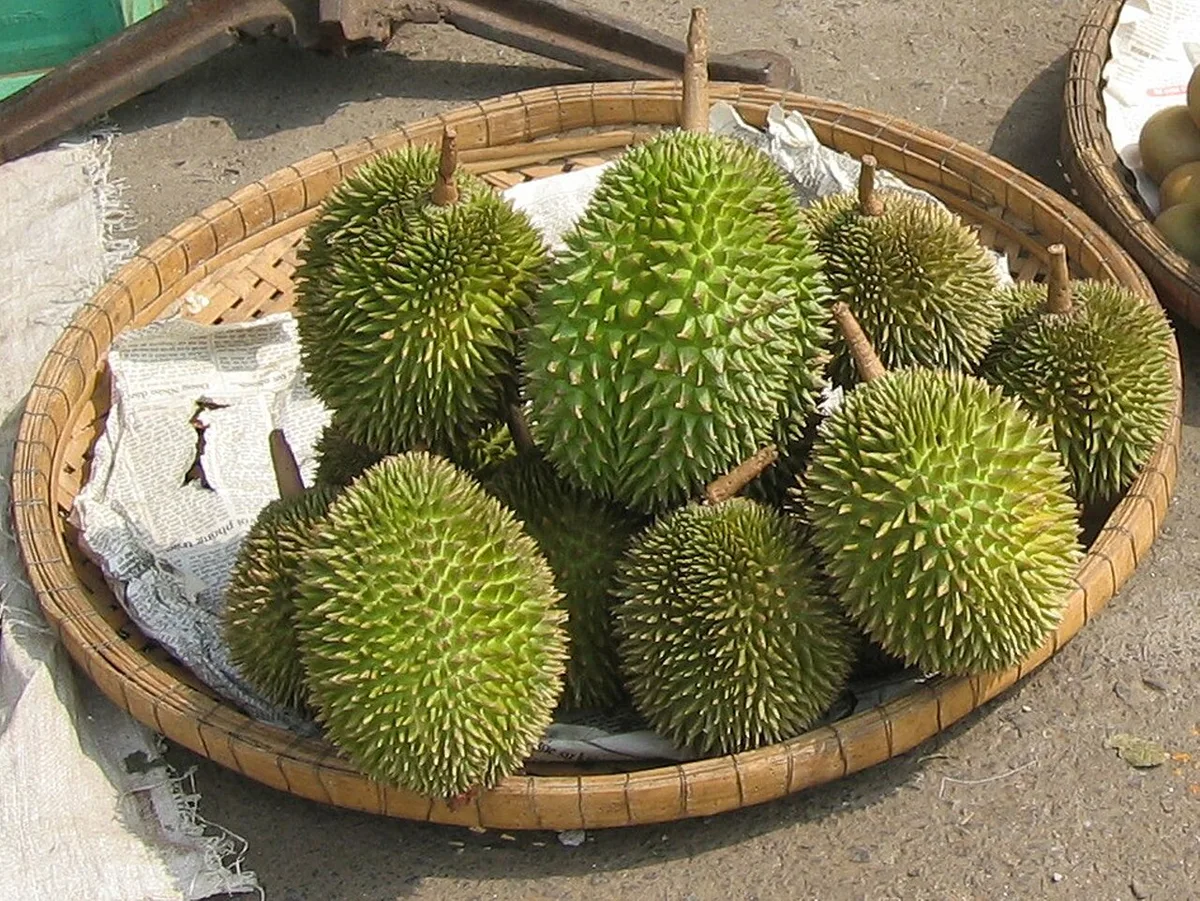
Durian is the fruit people either love or avoid. Its spiked husk hides creamy, buttery yellow flesh with an intense smell that rarely matches the milder taste. Ease in with sticky rice and durian, a close cousin of mango with sticky rice that appears when the fruit is in season.
| Fruit | Taste and texture | Skip it if |
|---|---|---|
| Durian | Creamy, buttery yellow flesh; intense smell, milder taste | You dislike strong cheese or truffle |
| Mangosteen | Soft, juicy white segments, sweet with a slight tartness | You hate fiddly peeling for a small reward |
| Rambutan | Translucent, sweet and slightly sour flesh | You want zero effort |
| Longan | Translucent, sweet and a little floral | You want something tart |
| Mango | Ripe mango is creamy and sweet; green mango is sour and crunchy | You avoid sour food (green mango) |
| Dragon fruit | Mild, a little like kiwi crossed with pear | You want strong flavor |
| Pomelo | Gentler than grapefruit, with less acid and little bitterness | You want juicy, punchy fruit |
| Jackfruit | Firm, yellow and sweet with a banana-like flavor | Sticky fingers bother you |
| Rose apple | Crisp, lightly sweet and floral | You want rich, creamy fruit |
| Guava | Crisp like a firm pear and only slightly sweet | You want juicy, soft fruit |
Hotels and public buildings often post no-durian signs, so eat it outdoors at the stall and never carry it to your room. Skip it if you dislike strong cheese or truffle. Our durian in Thailand guide covers ripeness and etiquette.
2. Mangosteen (Mangkhut)
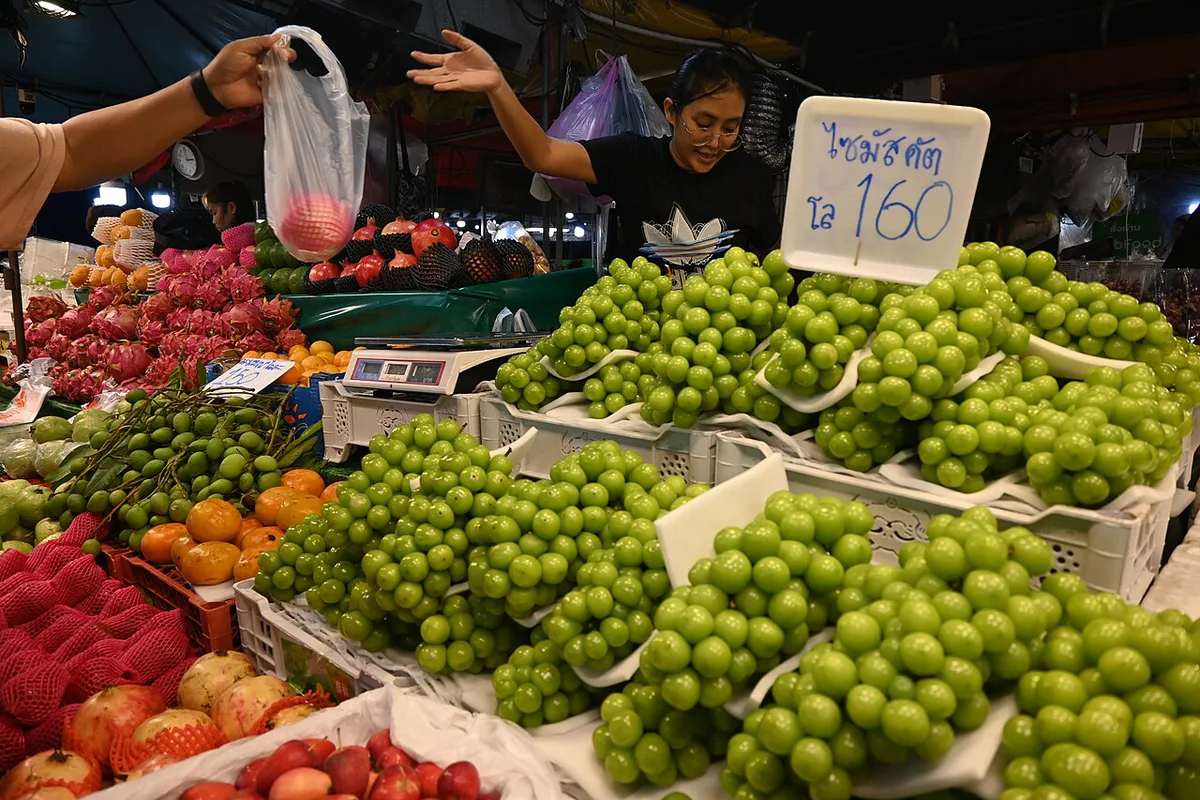
Mangosteen is often called the queen of fruits, a nod to durian's title as king. Under a thick purple rind sit white segments, soft, juicy and sweet with a slight tartness. Squeeze the fruit around its middle with your fingers until the rind cracks, rather than sawing at it with a knife.
Keep a napkin handy, because the purple rind stains. Skip it if you hate fiddly peeling for a small reward. Our mangosteen guide shows how to pick a good one.
3. Rambutan (Ngo)
Rambutan is a hairy red fruit from the lychee family. Inside is translucent, sweet and slightly sour flesh around one seed that you should not eat. Choose fruit with bright reddish hairs that have not turned brown. Press the skin open with your thumbs, or nick it with a knife first.
It is a good hot-day snack, and hotel buffets often serve it half peeled. Skip it if you want zero effort. Our rambutan guide has more on choosing ripe fruit.
4. Longan (Lamyai)
Longan looks like a smaller, smoother cousin of rambutan and lychee. Its skin is thin and pale brown, and the flesh is translucent, sweet and a little floral. Vendors sell it in bunches. Pinch the skin, pop out the flesh and spit the large seed.
Longan is also made into juice, tea and desserts. Tell it apart from rambutan by the missing hairs, and from lychee by the missing spikes. Skip it if you want something tart. Read our longan fruit guide for the lychee comparison.
5. Mango (Mamuang)
Mango is the easiest win for first-timers. Ripe yellow mango is creamy and sweet, and it arrives with sticky rice and coconut cream as a classic dessert. Green mango is a different snack. It is sour and crunchy, and cart vendors serve it with a sweet, salty, spicy dip.
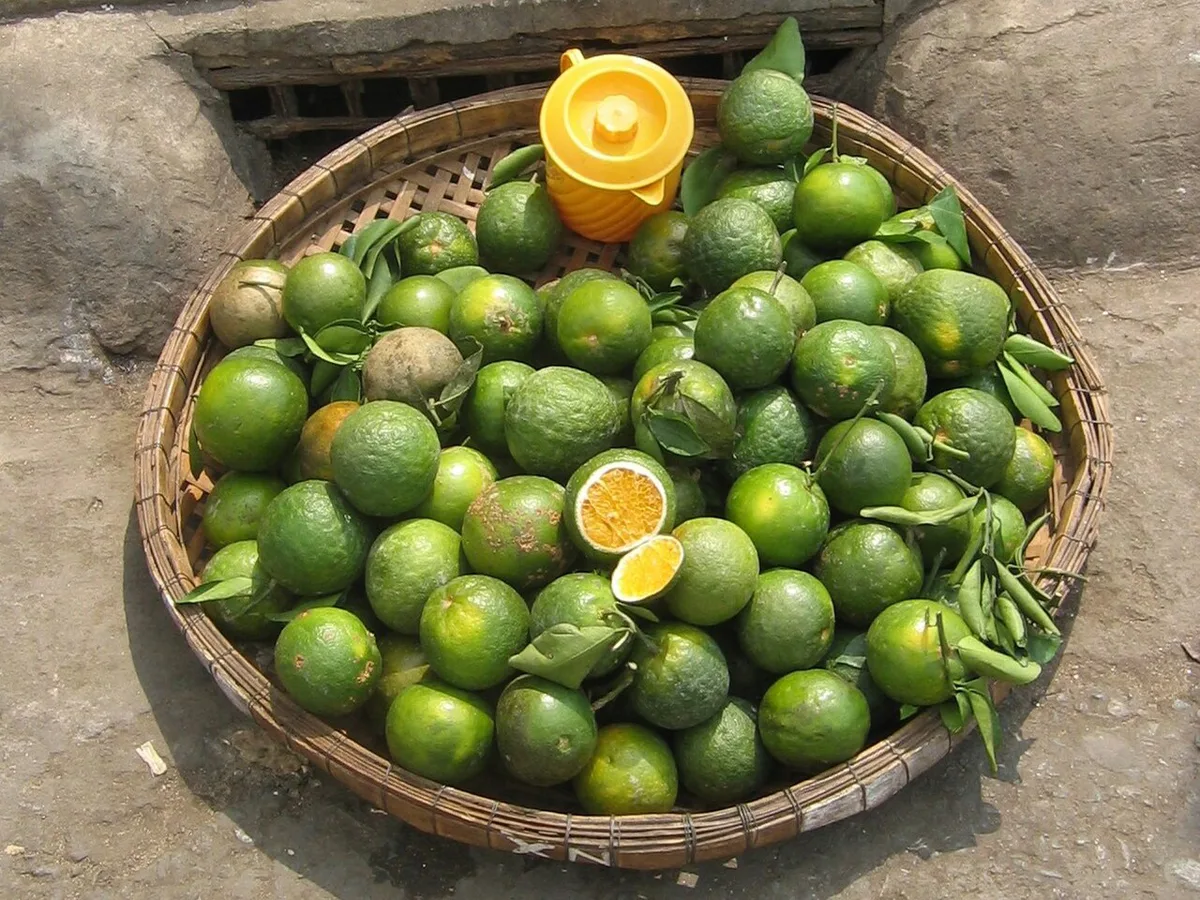
Our Thai mango guide covers varieties and dishes. Skip green mango if you avoid sour food. Eat ripe mango in the morning, when the cart has been restocked.
6. Dragon Fruit (Gaeo Mangkon)
Dragon fruit grows on a cactus and comes in three colors. Two have pink skin, with either white or red flesh. The third has yellow skin and white flesh. Taste is mild, a little like kiwi crossed with pear, with tiny black seeds. We think it looks more interesting than it tastes.
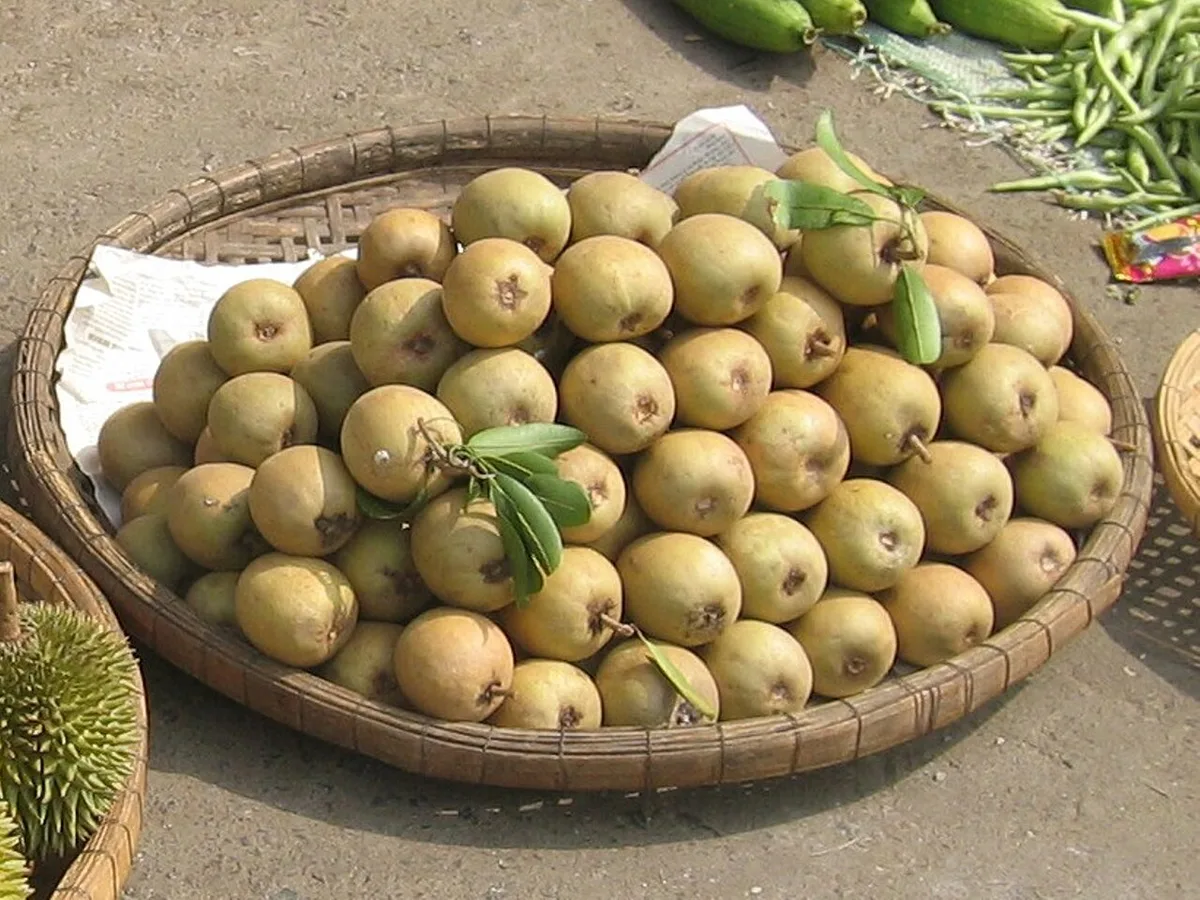
Red-fleshed fruit stains hands, boards and shirts like beetroot. Skip it if you want strong flavor, or blend it into a smoothie instead. See our dragon fruit guide for honest taste notes.
7. Pomelo (Som-o)
Pomelo is a giant citrus with a thick rind and large pale segments. The taste is gentler than grapefruit, with less acid and little bitterness once you strip the membrane. Vendors often sell it peeled in a box, which saves the messy work.
Pomelo also appears in salads, where its mild citrus note carries chili and herbs. Skip it if you want juicy, punchy fruit. Our pomelo guide explains how to peel one.
8. Jackfruit (Khanun)
Jackfruit is huge and spiky, but its flesh is firm, yellow and sweet, with a banana-like flavor. It falls into chunky pieces when cut. Ripe jackfruit is a dessert fruit. Unripe jackfruit is cooked as a savory ingredient in curries and stir-fries, which makes it our pick for vegetarians.
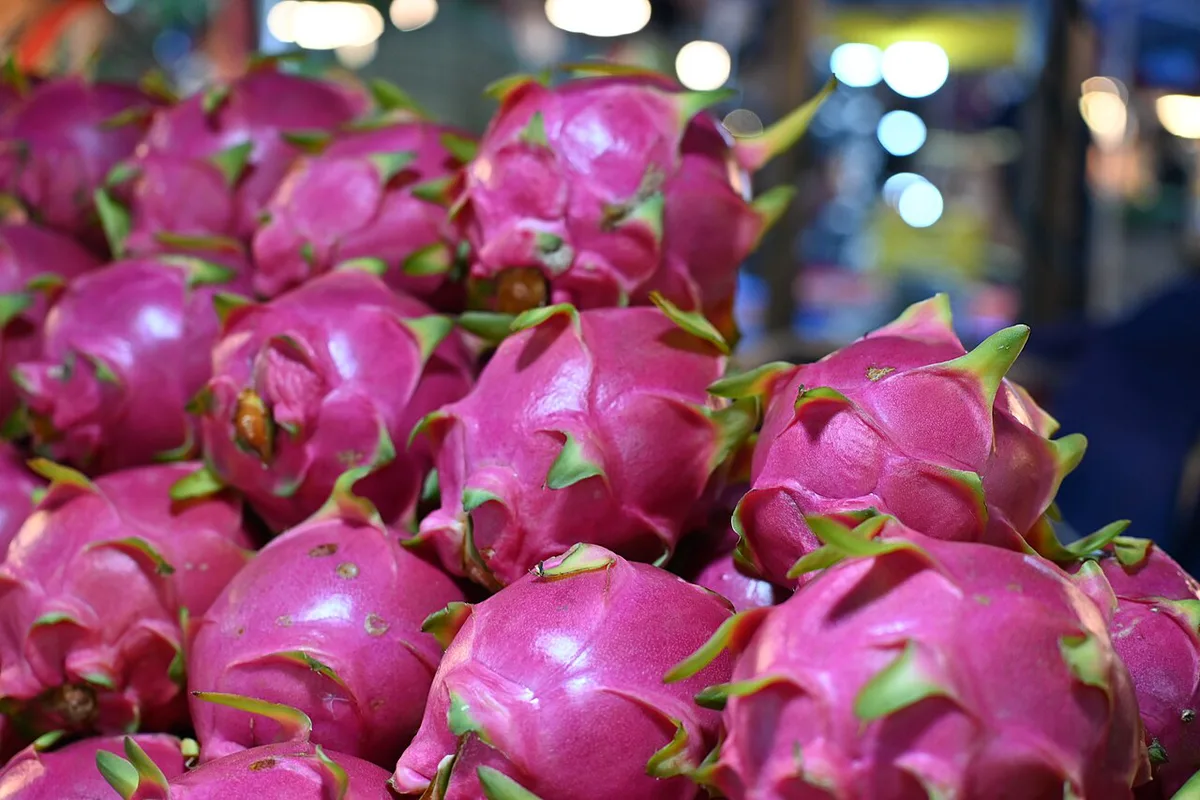
Buy it pre-cut, since a whole fruit is a heavy job. Skip it if sticky fingers bother you. Our jackfruit guide covers sweet and savory uses.
9. Rose Apple (Chomphu)
Rose apple is pear-shaped, with ruby-red skin and crisp white flesh. You eat the skin, and you cut out the seedy core. It is crunchy, lightly sweet and floral, which makes it one of the most refreshing cart snacks on a hot day.
Vendors often cut it up and offer a seasoning dip, which we like with it. Skip it if you want rich, creamy fruit.
10. Guava (Farang)
Thai guava is crisp like a firm pear and only slightly sweet. Peel and seeds usually stay on. Cart vendors sell it all year, so it is the fruit most likely to be there when others are out of season.
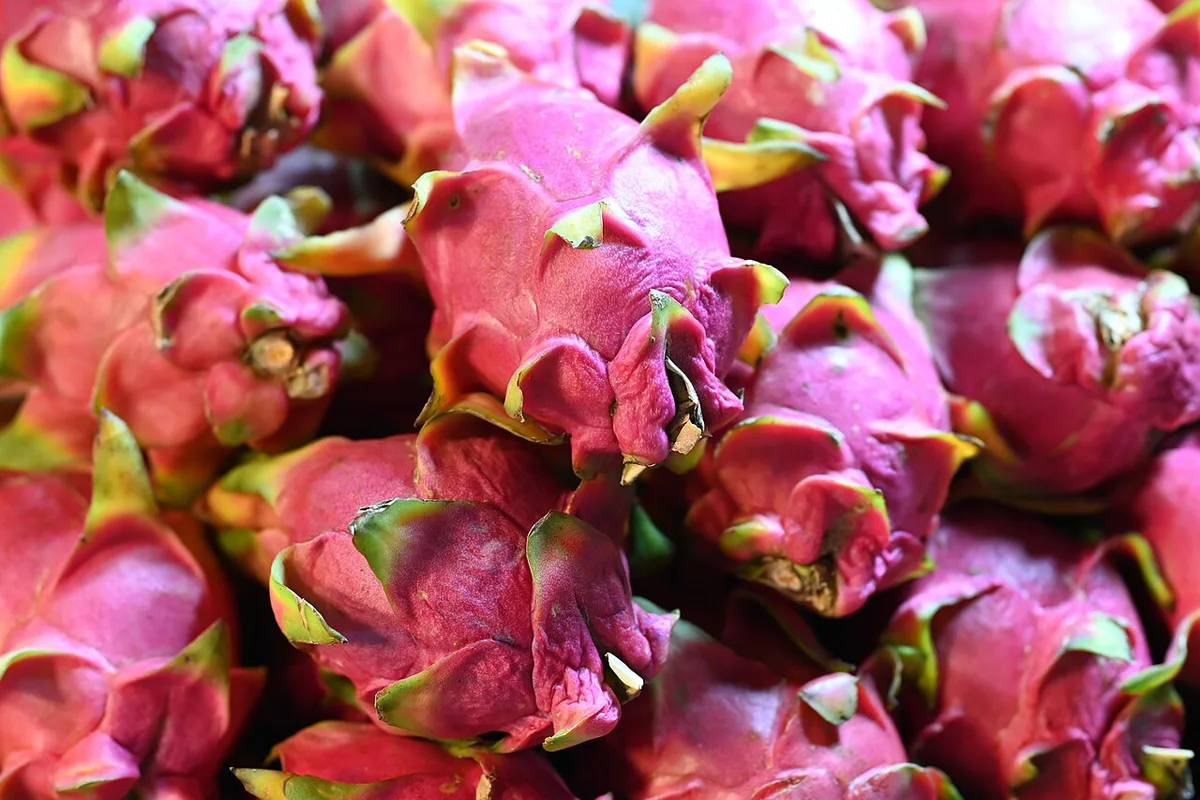
The word farang also means foreigner in Thai, so expect a joke when you order it. Skip it if you want juicy, soft fruit. Pair it with a chili-salt dip instead.
When to Eat What: Thai Fruit Season
Season decides which of these fruits you will find and how good they taste. Availability varies by region and by year, and published month ranges often disagree, so we avoid fixed dates here. Some fruit, such as guava, is sold nearly year-round, while durian and mangosteen come in waves. Our Thai fruit season guide maps the pattern. For the most popular dessert fruit, see when mango is in season. Ask the vendor what is best today, then buy that.
Less-Known Thai Fruits Worth Seeking Out
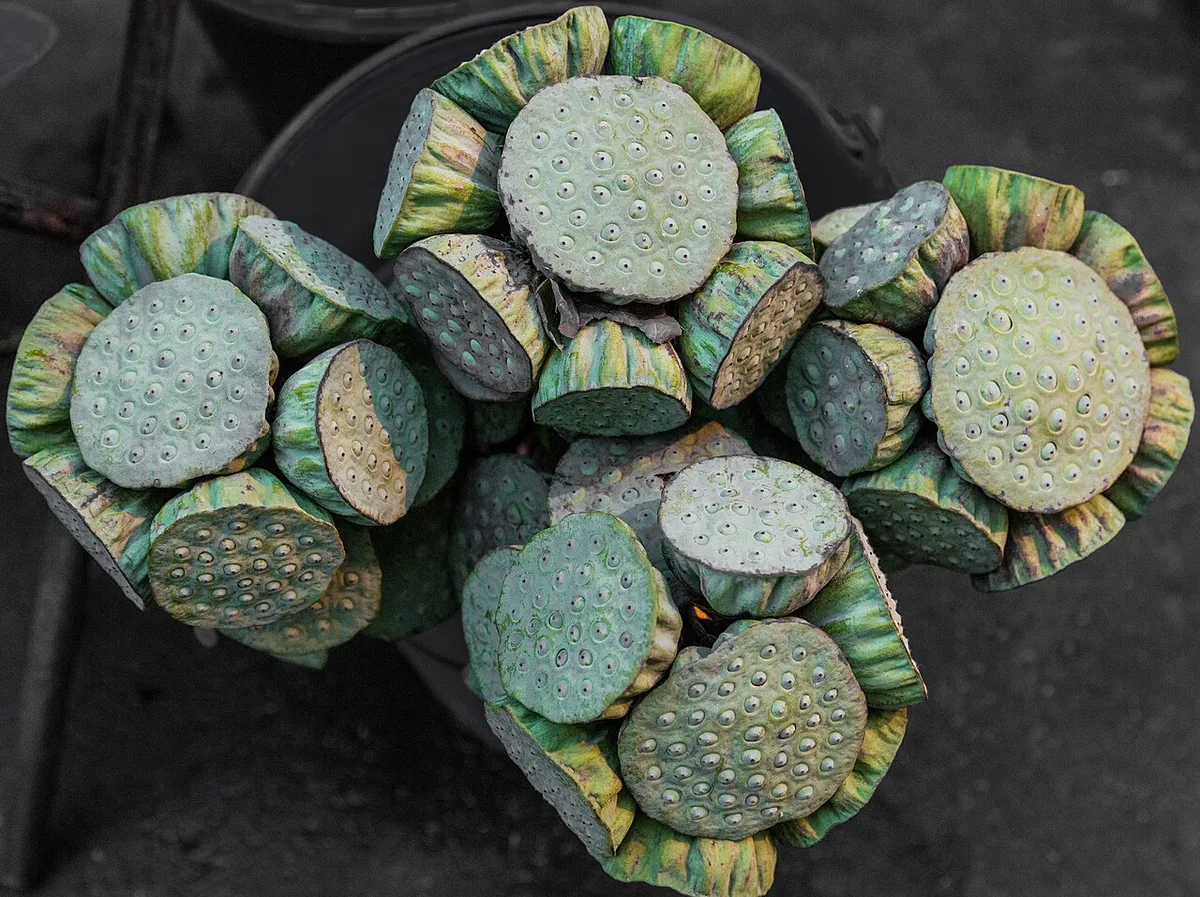
Once the big names feel familiar, try these. Each is a one-snack experiment rather than a meal.
- Salak, or snake fruit, has scaly skin and firm, segmented flesh. Pinch the top and peel it in one go.
- Sugar Apple in Thailand: How to Pick, Ripen and Eat It, known as custard apple, is creamy and sweet with many black seeds.
- Langsat is a small, pale fruit with juicy segments and a sweet-sour taste.
- Santol has a thick skin and sweet, creamy segments around large seeds.
How to Eat Thai Fruit Like a Local
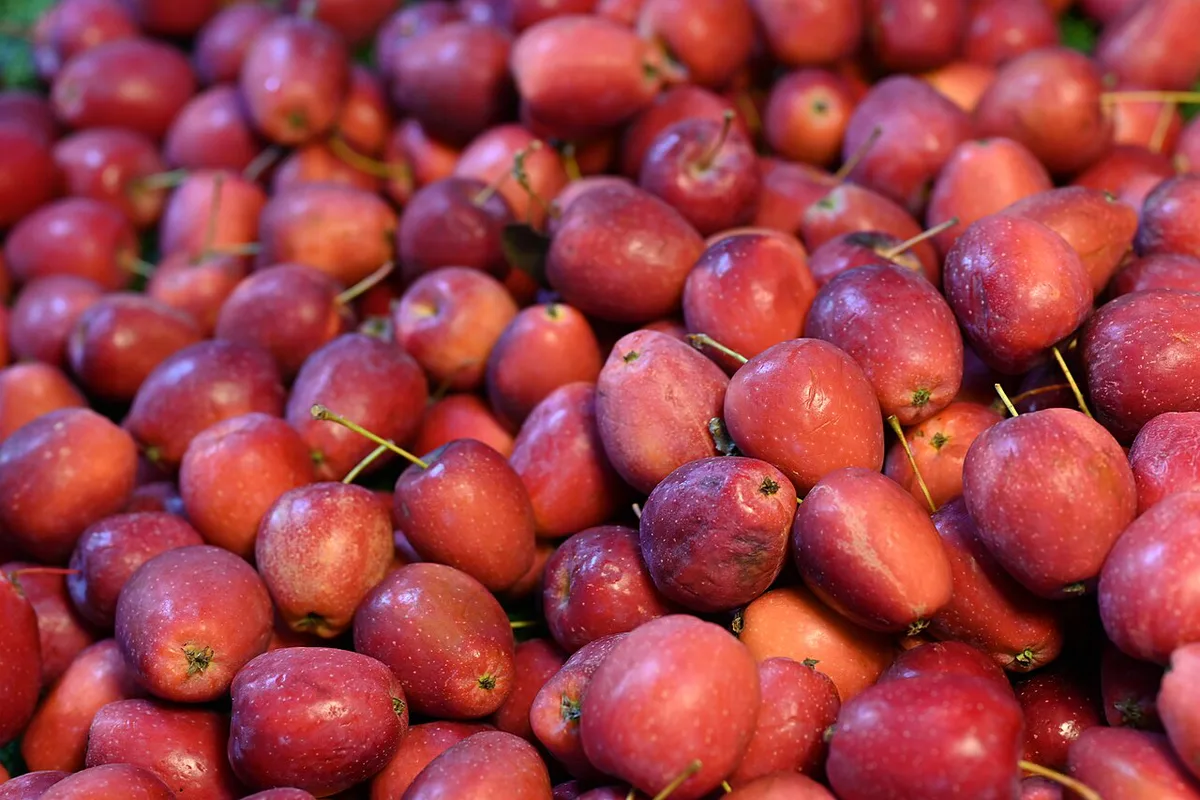
Most vendors will peel and cut fruit for you, then hand it over in a bag with a skewer. Look for fruit carts sitting on ice, which usually sell mango, guava and rose apple. Many vendors then ask if you want a dip. Four common types are prik glua (sugar, salt and chili flakes), prik glua sod (sugar, salt and pounded fresh chilies), a shrimp-paste version, and a plum-powder version. Green mango and guava suit the chili-salt kind. Sweet fruit works fine without. Hard-to-peel fruit such as rambutan and longan is easiest at a hotel buffet, where it is often served already prepared. Shakes and smoothies are the lazy route for dragon fruit and mango.
Where to Buy Thai Fruit and What to Avoid
Street carts are best for cut snacks. Fresh markets suit whole fruit and bunches, and supermarkets suit packed pieces for the room. Buy small amounts, a single bag or a handful, so you can taste before committing. Cheap snacks like guava and rose apple cost little, while durian and out-of-season fruit sit at the premium end. Ask the price before they cut, especially near tourist spots where fruit is not marked. Never carry durian into a hotel room or onto public transport. Wash or peel fruit before eating, and go easy on the sugar if you are sensitive, because ripe mango and longan are very sweet. Skip fruit that looks bruised or has sat in the sun.
For trip-planning details, see Or Tor Kor Market.
Frequently Asked Questions
What fruit is famous in Thailand?
Durian is the best-known, often called the king of fruits. Mangosteen, mango and rambutan are the other names most visitors hear first.
What are some traditional Thai fruits?
Mango, mangosteen, longan, rambutan, pomelo and jackfruit are all staples. Rose apple and guava are everyday cart fruits.
Explore More Guides
Keep planning your trip with these guides.
Guides
- Durian in Thailand
- Mangosteen in Thailand
- Rambutan in Thailand
- Thai Fruit Season: Month-by-Month Guide to What's Ripe
- Mango Season in Thailand
- Longan Fruit in Thailand
- Dragon Fruit in Thailand
- Jackfruit in Thailand
- Pomelo in Thailand
- Salak (Snake Fruit) in Thailand
- Sugar Apple in Thailand
- Langsat Fruit in Thailand
- Santol Fruit in Thailand
- Thai Mango Guide
Thai food notes for your next trip
Optional updates to our food guides.
You might also like


Continue reading
More guides you'll find useful