Sugar Apple in Thailand: How to Pick, Ripen and Eat It
What sugar apple is, how it tastes, how to pick a ripe one at Thai markets, how to eat it, and who should be careful with the seeds and skin.
On this page
Last updated November 2026. Sugar apple is a heart-shaped tropical fruit with knobby green skin and creamy, custard-like flesh, sold in Thailand as noi na. This guide covers how to spot it at a market, judge ripeness, eat it without a mess and handle the seeds safely. It sits within our wider guide to Thai fruits.
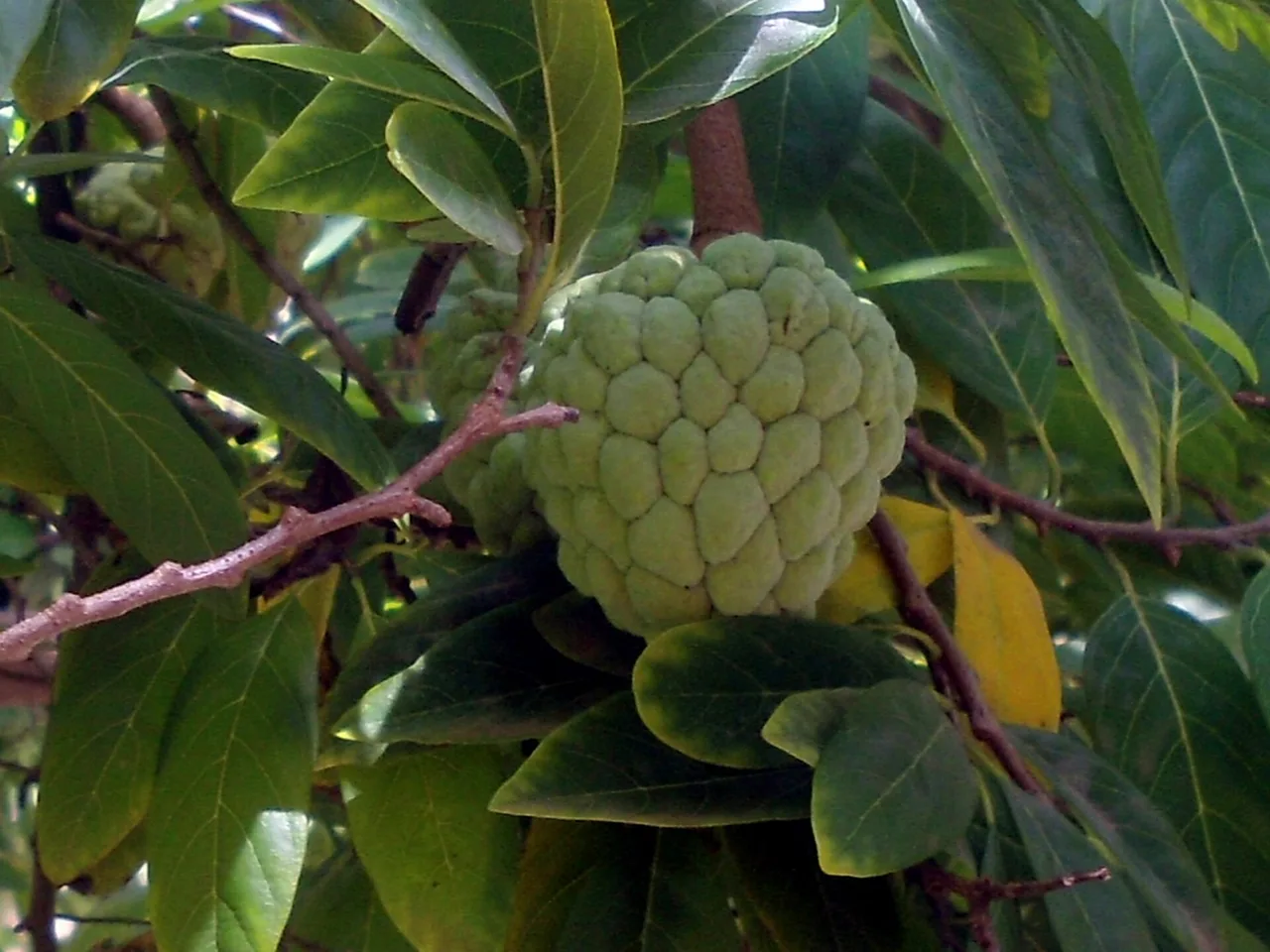
Featured image: Adityamadhav83, CC BY-SA 3.0, via Wikimedia Commons.
What Is Sugar Apple?
Sugar apple (Annona squamosa, family Annonaceae) is also called sweetsop or scaly custard apple. Thai vendors call it noi na. Its tree is native to the West Indies and South America, and today it grows across the tropics and subtropics, including Thailand's central and northeastern growing areas.
You will recognize it by its heart-shaped body and knobby, scaly green skin. Each knob is a segment that separates as the fruit ripens, exposing the pulp inside. A single fruit typically holds 20 to 38 seeds, sometimes more.
Larger fruits at Thai markets are often atemoya, a hybrid of sugar apple and cherimoya. Atemoya has smoother, less deeply segmented skin and a bigger body. Handle and eat it the same way you would a sugar apple.
What Does Sugar Apple Taste Like?
Sweetness comes first, which explains the name. Flesh is juicy, fragrant and distinctly creamy, much like set custard. Some eaters pick up notes of pineapple or banana. Texture is soft and slightly grainy near the seeds, so expect to work around them rather than bite straight through.
Sugar Apple vs Custard Apple, Cherimoya and Soursop
Travelers mix these fruits up constantly. All belong to the Annonaceae family, and "custard apple" is used loosely for several of them. Sugar apple is the knobby, segmented one. Cherimoya has smoother, more fused skin. Soursop is larger, with a spiny green rind and a tangier, more sour flesh.
If seeds and shell effort put you off, easier fruits in the same market are good fallbacks. Peel-and-pop rambutan, segmented mangosteen and thin-shelled longan all take less work.
| Fruit | Texture | Effort to eat | Seed hassle | Best use |
|---|---|---|---|---|
| Sugar apple | Creamy, custard-like, juicy | Medium: break open, scoop or pull segments | High: many seeds to spit out | Chilled dessert snack with a spoon |
| Rambutan | Juicy, translucent flesh | Low: split the hairy skin | Low: one seed | Grab-and-go street snack |
| Mangosteen | Soft, white segments | Low to medium: crack the rind | Low to medium | Careful, slower snacking |
| Longan | Crisp, juicy flesh | Low: crack the thin shell | Low: one seed | Eating by the handful |
How to Pick and Ripen Sugar Apple at a Thai Market
Vendors often sell sugar apple firm so it survives handling, so plan to let it ripen. Use this checklist at the stall.
A fruit that has softened gives you roughly 2 to 4 days of fridge time, so time your purchase.
- Choose fruit free from bruises and major scars.
- Look between the knobs. Green types show a yellowish tint when ripening, and red types turn pinkish.
- Fruit with no color change between the knobs may never ripen properly.
- Press gently. A hard fruit needs time. A softened one is ready.
- Segments that start to separate signal ripeness. A split, weeping or mushy fruit is overripe, so eat it that day or skip it.
How to Eat Sugar Apple
Sugar apple is never cooked. Break open the skin once the fruit has ripened, then lift out the soft segments one at a time. Spit the seeds into a napkin or bowl.
For a cleaner approach, chill the fruit in the fridge for 3 hours or longer. Then scoop the flesh with a spoon. Once a fruit has softened at room temperature, you can refrigerate it for roughly 2 to 4 days.
Expect sticky fingers. Carry napkins and a spoon, and eat it at a table rather than on a bus or train. Rules on bringing fruit into hotel rooms or onto transport vary by property and carrier, so ask before you carry it indoors.
Is Sugar Apple Safe? Seeds, Skin and Who Should Be Careful
Sugar apple is a normal market fruit, but a few precautions apply. Annonacin, a compound studied for its effects on the nervous system, is found in the plant, and it is most concentrated in the seeds and skin. Skin and seed material can also irritate the eyes.
Expect 20 to 38 seeds in a typical fruit, so plan on spitting each one out at the table.
So never eat the seeds or skin, and wash your hands before touching your face. Research has linked heavy, frequent eating of Annona fruits to an atypical form of Parkinsonism, so keep portions moderate. Pregnant readers and anyone with allergies or medical conditions should ask a doctor before eating it.
- Spit out every seed.
- Do not chew or eat the skin.
- Keep juice and seed material away from your eyes.
- Eat moderate amounts, not large quantities daily.
Sugar Apple Nutrition in Brief
Sugar apple is an energy-dense fruit that provides fiber, potassium, magnesium and several B vitamins. Exact values vary by fruit and ripeness, so use a national food-composition database for precise figures. Treat it as a sweet seasonal snack rather than a health product.
When and Where to Find Sugar Apple in Thailand
Look for noi na at fresh markets and fruit stalls in central and northeastern Thailand, where it is grown. Supply is seasonal and shifts by region and year. Our Thai fruit season guide shows what is at its best on your travel dates.
If you want more to try, Thai Mango Guide: Varieties, Season and How to Eat It and jackfruit are easy to find alongside it, while durian suits adventurous eaters.
For trip-planning details, see Sugar-apple.
Frequently Asked Questions
Is sugar apple fruit good for you?
Sugar apple provides fiber, potassium and some vitamins, but nutrition varies and benefit claims are weakly supported. Eat moderate amounts and never eat the seeds or skin.
Where did sugar apples originate?
The tree is native to the West Indies and South America. It is now grown widely across tropical and subtropical regions, including Thailand.
Thai food notes for your next trip
Optional updates to our food guides.
You might also like


Continue reading
More guides you'll find useful