Thai Mango Guide: Varieties, Season and How to Eat It
Nam dok mai vs green mango, when each is in season, how Thais eat them, and how to buy or take mango home.
On this page
Last updated November 2026. If you want one Thai mango to try, start with nam dok mai, the golden, fiberless, honey-sweet variety most visitors mean when they say Thai mango. Thais also eat mango green, crunchy and tart, dipped in a sweet-salty-spicy mix, so the real choice is ripe or green. Our guide sorts the main varieties, shows what to order, and covers buying and taking mango home as part of the wider world of 10 Thai Fruits to Try and When to Eat Them.
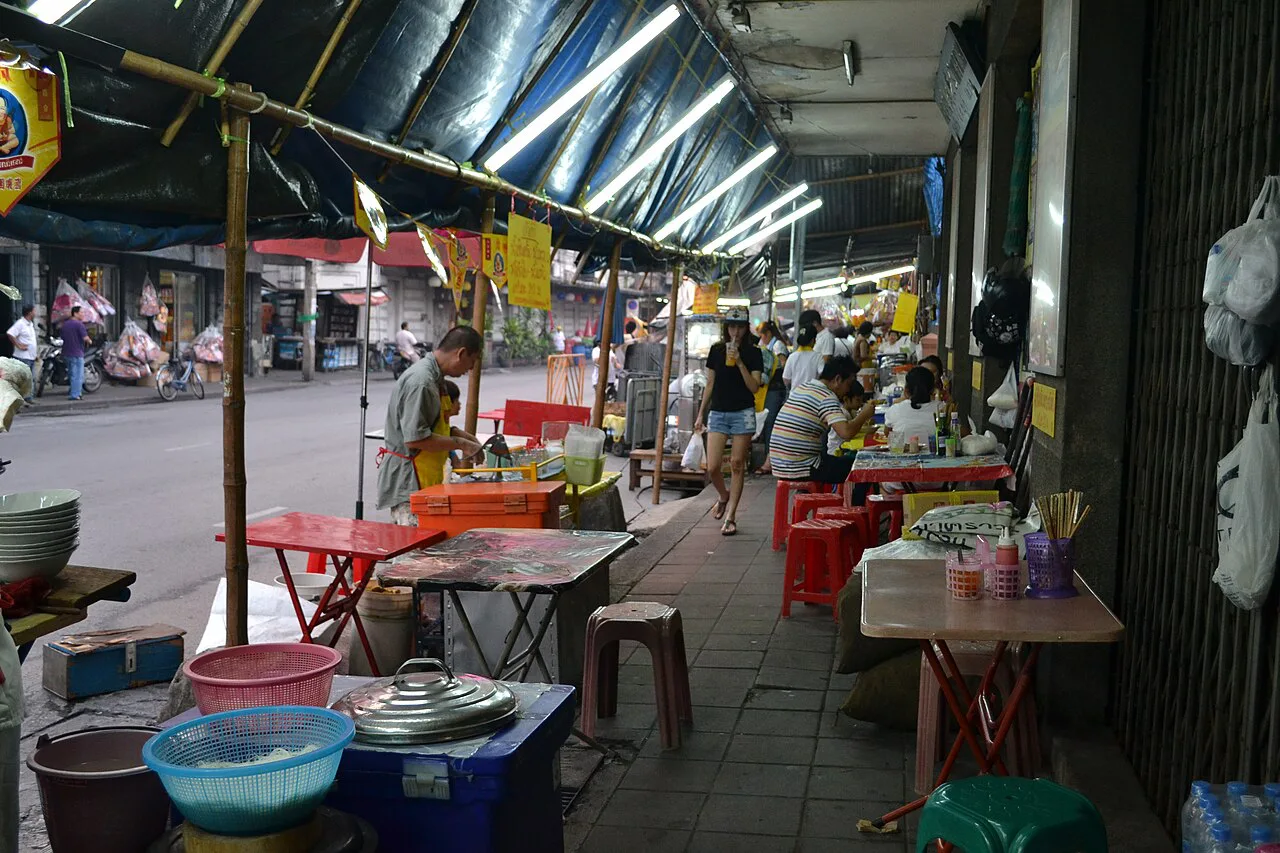
Featured image: One World Thailand, CC BY-SA 4.0, via Wikimedia Commons.
Quick answer: which Thai mango to try
Pick by how you want to eat it. Ripe and sweet means nam dok mai. Green and crunchy means keow savoey. Everything else sits somewhere between those two.
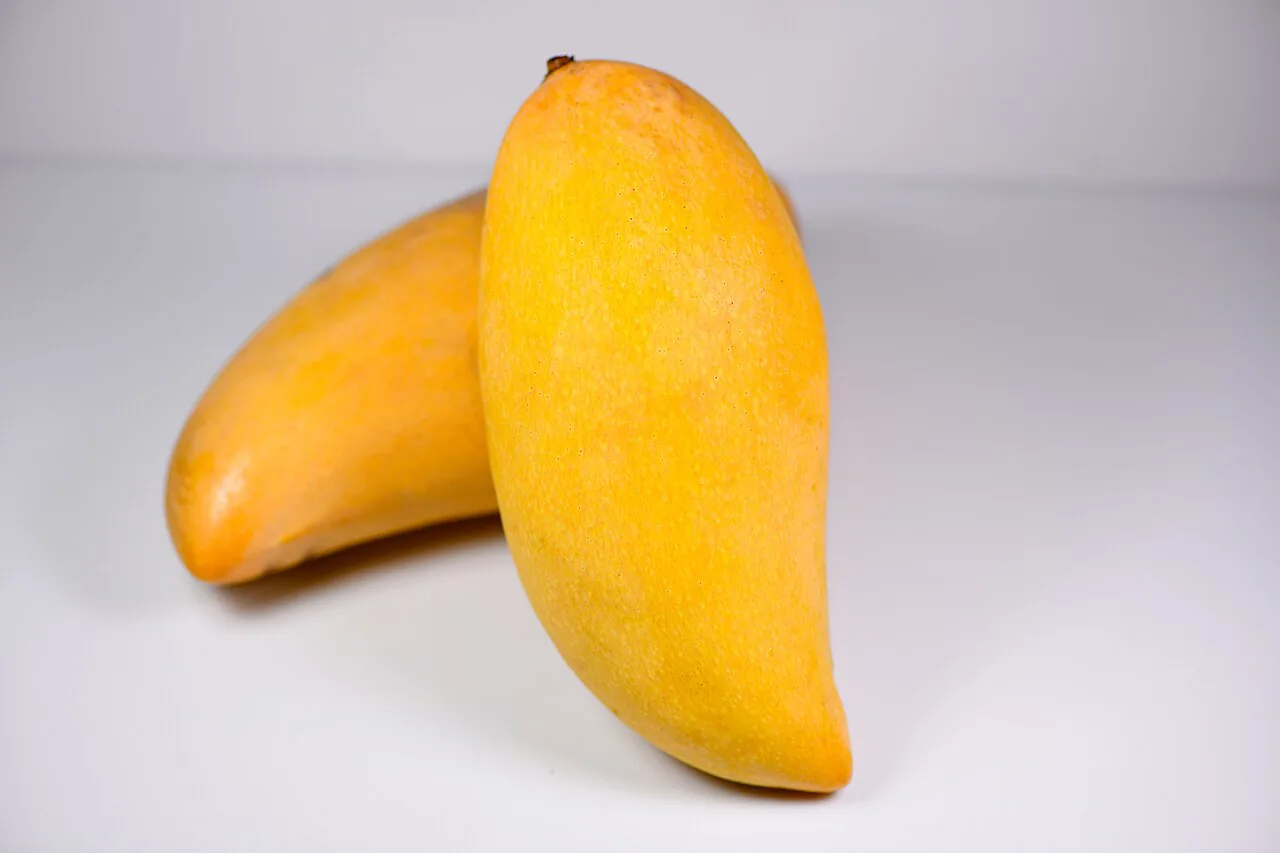
- Nam dok mai: golden-yellow, honey-sweet, floral, with smooth flesh that is not stringy. The classic partner for coconut sticky rice.
- Keow savoey: the green-eating mango. Crisp, tart and mildly sweet, with thin skin.
- Mahachanok: a slim, curved mango with a sweet-sour edge. Often chosen when you want something between crunchy and soft.
- Ok rong, chok anan and raet: sweet mangoes you will see at markets and fruit stalls, usually sold ripe or half-ripe.
Thai mango varieties: how each one eats
Nam dok mai is the benchmark for ripe mango. Its flesh is soft but structured, juicy without turning watery, and it carries a floral scent. That balance suits eaters who normally find mango too sharp or stringy.
Keow savoey is the one to buy for dipping. Its name roughly translates as "green eat", and the skin is thin enough that some people bite it like an apple. Vendors sell it peeled and sliced, ready for a dip. Left to ripen, it turns soft and fruity, and some cooks use it in sticky rice desserts.
Ok rong, chok anan and raet sit in the sweet camp. Vendors often sell them ripe, and half-ripe fruit is common for dipping. Mahachanok has a reputation for tangy-sweet flesh, which makes it a favorite when you want some bite without full green sourness.
Variety names on market signs are usually written in Thai script. Ask the vendor "nam dok mai?" or "keow savoey?" and point to the fruit you want. Most sellers will tell you which is ripe today.
Green vs ripe mango: how Thais eat each
Green mango is a snack and a salad ingredient. Vendors slice it into wedges and hand it over with a small bag of dip. The usual choices are a sweet fish-sauce dip with chili, or plain salt and sugar with dried chili. Fish sauce, vinegar and salt are all common partners for crunchy slices.
Green mango also anchors som tum-style salads, where it is shredded into strips and tossed with herbs, chili and a salty-sour dressing. Its crunch calms spicy rice, noodle and stir-fried dishes.
Ripe mango is dessert. Order mango with sticky rice, called khao niao mamuang. You get slices of nam dok mai beside sweet sticky rice with coconut cream poured over it. Plain sliced ripe mango also turns up as a street snack.
| Green mango | Ripe mango | |
|---|---|---|
| Texture | Crunchy, firm, snappy | Soft, silky, juicy |
| Flavor | Tart to mildly sweet | Honey-sweet, floral, fruity |
| How it is served | Wedges with a sweet-salty chili dip, or shredded in salad | Sliced with sticky rice and coconut cream, or eaten plain |
| Typical varieties | Keow savoey, plus half-ripe mahachanok, ok rong and raet | Nam dok mai, chok anan, ok rong |
| Best for | Spice fans and savory snackers | Dessert lovers and first-timers |
When to eat Thai mango
Ripe, sweet mango is seasonal, and markets fill with golden fruit during the peak. Green mango is easier to find through much of the year. One produce reference says green mangoes are available year-round in Thailand, though peak ripe sweetness is a separate matter. For exact months and regional timing, use our mango season in Thailand guide. Broader fruit timing sits in the month-by-month fruit calendar.
Phichit and Chachoengsao are among the provinces known for mango growing. If your route passes either, ask at local markets what is coming in that week. Locally grown fruit tends to be fresher, and vendors there know their varieties.
Where to buy and eat Thai mango
Four kinds of outlet cover most needs. Fresh markets sell whole fruit by weight, often in several grades. Street carts sell cut fruit in bags, usually with a dip packet. Dessert shops serve mango sticky rice plated. Supermarkets sell whole and pre-cut fruit in sealed containers, which suits anyone who wants to skip bargaining.
Cut-fruit bags are the easy choice for a walk. Whole fruit is better when you have a knife and a fridge. Pick a vendor with a steady queue, since turnover keeps fruit fresh.
- Smell the stem end. Ripe nam dok mai gives off a sweet, floral scent.
- Press lightly. Ripe fruit gives slightly, while rock-hard fruit is still green.
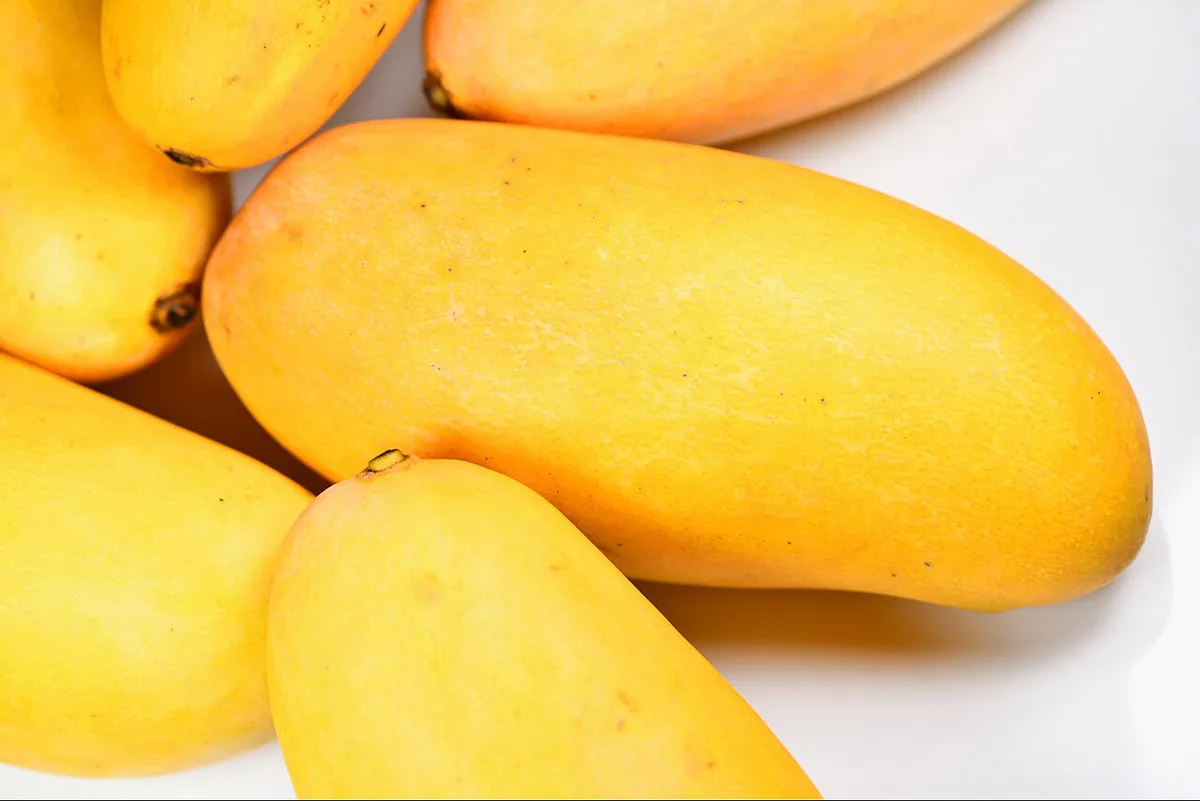
- Check the skin. Nam dok mai turns golden-yellow, and wrinkles or dark soft patches mean it is past its best.
- Ask for "suk" (ripe) or "dib" (unripe) if you want to be sure.
Cost, time and access trade-offs
Prices change by season, variety and location, so these are relative guides. Compare what you get for the money rather than hunting for a number.
| Option | Cost level | Best for | Trade-off |
|---|---|---|---|
| Street cart cut fruit | Cheap | Quick snack, green mango with dip | Limited choice of variety |
| Market whole fruit | Cheap to mid | Picking your own ripe fruit | Needs a knife and a place to eat it |
| Dessert-shop mango sticky rice | Mid | A full ripe-mango dessert | Sit-down stop; best in peak ripe season |
| Dried mango | Mid | Taking home, long trips | Sweeter and chewier than fresh fruit |
Taking mango home
Rules for fresh fruit depend on your destination. Many countries restrict or ban fresh fruit in luggage, and some require treatment or inspection certificates. Check your own country's agriculture and customs agency before you pack, and ask the Thai Department of Agriculture about export requirements if you plan to carry a large quantity.
Dried or packaged mango is the practical option. It travels well, avoids ripeness problems and usually faces fewer restrictions than fresh fruit, though you still need to declare it where required.
Mistakes to avoid
Buying hard fruit for dessert is the common one. If it feels firm and smells faint, it is a green mango, not a ripe one. Ask the vendor which fruit is ready to eat today.
Another slip is accepting a dip without asking about heat. Say "mai phet" (not spicy) if you want it mild. Finally, do not pair soft ripe mango with a chili-salt dip. Keep the dip for crunchy fruit.
Nutrition and health
Mangoes contain fiber and vitamins, and green mangoes appear to contain a similar range of nutrients. Green Thai mangoes have not been extensively studied, so treat nutrition claims cautiously. For specific figures or dietary concerns, consult an official nutrition database or a doctor.
What to try after mango
Mango is only one stop on a fruit-tasting route. Next on most lists is the notorious durian guide fruit. Easier choices are mangosteen and hairy rambutan. For smaller side tastes, look at longan, pomelo and jackfruit.
For trip-planning details, see Mango.
Frequently Asked Questions
Is green mango sweet?
Green mango is mostly tart and crunchy, with a mild sweetness in varieties like keow savoey. Thais usually balance it with a sweet, salty and spicy dip. Left to ripen, the same fruit turns soft and sweeter.
What are the differences between Nam Doc Mai and Mahachanok mangoes?
Nam dok mai is golden, honey-sweet and fiberless, and it is the standard choice for ripe mango and sticky rice. Mahachanok is slimmer and tangier, which makes it popular when you want sweet-sour flesh with some firmness.
Is the mango tree Thai?
Mangoes have been cultivated in Thailand since ancient times, and Thai varieties such as nam dok mai and keow savoey are now grown and sold well beyond the country. The species itself, Mangifera indica, is a tropical evergreen tree.
Thai food notes for your next trip
Optional updates to our food guides.
You might also like


Continue reading
More guides you'll find useful