Thai Food History: Origins, Influences and a Timeline
How did Thai food develop? Trace Chinese, Indian, Portuguese and regional influences through a timeline, and see where to taste each layer.
On this page
Last updated November 2026. Thai food history reads as a set of layers: rice-and-fish foundations, later Chinese, Indian and Persian-linked arrivals, then chili from the Americas. Each layer survives in specific dishes, and our guide to Thai Food Culture: 7 Things That Define How Thailand Eats shows how they fit together today.
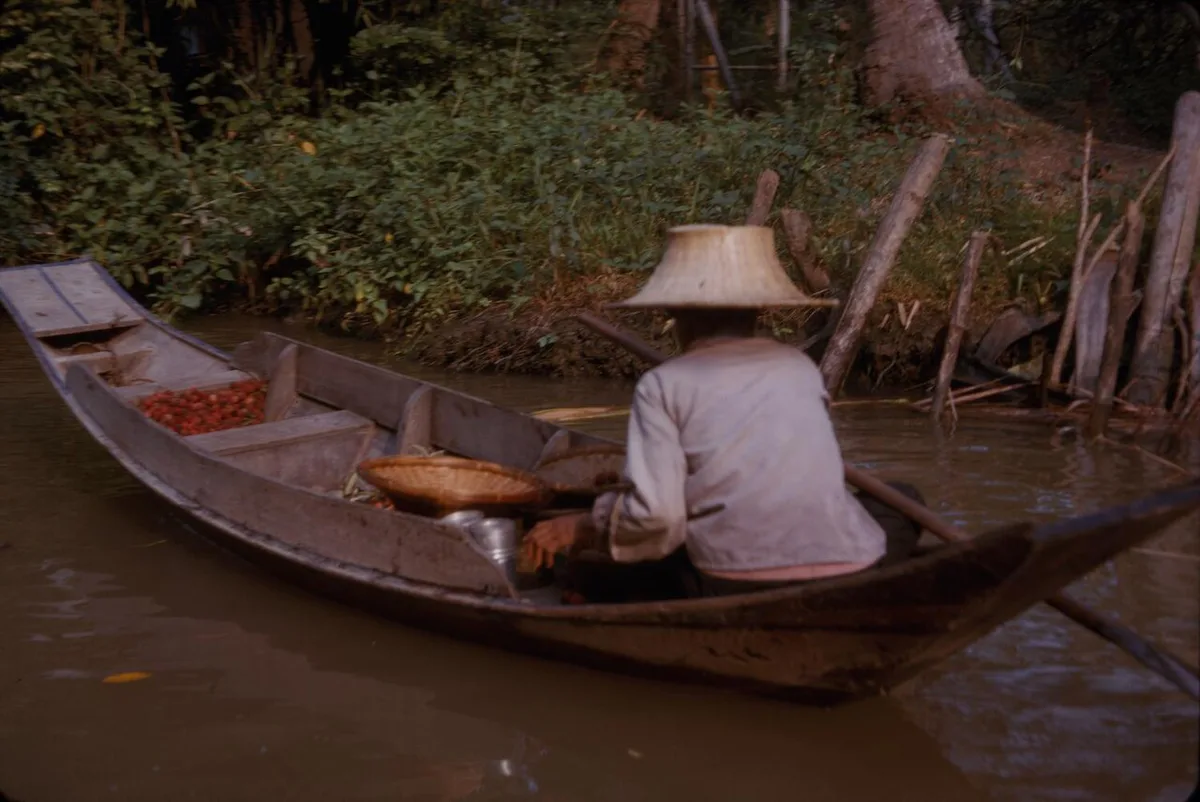
Featured image: USMC Archives from Quantico, USA, CC BY 2.0, via Wikimedia Commons.
Thai food history in short: where the cuisine comes from
Thai cuisine grew from local rice farming, freshwater fish and aromatic herbs. Traders and migrants then added techniques and ingredients across centuries. Exact dates are often fuzzy, so this guide marks which claims are well documented and which are debated.
- Foundations: rice, freshwater fish, fish sauce and herbs such as galangal and lemongrass.
- Chinese layer: noodles, soy sauce and stir-frying.
- South Asian and Persian-linked layer: spice blends and richer curries such as massaman.
- New World layer: chili, which arrived after European contact.
Thai food timeline at a glance
Use this table as a map. Periods stay broad on purpose, because food history rarely has clean start dates.
| Era | What changed | Still visible in |
|---|---|---|
| Early foundations | Rice farming, freshwater fish, fermented fish sauce, local herbs | Steamed rice, nam pla, herb-heavy soups |
| Trade and migration | Chinese, Indian/South Asian and Persian-linked cooks and merchants add techniques and spices | Noodle shops, curry pastes, massaman |
| European contact | Portuguese traders and missionaries link Siam to New World crops, chili above all | Nam prik, som tum, fiery curries |
| Court and village | Palace kitchens refine dishes while village cooking stays seasonal and local | Delicate central dishes versus rustic regional fare |
| Modern era | Standardized menus, street-food culture and export of Thai restaurants | Pad thai stalls, global Thai menus |
Foundations: rice, fish and herbs before outside influences
Rice sits under almost every Thai meal. Central Thailand leans toward jasmine rice, while sticky rice is a staple in the Northeast, as regional rice differences show. Rivers and paddies supplied freshwater fish, and fermenting that fish into nam pla gave Thai cooking its salty backbone. Local aromatics came next. Galangal, lemongrass and kaffir lime leaf anchor soups and pastes, and our guide to Thai Herbs: A Practical Guide to the Fresh Herbs in Thai Cooking covers each one. Cooks then balanced these tastes across five poles: sweet, salty, sour, spicy and bitter.
What Chinese, Indian, Persian-linked and Portuguese influences added
Chinese migration is the easiest layer to taste. Noodles, soy sauce and quick stir-frying over high heat all trace to Chinese kitchens. For a side-by-side look, read Thai versus Chinese cooking. South Asian trade brought spice habits, and curries were adapted rather than copied. Our comparison of Thai and Indian cuisine separates the two. Massaman is usually described as Persian- and Indian-influenced, with potatoes, peanuts and coconut milk.
| Influence | What it brought | Example dishes | Evidence |
|---|---|---|---|
| Chinese | Noodles, soy sauce, stir-frying | Pad see ew, noodle soups | Well documented |
| Indian/South Asian | Dried spices, curry technique | Curries built on pastes | Commonly claimed; details debated |
| Persian-linked | Rich, mild, spiced curry style | Massaman curry | Commonly claimed |
| Portuguese/New World | Chili and other American crops | Nam prik, som tum | Well documented; date debated |
| Lao/Isaan | Sticky rice, grilled meats, pounded salads | Som tum, laab | Well documented as shared culture |
| Malay/Southern | Coastal seafood and sour, hot curries | Gaeng som, satay | Commonly claimed |
Chili and the New World ingredients: what changed in the kitchen
Chili is a New World crop, so it reached Thailand only after European contact. Portuguese traders are commonly linked to its arrival through Ayutthaya in the 1500s. Other accounts name Portuguese missionaries and a later century, so sources vary. Before chili, heat likely came from peppercorns and ginger. Within a few generations, chili became central to pastes, dips and salads. Our guide to Thai Spices Guide: Key Flavors, Heat and What to Try shows how cooks now control that heat.
Royal court versus village cooking
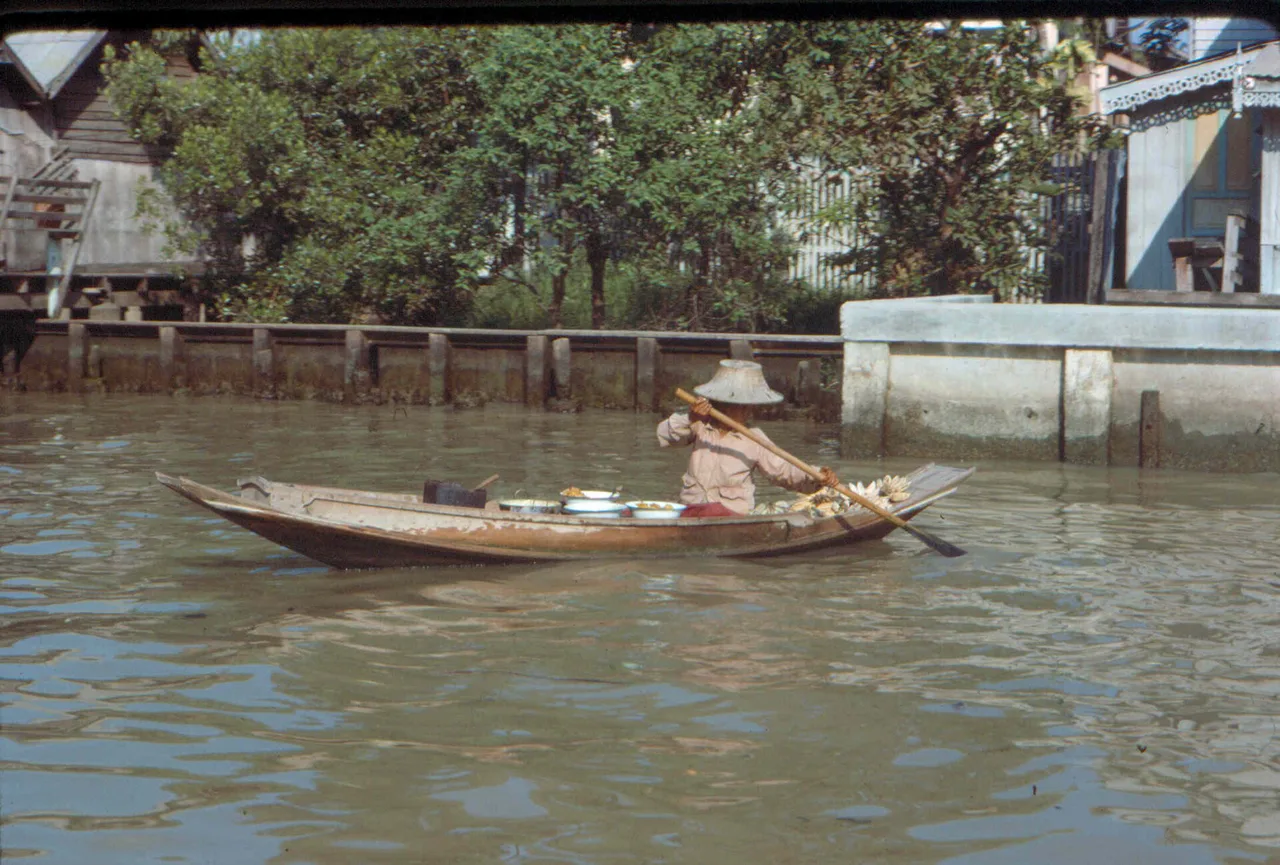
Ayutthaya and the central plains sat on river trade routes, so ingredients and cooks circulated there early. Court kitchens are generally described as refining dishes through finer cutting, careful presentation and milder, more balanced seasoning. Village cooking stayed tied to what paddies, rivers and gardens supplied. Both styles share the same pantry. Court cooking polished it, and village cooking kept it blunt and seasonal.
Regional histories: Northern, Isaan, Central and Southern
Geography and neighbors explain regional differences. Each region below links a dish to its historic reason. Our parent guide to Thai Food Culture: 7 Things That Define How Thailand Eats goes deeper on each.
- Northern: khao soi and sai ua, shaped by upland ingredients and neighboring cuisines.
- Isaan: som tum and laab, reflecting long-shared Lao-Thai food culture and sticky rice.
- Central: balanced curries and stir-fries, shaped by court cooking and river trade.
- Southern: fiery seafood and sour curries, shaped by coastal supply and Malay and Indian contact.
Myths and oversimplifications about Thai food history
Popular retellings flatten a complicated record. Treat sweeping claims with caution, including those on restaurant menus. For official heritage listings, browse UNESCO's intangible heritage lists. Neighbors also differ in telling ways, which Thai versus Vietnamese food explores.
| Common claim | Better framing |
|---|---|
| All Thai curries are Indian | Curry ideas traveled, but Thai pastes use local herbs and coconut milk |
| Any non-spicy Thai dish is Chinese | Many mild dishes are Chinese-influenced, but not every one |
| Portuguese missionaries brought chili in the 17th century | Chili arrived after European contact; the exact date and agent are debated |
| Isaan food was simply Lao food before 1907 | Isaan and Laos share a long food culture that predates modern borders |
| Pad thai is ancient | Treat pad thai origin stories cautiously; the record is thin |
Taste the history in Thailand: a practical guide
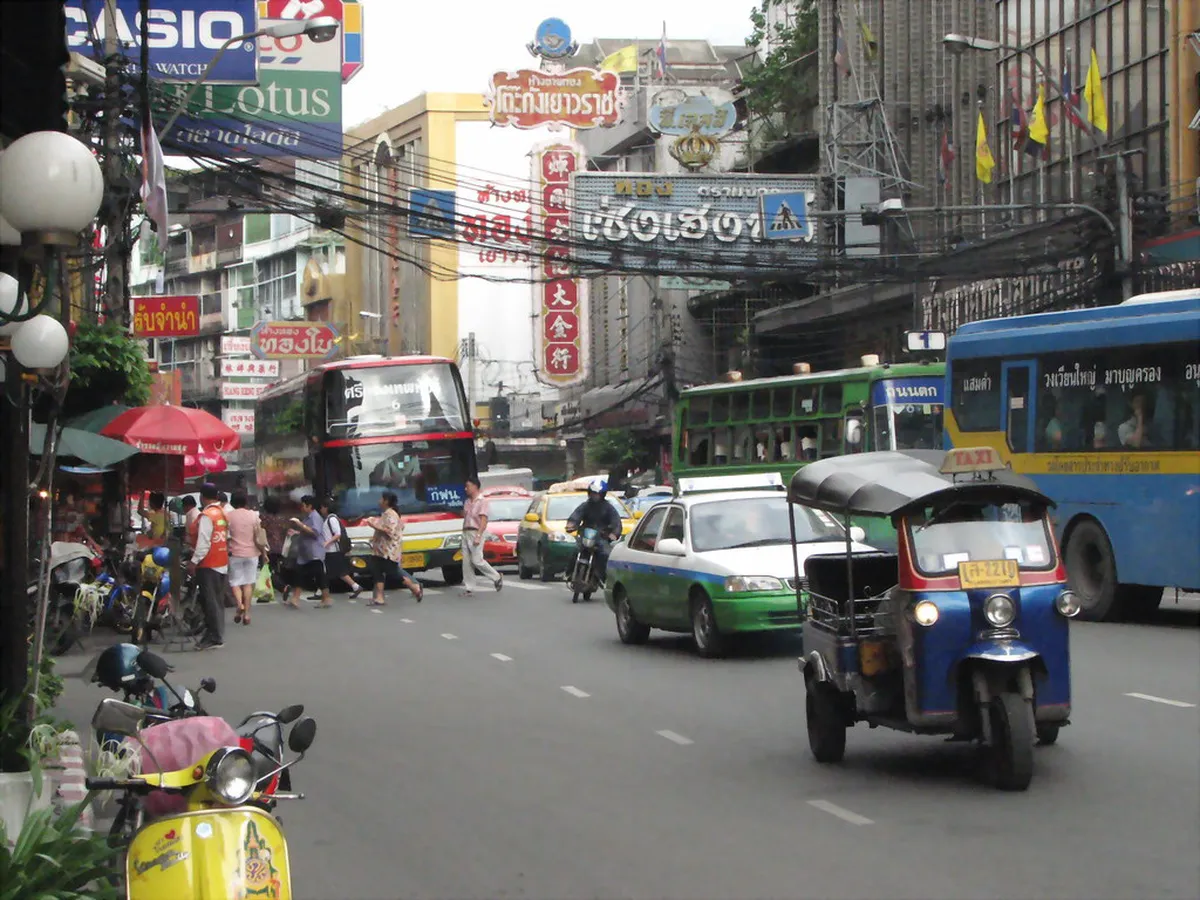
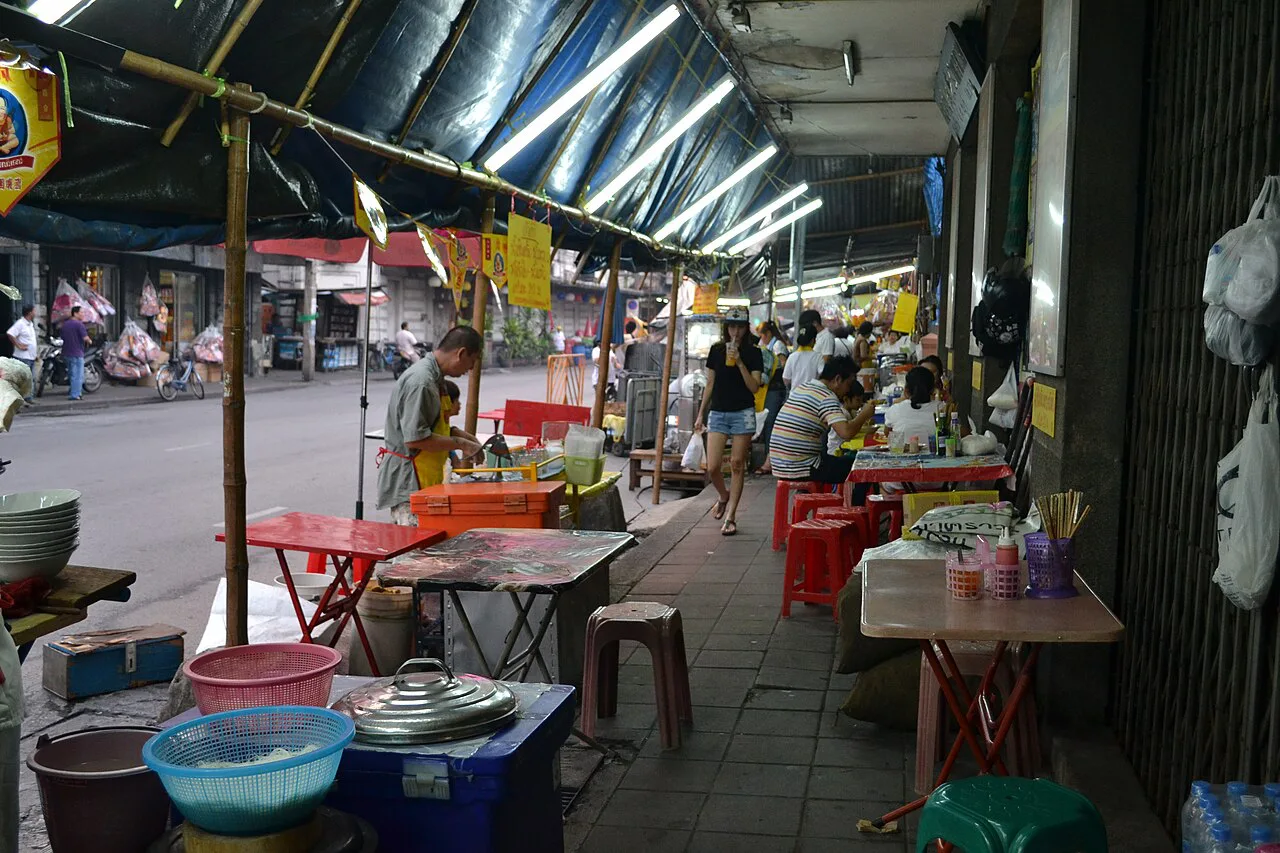
Match each era to a place. Old Bangkok and Chinatown suit Chinese-influenced noodles and stir-fries. Ayutthaya and the central plains suit court-style and river-trade dishes. Isaan is the place for som tum and laab, and the South for Malay- and Indian-influenced curries. Ask for less chili if you are new to the heat, and expect some dishes at room temperature on purpose. Vegetarian and halal options vary by stall, so ask each cook directly. Our guide to Thai Eating Habits: Sharing, Rice, Spoon & Fork explains how shared dishes arrive. Prices and hours checked November 2026 are not listed here because they change by venue.
| Option | Best for history | Time needed | Cost level |
|---|---|---|---|
| Street stalls | Chinese noodles, Isaan salads | Short | Low |
| Cooking class | Pastes, herbs and technique | Longest | Mid to high |
| Sit-down restaurant | Court-style and regional curries | Moderate | Mid |
Frequently Asked Questions
Does Thailand have Thai food?
Yes, and it varies by region. Northern, Isaan, Central and Southern kitchens each have signature dishes. Menus abroad are often simplified versions of a few central dishes.
What is the national food dish of Thailand?
Thailand has no single official dish. Pad thai is the one most often named, especially abroad. Locals tend to point to regional favorites such as som tum or green curry.
Thai food notes for your next trip
Optional updates to our food guides.
You might also like
Continue reading
More guides you'll find useful