Thai Food vs Japanese Food: Key Differences & How to Choose
Thai vs Japanese food compared on flavor, ingredients, spice, cooking methods, dining style and diet fit, plus what to order in each.
On this page
Last updated November 2026. In the thai food vs japanese food question, Thai cooking layers sweet, sour, salty and hot flavors with fresh herbs. Japanese cooking leans toward restraint, seasonal produce and letting the main ingredient speak. Pick Thai for bold, adjustable heat and shared plates, and Japanese for clean, quiet flavors and individual set meals.
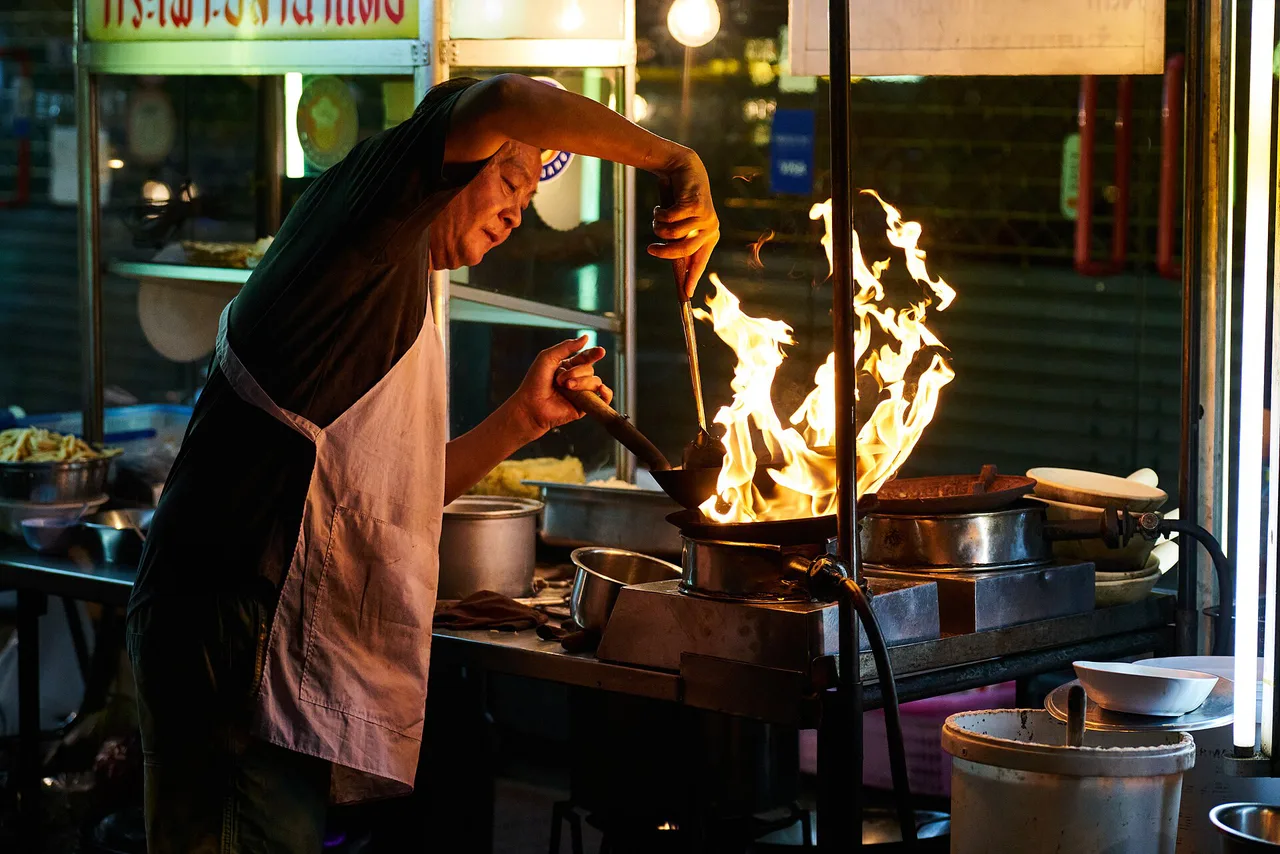
Featured image: Takeaway, CC BY-SA 3.0, via Wikimedia Commons.
Thai Food vs Japanese Food: Quick Verdict
Thai food builds flavor by stacking contrasts in one dish. Japanese food usually seasons lightly and lets freshness lead. Both cuisines are regionally diverse, so treat every row below as a tendency, not a rule. Prices and hours in this guide were checked November 2026.
| Feature | Thai | Japanese |
|---|---|---|
| Flavor philosophy | Balance of sweet, sour, salty, hot | Restraint, umami, natural taste |
| Heat | Common and adjustable | Mostly an accent (wasabi, togarashi) |
| Key seasonings | Fish sauce, chili, lime, palm sugar | Soy sauce, miso, mirin, dashi |
| Signature techniques | Pounding pastes, wok frying, grilling | Raw preparation, simmering, tempura |
| Meal format | Shared dishes with rice | Individual set meals or courses |
| Best for | Big flavors and spice lovers | Light, subtle, seasonal eating |
Flavor Philosophy: Balance vs Restraint
A Thai dish aims to hit several notes at once. Lime, fish sauce, sugar and chili can all appear in a single salad. Tables often carry a condiment caddy so you can tune each plate yourself. Japanese cooks tend to season before serving. Dashi, soy sauce and miso supply umami, and the dish arrives already finished. Washoku, the traditional Japanese food culture, is on UNESCO's intangible heritage lists. Loose pairing: tom yum is sharp, hot and sour, while miso soup is mellow and savory.
Core Ingredients and Seasonings
Thai pantries run on fresh aromatics: lemongrass, galangal, kaffir lime leaf, Thai basil and chili. Coconut milk, fish sauce, palm sugar and shrimp paste add richness and depth. Our guide to Thai Herbs: A Practical Guide to the Fresh Herbs in Thai Cooking covers the greens in detail. Japanese pantries lean on fermented and cured staples. Soy sauce, miso, mirin, sake, rice vinegar and dashi made from kombu and bonito form the base. Wasabi is the sharp finishing touch. For the dry side of the Thai kitchen, see Thai Spices Guide: Key Flavors, Heat and What to Try.
Cooking Methods and Technique
Thai cooks pound curry paste in a mortar, then fry it in coconut cream. Wok stir-frying and charcoal grilling are everyday methods. Japanese kitchens prize knife work, raw fish preparation, gentle simmering and light tempura batter. Grilling overlaps: Thai grilled meat skewers and Japanese yakitori both rely on direct heat and a good sauce or marinade. The difference is the finish. Thai grills arrive with a spicy dipping sauce, while yakitori is often just salt or tare glaze.
Spice and Heat
Chili shows up in most Thai dishes, but the level is adjustable. Japanese heat is usually a side note. Never assume all Thai food is hot, since many curries and stir-fries are mild. Likewise, some Japanese dishes carry strong flavors, such as pickles and fermented soybeans. Use these phrases to steer the heat:
- Thai, less heat: ask for "mai phet" (not spicy) or "phet nit noi" (a little spicy).
- Thai, more heat: ask for "phet mak" (very spicy) and expect it to bite.
- Japanese, more heat: add wasabi, karashi mustard or shichimi togarashi at the table.
- Japanese, less heat: skip the wasabi in sushi by asking for "sabi-nuki".
Rice, Noodles and Staples
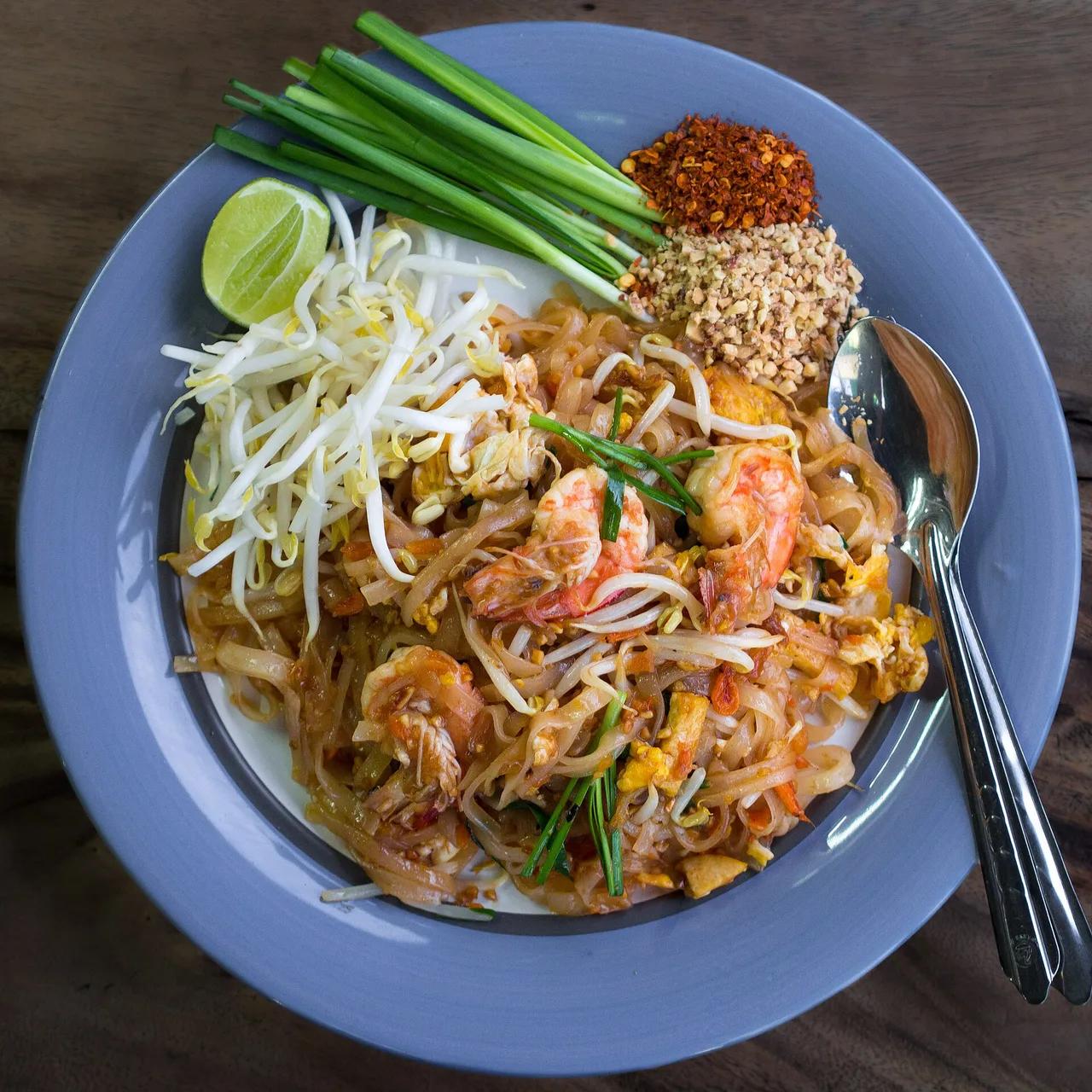
Rice anchors both cuisines. Thailand favors fragrant jasmine rice, with sticky rice common in the north and Isan. Japan uses short-grain rice that clumps for chopsticks and sushi. Thai noodles are mostly rice-based, as in pad thai. Japanese noodles include wheat udon and ramen plus buckwheat soba. Street food culture, grilled skewers and fermented seasonings run through both countries. For another neighbor, compare Thai and Vietnamese cooking.
Meal Format and Dining Etiquette
Thai meals are communal. Several dishes land together, and everyone spoons portions over rice using a spoon and fork. Our notes on Thai Eating Habits: Sharing, Rice, Spoon & Fork explain the setup. Japan favors individual trays, such as teishoku set meals, or multi-course dining. Izakaya are the exception, since small plates are shared with drinks. For wider context, read about Thai Food Culture: 7 Things That Define How Thailand Eats. Etiquette details differ by venue, so follow what staff and neighboring diners do.
Regional Variety
Thailand's cooking splits into four broad regions: northern, Isan, central and southern. The north is herbal and mild with sticky rice. Isan is spicy and sour, with papaya salad and grilled meat. Central Thailand balances flavors, and the south brings rich curries and seafood. Japan also changes by region, from coastal seafood to inland noodle and pickle traditions. For Thailand's neighbors to the north, see Thai and Chinese food compared.
Health, Diet and Allergy Fit
Neither cuisine is simply healthier. Both can be light or heavy depending on the dish. Sodium and sugar vary widely, so judge by what is on your plate. Hidden ingredients matter more than labels:
- Fish sauce and shrimp paste appear in many Thai dishes, even vegetable ones. Ask for "jay" (vegetarian) food.
- Dashi contains bonito, so miso soup is often not vegetarian.
- Soy sauce contains wheat, which matters for gluten-free diets.
- Shellfish is common in Thai curries and pastes. Sushi adds raw fish, so allergy-sensitive diners should ask staff directly.
Cost and Access: Eating Each Cuisine in Thailand
Inside Thailand, local food is usually the cheaper route. A noodle or rice dish at a street stall typically runs about ฿50–฿100. A sit-down Japanese restaurant meal often runs about ฿300–฿800 per person. Authenticity varies, and Japanese food in Thailand is not equal to eating in Japan. These are rough typical ranges, so check the menu board before ordering.
A solo eater at a street stall pays ฿50–฿100 for one plate, skipping the shared dishes that a Thai table relies on.
| Option | Typical cost per person | Format |
|---|---|---|
| Thai street stall | ฿50–฿100 | Single plate or noodle bowl |
| Thai local restaurant | ฿150–฿350 | Shared dishes with rice |
| Japanese restaurant in a Thai city | ฿300–฿800 | Set meal or sushi plates |
Which One Should You Choose?
Choose by what you want from the meal, not by reputation. Thai suits spice lovers and groups who like to share. Japanese suits quiet, ingredient-led meals and diners who like their own portion.
- Want heat and herbs: order Thai, such as som tam or a green curry.
- Want clean, light flavors: order Japanese, such as grilled fish with miso soup.
- Eating vegetarian: ask clearly in either cuisine, since fish-based stocks hide everywhere.
- Dining in a group: Thai sharing plates are easy to split.
- Short on budget in Thailand: eat Thai at local stalls.
Frequently Asked Questions
What is different about Thai food?
Thai food layers sweet, sour, salty and hot flavors in one dish, using fresh herbs like lemongrass and galangal. Heat is adjustable, and meals are shared with rice. Japanese food usually seasons more lightly and serves dishes individually.
Thai food notes for your next trip
Optional updates to our food guides.
You might also like

Continue reading
More guides you'll find useful