Thai Food vs Chinese Food: Key Differences (and Where They Overlap)
How Thai and Chinese food differ in flavor, spice, ingredients and cooking, where they overlap in Thailand, and which to order.
On this page
Last updated November 2026. Thai food vs Chinese food comes down to structure: Thai cooking balances sweet, sour, salty, hot and herbal notes inside one dish, while Chinese cooking changes sharply by region and leans on sauces, technique and dough. In Thailand you can taste both on one street, because Chinese-descended cooks shaped many of the country's noodle shops. This guide shows how to tell them apart and what to order.
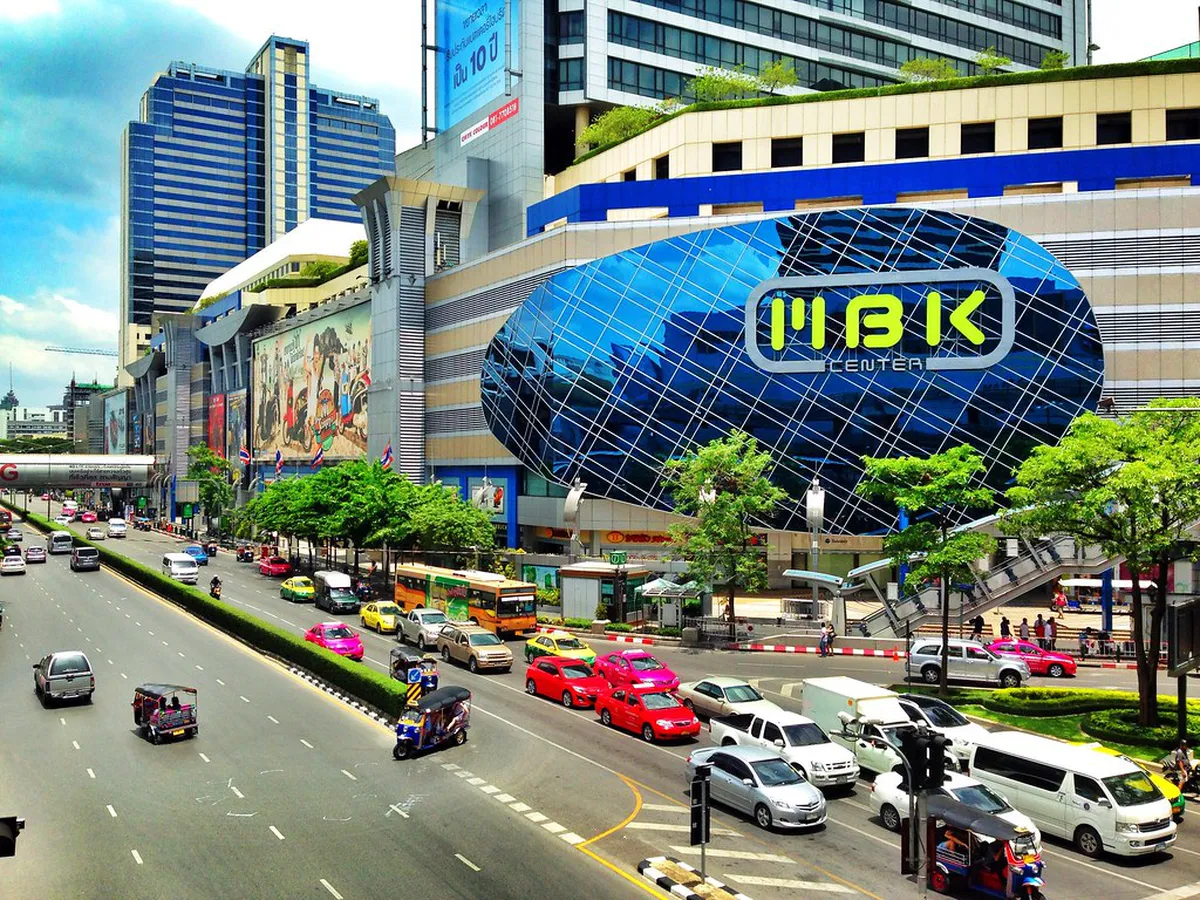
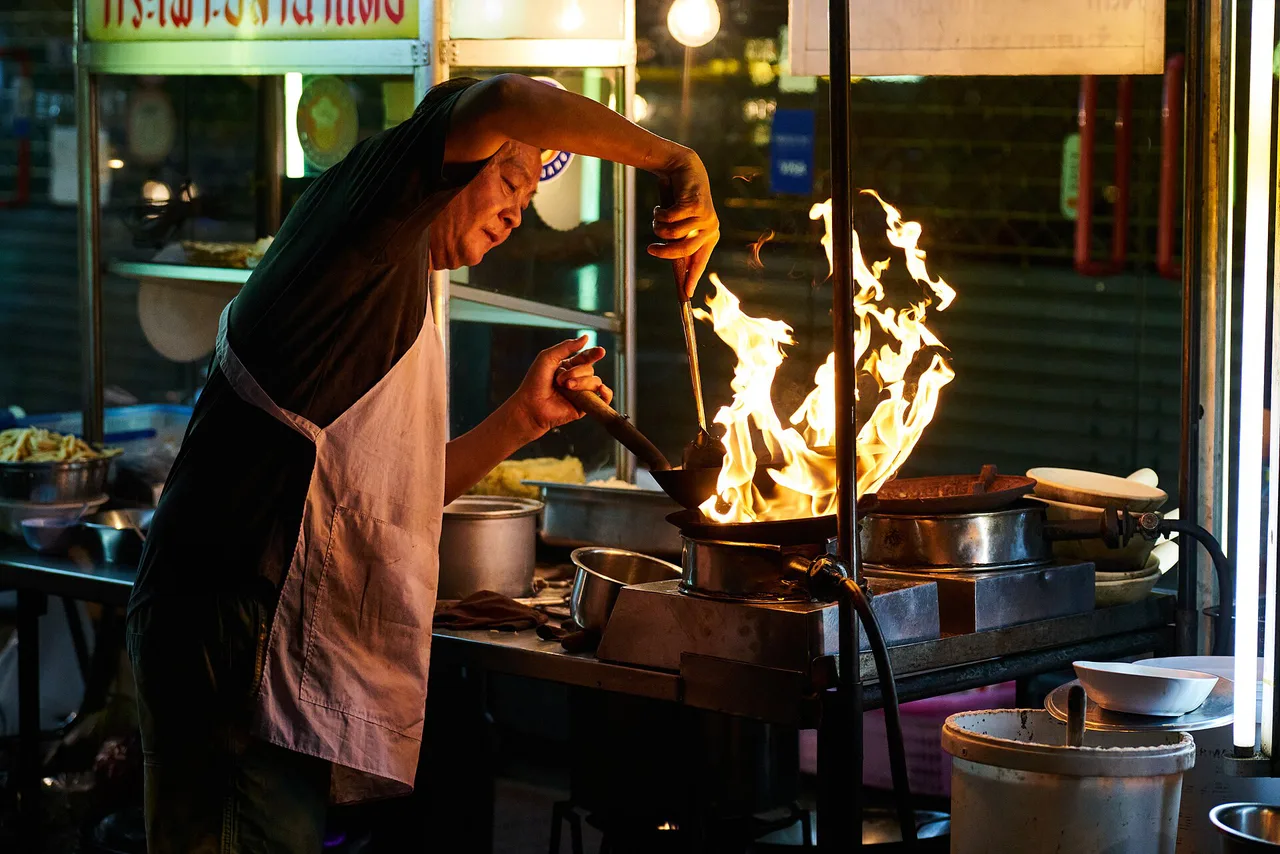
Featured image: Marcin Konsek, CC BY-SA 4.0, via Wikimedia Commons.
Quick Verdict: Which Cuisine Fits You
Pick Thai if you like fresh herbs, lime, fish sauce and chili in a single bowl. Pick Chinese if you want dumplings, steamed dishes, braises or a milder, savory plate. Neither cuisine is simply "spicy" or "mild". Cantonese cooking is gentle, Sichuan cooking is numbing and hot, and Thai heat shifts with the order you place. In Thailand the choice is easy to test, since Chinese-Thai noodle and dim sum shops sit beside curry rice stalls.
Thai vs Chinese Food at a Glance
This table compares the two cuisines on the points that matter at a table. Treat the ฿ figures as rough street-level ranges per dish in Thailand, based on our editorial estimate with prices checked November 2026. Restaurants and tourist areas charge more.
| Point | Thai food | Chinese food |
|---|---|---|
| Flavor | Sweet, sour, salty, hot and herbal in one dish | Varies by region, from delicate to smoky, sweet or deeply savory |
| Aromatics | Lemongrass, galangal, Thai basil, makrut lime | Ginger, garlic, scallions, regional spices |
| Seasonings | Fish sauce, tamarind, lime, curry paste, coconut milk | Soy sauce, vinegar, sesame oil, fermented bean sauces |
| Heat | Fresh chili and curry paste, adjustable when ordering | Mild in Cantonese, strong in Sichuan and Hunan |
| Staple carbs | Jasmine rice, sticky rice, rice noodles | Rice, wheat noodles, dumplings, buns |
| Typical dishes | Pad Thai, Tom Yum, Som Tum, curries | Dim sum, stir-fries, braises, roast meats |
| Typical street price in Thailand | About ฿50–฿100 for a rice or noodle dish | About ฿50–฿90 for a noodle bowl or dumpling plate |
Flavor Profiles: Balance vs Regional Focus
Thai cooking builds contrast within one dish. Tamarind or lime brings sourness, fish sauce brings salt, sugar softens the edges and chili adds heat. Pad Thai shows this in miniature, with tamarind sweetness, salty fish sauce and a chili kick on the side. Chinese cooking is harder to summarize. Dishes often foreground one dominant profile or technique, such as wok smokiness, soy-braised depth or the clean sweetness of steamed fish. Expect more range between Chinese regions than between two Thai curries.
Ingredients and Seasonings Compared
Thai pantries run on fresh aromatics. Lemongrass, galangal, makrut lime leaves, Thai basil and coconut milk appear in curries, soups and salads. Our guide to fresh Thai herbs explains how each one is used. Chinese kitchens lean on soy sauce, oyster sauce, rice vinegar, sesame oil, fermented bean products and dried spices. Ginger replaces galangal in most Chinese dishes, and the two taste different despite looking alike. For dried and ground flavorings on the Thai side, see our notes on common Thai spices. Fish sauce is the clearest dividing line: it anchors Thai seasoning, while soy sauce anchors the Chinese version.
Spice Levels: Is Thai Always Hotter?
Not always. Sichuan and Hunan cooking can outpace most Thai dishes, and Sichuan adds a numbing tingle from peppercorn that Thai food does not have. Cantonese and Shanghai cooking tend toward mild and savory. Thai heat comes from fresh chili and curry paste, and it is adjustable when you order. A rough heat ladder helps, though it is qualitative and not a measured scale: mild Cantonese, then medium Thai, then numbing Sichuan. Mistake to avoid: assuming every Chinese dish is mild or every Thai dish is fiery. Som Tum can arrive very hot, but a green curry can be tamed with extra coconut milk and rice.
Cooking Techniques and Textures
Thai cooks pound curry pastes in a mortar, simmer coconut-based curries, grill meat over charcoal and stir-fry fast. Textures swing between crisp papaya in Som Tum and soft, rich curry. Chinese cooking covers steaming, braising, roasting, deep frying and a whole craft of dough. Dumplings, wontons, buns and hand-pulled noodles depend on wrapper thickness as much as filling. Curry also splits the two. Thai curry is paste-based and usually finished with coconut milk. Chinese-style curry often starts from curry powder and tastes drier and earthier.
Rice, Noodles and Staples
Jasmine rice sits under most Thai meals. Sticky rice is common with grilled meats and spicy salads, especially in the north and northeast. Rice noodles dominate Thai noodle dishes such as Pad See Ew. Chinese menus cover more ground: white rice in the south, and wheat noodles, dumplings and steamed buns in northern styles. Egg noodles in Thailand usually point to a Chinese-style shop, so that is a quick clue when you scan a menu.
Regional Variety Compared
Thailand is usually described in four broad regions. Central Thai cooking gives balanced dishes like Pad Thai and green curry. Northern cooking is milder and herbal, with sticky rice and pork. Isan in the northeast brings sour, hot salads and grilled meat. Southern cooking is known for rich curries and seafood. China has far more. Cantonese food is light and often steamed, Sichuan is hot and numbing, Hunan is hot and sour, Shanghai leans sweet and soy-based, and northern cooking favors wheat. Sources disagree on how many "great cuisines" China has, so treat any fixed count with caution.
Where Thai and Chinese Food Overlap in Thailand
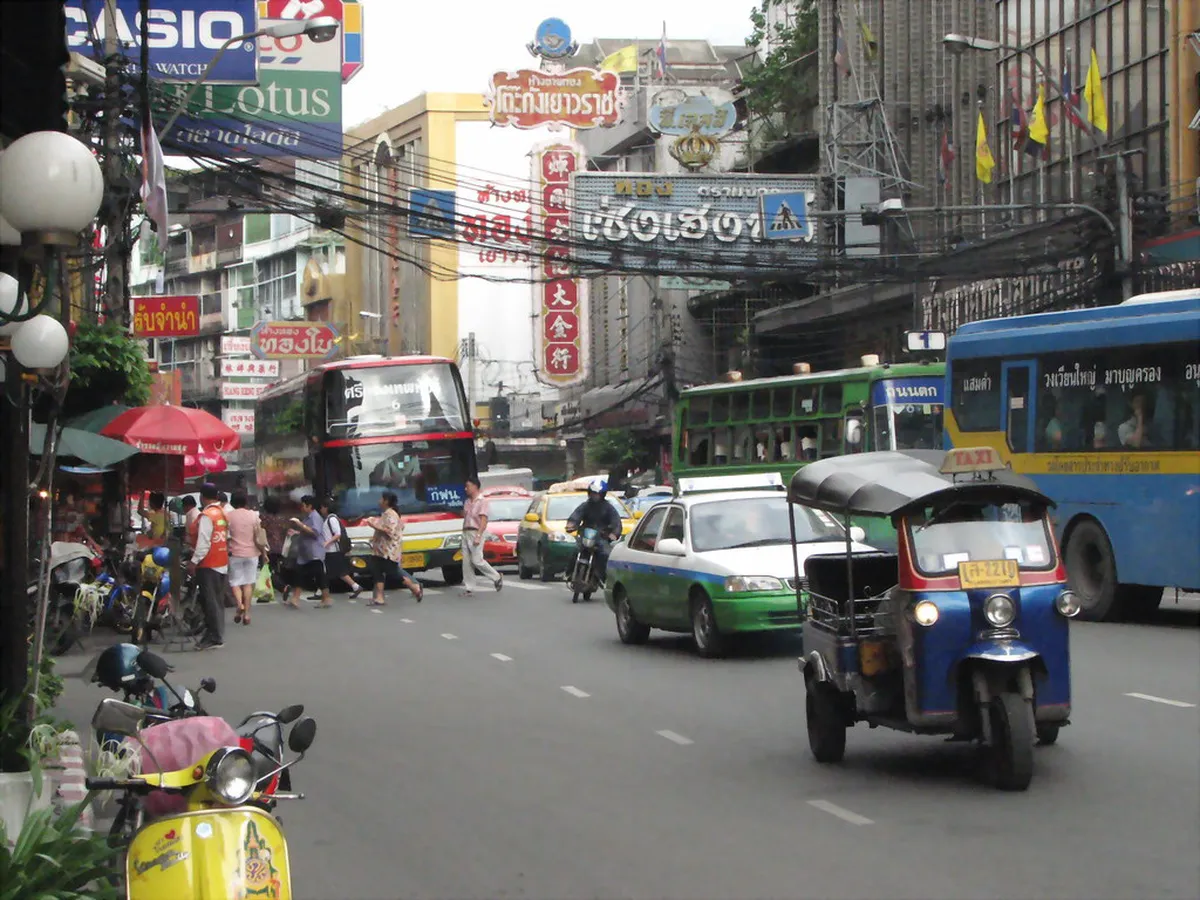
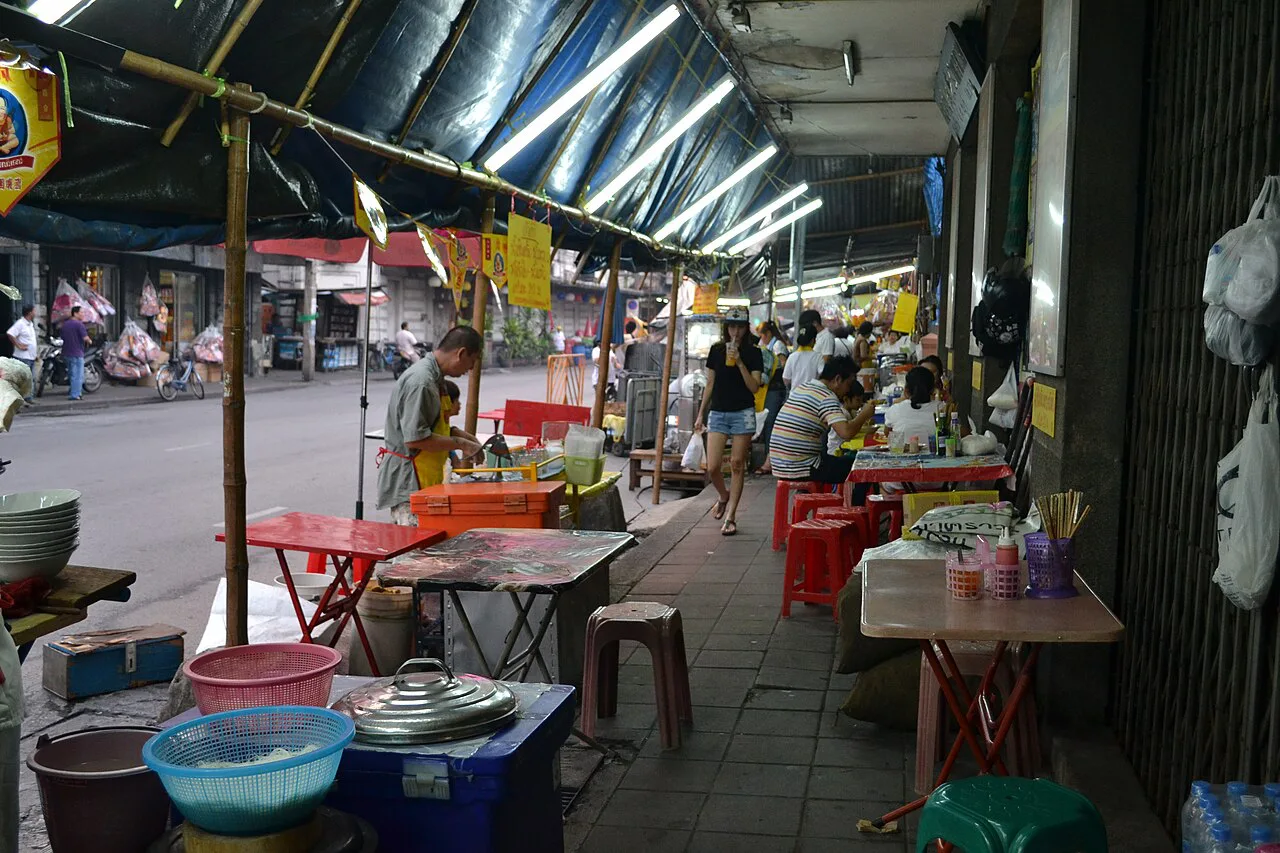
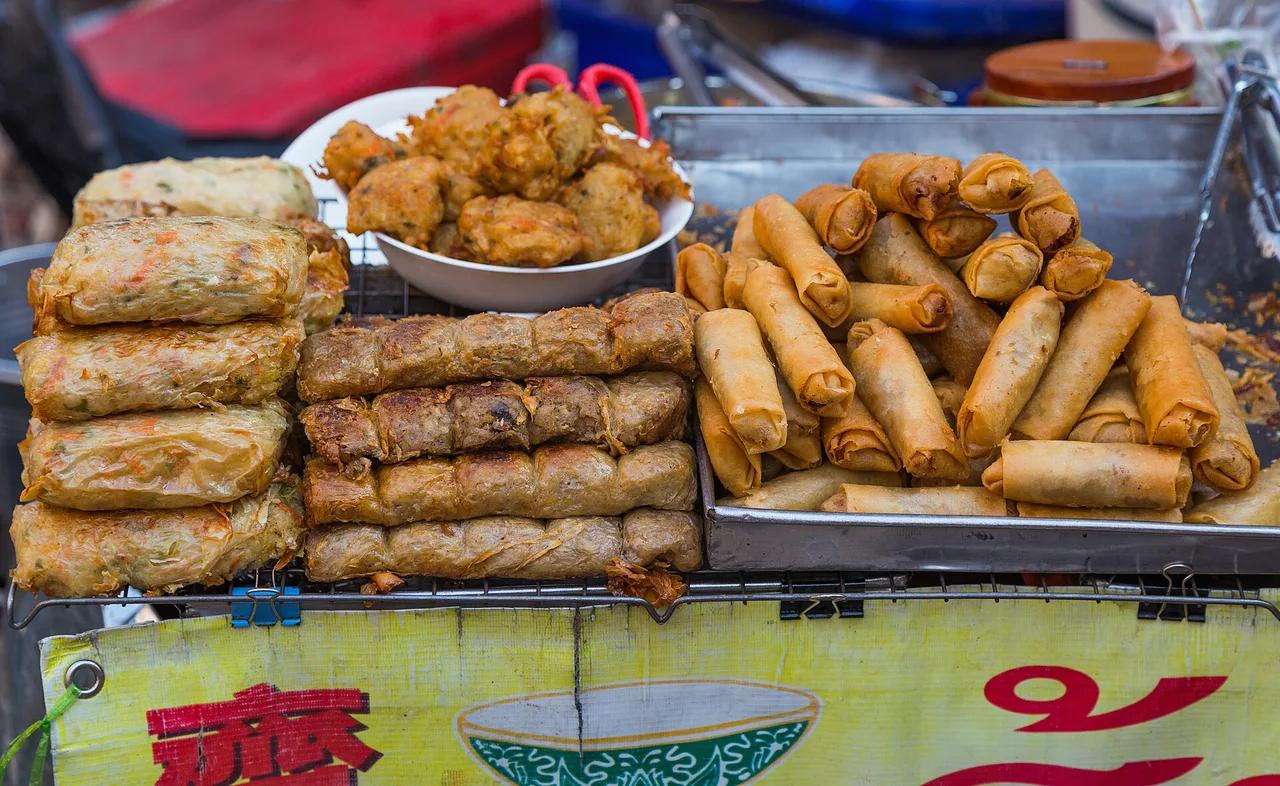
The overlap is real. Thailand has a long-established Chinese-descended community, and its cooks adapted Chinese methods to local ingredients. Stir-fried noodles, rice porridge, noodle soups and roast meats on rice are everyday examples. Northern Thai cooking also shows influence from neighboring Chinese provinces such as Yunnan. To trace how these exchanges built the cuisine, read the history of Thai cooking. For the wider cultural picture, start with our overview of Thai food culture. In practice, look for egg noodle soups, dim sum baskets and roast duck hanging in a window. Those are usually Chinese-Thai kitchens, and a bowl there costs roughly ฿50–฿90 in our estimate. A curry-and-rice plate at a Thai stall runs about ฿50–฿100.
Dining Style and Etiquette
Both cuisines are built for sharing. A Thai meal might pair a curry, a salad, a stir-fry, a soup and rice, with everyone spooning from common dishes onto their own rice. Chinese meals also put several dishes in the middle with rice or noodles. Sharing food is part of traditions that UNESCO's intangible heritage program documents across many cultures. Our page on Thai Eating Habits: Sharing, Rice, Spoon & Fork covers spoon and fork use and pacing. Order for the table instead of one plate each, and you taste both styles in one sitting.
Health and Nutrition
It depends on the dish and how it is cooked. Thai soups, salads and grilled proteins are vegetable- and herb-rich, while some curries carry the richness of coconut milk and added sugar. Chinese steamed fish, tofu and broth soups are light, while fried dishes and sauce-heavy plates can bring more oil, sodium and sugar. Sodium shows up on both sides through fish sauce and soy sauce. Compare dish by dish instead of ranking one cuisine as healthier.
Which Should You Choose?
Use this quick matrix to decide. Each line pairs a traveler type with a first order.
Chinese-Thai noodle bowls cost about ฿50–฿90 and Thai rice plates about ฿50–฿100, so budget alone should not settle the choice.
- Loves herbs and acid: order Tom Yum or Som Tum at a Thai stall.
- Wants mild food: try Cantonese-style steamed dishes or rice porridge at a Chinese-Thai shop.
- Wants dumplings and dough: look for dim sum baskets and steamed buns.
- Spice-averse: ask for mild heat at a Thai stall, or choose a plain noodle soup.
- Vegetarian: ask for vegetable stir-fries and tofu, and say no fish sauce or oyster sauce.
- Eating as a group: order a curry, a salad, a stir-fry and rice to share.
More Thai Food Comparisons
If this comparison helped, keep going with the neighbors. Read how Thai cooking differs in Thai versus Vietnamese dishes. Our Thai and Indian curry comparison covers spice and paste. For lighter flavors, see Thai against Japanese cooking.
Frequently Asked Questions
Is Thai food better for you than Chinese food?
Neither wins outright. Health depends on the dish and preparation. Thai soups, salads and grilled meats are light, while rich curries add coconut fat. Chinese steamed dishes are light, while fried or sauce-heavy plates bring more oil and sodium.
Is Thai food more like Chinese or Indian?
It borrows from both. Noodles and stir-frying show Chinese influence, while paste-based curries echo Indian cooking. Thai food still has its own signature: fresh herbs, fish sauce and balanced flavors in one dish.
Thai food notes for your next trip
Optional updates to our food guides.
You might also like

Continue reading
More guides you'll find useful