Thai Food vs Indian Food: Key Differences, Flavors & What to Order
Compare Thai and Indian food by spices, heat, coconut milk vs dairy, and regional variety, with ordering tips for travelers and diners.
On this page
Last updated November 2026. Thai food vs Indian food comes down to flavor base, fat, heat style and regional spread. Thai cooking leans on fresh aromatics, herbs, chilli, lime, fish sauce and coconut milk. Indian cooking leans on dried and toasted spice blends, onion-tomato bases and, in the north, dairy.
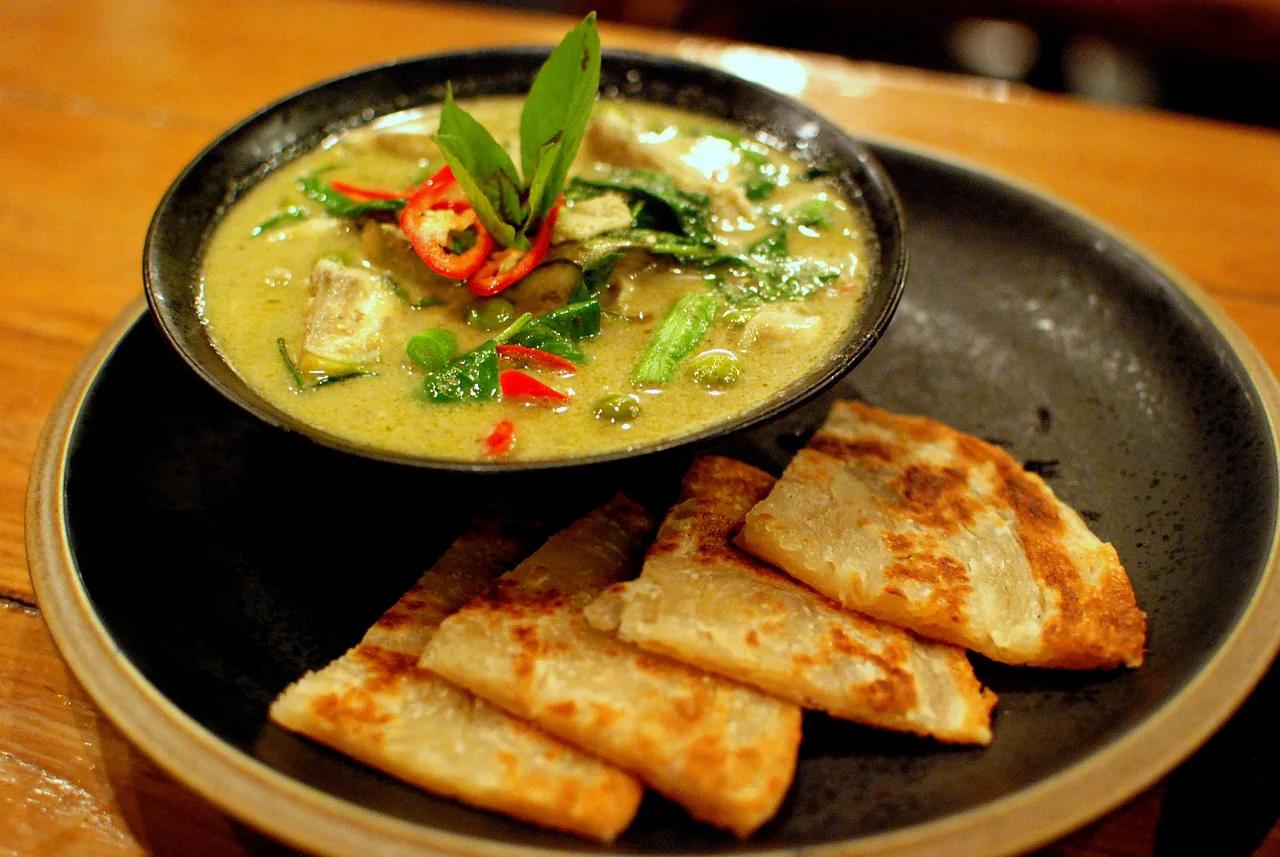
Featured image: Takeaway, CC BY-SA 3.0, via Wikimedia Commons.
Quick Verdict: Thai vs Indian in One Minute
Both cuisines are built on curry, rice and layered seasoning, yet they taste different from the first spoonful. Our short version follows. Context for the Thai side sits in our guide to Thai Food Culture: 7 Things That Define How Thailand Eats.
- Thai base: fresh paste of lemongrass, galangal and chilli, often with shrimp paste.
- Indian base: dry spices sizzled in oil or ghee, then onion and tomato.
- Main liquid: coconut milk in Thai curries; yogurt, cream, water or coconut, depending on region, in Indian cooking.
- Heat: sharp chilli bite in Thai dishes; warmer, spice-blend heat in many Indian dishes.
- Best for dairy-free eaters: Thai, with a few hidden-ingredient checks.
Flavor Base: Fresh Pastes vs Toasted Spices
Thai curries typically start with a paste pounded from lemongrass, galangal and chilli. The paste is fried in a little oil before liquid goes in. That gives a bright, citrusy opening. Our guides to Thai Herbs: A Practical Guide to the Fresh Herbs in Thai Cooking and Thai Spices Guide: Key Flavors, Heat and What to Try cover each aromatic in detail.
Indian curries more often begin with whole or ground dry spices such as cumin, turmeric and coriander. Cooks sizzle them in oil or ghee, then add onion and tomato. The result tastes warm, deep and rounded. Blends like garam masala finish many dishes. Thai pastes can come together faster than a slow Indian onion base, though home recipes vary widely.
Coconut Milk, Dairy and Other Fats
Thai curries rely on coconut milk as the main liquid. It gives a light, velvety texture. Dairy is rare in Thai savory cooking, so most curries suit lactose-intolerant eaters.
North Indian curries often use yogurt, cream or butter for richness. Ghee is a common cooking fat. Southern and coastal India tell a different story. Kerala and neighboring coastal kitchens use coconut heavily in curries, stews and chutneys. The rule of Thai equals coconut and Indian equals dairy therefore holds for the north only.
Heat: How Spicy Is Each, Really?
Thai food gets its heat from fresh and dried chilli, often bird's eye. The burn is sharp and fast. Indian food builds warmth from chilli plus ginger, pepper and the spice blend itself. Some regional dishes in both countries are very hot, and others are mild.
Ranking one cuisine as hotter is not useful. Ordering well is. In Thailand, ask for the dish mai phet (not spicy) or phet nit noi (a little spicy). In an Indian restaurant, say mild, medium or hot. Sauces and chilli condiments on the table let you adjust after the first bite.
Beyond Curry: Rice, Breads, Noodles, Salads and Snacks
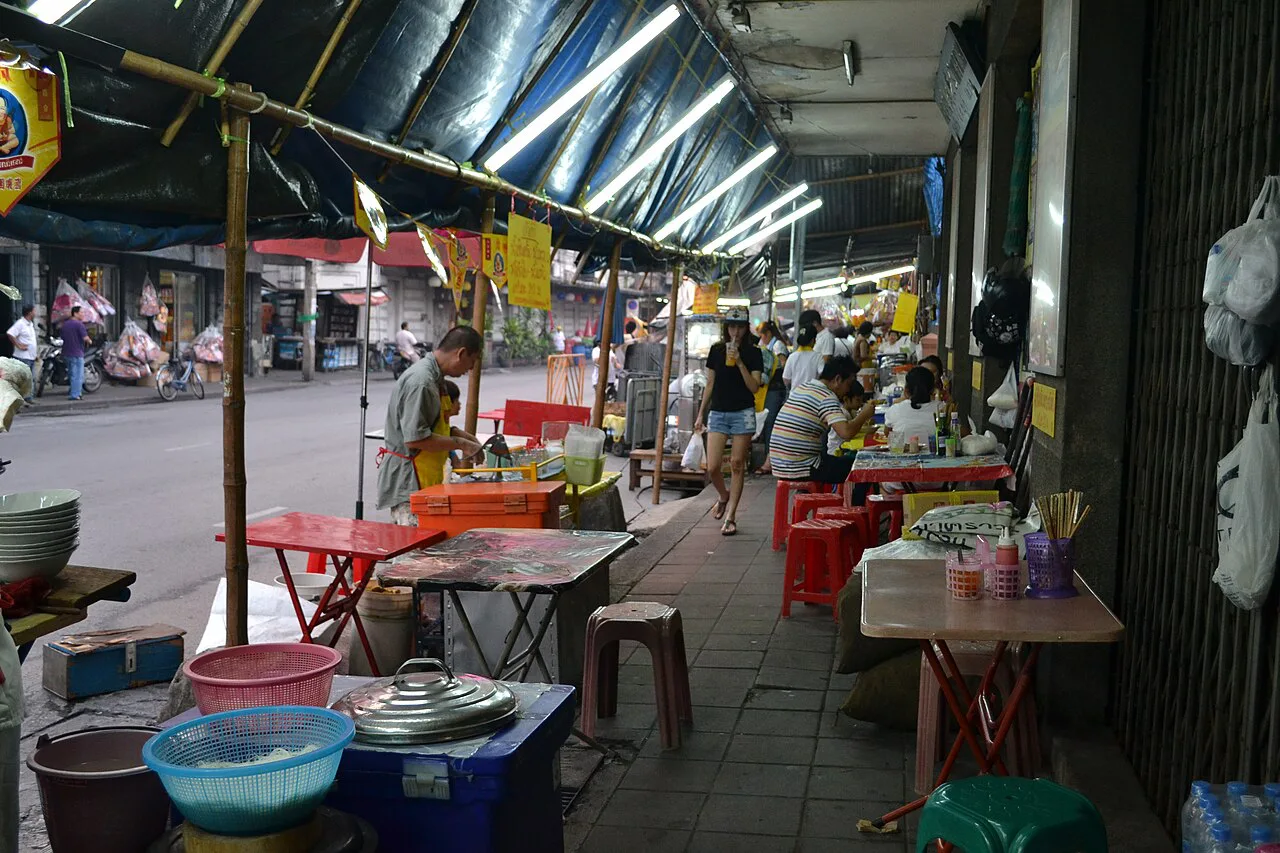
Curry is only one slice of each table. Thai meals center on jasmine rice, with sticky rice common in the north and northeast. Noodle soups, herb-heavy salads like som tam and grilled meats fill out a shared spread. Our piece on Thai Eating Habits: Sharing, Rice, Spoon & Fork explains how sharing and rice-first ordering work.
Indian meals pair curries with breads such as naan and roti, or with rice dishes like biryani. Snacks lean toward fried, spiced and chutney-dipped items. Desserts differ too. Thai sweets often use coconut milk and sticky rice. Many Indian sweets are milk-based.
Regional Variety: Why "Indian Food" Isn't One Thing
Both are regional cuisines. North Indian cooking favors wheat breads, dairy and tandoor-style grilling. South Indian cooking favors rice, lentils, curry leaves, tamarind and coconut. Thai food splits similarly, from coconut-rich southern curries to herb-forward northern and northeastern dishes.
The two traditions meet most clearly in the south of each region, where coconut, tamarind-type sourness and chilli overlap. Spice trade and cultural exchange shaped both kitchens over centuries. For the Thai side of that story, see Thai Food History: Origins, Influences and a Timeline. Treat specific origin claims, such as which curry came from where, with caution.
Side-by-Side Comparison Table
This table summarizes typical patterns. Cells use cautious wording because both cuisines vary by region and cook.

| Factor | Thai | Indian |
|---|---|---|
| Flavor base | Fresh herb and chilli paste | Toasted dry spices, onion, tomato |
| Core aromatics | Lemongrass, galangal, kaffir lime, shrimp paste | Cumin, turmeric, coriander, garam masala |
| Main liquid or fat | Coconut milk, oil | Yogurt, cream, ghee or coconut (south) |
| Souring and sweetness | Lime, tamarind, palm sugar, fish sauce | Tomato, tamarind, yogurt, amchur |
| Heat style | Sharp, fresh chilli bite | Layered spice warmth, varies by region |
| Typical staples | Jasmine or sticky rice, noodles | Naan, roti, basmati, biryani |
| Dairy content | Rarely used in savory dishes | Common in the north |
| Vegetarian friendliness | Needs checks for fish sauce, shrimp paste | Broad vegetarian tradition, check ghee |
| Typical eating-out spend in Thailand | ฿60–฿120 for a curry-over-rice plate | ฿150–฿350 for a main with bread or rice |
| Best for | Fresh, zesty, dairy-light meals | Rich, slow-cooked, spice-forward meals |
Dietary Needs: Vegetarian, Dairy-Free, Halal and Allergens
Thai dishes are often dairy-free, but fish sauce, shrimp paste and oyster sauce hide in many vegetarian-looking plates. Peanuts and shellfish also appear often. Ask for no fish sauce and no shrimp paste, and confirm the broth.
Indian menus offer a deep vegetarian range, including lentil and vegetable dishes. Ghee, cream, paneer and yogurt are common, so dairy-free and vegan eaters should ask about each dish. Nuts thicken some rich gravies. For halal needs, ask the kitchen directly in either cuisine.
- Dairy-free: lean Thai, avoid creamy Indian gravies.
- Vegetarian: choose Indian lentil and vegetable dishes, or ask Thai kitchens to omit fish sauce.
- Nut allergy: ask about peanuts in Thai sauces and cashew or almond gravies in Indian dishes.
- Shellfish allergy: flag shrimp paste in Thai curry pastes.
Cost, Time and Effort in Thailand
Prices and hours checked November 2026, as editorial ballparks rather than posted rates. A Thai curry-over-rice plate at a casual shop usually lands around ฿60–฿120. An Indian restaurant main with bread or rice in Thailand more often runs ฿150–฿350. Tourist areas and hotel dining rooms sit above both ranges.
At home, a pre-made Thai paste cuts cooking time sharply. Indian dishes with a slow onion base take longer. Outside Asia, Thai fresh aromatics like galangal can be harder to find than common Indian dry spices.
Which Should You Choose?
Pick by taste, diet and situation. Fresh, tangy and coconut-rich points to Thai. Deep, warm and bread-friendly points to Indian. For wider background on food as living tradition, browse UNESCO's intangible heritage listings.
Quick, light pick: a casual Thai curry-over-rice plate usually costs ฿60–฿120, while Indian mains with bread run higher.
If you also compare Thai cooking with other neighbors, read our takes on Thai versus Vietnamese food, Thai versus Chinese food and Thai versus Japanese food.
- Want dairy-free: order Thai, and ask about fish sauce.
- Want vegetarian variety: choose Indian lentil and vegetable dishes.
- Want mild heat: ask for mild in either cuisine and add condiments.
- Want a quick, light meal: pick a Thai curry over rice.
Frequently Asked Questions
What are the key differences between Indian and Thai curries?
Thai curries start with a fresh paste of lemongrass, galangal and chilli, then use coconut milk. Indian curries usually start with toasted dry spices and an onion-tomato base. Northern versions add yogurt or cream, while southern ones often use coconut.
What does Thai style curry taste like?
Expect bright, citrusy and herbal flavors with chilli heat. Coconut milk adds a smooth, slightly sweet body. Fish sauce and lime add salty and sour notes.
Thai food notes for your next trip
Optional updates to our food guides.
You might also like


Continue reading
More guides you'll find useful