Santol Fruit in Thailand: Taste, Ripeness and How to Eat It
Wondering what santol tastes like? Learn how to pick a ripe one, how to eat it and avoid the seed, and when to find it in Thailand.
On this page
Last updated November 2026. Santol fruit (krathon, กระท้อน, Sandoricum koetjape) is a round, golden fruit with cottony white pulp around a large seed, and it tastes tart-sweet. You suck the flesh off the seed, skip swallowing it, and pick fruit that has ripened fully. This guide covers ripeness, eating method, Thai uses and season, and sits alongside our wider Thailand fruit guide.
Featured image: Татьяна Максимова, CC BY 4.0, via Wikimedia Commons.
What Santol Fruit Is and How It Tastes
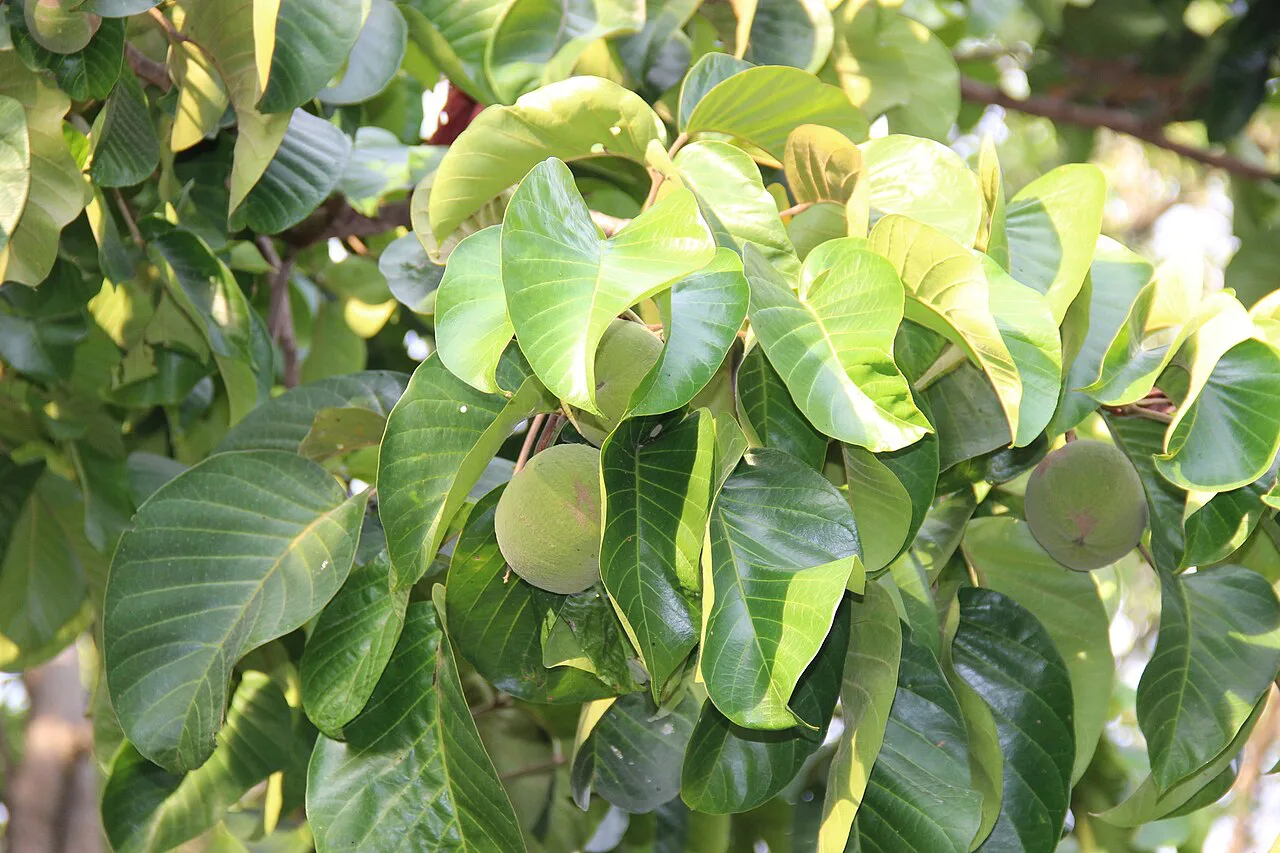
Santol grows on a large evergreen tree native to Indochina and Malaysia. Fruits are about the size of a clenched fist. Immature ones are green, and ripe ones turn yellow to golden, sometimes with pink blushes. Inside, a thick leathery rind surrounds white, translucent, slightly fibrous pulp that clings to the seed. Flavor runs sweet and slightly tart, with a creamy edge when the fruit is fully ripe. Rind and flesh differ sharply: raw rind is sour and mildly acrid, while the pulp is the sweeter part. Santol belongs to the Meliaceae family, which it shares with its relative langsat. Early reviewers often call santol too sour. Fruit left to ripen longer usually turns sweeter.
How to Tell a Ripe Santol
Color is the first cue. Green fruit is unripe and very sour, and judging the whole variety by one hard fruit is the classic mistake. Golden-yellow skin with a little give under your thumb signals better flavor. Fully ripe fruit should be allowed to ripen on the tree, so stalls selling golden fruit usually offer the sweeter pulp. Some types stay green even when ripe, which makes color an imperfect guide. Ask the vendor which fruit to eat now and which to leave for a day or two.
| Stage | What to look for | Flavor | Best use |
|---|---|---|---|
| Unripe | Green, firm | Very sour pulp and rind | Cooking or preserving |
| Nearly ripe | Yellow-green, slightly soft | Tart with some sweetness | Fresh with salt or chilli |
| Ripe | Yellow to golden, pink blush possible | Sweet-tart, creamy pulp | Eat fresh, sucked from the seed |
How to Eat Santol Without Swallowing the Seed
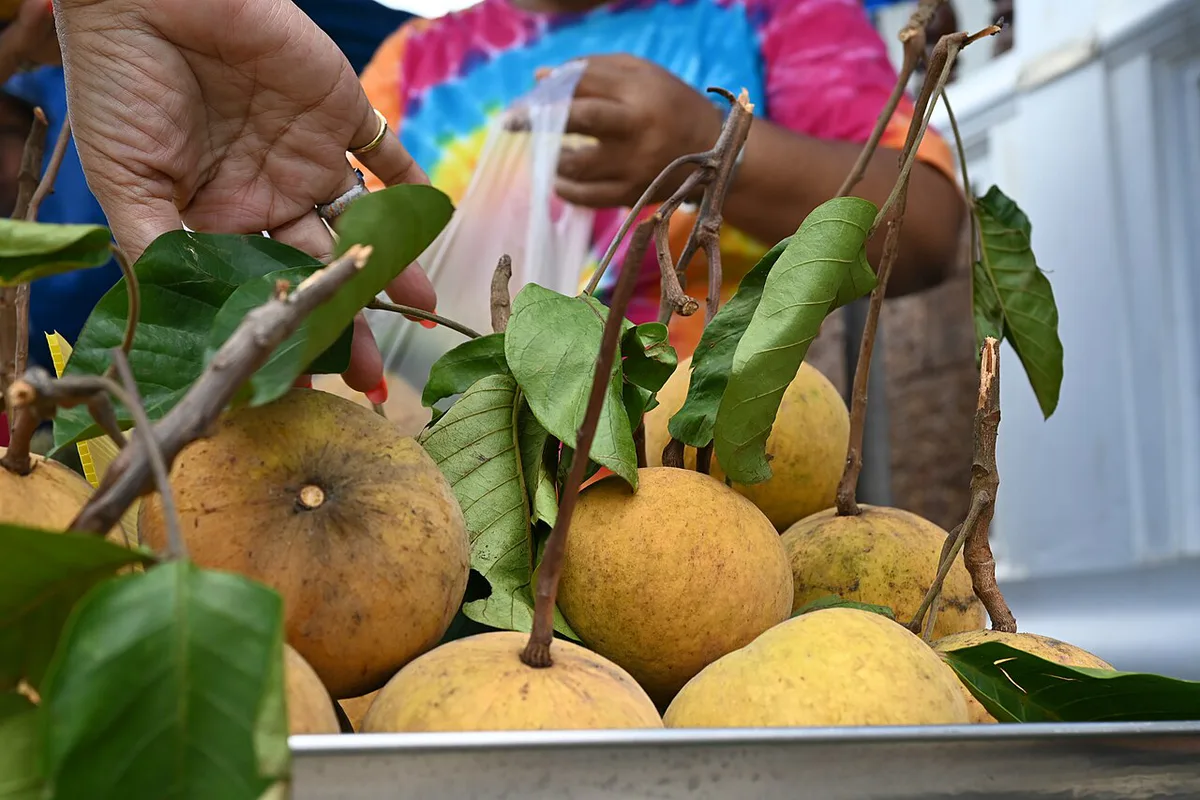
Break or cut the fruit open and pull the segments apart. Put the pulp-covered seed in your mouth and suck the flesh off, much like a lollipop. Seeds can reach about 1.2 inches (3 cm) long and are not edible. Medical reports from Thailand describe swallowed santol seeds causing intestinal problems. A 2004 paper in The Thai Journal of Surgery covers gastrointestinal complications from ingested seeds. Spit the seed out every time and warn children. Locals also eat the rind fresh, normally dipped in salt or other spices. Try a small bite first, because the rind is the sourest part.
- Open the fruit and separate the segments.
- Suck the pulp off the seed.
- Spit out the seed. Never swallow it.
- Dip the rind in salt or spice only if you want the sour kick.
Santol in Thai Kitchens and as Preserved Fruit
Fresh eating is the main use, but sourer fruit suits processing. Across the region, cooks make jam, jelly and chutney from the thick pulp. Young fruit is candied in Malaysia. In the Philippines, the rind is boiled with sugar and sold preserved in syrup. Out of season in Thailand, preserved or candied santol is the likely form you will meet. Matching the fruit to the preparation helps: sweet ripe fruit is for eating fresh, and sour fruit is better for salt dips or cooking.
Santol Season in Thailand and Where to Look
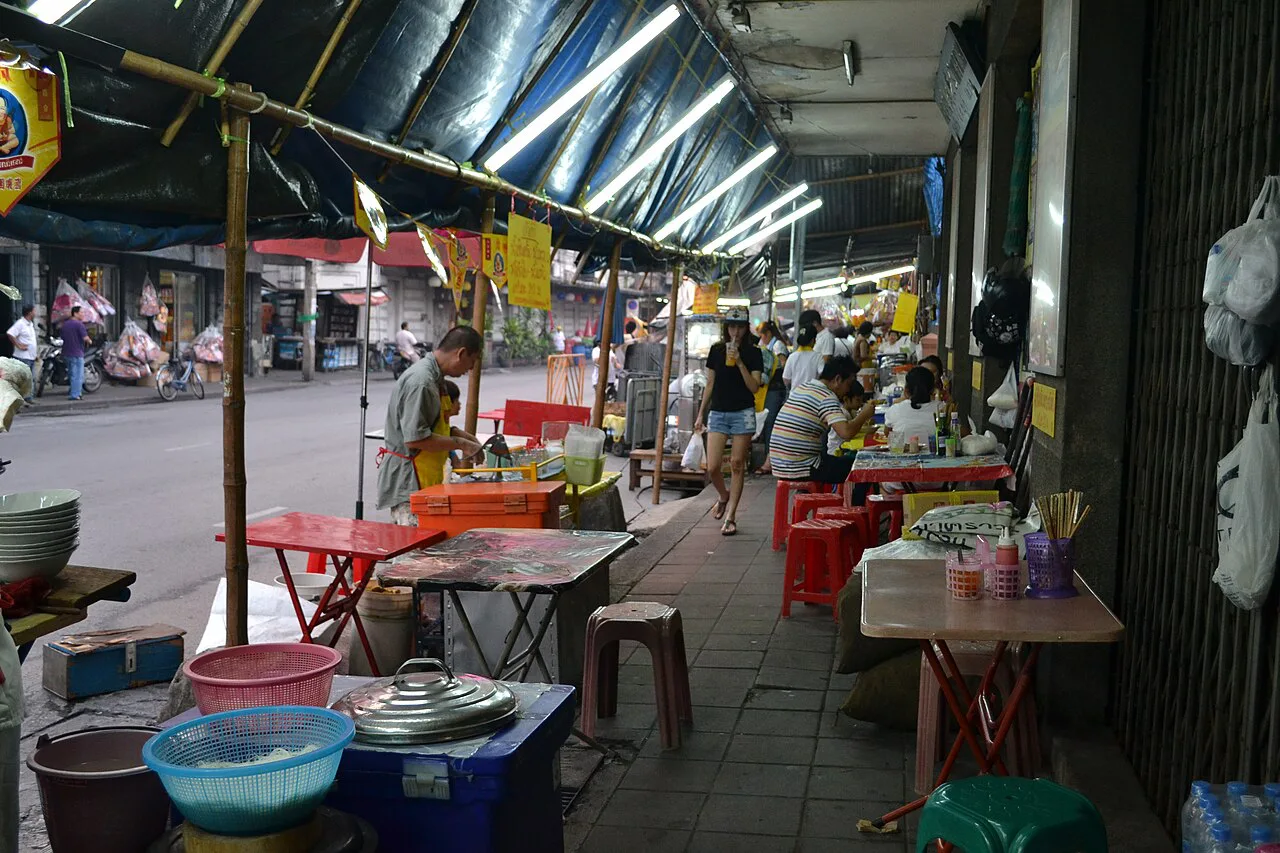
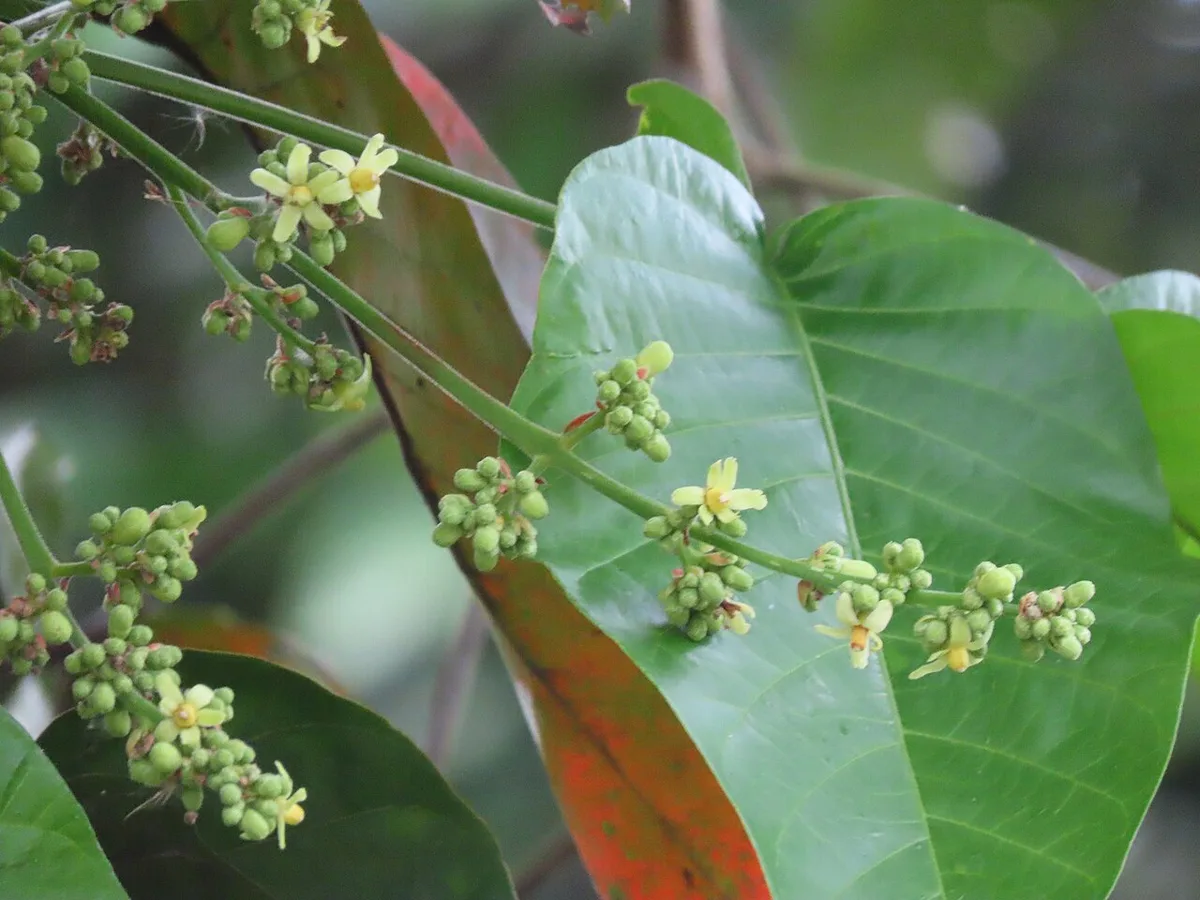
Trees flower in February and March. Fruit is generally harvested from June to October, and regional timing shifts a little. Look in fresh markets and at roadside fruit stalls during those months. Pre-cut packs are convenient, while whole fruit at a market lets you judge color yourself. For other fruits that overlap, use our fruit season calendar. Santol is bulky with a thick rind, so eat it where you buy it rather than carrying it. Import rules for fresh fruit differ by country, so check your own customs authority before packing any. Prices and availability change by market, so ask the vendor directly.
Santol vs Langsat, Mangosteen, Rambutan and Pomelo
Santol sits among Thailand's other fruit stall staples. Compared with them, its flesh clings to a big seed, which makes it messier to eat. Use this table to choose.
| Fruit | Flavor | Eating effort | Best for |
|---|---|---|---|
| Santol | Tart-sweet, creamy | Suck pulp off a large seed | Fresh with salt, or preserved |
| Langsat | Sweet-sour | Peel and pop segments | Quick snacking |
| Mangosteen | Sweet with some tartness | Crack shell, lift segments | Dessert-style eating |
| Rambutan | Sweet, juicy | Split the hairy peel | Easy sweet snack |
| Pomelo | Mild citrus | Peel thick pith, separate segments | Sharing a large fruit |
Santol Varieties: Yellow and Red Types
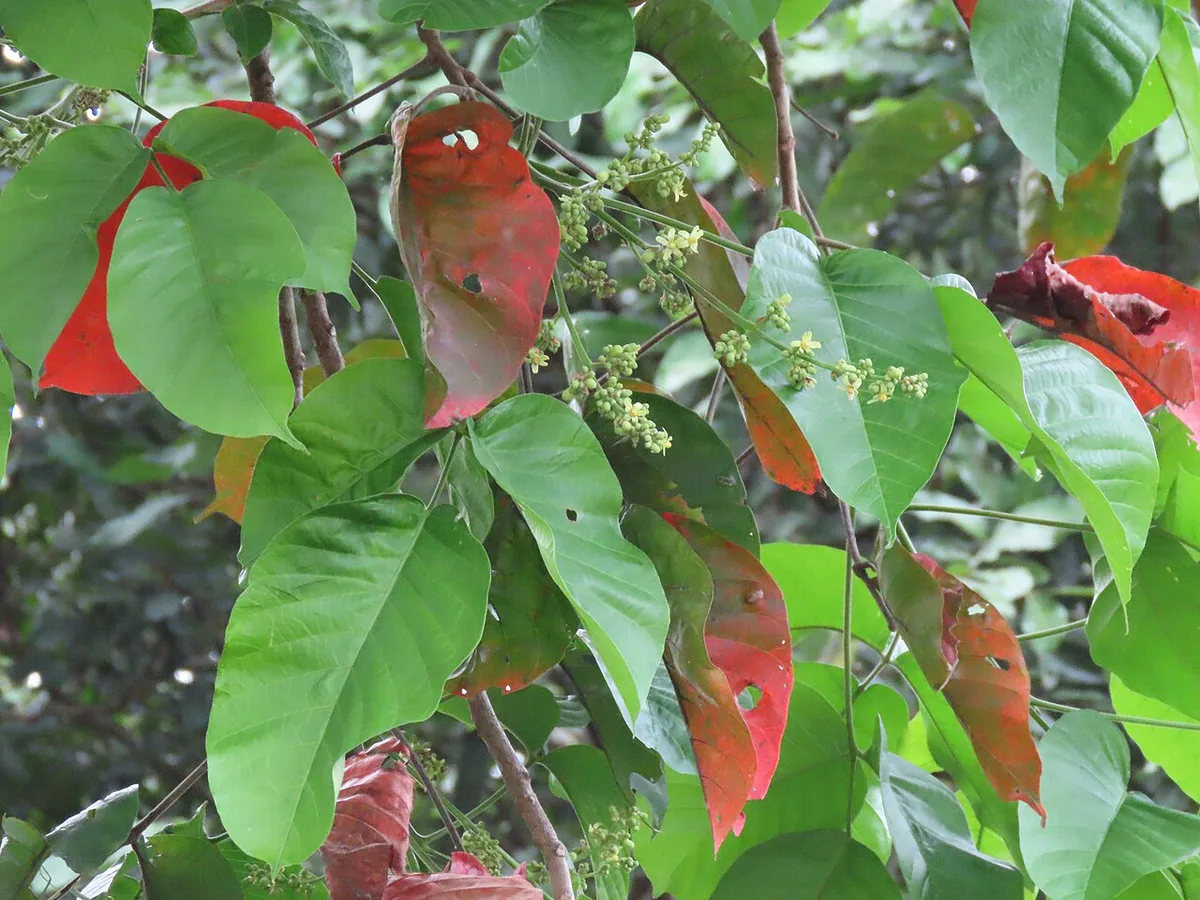
Two types are commonly described, and leaf color as the tree ages sets them apart. The yellow type has a thin rind, and its pulp is 0.6 to 1.25 cm thick around the seed. The red type has a thicker rind of about 1.25 cm. Red-type fruit always falls when ripe. A few types remain green when ripe and taste strongly sour. Some varieties are sweet, others sour, and some are seedless. Market labels vary, so rely on taste and ask the vendor.
Pulp on a yellow-type fruit runs 0.6 to 1.25 cm thick around the seed, which can reach 3 cm, so expect a thin layer to work through.
Health, Safety and Travel Handling
The seed is the main hazard, so never swallow it. The pulp is acidic, so anyone with a sensitive stomach should start with a small piece. Santol bark and leaves have traditional medicinal uses, but treat those as folk practice, not health advice. Skip the rind if you react to sour or acrid foods. Stop eating and see a doctor if you have an allergic reaction. Santol also pairs well with milder fruit, such as the custardy sugar apple, if you want a gentler stop afterward.
Growing Santol at Home (Short Version)
Santol is a tree of hot, wet tropical lowlands that fares poorly above 1,000 m. It prefers full sun and well-drained soil. Trees grown from seed take about 5 to 7 years to flower. Grafted or clonally propagated trees may flower after 3 to 4 years. Seed-grown trees can yield sour fruit, so grafted stock is the safer pick for sweeter fruit. Back in the market, try small longan or snakeskin-peel salak next, or return to our main Thai fruit hub.
Seed-grown trees take 5 to 7 years to flower and can yield sour fruit, so a grafted tree is the quicker route to sweeter eating.
For trip-planning details, see Santol.
Frequently Asked Questions
What is the English name for santol fruits?
English speakers simply say santol. The botanical name is Sandoricum koetjape, and in Thailand it is called krathon (กระท้อน).
Is santol like mangosteen?
Only loosely. Both are sweet-tart, but santol has cottony pulp clinging to a large seed and a sour rind. Mangosteen has neat segments inside a hard shell.
Thai food notes for your next trip
Optional updates to our food guides.
You might also like

Continue reading
More guides you'll find useful